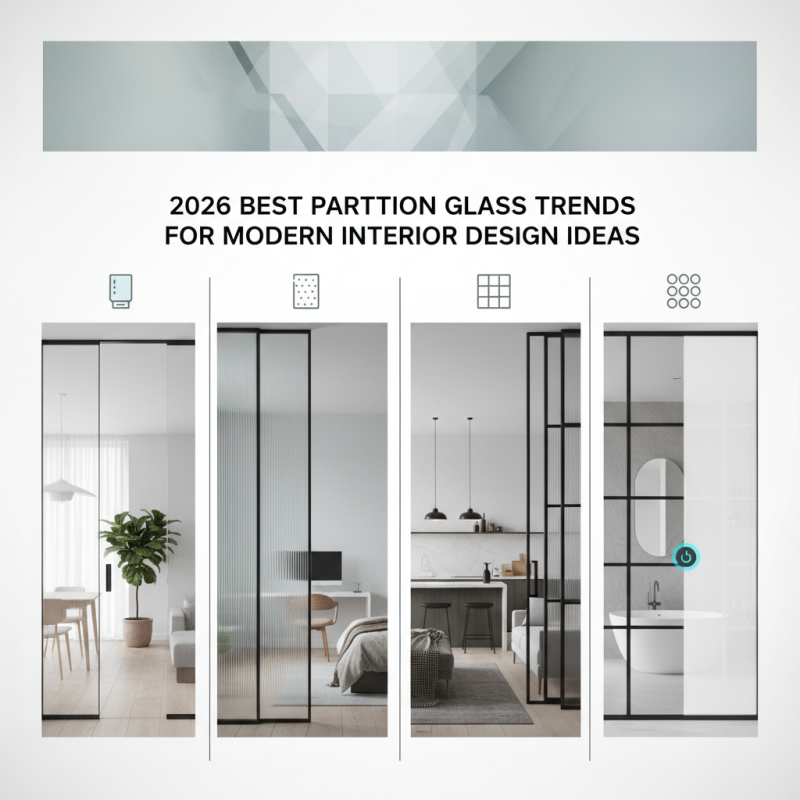
2026 Best Partition Glass Trends for Modern Interior Design Ideas?
Partition glass is becoming increasingly popular in modern interior design. It offers a unique way to create separate spaces while maintaining an open feel. This trend is not merely a design choice; it's about enhancing functionality.
Using partition glass, designers can craft spaces that are light and airy. Large glass panels can divide rooms without blocking natural light. This creates an open environment that can feel more expansive. However, achieving the perfect balance between privacy and openness remains a challenge.
Choosing the right type of partition glass can be complex. There are many styles and options available, each with its own benefits. Some may struggle with selecting the ideal aesthetic or level of translucency. It's important to consider both practicality and beauty when making these choices. Exploring the latest partition glass trends can help inspire new ideas for modern interiors.
The Rise of Partition Glass in Modern Interior Design
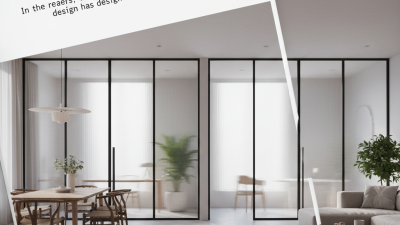
Partition glass is gaining popularity in modern interior design. These transparent divisions create a sense of openness while providing privacy. They can separate spaces without sacrificing light, making rooms feel larger. This trend is ideal for both homes and offices.
When using partition glass, consider the type of glass. Frosted or tinted options can add style and functionality. Try combining different textures to enhance visual interest. Remember, not every space needs full separation. Open layouts can benefit from partial glass walls for subtle divisions. Think about how each area flows into another.
Tips: Choose the right finish for your glass. Tempered glass is durable and safe. Test how different light affects your space. Reflect on whether you prefer a clean aesthetic or adding frames. The balance between style and function is crucial. Embrace the imperfections of your spaces. Each design should reflect your personality.
Key Features of Partition Glass for Contemporary Spaces
Partition glass has become a staple in modern interior design. It provides a visual connection while maintaining distinct spaces. This feature is ideal for contemporary homes and offices. Clear, frosted, or colored glass allows for creativity. Each option brings a unique aesthetic. A well-placed partition can divide a room without losing light.
Functionality is equally important. Partition glass must withstand everyday use while looking stylish. Finding the right thickness is crucial. A balance between durability and elegance is necessary. Some designs might not provide enough privacy. This can be frustrating in work environments where focus is needed.
Maintenance is a consideration too. Smudges and fingerprints can detract from its allure. Regular cleaning is required to keep it looking its best. Yet, the effort can be rewarding, enhancing the overall vibe of a space. Overall, partition glass can transform interiors, but it requires thoughtful planning and care.
Popular Styles and Finishes for Partition Glass in 2026
In 2026, partition glass trends are focusing on a blend of functionality and aesthetics. Interior designers are leveraging glass partitions to create vibrant spaces. Popular styles include frosted glass, which offers privacy while allowing light to flow through. This versatile option fits well in urban offices and contemporary homes. According to a recent industry report, the demand for glass partitions in residential design has increased by 22%.
Finishes are equally important in this trend. Matte and textured finishes are gaining attention. These finishes enhance the visual appeal of spaces and reduce glare. Transparency remains a key factor, but so does the desire for unique textures. More homeowners are also considering customization in partition designs.
**Tip**: Consider using framed glass partitions. They add character without overwhelming a space. Mix different glass types within a single design for added interest. However, it’s essential to think about cleaning and maintenance. Glass can show fingerprints and dust, requiring periodic upkeep. Pay attention to how the glass interacts with lighting throughout the day.
2026 Best Partition Glass Trends for Modern Interior Design Ideas
| Style |
Finish |
Applications |
Trends |
| Frosted Glass |
Matte Finish |
Office Partitions, Conference Rooms |
Privacy Enhancement |
| Clear Glass |
Polished Finish |
Home Interiors, Retail Spaces |
Minimalist Aesthetic |
| Colored Glass |
Satin Finish |
Art Spaces, Cafes |
Creative Explosions |
| Textured Glass |
Textured Finish |
Residential Spaces, Showrooms |
Tactile Designs |
| Smart Glass |
Smart Finish |
Tech Spaces, Modern Offices |
Energy Efficiency |
Innovative Applications of Partition Glass in Home and Office Design
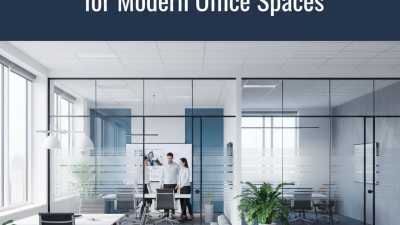
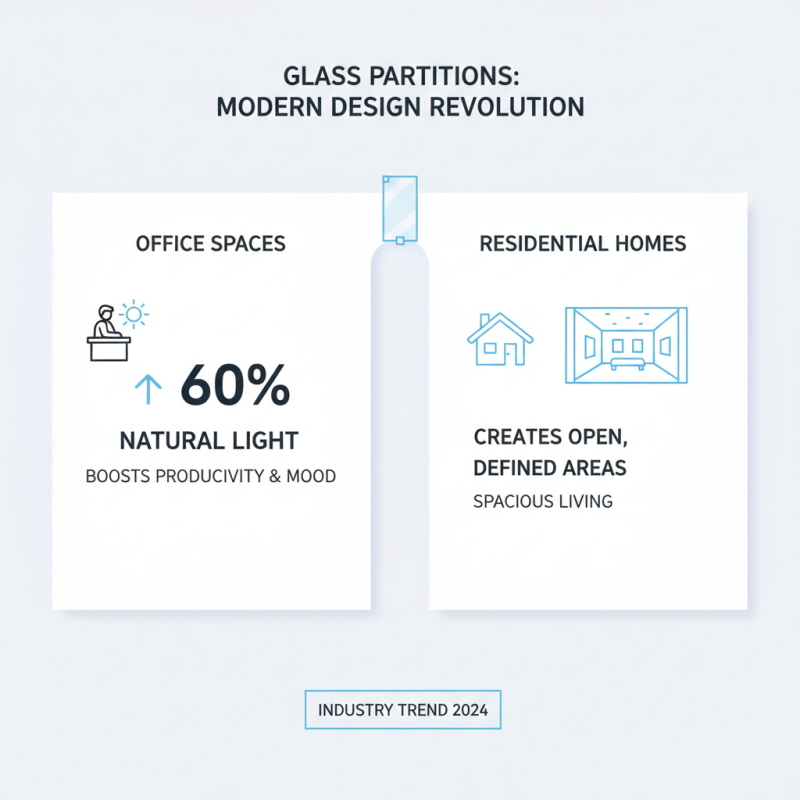
Partition glass is revolutionizing modern interior design, especially in residential and office spaces. According to a recent industry report, the use of glass partitions can increase natural light by up to 60%. This, in turn, boosts productivity and enhances mood, making them a popular choice in contemporary workspaces. The trend is not just limited to office settings; homeowners are embracing glass partitions to create spacious yet defined areas in their interiors.
One innovative application is using frosted or tinted glass for privacy without sacrificing illumination. By employing this design, areas like home offices can be separated from living spaces, promoting focus. Yet, the reliance on glass can pose some challenges. Maintenance and cleaning can become more demanding than traditional walls. Fingerprints and smudges often detract from the aesthetic appeal.
Furthermore, while glass partitions add elegance, they can also present issues related to sound privacy. In a bustling office, noise can escape or filter through, impacting concentration. Finding the right balance is key. Designers are experimenting with acoustic glass that reduces sound transference. This blend of style and function represents a growing trend in partition design, yet it requires careful consideration and continual adjustments.
Sustainability Trends Influencing Partition Glass Choices in Interiors
Sustainability is reshaping the interior design landscape, particularly with partition glass. More designers are opting for eco-friendly materials. A 2023 industry report highlighted that about 65% of architects prioritize sustainable choices. Partition glass is now available with recycled content. This reduces the carbon footprint during production.
Choosing partition glass can sometimes feel overwhelming. The aesthetics are vital, but the environmental impact is more significant. Some glass options offer energy efficiency ratings. This reduces heating and cooling costs. Look for low-E coatings that enhance thermal insulation.
Tip: Assess the life cycle of the glass before purchasing. Not all glass is manufactured sustainably. Some processes are energy-intensive. Therefore, you may need to research certification labels or ecological statements.
The role of partition glass in modern design goes beyond looks. It’s about making conscious decisions. Natural light flow is crucial, yet too much exposure can lead to energy loss. Striking a balance between functionality and aesthetics is essential. Always consider the long-term implications of your choices.