2026 Top Trends in Home Design with Low E Glass Innovations?
In the evolving landscape of home design, "Low E Glass" innovations are taking center stage. Industry expert Dr. Emily Carter emphasizes, "Low E Glass is not just about insulation; it's about maximizing comfort and efficiency in modern homes." This technology dramatically reduces heat transfer and improves energy efficiency, making it a sought-after choice for architects and homeowners alike.
Today’s home designs focus on sustainability and environmental impact. Low E Glass plays a significant role in achieving these goals. Its ability to reflect heat while allowing natural light to permeate creates brighter, more comfortable living spaces. Imagine a sunlit room where excessive heat is kept at bay, making it a perfect retreat year-round.
However, many still overlook or misunderstand the benefits of Low E Glass. Some believe it’s just another trend, while others worry about installation costs. This reflects a gap in awareness. A closer examination reveals that the initial investment can lead to significant savings over time. Homeowners must weigh aesthetics, performance, and practicality when considering their design choices.
Emerging Technologies in Low E Glass for Home Design
The future of home design is increasingly leaning towards energy efficiency. Low E glass innovations offer remarkable benefits for homeowners. This technology minimizes heat transfer, ensuring that homes stay cooler in the summer and warmer in winter. It reflects infrared light while allowing natural light to shine through, providing an ideal balance.
Emerging technologies in this field are creating smarter glass options. Some options are now self-tinting, adapting to sunlight. This can significantly reduce reliance on artificial lighting and cooling systems. Alongside aesthetic appeal, these advancements may help reduce energy bills. However, there are challenges. Installation can be complicated and might require specialized skills. Not all homes are suited for these advancements, necessitating careful planning.
Incorporating Low E glass into home designs also raises questions. Will these innovations cater to diverse architectural styles? Homeowners must reflect on whether these solutions align with their vision. Adopting new technologies often requires a trade-off between style and functionality. Thus, the journey of integrating Low E glass remains an area ripe for exploration and discovery.
Benefits of Low E Glass in Energy Efficiency and Sustainability
Low E glass is changing home design. It enhances energy efficiency and boosts sustainability. This glass reflects heat while allowing natural light. Homeowners can enjoy bright spaces without the hefty energy bills. Many are opting for it in windows and doors.
Using Low E glass can significantly reduce heating and cooling costs. It helps maintain comfortable temperatures year-round. However, its benefits can come with a cost in installation. Some homeowners may overlook this when budgeting. Balancing immediate expenses with long-term savings requires careful thought.
Sustainability is a key trend today. Low E glass can lower carbon footprints. Yet, it’s essential to consider the entire lifecycle of materials used. Rethinking choices ensures homes are not just beautiful but also responsible. Each decision matters in creating an eco-friendly space.
2026 Top Trends in Home Design with Low E Glass Innovations
This chart represents the estimated reduction in energy consumption achieved by incorporating Low E Glass in home design across different climate zones. The data illustrates the percentage of energy savings in heating and cooling when using Low E Glass compared to traditional glazing methods.
Trends in Aesthetic Integration of Low E Glass in Modern Homes
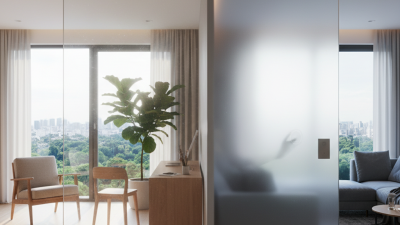
Low E glass is transforming modern home design. This innovative material not only enhances energy efficiency but also elevates aesthetic appeal. Imagine large windows that let in natural light without excessive heat. Homeowners are embracing this trend to create bright, inviting spaces. The use of Low E glass in walls, skylights, and sliding doors is on the rise. It blends seamlessly with various architectural styles, from minimalist to contemporary.
Yet, achieving perfect integration has its challenges. The reflective qualities of Low E glass can sometimes disrupt the surrounding landscape. Homeowners must consider how glare affects outdoor views. Additionally, precise installation is crucial, as any misalignment can compromise both performance and design. Balancing functionality and aesthetics requires careful thought.
Some designs neglect the overall harmony of elements. A beautiful Low E window may contradict other interior features. Designers need to focus on cohesive visual language. It’s vital to ask, does this truly fit? Finding a balance between innovation and traditional aesthetics remains a work in progress.
Comparison of Low E Glass Types: Coatings and Performance
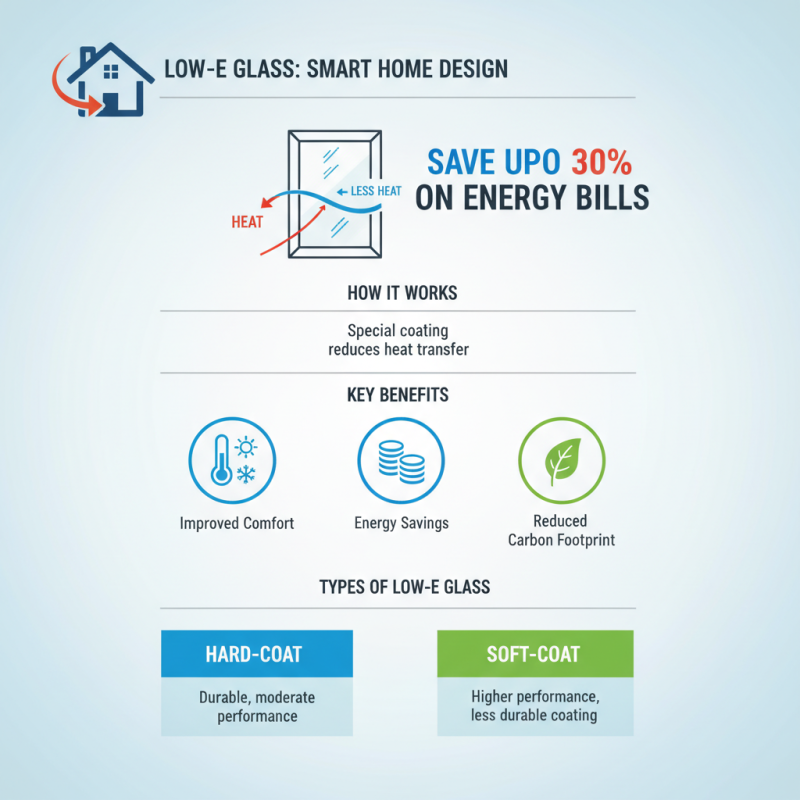
Low E glass is a popular choice in modern home design. It features a special coating that reduces heat transfer. This can significantly impact energy efficiency. In fact, reports show that using Low E glass can reduce energy costs by up to 30%. The most common types include hard-coat and soft-coat glass. Each offers unique performance features.
Hard-coat Low E glass reflects infrared light while allowing visible light to pass. This makes it suitable for colder climates. Conversely, soft-coat Low E glass provides better insulation but is more sensitive to scratches. It performs best in moderate climates. Both types vary in performance based on the application. Homeowners must understand these attributes to make informed decisions.
Tips: When selecting Low E glass, consider your local climate. This can affect your home’s energy efficiency. Also, explore the U-factor and SHGC ratings. A low U-factor means better insulation. A lower SHGC is ideal for minimizing heat gain. If unsure, consult professionals for tailored advice.
Future Innovations and Predictions for Low E Glass in Architecture
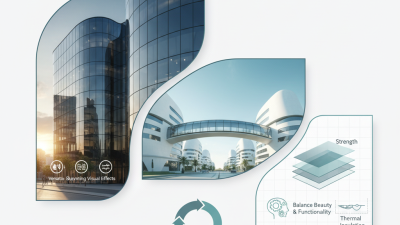
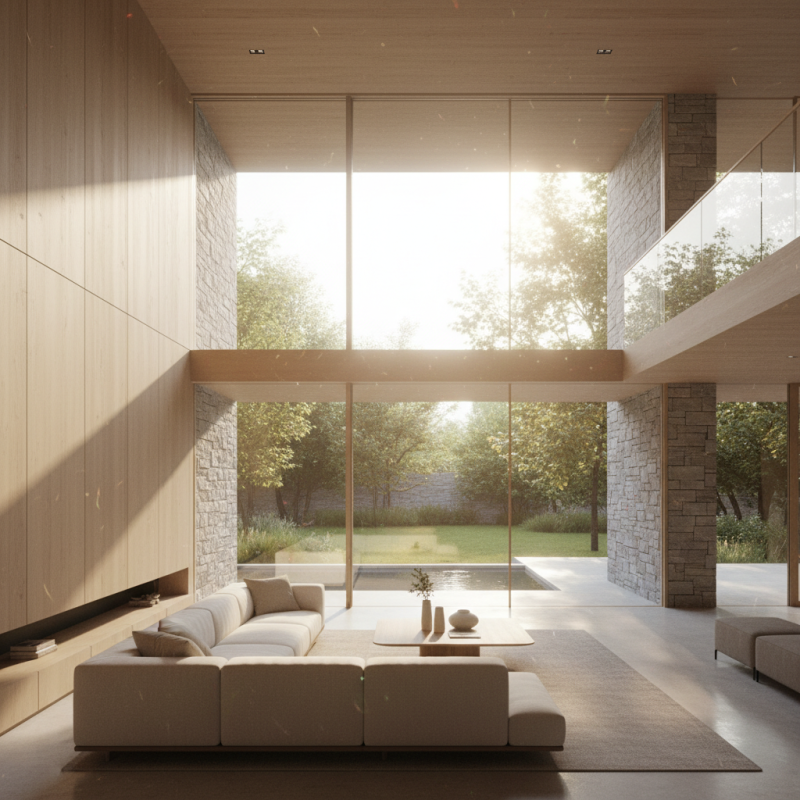
The architecture of the future will showcase innovative uses of Low E glass. These breakthroughs aim to enhance energy efficiency while maintaining aesthetic appeal. In 2026, buildings may feature larger glass surfaces. Imagine living rooms with expansive views, brightening interiors. This increase in natural light will create inviting spaces. Yet, it raises questions about heat control.
Low E glass technology is evolving to tackle these challenges. New coatings may adjust to different climates. For instance, during summer, they could reflect more sunlight. In colder months, they might retain heat better. Such versatility could redefine energy efficiency in homes. There is, however, a balance to strike. Too much glass can lead to privacy issues.
Designers and architects will need to rethink spaces with this material. Unconventional shapes and angles could emerge. Think of triangular windows or curved walls. Every design, however, comes with its drawbacks. Increased exposure could result in glare or excessive heat. Reflecting on these factors is essential for future trends. The journey toward perfecting Low E glass will be complex yet fascinating.