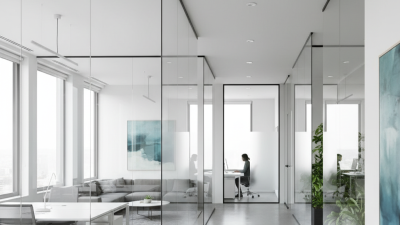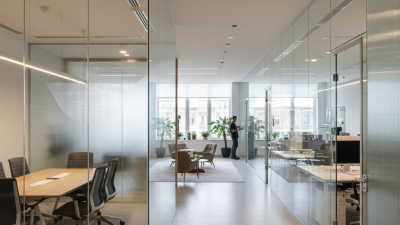
In 2026, global buyers are looking beyond clear panels and minimal frames. Partition Glass now supports privacy, acoustic comfort, safety, daylight, and flexible workplace planning. The right type can change how a meeting room feels at 9 a.m. or how a hotel corridor sounds at night.
Structural-glass engineer James O’Callaghan offers a useful design principle: “Good design is about making the complex appear simple.” That principle suits Partition Glass selection. Tempered glass provides strength for everyday interiors. Laminated glass helps retain fragments after breakage. Acoustic laminated glass can reduce speech transfer between offices. Switchable glass supports instant privacy. Fire-rated systems serve projects with higher performance demands. Framed, semi-frameless, and fully frameless systems create different visual and installation results.
Performance comes before appearance.
Still, no single ranking fits every market. A frameless system may look elegant, yet its seals and hardware need careful coordination. A low-iron panel can improve clarity, but it may increase cost. Acoustic glass can help, although doors, ceilings, and wall junctions may weaken the final result. These details are easy to overlook.
Experienced buyers should compare glass thickness, interlayer design, edge treatment, hardware quality, test evidence, maintenance needs, and supplier capability. Local building requirements also deserve confirmation before ordering. Product names can sound similar while performance differs considerably. This guide reviews the top types of Partition Glass for global buyers, with practical attention to safety, privacy, aesthetics, and long-term value. Mistakes happen. Careful specification reduces them.
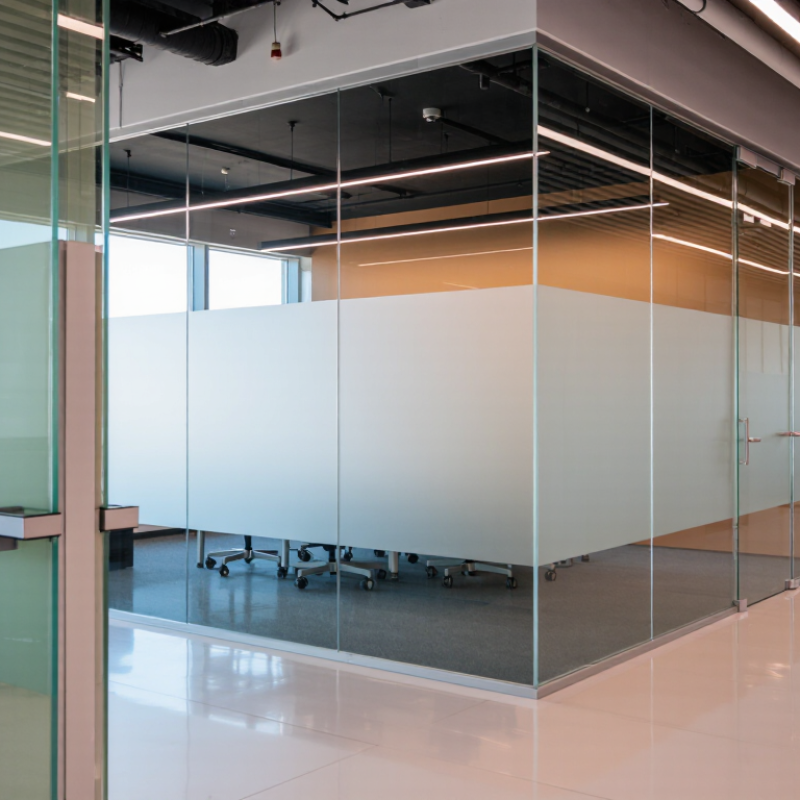
Partition glass is an interior glazing system that divides rooms without blocking light. It can define offices, meeting rooms, clinics, hotels, and retail spaces. In 2026, buyers are evaluating more than appearance. They want privacy, acoustic comfort, safety, and measurable energy performance.
Tempered glass remains common because it is stronger than ordinary annealed glass. If it breaks, it forms small blunt fragments. Laminated glass holds together through an interlayer, which helps reduce injury and noise transmission.
Double-glazed partitions can improve sound control and thermal comfort, although they require more frame depth. Fluted and patterned glass soften visibility while preserving daylight. Switchable glass offers adjustable privacy, but its electrical controls and maintenance needs deserve careful review.
Performance depends on the complete system, not the glass sheet alone. Frame design, door gaps, seals, ceiling connections, and installation quality all affect sound reduction. Small gaps matter. Experienced project teams should request tested acoustic values, glass thickness, impact data, and fire classifications where relevant. Local building requirements must also guide the specification, especially in public areas and escape routes.
A clear room can still feel private.
Yet visual privacy is not the same as speech privacy. That distinction is often missed. Buyers should inspect samples under real lighting and question unclear performance claims.
I have seen attractive partitions disappoint because the doors leaked sound or the seals were poorly fitted. The best choice balances design, safety, maintenance, and the building’s actual daily use.
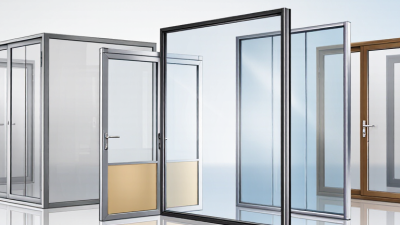
For global buyers, partition glass is not one universal product. The main types include framed, frameless, laminated, tempered, frosted, acoustic, and switchable glass systems. Each type changes privacy, safety, cleaning, installation, and cost. It looks simple. It is not.
Tempered glass suits offices, meeting rooms, retail spaces, and interior corridors where impact resistance matters. When it breaks, it usually forms small granules instead of sharp, large shards.
Laminated glass uses an interlayer between glass sheets. It helps hold fragments together and can improve sound control.
For busy workplaces, acoustic laminated panels may reduce speech transfer between rooms, although door gaps can weaken the result. Framed systems offer stronger visual structure and easier alignment around uneven openings. Frameless systems create a lighter appearance but demand accurate measurements and careful hardware selection.
Frosted or patterned glass gives practical privacy without blocking daylight. Switchable glass provides adjustable transparency, but buyers should check power requirements, control compatibility, and long-term maintenance. Clear glass often needs visible markings to reduce collision risks in public areas.
Measure twice. I have seen attractive layouts fail because the ceiling moved slightly or the floor was not level.
Buyers should request thickness, edge treatment, tested performance data, installation limits, and maintenance instructions before approval. Local building requirements also deserve review, because safety expectations and glazing details differ between markets.
Partition glass types differ sharply in privacy, safety, acoustics, and visual character. Clear tempered glass creates bright meeting rooms and supports strong daylight transfer. Laminated glass performs better where impact protection and sound control matter. Its interlayer can soften voices and reduce the sharp noise of doors closing. Double-glazed partitions offer stronger acoustic separation, but they require deeper frames and careful sealing.
Switchable glass changes from transparent to opaque within seconds, using electrical control. MarketsandMarkets projects the smart glass market to grow from about USD 5.8 billion in 2024 to USD 10.6 billion by 2029. That growth suggests rising demand, yet cost and maintenance remain practical concerns. Fluted, reeded, and acid-etched glass add privacy without making a room feel enclosed. They also hide fingerprints better than fully clear panels. Slightly imperfect? Textured glass can make cleaning more difficult under strong side lighting.
Performance should match the room, not only the drawing. ISO 10140 and ASTM E90 provide recognized methods for assessing sound insulation, while safety glazing should follow applicable regional standards. The International Energy Agency reports that buildings consume around 30% of global final energy. Daylight-friendly partitions may reduce artificial lighting demand, but glare can waste that advantage. In real projects, low-iron glass looks exceptionally clean, although ordinary clear glass may deliver better value. Frame alignment, floor tolerances, and installer experience often influence results more than the glass label.
How partition glass types compare by visible light transmission, privacy, acoustic performance, and design flexibility.
The chart shows representative visible light transmittance values for commonly specified partition glass types. Clear and low-iron glass provide the highest daylight levels, while frosted, patterned, and switchable options improve privacy with reduced transparency. Acoustic performance depends strongly on glass thickness, interlayers, framing, seals, and whether a single- or double-glazed assembly is used.
Typical visible light transmittance values are indicative mid-range figures based on commonly specified architectural glass products. Final performance should be verified against the selected manufacturer’s technical data and complete partition system.
Partition glass performs best when its specification matches the room, not merely its appearance. Tempered glass suits open offices, retail interiors, and meeting rooms with frequent contact. It offers strong impact resistance and breaks into small fragments. Laminated glass works better beside corridors, staircases, and reception areas because its interlayer helps retain broken pieces. The 2024 Grand View Research report identifies architectural glass as a growing construction segment, driven by daylighting and flexible interior planning.
Acoustic laminated glass belongs in boardrooms, healthcare rooms, hotels, and offices near busy streets. Its flexible interlayer can reduce speech transfer, but performance depends on thickness, framing, and installation gaps. A beautiful panel can fail through one careless door seal.
Sound transmission class values should be checked from tested assemblies, not guessed from glass thickness. This is where project experience matters.
Switchable glass fits spaces needing privacy on demand, such as clinics, executive offices, and shared meeting rooms. It requires electrical planning and careful cleaning around connections. Fire-rated glass is more appropriate for protected corridors, stair enclosures, and compartment walls, where certified systems are mandatory. MarketsandMarkets’ 2024 Smart Glass report projects strong double-digit growth for smart glass through 2029, yet adoption remains uneven. Cost, maintenance, and power dependence still deserve uncomfortable questions. Safety should come before visual effect.
For global buyers, partition glass is not one universal product. Tempered glass suits ordinary office dividers because it offers impact resistance and clean edges. Laminated glass provides safer breakage behavior and better sound control. Acoustic laminated glass can reduce speech transfer, but performance depends on the complete wall assembly. Low-iron glass creates a clearer appearance. Switchable glass supports privacy, yet it needs power, controls, and careful maintenance planning. Sample panels help, but they can mislead.
For international projects, start with the room’s actual function, not appearance. Measure traffic levels, door impacts, noise, privacy needs, and daylight direction. Request tested values for acoustic ratings, safety classification, light transmission, and thermal performance. Confirm that testing matches the proposed thickness, framing, seals, and installation method. A certificate alone is not enough. Standards and approval routes vary by country, so local consultants should review drawings and technical documents.
Shipping also changes the decision. Specify crate protection, edge labeling, replacement units, and storage conditions before production. Coastal or humid sites may require corrosion-resistant hardware and compatible sealants. Fire requirements deserve special attention; ordinary partition glass cannot replace a certified fire-rated system. Check tolerances early, because a small opening error can create costly rework. A less fashionable finish may be wiser than weak documentation or difficult installation. Record every tolerance, test reference, and replacement detail in the approved shop drawings.