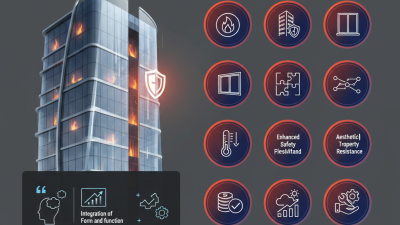
In the realm of modern architecture, the importance of safety cannot be overstated. Fireproof Curtain Wall technology has emerged as a crucial component in building design. These innovative structures not only offer aesthetic appeal but also protect against fire hazards. The integration of fire-resistant materials is essential in urban environments.
As cities grow, the demand for fireproof solutions increases. A Fireproof Curtain Wall helps safeguard lives and property. This technology is not without its challenges. Manufacturers must adapt to changing regulations and performance standards. Fire safety is a complex issue, and designers need to consider various factors.
Emerging trends in this field indicate a shift towards more efficient materials. Research is ongoing to enhance fire resistance while maintaining structural integrity. The future of Fireproof Curtain Wall technology looks promising, yet there is much to learn. Innovation must balance safety, sustainability, and cost-effectiveness. This is a journey that continues to evolve, requiring constant reflection and adaptation.
Emerging technologies are reshaping fireproof curtain wall systems. Recent data from industry reports shows that the global market for fire-resistant materials is expected to exceed $10 billion by 2026. This growth is driven by stricter building codes and the demand for safer structures.
One notable innovation is the use of intumescent coatings. These coatings expand when exposed to heat, creating an insulating barrier. Research indicates that such systems can withstand temperatures of over 1,000 degrees Fahrenheit. However, their effectiveness can vary depending on environmental conditions. Proper application techniques are crucial for ensuring their performance.
Another advancement involves the integration of smart technology in curtain walls. These smart systems can monitor temperature and detect smoke, enhancing safety. A recent study highlighted that buildings equipped with intelligent fire safety systems can reduce emergency response times by up to 40%. Yet, challenges persist in standardizing these technologies for widespread use.
| Trend | Description | Impact | Key Features |
|---|---|---|---|
| Advanced Materials | Utilization of nanotechnology and intumescent coatings to enhance fire resistance. | Increases safety and compliance with fire regulations. | Self-extinguishing properties, lightweight, and enhanced durability. |
| Smart Fireproof Technology | Integration of IoT sensors for real-time monitoring and alerts. | Improves responsiveness to fire hazards and reduces damage. | Remote monitoring, automatic shutdown systems, and data analytics. |
| Sustainable Practices | Focus on eco-friendly materials and reducing lifecycle emissions. | Enhances building sustainability and reduces environmental impact. | Recyclable materials, low VOC emissions, and energy-efficient designs. |
| Modular Designs | Pre-fabricated fireproof curtain walls for quicker installation. | Reduces construction time and labor costs. | Customizable sizes, easy assembly, and fewer on-site resources needed. |
| Enhanced Aesthetics | Design innovations that blend fire safety with architectural appeal. | Allows for creative designs without compromising safety. | Variety of finishes, colors, and customizable patterns. |

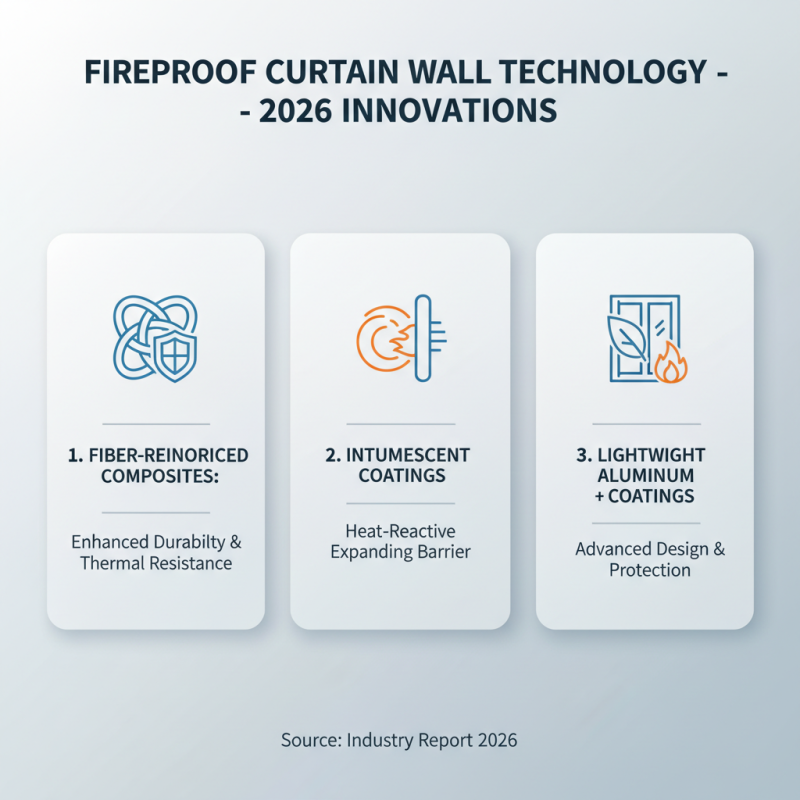
In 2026, fireproof curtain wall technology focuses on innovative materials. Advances in fiber-reinforced composites are gaining traction. These materials offer increased durability and thermal resistance. Designers are experimenting with lightweight aluminum combined with intumescent coatings. These coatings react to heat, expanding to create an insulating barrier.
Another exciting development is the use of aerogels. Known for their low thermal conductivity, aerogels enhance energy efficiency. However, their fragility poses challenges. Implementing these materials requires careful planning and expertise. Engineers must find ways to reinforce structures without adding excessive weight.
Sustainability is also crucial in current trends. Recyclable materials are becoming more popular. This shift reflects a growing awareness of environmental impact. Yet, balancing performance and sustainability can be tricky. Industry professionals must remain vigilant and continually assess new options. Each innovation opens doors but also requires critical evaluation.
In recent years, fireproof curtain walls have evolved significantly. These innovations are essential for high-rise buildings. They aim to enhance safety and structural integrity during fire incidents. According to industry reports, fire-related incidents account for 40% of total building losses. This highlights the need for effective design strategies in curtain wall technology.
Implementing fire-resistant materials is crucial. These materials can withstand extreme temperatures, providing additional time for evacuation. A study revealed that buildings with advanced fire-resistant glazing reduced fire spread by 30%. Designers should focus on integrating these materials into curtain walls. This includes the selection of appropriate framing systems for better performance.
Tips: Ensure proper ventilation in curtain wall designs. This can help with heat dissipation and lower the risk of fire spread.
Consideration for installation and maintenance is vital. Poorly maintained fire barriers can compromise safety. Regular inspections of the curtain walls should be conducted. These measures are critical in identifying potential weaknesses early on. Making these improvements can enhance overall fire resistance.
The regulatory landscape for fireproof curtain walls is evolving. New standards are shaping how these technologies are developed and implemented. Building codes are tightening, emphasizing fire safety. Compliance is no longer optional; it's essential. Inadequate adherence can lead to severe consequences, including construction delays and safety hazards.
Understanding local regulations is crucial. Architects and builders must stay informed. They should regularly review updates to fire safety standards. This proactive approach can help avoid costly mistakes. Additionally, incorporating fireproof materials that meet these standards is vital. It ensures safety while also enhancing the building’s performance.
**Tips:** Always consult with fire safety experts during the design phase. Their insights can prevent oversights. Investing in training for staff on current regulations can mute risks. Remember, knowledge is power when it comes to compliance.
The demand for fireproof curtain walls is rising in modern construction. A recent industry report shows that the global market for these walls is expected to grow by 5% annually over the next five years. This growth is driven by increasing safety regulations and the need for energy-efficient designs. Architects and builders now prioritize fire safety alongside aesthetics.
Historically, fireproof technology has focused on passive fire protection. Many buildings today embrace active safety features too. This dual approach is vital. However, it's challenging to strike the right balance between design and safety. Some installations fail to meet required standards, highlighting a significant area for improvement.
Energy efficiency remains another focal point. In 2025, nearly 70% of builders surveyed aimed to integrate fire-resistant materials with eco-friendly designs. The challenge is sourcing materials that meet both fire safety and sustainability requirements. Consideration of these factors will shape the future of fireproof curtain wall technology.