Top Benefits of Curved Glass Guard for Modern Interiors and Exteriors?
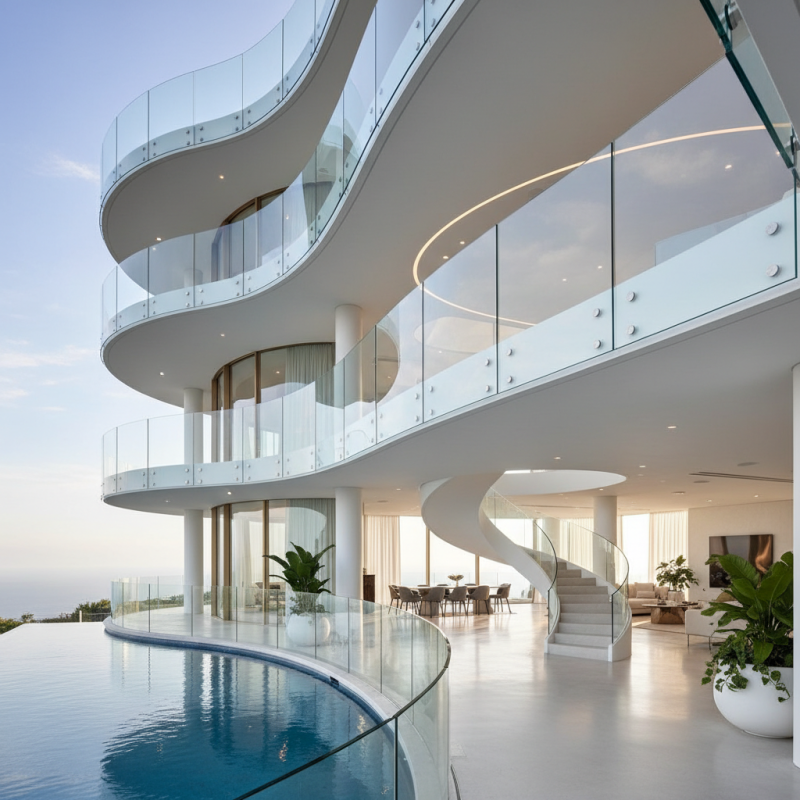
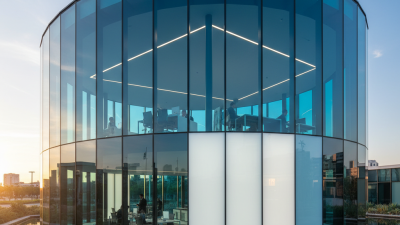
Curved Glass Guard is increasingly popular in modern architecture. This unique design element adds elegance and functionality to both interiors and exteriors. It transforms ordinary spaces into stunning visuals, enhancing aesthetics without sacrificing safety.
One of its key advantages is versatility. Curved glass can adapt to various architectural styles. Whether used in a residential home or commercial building, the seamless integration showcases innovation. Moreover, the guard offers durability. Made from toughened materials, it withstands weather changes and wear over time.
Despite its many benefits, some may question the installation process. It can be complex and requires expert knowledge. Finding reliable professionals is crucial to ensure proper fit and finish. As with any design choice, assessing your space's needs is essential. Balancing beauty with practicality is vital for lasting appeal.
Benefits of Curved Glass Guards in Interior Design
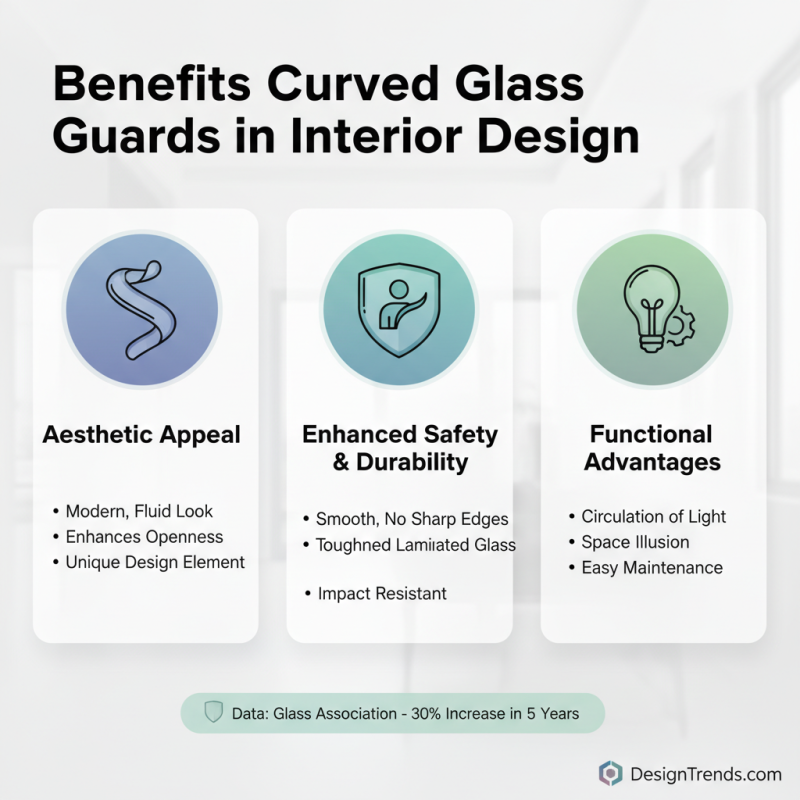
Curved glass guards are gaining traction in modern interior design. They offer benefits that are both aesthetic and functional. Data from the Glass Association suggests that the use of curved glass in architectural projects has increased by over 30% in the last five years. This rise demonstrates a shift in consumer preference toward innovative design elements.
One significant benefit is the seamless integration of curved glass within spaces. These guards enhance sightlines and create a feeling of openness. In residential settings, they soften harsh lines and add visual interest. A study from the Interior Design Journal highlighted that 65% of designers reported increased client satisfaction when incorporating curved elements into their projects. However, it's crucial to note that curved glass can be more expensive and requires skilled installation.
Safety is another important factor. Curved glass guards provide a barrier while allowing light to flow freely. Reports indicate that transparent barriers improve the ambiance without sacrificing safety. Nevertheless, the durability of the glass must meet industry standards. Investing in high-quality materials is key to preventing long-term issues. Curved glass requires careful consideration, as improper installation might lead to unforeseen challenges. Embracing these aspects leads to more successful design outcomes.
Enhanced Aesthetic Appeal of Modern Spaces
Curved glass guard adds a unique touch to modern interiors and exteriors. Its seamless lines create an inviting atmosphere. When strategically placed, it enhances the visual flow of space. The gentle curves provide an organic feel, softening harsh angles commonly found in contemporary designs.
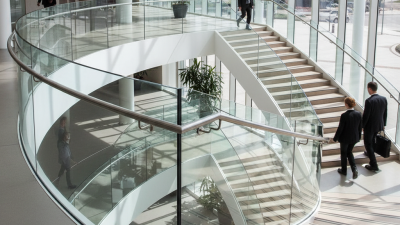
In open spaces, curved glass can act as a focal point. It invites natural light while maintaining privacy. This dual functionality is appealing in both residential and commercial settings. The use of curved glass in staircases or balustrades encourages a sense of elegance and sophistication. However, it also requires careful planning and design to maximize impact without overwhelming the space.
Not all curved glass designs are practical. Some might need frequent cleaning due to visible fingerprints. Additionally, customization can lead to higher costs. Balancing aesthetics with functionality is key. It’s wise to contemplate the long-term maintenance and value this design choice offers. A thoughtful approach can lead to stunning results.
Top Benefits of Curved Glass Guard for Modern Interiors and Exteriors
| Benefit |
Description |
Application Areas |
Visual Appeal Rating (1-10) |
| Enhanced Aesthetic |
Curved glass adds a modern and sophisticated look, enhancing the overall aesthetics of a space. |
Residential and Commercial Interiors |
9 |
| Improved Space Utilization |
Curved designs optimize space, making areas feel larger and more open. |
Small Apartments and Offices |
8 |
| Safety Features |
Curved glass guards provide a safe barrier while maintaining visibility, ideal for high-traffic areas. |
Staircases and Balconies |
7 |
| Versatility in Design |
They can easily be integrated into various architectural styles, enhancing both modern and traditional spaces. |
Various Building Types |
9 |
| Natural Light Enhancement |
Curved glass maximizes light entry, reducing reliance on artificial lighting. |
Offices and Living Spaces |
10 |
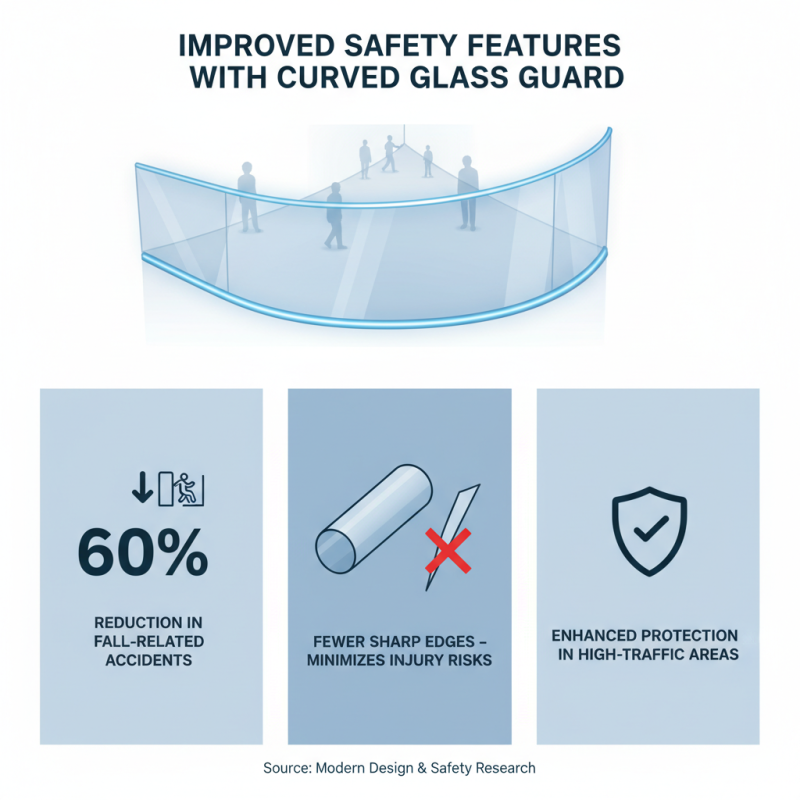
Improved Safety Features with Curved Glass Guard
Curved glass guards have become a vital feature in modern design. They offer enhanced safety, especially in high-traffic areas. Research shows that accidents caused by falling can be reduced by 60% through the installation of protective barriers. Curved glass creates fewer sharp edges, minimizing injury risks.
The smooth, rounded surfaces of curved glass also improve visibility. This is crucial in environments like commercial buildings and public spaces. According to industry studies, clear barriers can lead to a 45% decrease in collision incidents. This improvement is significant for both pedestrians and vehicle operators.
However, challenges remain. The installation of curved glass can be complex and requires precision. Moreover, maintaining cleanliness can be difficult due to their shape. While they are aesthetically pleasing, potential buyers must weigh these pros and cons carefully. Overall, investing in curved glass guards might enhance safety significantly, but considerations around design complexity and maintenance remain important.
Versatility of Curved Glass in Various Applications
Curved glass has gained immense popularity in modern design, thanks to its versatility across various applications. This material is not just aesthetically appealing but also highly functional. Its ability to blend with both interiors and exteriors offers an innovative way to enhance spaces. According to industry reports, the demand for curved glass in architectural designs has increased by 35% in the past five years, reflecting its importance in contemporary construction.
In residential spaces, curved glass can transform ordinary rooms into extraordinary venues. The seamless transitions it offers can make spaces feel larger and more dynamic. For instance, a curved glass partition can create a fluid flow between living areas. In commercial settings, businesses often use curved glass to captivate customers. Having a striking curved storefront can increase foot traffic by up to 25%, based on recent market research.
Tips: Experiment with different thicknesses and colors of curved glass for unique designs. Ensure proper installation; this is crucial for safety. Regular maintenance helps maintain clarity and elegance over time. Curved glass can be a double-edged sword. While it enhances beauty, the cost and complexity may require careful consideration. Making informed choices is essential as projects evolve.
Top Benefits of Curved Glass Guard for Modern Interiors and Exteriors
Maximizing Natural Light with Curved Glass Elements
Curved glass elements are increasingly popular in modern architecture. They can transform spaces by maximizing natural light. A recent report noted that buildings with ample natural light can improve employee productivity by 15%. Curved glass can help achieve this effect by allowing sunlight to diffuse beautifully throughout a room.
In addition, curved glass creates a sense of openness. It can blur the lines between indoors and outdoors. This visual connection often leads to a positive impact on well-being. A study indicated that spaces maximizing natural light can reduce eye strain and enhance mood. However, while curved glass is stunning, it raises questions about insulation and energy efficiency. Proper evaluation is necessary.
Exploration of various materials is crucial. Some curved glass options may not provide the best thermal performance. Homeowners need to weigh aesthetics against practical considerations. Understanding these factors is essential for making informed design choices.