Top 10 Benefits of Curved Laminated Glass for Global Buyers
Curved Laminated Glass is transforming architectural design and construction. Its unique properties combine aesthetic appeal with superior safety standards. This type of glass is increasingly favored worldwide for its versatility and performance.
The benefits of Curved Laminated Glass extend beyond mere appearance. Its structural integrity offers enhanced durability against impacts and harsh weather. Moreover, it provides excellent sound insulation, making it ideal for urban environments. This glass can be fabricated into various shapes, allowing architects to explore creative visions without compromising on functionality.
However, as global buyers consider Curved Laminated Glass, they should weigh the upfront investment against long-term advantages. While it may involve higher initial costs, the return on investment through energy savings and durability is significant. Understanding these benefits is essential for making informed decisions in the evolving glass market.
What is Curved Laminated Glass and Its Composition
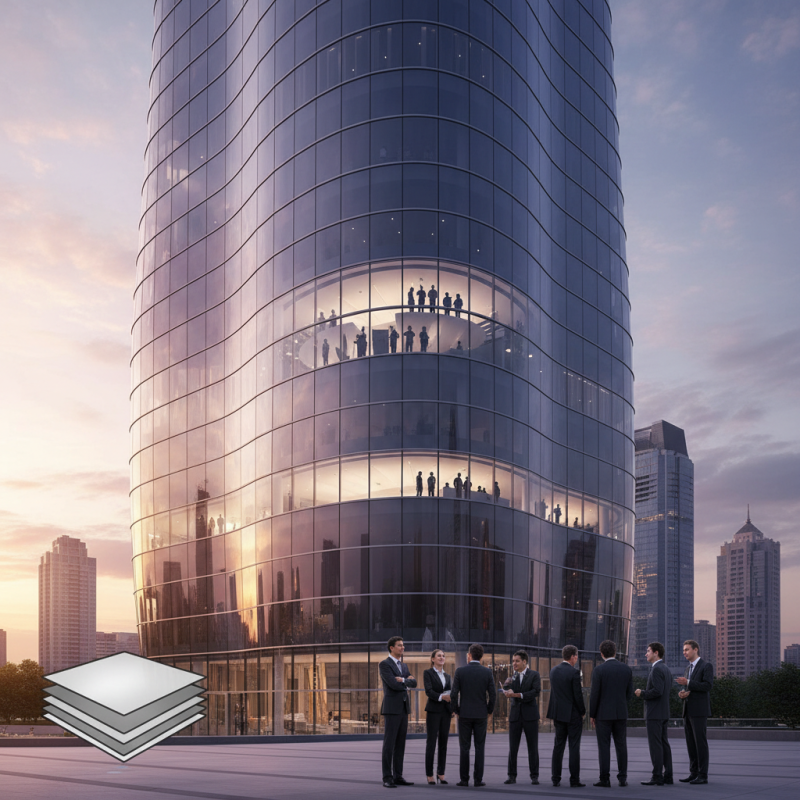
Curved laminated glass is a popular choice in modern architecture. Its unique composition enhances both aesthetics and safety. Typically, it consists of two or more layers of glass bonded by a durable interlayer. This interlayer can be made from polyvinyl butyral (PVB) or ethylene-vinyl acetate (EVA), which adds flexibility and impact resistance. Research indicates that laminated glass can reduce noise transmission by up to 38% compared to standard glass, making spaces quieter and more comfortable.
The bending process allows for creative designs that flat glass cannot achieve. Architects often use curved laminated glass for facades, skylights, and interior features. A study from the Glass Association shows that using curved glass can improve energy efficiency by 20%, enhancing the building's overall performance. Furthermore, the safety aspect cannot be ignored. If shattered, the interlayer keeps the glass intact, preventing injury from falling shards.
However, producing curved laminated glass involves challenges. The manufacturing process can be complex and time-consuming. Not all glass fabricators are equipped to handle such requirements. Additionally, maintaining clear optical quality throughout the curve can be problematic. As industry trends evolve, continuous innovation and expertise will be crucial to overcoming these hurdles and maximizing this material's potential.
Top 10 Benefits of Curved Laminated Glass
Key Advantages of Curved Laminated Glass in Architectural Design
Curved laminated glass is gaining traction in architectural design. Its unique properties make it a favorite among architects and builders. According to a 2022 industry report, the demand for curved laminated glass in buildings has increased by 30% over the last five years. This is largely due to its visual appeal and structural benefits.
One key advantage of curved laminated glass is its ability to enhance energy efficiency. It reduces heat gain and loss, which contributes to lower energy costs. For instance, buildings using this type of glass can see energy savings of up to 20%. Furthermore, the safety features of laminated glass, such as UV resistance and shatterproof technology, provide additional layers of protection, making it ideal for public spaces.
However, design challenges remain. The complexity of installation can lead to higher labor costs and extended timelines. Architects must carefully consider these factors in their designs. Additionally, curved laminated glass often requires custom manufacturing, which might lead to longer lead times. This trade-off between aesthetics and practicality is crucial for project stakeholders. Balancing these elements can be demanding, yet the benefits often outweigh the challenges.
Top 10 Benefits of Curved Laminated Glass for Global Buyers
| Advantage |
Description |
Application Areas |
| Aesthetic Appeal |
Curved laminated glass provides a modern and elegant look to buildings. |
Commercial and residential buildings, museums |
| Safety and Security |
Offers high resistance to impact and can keep out intruders. |
High-rise buildings, public installations |
| Acoustic Performance |
Reduces noise pollution from outside. |
Urban areas, office buildings |
| UV Protection |
Blocks harmful UV rays, protecting interiors from fading. |
Retail spaces, art galleries |
| Thermal Insulation |
Enhances energy efficiency by reducing heat transfer. |
Residential buildings, offices |
| Design Flexibility |
Curved shapes can fit any architectural vision. |
Innovative architectural projects |
| Light Diffusion |
Allows for diffused natural light while minimizing glare. |
Lobbies, atriums, offices |
| Sustainability |
Often made from recyclable materials. |
Eco-friendly buildings and installations |
| Lightweight |
Lighter than traditional glass, reducing structural load. |
Skylights, facades |
| Customization |
Can be custom-made to fit specific designs and sizes. |
Personalized architecture, high-end projects |
Enhanced Safety Features of Curved Laminated Glass
Curved laminated glass offers enhanced safety features that make it an excellent choice for various architectural applications. Its unique structure consists of two or more layers of glass, which are bonded together with a durable interlayer. This design provides greater impact resistance, reducing the likelihood of shattering. In case of breakage, the glass fragments adhere to the interlayer, minimizing risks of injury.
When selecting laminated glass, consider the thickness. Thicker layers provide more security against impacts. Additionally, look into the types of interlayers used. Some interlayers are specially designed to enhance sound insulation and thermal performance, adding to the overall benefits of the glass.
Always remember to ensure proper installation. Even the highest quality glass can fail if not installed correctly. Regular maintenance is also crucial to keep the glass performing at its best. Keep an eye out for any cracks or defects. Addressing these issues promptly can maintain the safety and longevity of your glass installations.
Energy Efficiency and Environmental Benefits of Curved Laminated Glass
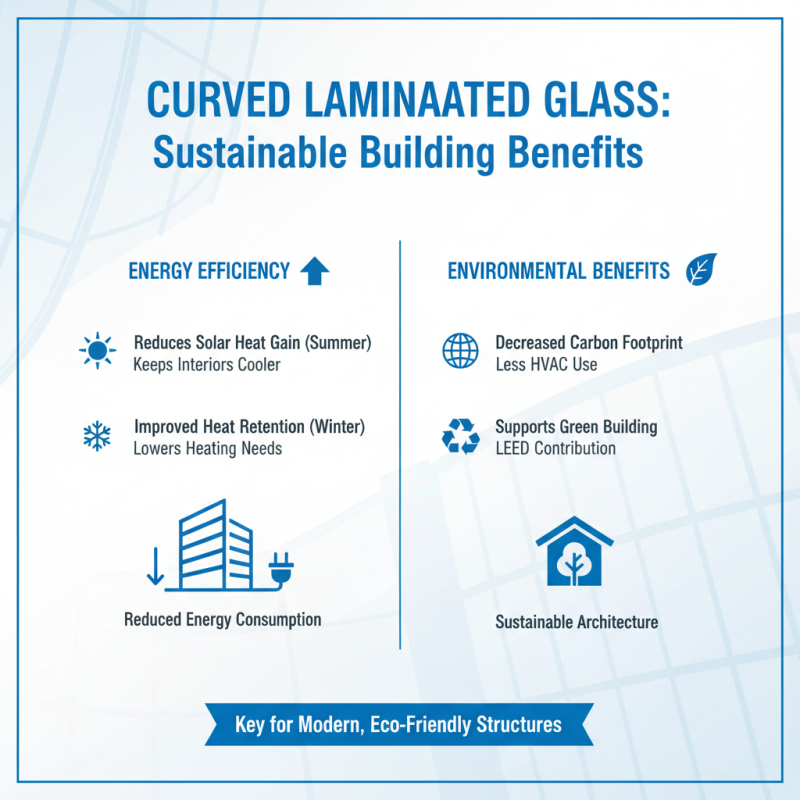
Curved laminated glass offers significant energy efficiency and environmental benefits. Its unique design allows for better control of solar heat gain. This leads to reduced energy consumption in buildings. For instance, during summer months, it reflects sunlight and keeps indoor spaces cooler. In the winter, it retains heat, reducing the need for heating systems. Such properties are valuable for architects aiming to create sustainable structures.
The environmental impact of using curved laminated glass is profound. It is often made from recyclable materials, contributing to a circular economy. Choosing this glass can reduce the carbon footprint of a building. Furthermore, its durability ensures a longer lifespan, minimizing waste. However, not all curved glass products are created equally. Buyers should verify if the materials meet environmental standards.
Some may question the cost-effectiveness of curved laminated glass. Initial investments can be higher than traditional glass options. Yet, the long-term savings on energy bills often justify the expense. Additionally, the aesthetic appeal of curved lines can enhance property value. Still, careful evaluation is necessary to ensure this choice aligns with project goals. Balancing cost, efficiency, and sustainability is essential.
Applications of Curved Laminated Glass in Various Industries
Curved laminated glass is becoming a popular choice across various industries. Its flexibility allows architects to design buildings with unique shapes and aesthetics. This glass type is often used in modern office buildings. Its ability to enhance natural lighting creates inviting workspaces.
In residential homes, it adds elegance and style to windows and doors.
In the automotive industry, curved laminated glass is essential for safety and design. Windshields benefit from its strength and durability. This glass helps reduce glare and improve visibility during harsh weather. Its use in cars can also support energy efficiency by minimizing UV exposure. However, challenges exist in manufacturing. Precision in curving and laminating must be met to avoid distortion.
Retail environments also leverage curved laminated glass for displays. This glass enhances product visibility while maintaining safety. It allows for creative showcase designs that attract customers. Nonetheless, the cost can be a hurdle for smaller businesses. Balancing budget and aesthetics requires careful planning. Each industry must weigh the benefits against potential drawbacks.