In modern architecture, safety and aesthetics often clash. The introduction of the Fireproof Curtain Wall offers a solution. This revolutionary design effectively combines beauty with enhanced fire safety. Architect Jane Smith states, "Fireproof Curtain Walls redefine what’s possible in high-rise buildings." Her insight reflects the growing trend towards integrating form and function.
Fireproof Curtain Walls are increasingly valued. They provide protection against fire without sacrificing style. Many urban buildings now feature these innovative systems. However, some industry professionals express concerns. Is aesthetics sometimes prioritized over safety measures? This raises an important question. Striking a balance between visuals and protection is crucial.
The benefits of Fireproof Curtain Walls are notable. They can withstand extreme temperatures and prevent fire spread. However, architects must remain vigilant. Evaluating the long-term performance and maintenance is essential. Continuous improvement in materials is needed. In a rapidly changing world, innovation must go hand in hand with safety.
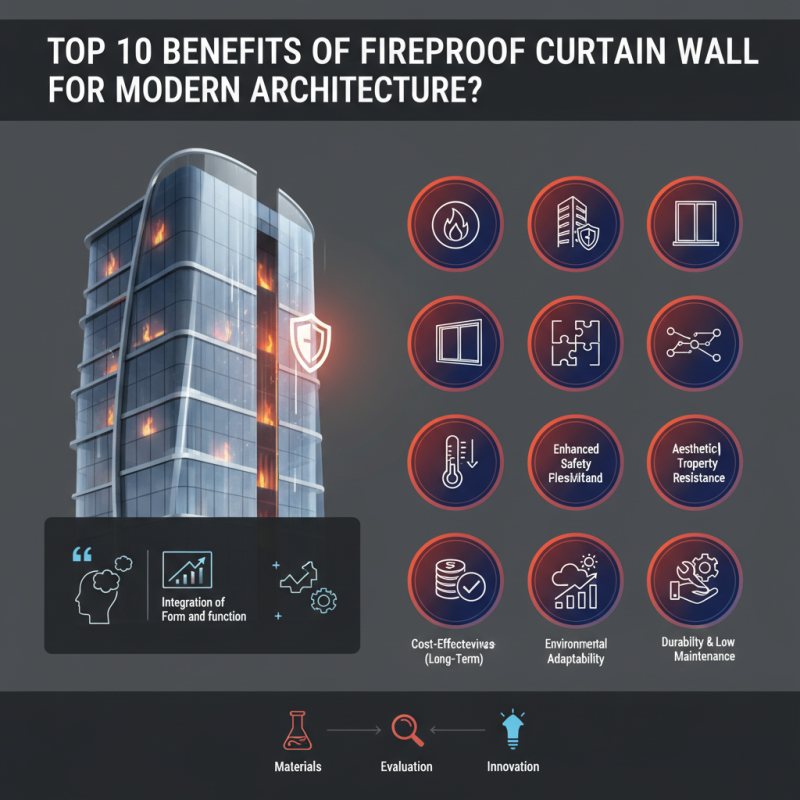
Fireproof curtain walls stand out in modern architecture, primarily for their safety features. These walls act as protective barriers against fire, significantly reducing the risk of flames spreading. When a fire breaks out, these walls can buy crucial time for occupants to escape. They can elongate the structural integrity of buildings, potentially saving lives.
Additionally, fireproof curtain walls enhance the overall resilience of a building. Gone are the days when fire safety was an afterthought in design. Today, architects integrate these elements seamlessly into their blueprints. They provide peace of mind to occupants and investors alike. While some designs may compromise aesthetics for safety, there is a subtle beauty in their functional purpose.
Furthermore, fireproof materials can be more expensive, posing a challenge for budget-conscious projects. Balancing cost with safety is a constant struggle. However, considering the potential for catastrophic loss, investing in these walls may be wise. Reflecting on the cost versus benefit is vital in architectural planning. While fireproof curtain walls present challenges, their role in enhancing building safety cannot be overstated.
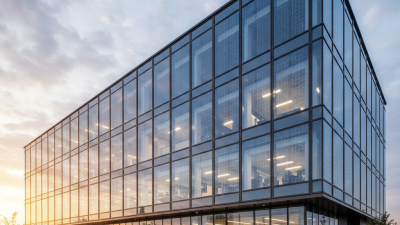
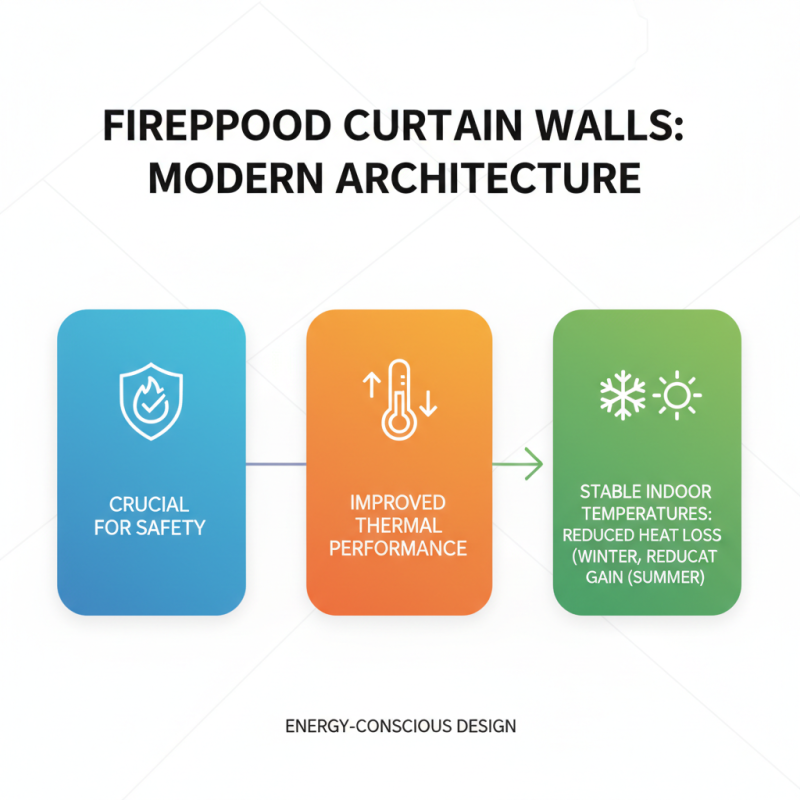
Fireproof curtain walls are increasingly crucial in modern architecture. New designs focus on improved thermal performance. These walls contain advanced materials that help maintain stable indoor temperatures. The insulation properties minimize heat loss in winter and reduce heat gain in summer. This dual functionality is appealing, especially in energy-conscious designs.
However, achieving optimal thermal performance can be complicated. Builders must consider factors like climate and building orientation. Poor installation can lead to gaps, undermining the system’s effectiveness. In some cases, costs may rise when choosing high-quality materials. Architects and builders must weigh the benefits against potential challenges.
The integration of fire-resistant materials also raises new questions. Are these materials ecologically friendly? While they offer safety, their long-term impact on the environment is still being debated. Balancing safety with environmental concerns can be tricky. Every detail matters in creating a successful fireproof curtain wall. Modern architecture demands innovation, but reflection on these elements is essential for sustainable success.
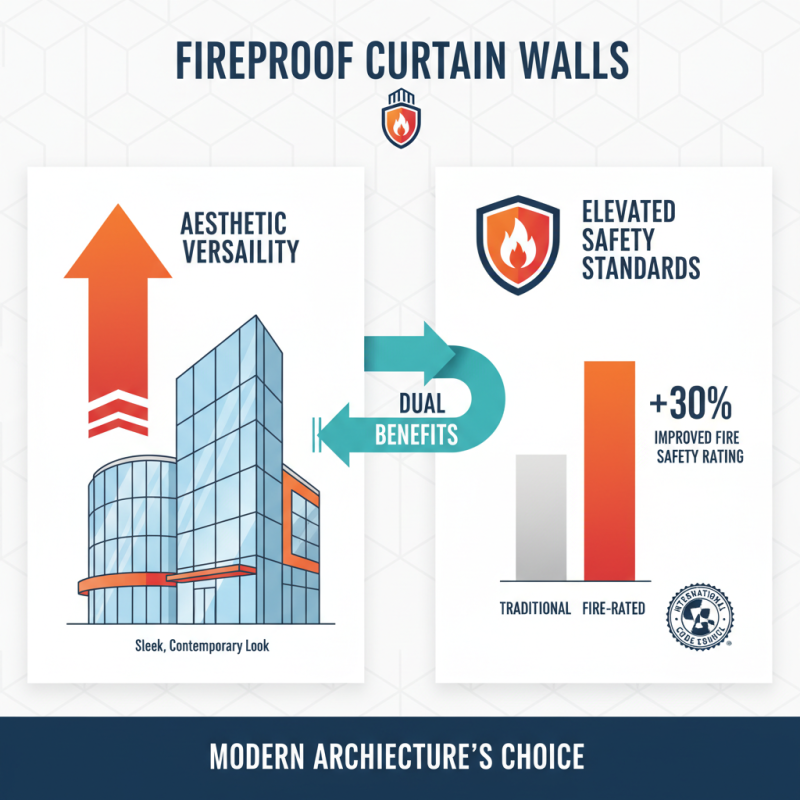
Fireproof curtain walls are rapidly gaining popularity in modern architecture due to their aesthetic versatility. These walls offer a sleek, contemporary look that complements various building styles. According to a report by the International Code Council, the use of fire-rated materials can improve a building's fire safety rating by up to 30%. This not only enhances visual appeal but also elevates safety standards significantly.
Incorporating fireproof curtain walls allows architects to explore diverse design possibilities. The glass and metal combinations create a seamless blend with the surrounding environment. Designers can experiment with shapes and colors, enabling them to convey unique architectural ideas. However, there’s an ongoing debate about the balance between functionality and aesthetics. Some argue that prioritizing style might compromise essential safety features.
Moreover, these materials provide opportunities for natural light to flood interior spaces. Well-lit areas enhance mood and productivity. Yet, lighting can also become an issue in cooler climates where excess heat is sometimes lost through glass surfaces. Finding the right balance remains a complex challenge, forcing architects to refine their designs continually.
Fireproof curtain walls offer significant cost-effectiveness for modern architecture. They act as shields against fire, safeguarding buildings and occupants. Investing in these walls reduces potential repair and replacement costs after a fire incident. Long-term savings in insurance premiums often follow their installation. This helps building owners to see fireproof curtain walls as a wise financial decision.
When considering installation, it’s vital to assess the overall design. Ensure that the walls align with both aesthetics and safety standards. Poor integration can lead to unforeseen expenses later. Regular maintenance is crucial too. Check for wear and tear. A well-maintained fireproof barrier can last significantly longer, adding to its value.
Tips: Always collaborate with experienced architects and engineers. They can guide material selection and design alignment. Remember to factor in local fire codes. This will prevent costly adjustments down the road. Be proactive about fire safety. The upfront investment can secure long-term savings and peace of mind.
| Benefit | Description | Long-Term Cost-Effectiveness |
|---|---|---|
| Fire Resistance | Provides essential protection against fire hazards, enhancing building safety. | Reduces potential costs from fire damage and enhances insurance prime. |
| Energy Efficiency | Insulates buildings effectively, reducing heating and cooling costs. | Saves money on energy bills over time. |
| Aesthetic Appeal | Enhances the architectural design by providing a sleek and modern look. | Increases property value through appealing design. |
| Durability | Resistant to weather, corrosion, and wear, ensuring longevity. | Lower maintenance and replacement costs contribute to savings. |
| Versatility | Can be customized for various building designs and requirements. | Suits a range of projects, reducing the need for multiple solutions. |
| Environmental Impact | Made from sustainable materials, reducing ecological footprints. | Potentially lowers costs for businesses in compliance with environmental regulations. |
| Improved Air Quality | Reduces air infiltration, enhancing indoor air quality. | Can lead to healthier environments, lowering healthcare costs. |
| Fire-Grade Options | Multiple fire-resistance ratings to meet various needs. | Offers flexibility in investment based on building codes and safety standards. |
| Customization | Tailorable solutions enhance functionality and aesthetics. | Reduction in overall project costs through better integration. |
| Compliance with Regulations | Meets local and national fire safety standards. | Avoids costly fines and renovations to meet compliance. |
Regulatory compliance is crucial in modern architecture. Fire safety standards play a vital role in the design of buildings. Fireproof curtain walls are integral to meeting these requirements. These walls prevent the spread of fire between compartments. They also protect structural integrity during emergencies.
Implementing fireproof materials can be challenging. Not all buildings have the same needs. Architects must carefully assess each project. Some materials may not meet local codes or safety standards. This may lead to potential risks if overlooked. Additionally, testing fireproof systems can be time-consuming and costly. Architects face pressure to balance costs with safety.
Beyond compliance, fireproof curtain walls enhance occupants' safety. They provide peace of mind knowing that risks are minimized. However, constantly updating knowledge on regulations is necessary. Architects must stay informed about changing codes. This responsibility can feel overwhelming, yet it is essential in creating safe environments. The stakes are high; it demands ongoing reflection and education.
This bar chart illustrates the top 10 benefits of using fireproof curtain walls in modern architecture, emphasizing regulatory compliance, fire safety, and additional structural advantages.