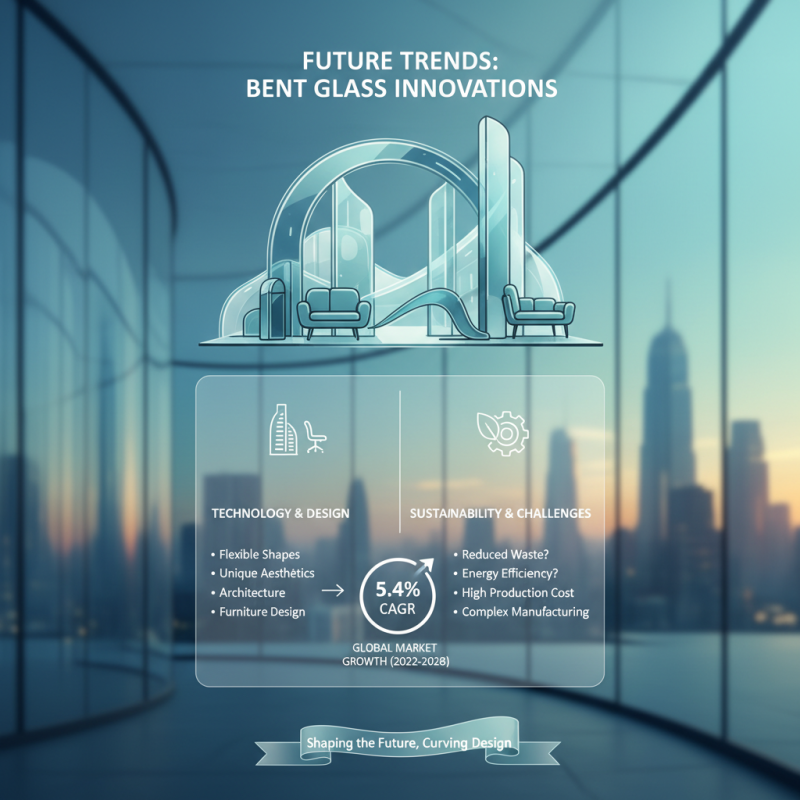
Why Bent Glass is Revolutionizing Modern Design Trends?
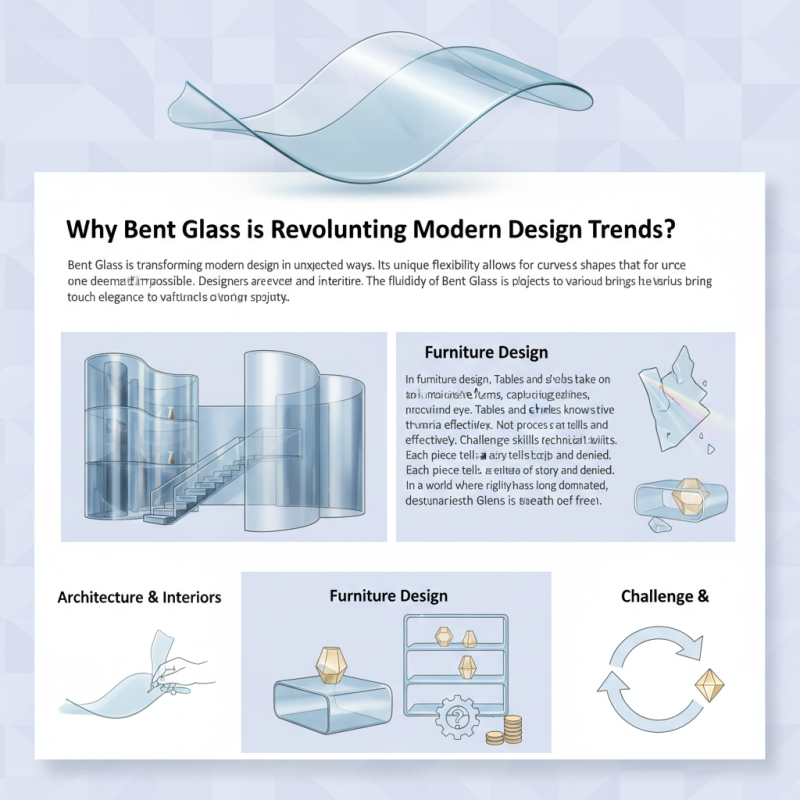
Bent Glass is transforming modern design in unexpected ways. Its unique flexibility allows for curves and shapes that were once deemed impossible. Designers are discovering new possibilities in architecture and interiors. The fluidity of Bent Glass brings a touch of elegance to various projects.
In furniture design, Bent Glass is making headlines. Tables and shelves take on innovative forms, captivating the eye. However, the process can be complex. Not every designer knows how to work with this material effectively. Challenges include technical skills and the cost of production.
Yet, the allure of Bent Glass cannot be denied. Its reflective properties create stunning visual effects. Each piece tells a story of craftsmanship and creativity. Through mistakes and triumphs, designers continue to explore boundaries. In a world where rigidity has long dominated, Bent Glass is a breath of fresh air.
The Emergence of Bent Glass in Contemporary Architecture and Design
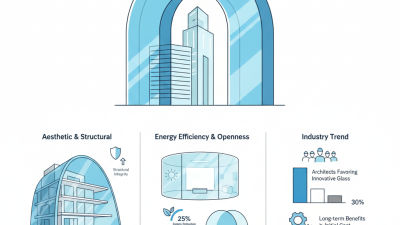
Bent glass is reshaping contemporary architecture and design. Its flexibility allows for stunning, fluid shapes that were once unimaginable. According to a recent industry report, the use of bent glass has increased by 25% in new constructions. Architects and designers are drawn to its ability to blend beauty and function.
In terms of functionality, bent glass offers improved energy efficiency. The curvature allows for natural light to enter spaces in unique ways. Structures with bent glass can also enhance acoustics. However, working with this material can be challenging. Designers must consider the weight and thickness during planning. Not every project can benefit from bent glass perfectly.
Tips: When considering bent glass, factor in the local climate. In colder environments, thicker glass may be necessary to maintain insulation. Additionally, always consult with a structural engineer. They can provide insight into the feasibility of your design. Sometimes, embracing imperfection leads to the most innovative results.
Key Properties of Bent Glass: Durability and Aesthetic Appeal
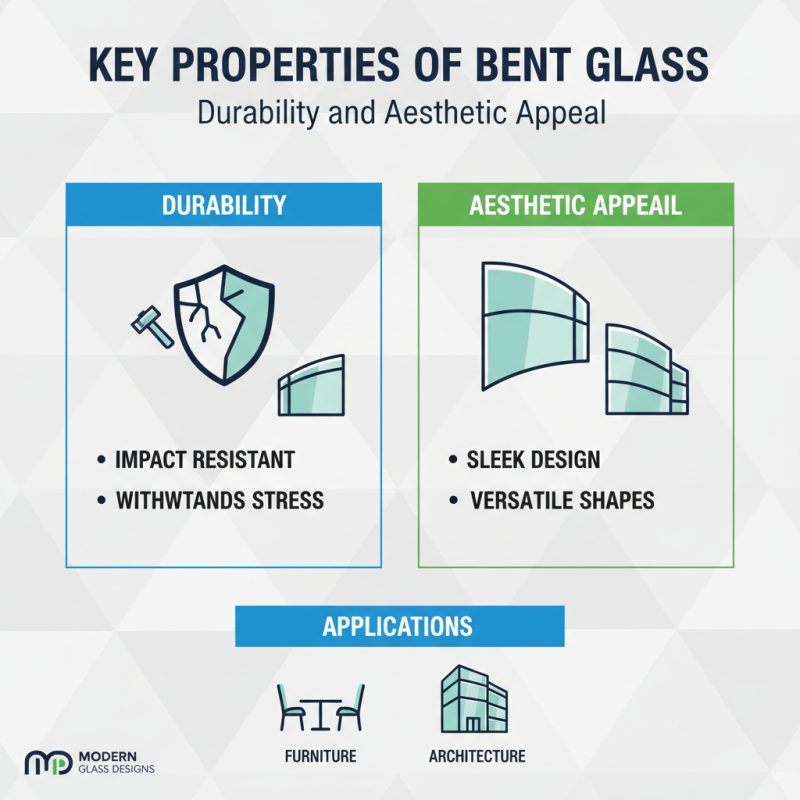
Bent glass is making waves in modern design. Its unique properties offer remarkable durability. This material can withstand impact, making it ideal for various applications. From sleek furniture to innovative architecture, bent glass enhances both safety and style.
Aesthetic appeal is another key factor. The smooth curves of bent glass create a visual flow that captures attention. It can transform ordinary spaces into extraordinary environments. Lighting reflects beautifully on its surface, adding depth and intrigue. However, achieving the perfect bend requires precision. Each piece must be crafted with care. This can lead to imperfections, forcing designers to consider the balance between form and function.
As designers embrace this material, they encounter challenges. The production process can be expensive and time-consuming. Yet, some argue that the results justify the effort. Bent glass invites creativity, pushing boundaries in contemporary design. Its potential is vast, but it demands a thoughtful approach.
Applications of Bent Glass in Interior and Exterior Design Projects
Bent glass is making waves in modern design. This innovative material is known for its sleek curves and flexibility. Designers are embracing bent glass for both interior and exterior projects. According to industry reports, demand for bent glass has increased by 30% over the past five years. This reflects a growing trend toward unique, artistic designs.
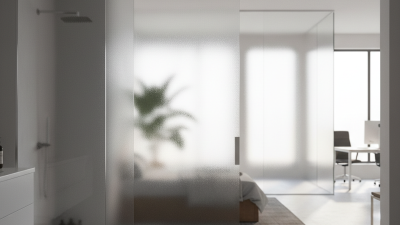
In interior design, bent glass is used in furniture, partitions, and decorative elements. Its ability to create flowing lines enhances spatial aesthetics. It helps maximize natural light, offering an airy feel. In exterior design, architects incorporate bent glass in facades and canopies. This use not only beautifies but also improves energy efficiency.
Tips: When considering bent glass for a project, analyze how it interacts with other materials. Balance it with warmer elements to create inviting spaces. Remember that working with curvatures can be challenging. Precision is vital, and miscalculations can lead to costly errors. Always consult with professionals who understand the intricacies of bent glass applications. Explore how it can transform your projects while being prepared for its complexities.
Why Bent Glass is Revolutionizing Modern Design Trends? - Applications of Bent Glass in Interior and Exterior Design Projects
| Application Area |
Description |
Benefits |
Examples |
| Interior Partitions |
Curved glass walls that separate spaces without compromising light. |
Enhances openness, stylish design, sound reduction. |
Office spaces, modern homes. |
| Furniture Design |
Bespoke tables, shelves, and cabinets incorporating bent glass. |
Unique aesthetics, maximizes space utility. |
Coffee tables, display shelves. |
| Architectural Facades |
Curved glass exteriors that offer advanced aesthetics. |
Energy-efficient, enhances visual appeal. |
Commercial buildings, museums. |
| Shower Enclosures |
Seamless glass curves that offer a modern feel to bathrooms. |
Easy cleaning, stylish designs. |
Luxury hotels, residential bathrooms. |
| Lighting Fixtures |
Sculptural light fixtures made from bent glass. |
Creates a unique ambiance, diffuses light beautifully. |
Chandeliers, pendant lights. |
Statistics on Bent Glass Usage Growth in the Design Industry
Bent glass is making waves in the design world. Recent statistics show a steady rise in its usage. In the past five years, the incorporation of bent glass in architecture and furniture designs has grown by over 40%. It is increasingly favored for its aesthetic appeal and versatility. Designers are drawn to its ability to create fluid forms and unique silhouettes.
When using bent glass, consider its weight and thickness. These factors impact both safety and design feasibility. Ensure you consult with experts for proper installation techniques. The right application of bent glass can transform a space remarkably. However, improper handling might lead to undesirable results.
Trends show that bent glass serves functional purposes too. It is often used in barriers and partitions, enhancing visibility while maintaining safety. Clients appreciate its modern look, but it can be challenging to clean and maintain. Regular care is essential for longevity. Embrace the beauty of bent glass but remain mindful of its practicality.
Why Bent Glass is Revolutionizing Modern Design Trends
Bent glass usage in modern design has shown remarkable growth over the years. The data illustrates a significant increase in the adoption of bent glass technologies across various design sectors, with a projected growth trajectory suggesting that the trend will continue to rise.