2026 Best Curved Laminated Glass Options for Modern Architecture?
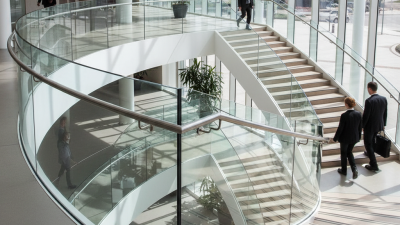
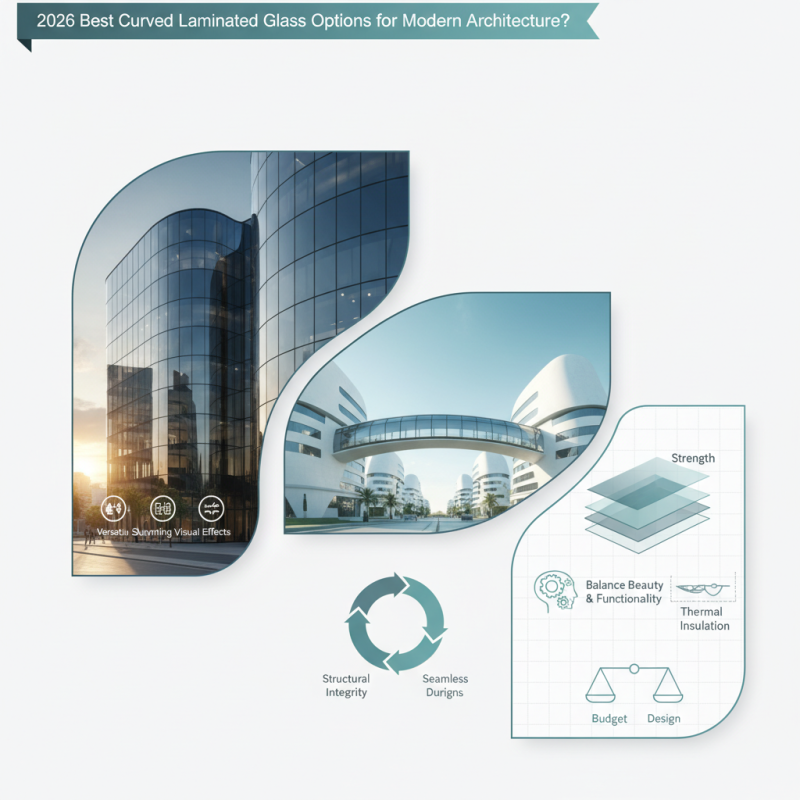
In the rapidly evolving world of modern architecture, Curved Laminated Glass stands out as a versatile choice. Its ability to create stunning visual effects while providing structural integrity makes it a popular option. This glass enables architects to explore innovative designs and seamless curves that traditional glass cannot achieve.
The aesthetic appeal of Curved Laminated Glass often captures the imagination. Buildings can transform into elegant sculptures that reflect light beautifully. However, achieving the desired curves requires precision and skill. The production process can be complex, and mistakes can lead to significant costs. Architects must carefully consider their designs to ensure they align with budget constraints and project expectations.
Choosing the right Curved Laminated Glass option is essential for any project. Some varieties may offer better strength or thermal insulation than others. Designers need to balance beauty and functionality. Ultimately, the decision-making process can be challenging. An insightful approach could lead to remarkable architectural feats, but it requires thoughtful reflection on the implications of each choice.
2026 Trends in Curved Laminated Glass for Architectural Design
Curved laminated glass is gaining popularity in modern architecture. In 2026, we see a rise in its use for creating dynamic spaces. Architects appreciate its ability to add flow and elegance to buildings. The gentle curves can transform a rigid structure into something more organic. It invites natural light and enhances aesthetic appeal.
New trends include innovative fabrication techniques. These methods allow for more complex shapes that were once tricky to achieve. The use of advanced technology enables precise customization. However, there's a learning curve for many architects. They must balance creativity with practicality. This sometimes leads to over-complicated designs that may not be functional.
Sustainability also plays a significant role. Using laminated glass can improve energy efficiency when designed properly. It acts as a barrier against noise and UV rays. Yet, some designs overlook potential issues with heat retention. This can affect the indoor climate. Architects must consider these factors carefully.
Key Advantages of Using Curved Laminated Glass in Modern Structures
Curved laminated glass offers a unique aesthetic for modern architecture. Its graceful lines and smooth surfaces create distinctive building designs. This material is not only about beauty; it provides significant advantages.
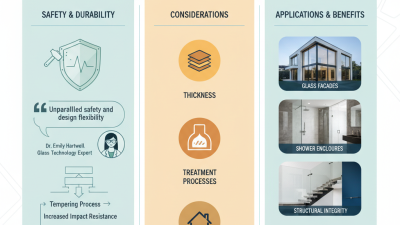
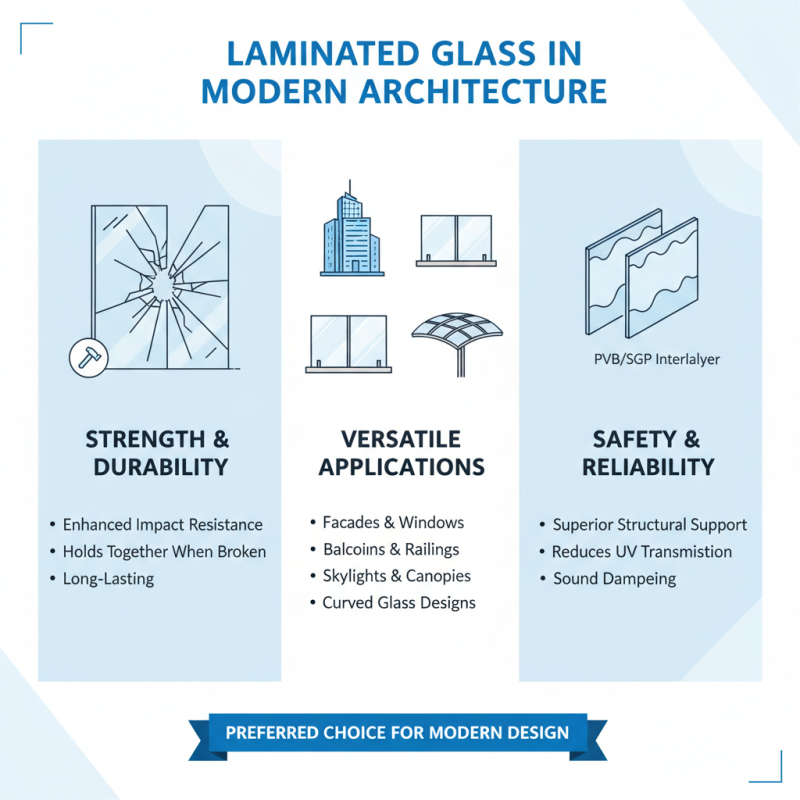
One key advantage is safety. Curved laminated glass can withstand impact better than standard glass. In case of breaking, it holds together, reducing injury risks. This is crucial for structures with heavy foot traffic. Buildings with high safety standards benefit greatly from this feature.
Another advantage lies in energy efficiency. Curved laminated glass can be treated for better thermal insulation. This reduces heating and cooling costs. Moreover, its design allows for more natural light, creating brighter spaces. Natural light improves mood and cuts down on electricity use.
Tips: Consider the environment where the glass will be used. Urban areas may require stronger options to withstand noise and vibration. Always consult professionals when planning your design. This ensures that the structural integrity and aesthetic goals align.
Environmental Impact: Sustainability of Curved Laminated Glass Materials
Curved laminated glass is gaining attention in modern architecture. Its aesthetic appeal is undeniable. However, the environmental implications deserve scrutiny. A report from the Department of Energy suggests that glass production is energy-intensive. It contributes around 10% of global industrial energy consumption. This highlights the need for sustainable materials.
Sustainability begins with sourcing. Most laminated glass uses polyvinyl butyral (PVB). Reports indicate that PVB is not biodegradable. After its life cycle, its disposal remains a challenge. Architects often overlook this when choosing materials. Innovation in recycling could alleviate some issues. Still, many facilities lack proper resources to recycle glass effectively.
Lifecycle assessments show that curved laminated glass can be efficient. Its thermal performance can reduce energy usage in buildings by up to 20%. This might lower the overall carbon footprint. Yet, concerns linger about the materials' origins and processing methods. The industry must address these shortcomings. It's crucial to push for transparency in sourcing and production, ensuring that aesthetics do not overshadow environmental responsibility.
Innovative Applications of Curved Laminated Glass in Urban Architecture
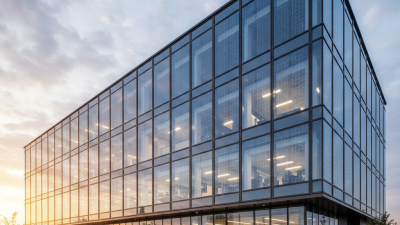
Curved laminated glass is transforming urban architecture. Its unique aesthetic appeal elevates modern buildings. This glass offers versatility and adaptability. Architects can create striking facades and interiors. In recent years, the demand for innovative building materials has surged. Curved laminated glass can enhance energy efficiency. It provides better thermal insulation compared to traditional glass.
Urban environments are increasingly embracing this material. A report by the Global Glass Industry forecasts a 7.5% annual growth in the laminated glass sector. This trend reflects a shift towards sustainable design. The use of curved laminated glass improves structural performance. It helps reduce noise pollution and increases safety. Urban planners appreciate its ability to amplify natural light.
However, the integration of curved glass poses challenges. Installation can be complex and costly. Not all architects have the necessary experience. Sometimes, the required precision can lead to higher rates of waste. Builders must account for these issues in their budgets and planning. Yet, the outcome often justifies the effort. Curved laminated glass can redefine skylines and uplift city aesthetics.