What is the Best Fire Proof Glass for Your Needs?
Fire Proof Glass is essential for modern building safety. In recent years, the demand for this material has increased significantly. According to a report by the International Fire Safety Association, the fire-rated glazing market is projected to grow by over 10% annually. This growth highlights the rising awareness of fire safety among architects and builders.
Expert James Anderson, a renowned fire safety engineer, emphasizes, "The right fire resistant glass can save lives." His insights underline the importance of selecting the appropriate fire proof glass for various applications. There are several types available, each suited to specific needs.
Choosing the best fire proof glass isn't simple. It's crucial to consider fire ratings, thickness, and design. Sometimes, even minor details can affect safety. Many still overlook these factors, leading to potentially dangerous situations. As buildings evolve, so must our approaches to fire safety. Taking the time to understand fire proof glass can make a significant difference in protecting lives and property.
What is Fire Proof Glass and How Does It Work?
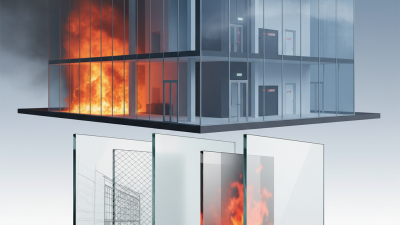
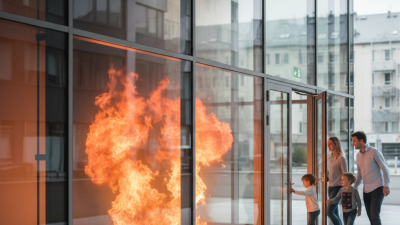
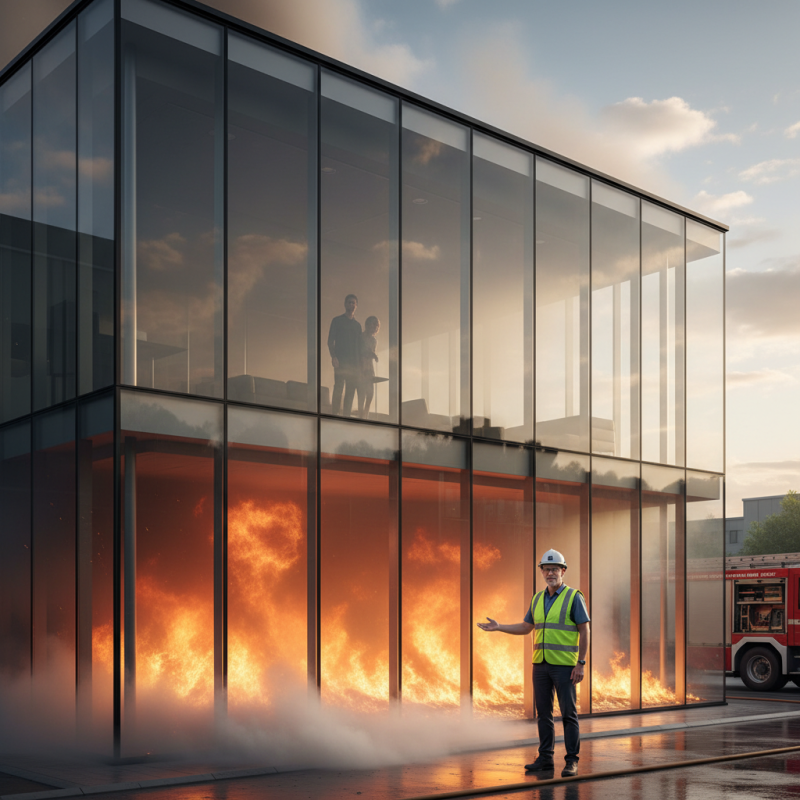
Fireproof glass is essential in fire prevention and safety. It is designed to withstand high temperatures and flames. This type of glass can protect lives and property by containing fires. But how does it work? Fireproof glass is made from several layers of materials. These layers are treated to resist heat.
When a fire occurs, the outer layer of the glass remains intact for a certain period. This helps to stop flames from spreading. Larger panes often consist of laminated glass, which is tougher. It may include an intumescent interlayer that expands when heated. This creates a barrier against smoke and flames.
Choosing the right fireproof glass requires understanding your specific needs. Different applications may require different specifications. Not all fireproof glass performs the same under extreme conditions. Reflect on your environment and the potential fire risks when selecting. It’s vital to consult with fire safety professionals for advice tailored to your situation. Your safety may depend on it.
Types of Fire Proof Glass Available in the Market
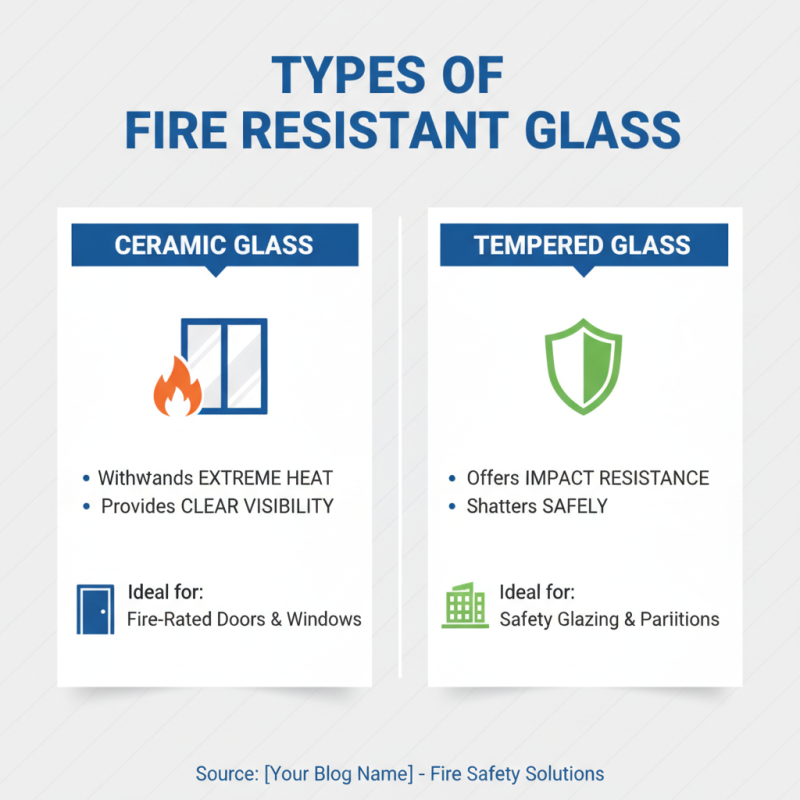
When selecting fireproof glass, it's essential to understand the types available. There are generally two main categories: ceramic and tempered glass. Each type serves unique needs in fire safety. Ceramic fireproof glass can withstand high temperatures and often offers excellent visibility. It's a popular choice for places requiring transparency, such as fire-rated doors.
Tempered glass is another option. This glass is treated to manage thermal stress. It's typically used in doors and windows in commercial settings. While it offers good fire resistance, it might not hold up as long as ceramic options in extreme heat. Both types can provide critical protection.
However, choosing the right glass can be confusing. Factors like location, application, and building codes must be considered. Installation quality is vital too. Poor connections may compromise safety. It's important to consult professionals who can analyze specific needs. Their insights can guide you in making informed choices. Take your time to evaluate all options. Each type has its pros and cons.
Factors to Consider When Choosing Fire Proof Glass
Choosing fire-proof glass requires careful consideration of several factors. The primary aspect is the glass rating, which indicates its fire resistance level. Glass is categorized based on how long it can withstand high temperatures while maintaining its structural integrity. Knowing these classifications helps in selecting the right option for specific applications.
Another significant factor is the intended use of the fire-proof glass. Different environments present unique challenges. For instance, safety glass is crucial in commercial settings, where human traffic is high. In residential areas, aesthetics may also matter. Evaluating both functionality and visual appeal is essential.
Installation is equally important. Fire-proof glass should be properly fitted to ensure maximum protection. An incorrect installation may compromise its effectiveness. Seek guidance from experts if needed. Lastly, remember that not all fire-proof glass is created equal. Evaluate options carefully, as some might not meet specific building codes. Reassessing your choices ensures safety without sacrificing quality or design.
Applications of Fire Proof Glass in Various Industries
Fire proof glass plays a crucial role across various industries. Its application can be seen in construction, transportation, and manufacturing. In commercial buildings, for instance, fire-rated glass is often used to create safe escape routes. Reports indicate that up to 60% of fire-related casualties occur in buildings lacking appropriate fire safety measures. Incorporating fire proof glass can reduce these risks significantly.
In transportation, fire proof glass is essential for vehicles, especially in public transportation. It helps to protect both passengers and drivers during emergencies. Data shows that buses equipped with fire-resistant materials have lower injury rates in case of fire incidents. Additionally, in manufacturing sectors handling flammable materials, such glass helps maintain a safer working environment. Fire proof glass partitions are often used in factories to contain fires.
Despite the benefits, not all fire proof glass is suitable for every situation. The choice of glass depends on specific needs like temperature resistance and impact resistance. Some may overlook these details, leading to potential safety hazards. It's essential to evaluate both the environment and the intended application correctly. Misjudging requirements can result in inadequate protection, emphasizing the need for expert consultation before selection.
What is the Best Fire Proof Glass for Your Needs? - Applications of Fire Proof Glass in Various Industries
| Industry |
Type of Fire Proof Glass |
Temperature Resistance (°C) |
Applications |
Standard Compliance |
| Construction |
Tempered Glass |
400 |
Fire rated doors and windows |
EN 1363 |
| Transportation |
Laminated Glass |
550 |
Fire resistant bus windows |
ISO 2685 |
| Hospitality |
Insulated Fire Glass |
600 |
Fire separation in restaurants |
BS 476 |
| Retail |
Ceramic Glass |
850 |
Display cases and safety barriers |
NFPA 80 |
| Industrial |
Fire Resistant Polycarbonate |
400 |
Protective barriers in factories |
UL 9 |
Maintenance and Care Tips for Fire Proof Glass
When selecting fireproof glass, maintenance is essential for its effective performance. Regularly inspect the glass for any cracks or damage. Even minor chips can compromise its integrity. Cleaning the glass requires specific techniques. Use a soft cloth and a mild detergent. Avoid harsh chemicals that can degrade the surface.
Temperature fluctuations can affect the lifespan of fireproof glass. Ensuring it is installed in a stable environment reduces stress and prolongs its durability. Over time, dirt and grime can build up, affecting visibility. Regular cleaning not only maintains appearance but also ensures safety during emergencies.
Sometimes, fireproof glass may need resealing. This action can prevent smoke and toxins from entering. If there are signs of wear, consult a professional for evaluation. Neglecting this might lead to significant risks. Maintaining fireproof glass is not just about aesthetics; it’s about protecting lives and property.
Understanding Fire Proof Glass Types and Their Maintenance