
Leave Your Message

7 Best Fireproof Curtain Wall Suppliers for Global Buyers

Choosing a Fireproof Curtain Wall supplier is not a search for one impressive product label. Buyers need to understand how the complete façade system performs, including its glass, framing, insulation, joints, and connections. Façade-engineering scholar Prof. Ulrich Knaack’s systems-based work points to a useful principle: evaluate the façade as an integrated assembly, not as a collection of isolated parts. That distinction matters.

A supplier’s documentation should identify the tested configuration and explain how proposed changes may affect its performance. Ask for applicable test reports, clear technical drawings, material specifications, and installation guidance. Check whether the evidence matches the project’s building type and design conditions; a result for one assembly does not automatically apply to another. Fire performance is only one part of the decision. Weather resistance, structural requirements, local availability, lead times, and after-sales support also deserve close review.

This guide compares seven suppliers for global buyers, focusing on evidence, product scope, and practical project support. A well-documented supplier can make coordination easier, from reviewing shop drawings to resolving questions about site installation. Still, no ranking can replace project-specific technical review. “Fireproof” can sound absolute, and that wording deserves scrutiny. Buyers should confirm what a product has actually been tested to do, under which conditions, and as part of which assembly. That small pause may prevent a costly assumption.
7 Best Fireproof Curtain Wall Suppliers for Global Buyers

What Fireproof Curtain Walls Are and How They Work

What Fireproof Curtain Walls Are and How They Work

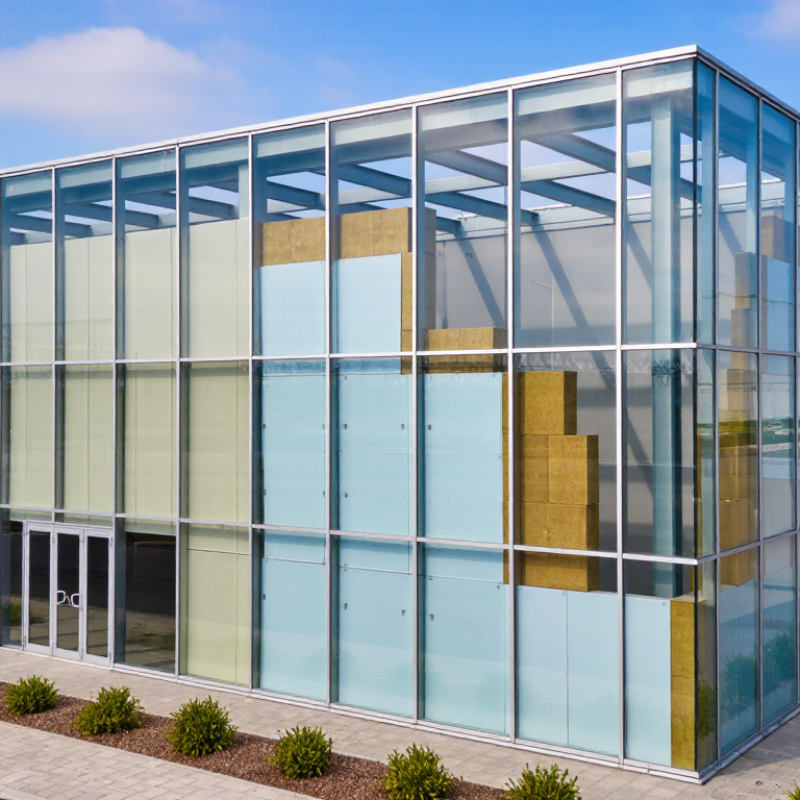
A fireproof curtain wall is a non-load-bearing exterior wall assembly designed to resist fire for a tested period. “Fireproof” can be misleading: no assembly withstands every fire indefinitely. These systems combine fire-rated glass, metal framing, seals, and sometimes insulated spandrel panels. Each component helps control flames, smoke, or heat.

Not ordinary drapes.

Fire-resistant glass may crack or turn opaque while remaining within its frame, depending on its design. Intumescent seals expand when heated, closing gaps around glazing and frame joints. Together, these features help the wall maintain its tested performance.

Installation details matter. A narrow gap at a slab edge can let fire and smoke bypass the curtain wall, so perimeter fire containment must match the tested assembly. Frames, glass thickness, seal types, anchors, and joint dimensions all affect performance; swapping one item may change the result.

That part is easy to underestimate. Project teams should check the assembly’s test documentation and ensure installers follow its details. Site conditions can differ from laboratory setups, and workmanship is not always perfect. Regular inspection helps identify damaged seals, loose components, or unapproved alterations before they undermine the intended protection.
Key Criteria for Evaluating Fireproof Curtain Wall Suppliers

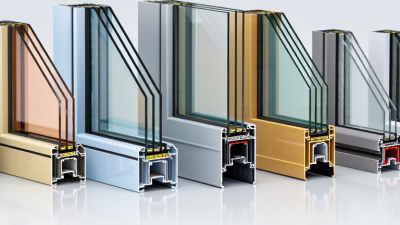
Choosing a fireproof curtain wall supplier requires more than comparing quoted prices. Ask for test reports that identify the exact assembly tested, including glass, framing, seals, anchors, and joint details. A report for one configuration may not cover another. Check that the proposed system matches your building design and project requirements. Clear documentation matters.

Review how the supplier controls manufacturing quality and tracks components from production to delivery. Request installation guidance, inspection records, and examples of completed projects with similar façade conditions. Ask who handles technical questions when site measurements change. A useful supplier explains limits plainly, not just strengths. Still, references and documents cannot replace careful project-specific review; I would verify critical details with the design team.

Tips: Compare written specifications side by side. Confirm lead times, replacement-part availability, and support during installation. If possible, inspect a full-size mock-up. Look closely at corners, seals, and connections. Small details are easy to miss. A rushed review can leave expensive questions for the site team.

Seven Fireproof Curtain Wall Suppliers Serving Global Buyers

Global buyers can compare seven kinds of fire-rated curtain wall suppliers: integrated façade manufacturers, specialist fire-rated glazing producers, aluminum-system fabricators, steel-frame contractors, regional engineering firms, export-focused project suppliers, and testing-led manufacturers. Each offers a different balance of design support, production capacity, and site coordination. The right fit depends on the building, local climate, shipping route, and project team.

Integrated manufacturers may coordinate frames, glass, and installation details. Glazing specialists can explain pane build-ups and tested configurations. Aluminum fabricators often focus on profiles and thermal breaks, while steel contractors may suit larger spans. Regional engineers can adapt details to local conditions. Export suppliers may help with packing and documentation. Testing-led producers can provide reports for specific assemblies. Details matter.

Ask for test reports that match the proposed glass, frame, seals, and fixing method; a rating for one assembly may not apply to another. Confirm production lead times, replacement-part access, and who supports installation questions across time zones. A brochure can look reassuring. Not always. Review drawings and installation instructions with the project’s façade and fire-safety professionals, and clarify what evidence is still missing before procurement.

Comparing Certifications, Products, and International Project Support

Choosing among the 7 best fireproof curtain wall suppliers means comparing tested assemblies, not just product brochures.

No curtain wall is simply fireproof.

Ask whether test evidence covers the proposed glass, framing, anchors, spandrel zone, and perimeter fire barrier as one buildable system. Reports should identify the test method, duration, specimen configuration, and permitted variations. For global projects, check whether documentation aligns with the project’s required standards, such as ASTM E2307 or EN 1364-3, rather than assuming certificates transfer across regions.

Evidence matters.

The National Fire Protection Association’s Fire Loss in the United States During 2023 report estimated 1.39 million fires and $23.2 billion in direct property damage. That figure is not specific to curtain walls, but it shows why credible fire-performance records deserve scrutiny.

Compare suppliers’ traceable test reports, quality-control procedures, and access to technical support during design and installation. Can their engineers review shop drawings, answer site questions across time zones, and explain how tested details change at corners or floor slabs?

A certificate alone is not enough.

Ask for project references with similar heights, climates, and façade geometry. Also check lead times, replacement-part access, and translated installation guidance.

Small details.

Even strong test data can leave gaps when the built assembly differs from the specimen. Teams should record those differences and seek qualified project-specific review before approval.

How to Select a Supplier for Your Project and Market

Selecting a fire-resistant curtain wall supplier starts with the project’s actual performance needs. Ask for test reports covering the complete wall assembly, not just glass or panels. Frames, seals, anchors, and installation details can affect results. Check whether the evidence applies to the required dimensions and configuration. A report for a small sample may not represent a tall façade with different joints. Details matter.

Match the supplier’s technical support to your market. Confirm that its documentation can be reviewed against local building and fire-safety requirements by your project team. Request material specifications, installation guidance, quality-control records, and clear warranty terms. Ask who will answer site questions when a shipment arrives with a damaged frame. Response time matters. Check production capacity, packaging, delivery routes, and spare-part availability, especially for remote projects. A low quote can hide costs in testing gaps, redesign, or delayed replacements. I would still verify every claim independently; supplier brochures are not enough. For a fair comparison, send each candidate the same drawings, performance targets, and delivery schedule. Then assess both technical fit and practical support.