10 Best Mirror Wall Ideas to Transform Your Space
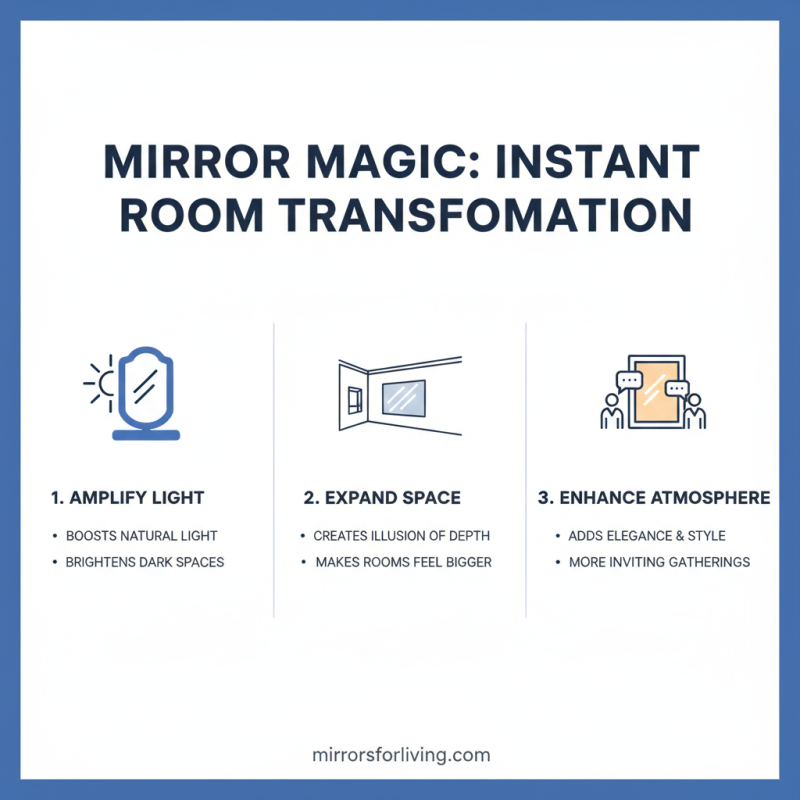
Incorporating a Mirror Wall into your home can dramatically impact your space. According to a recent industry report, strategic use of mirrors can create an illusion of additional space in smaller rooms. This has become increasingly popular among homeowners aiming to maximize their living area.
A well-placed Mirror Wall reflects light, enhancing the brightness of the room. This can lead to reduced reliance on artificial lighting, making your home more eco-friendly. Statistics show that homes with thoughtful design choices like mirror walls have higher resale values, appealing to potential buyers. Yet, achieving the perfect balance with mirrors requires careful consideration.
It's easy to overdo it; too many mirrors can confuse the eye. Reflections may distort if not positioned wisely, potentially creating a chaotic atmosphere. Reflecting on these aspects is crucial. A successful Mirror Wall should complement your décor while maintaining harmony throughout the space.
Creative Uses of Mirrors to Enhance Home Decor
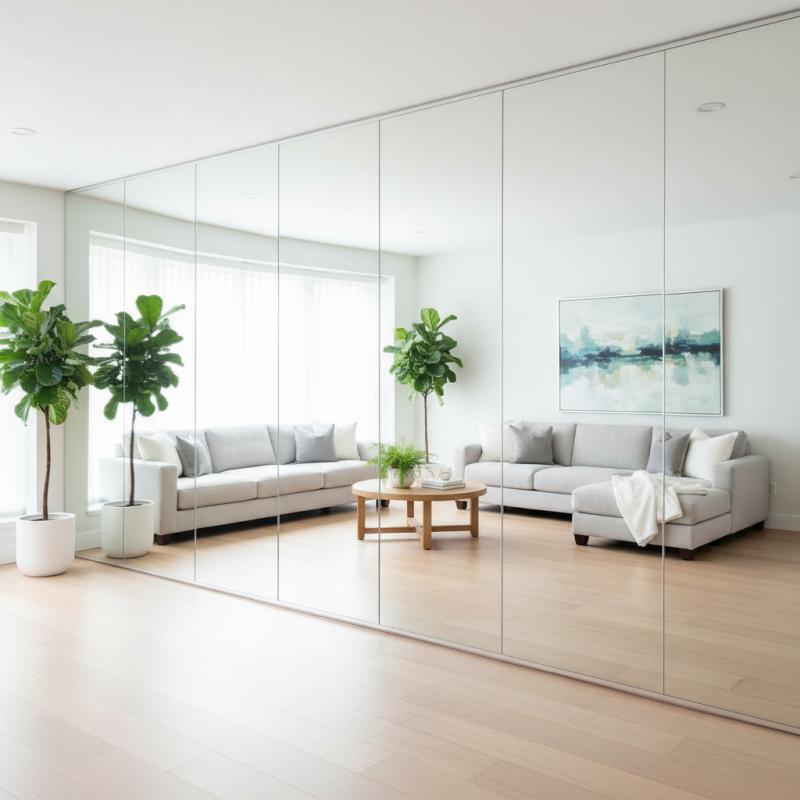
Mirrors can dramatically change a room's atmosphere. They reflect light, creating a sense of spaciousness. For example, a large mirror on a living room wall can make the area feel larger. This illusion can be enticing, making any gathering more inviting.
Using mirrors in unexpected ways is also captivating. A series of small, shaped mirrors can form art on a feature wall. This adds character and draws attention without overwhelming the space. Another creative approach is to use mirrors as a backdrop for shelves. This can enhance displays and make items appear more prominent.
It’s important to consider the placement of mirrors thoughtfully. A poorly positioned mirror may reflect clutter instead of beauty. Experimenting with different angles can lead to a more pleasing effect. Take time to reflect on how each mirror choice impacts the room's feel. It’s about more than decoration; it's about creating an environment that feels right.
Strategic Placement of Mirrors for Spacious Illusions
Mirrors can work wonders in any room. Their strategic placement can create an illusion of depth and spaciousness. Consider positioning a large mirror across from a window. This setup allows natural light to bounce throughout the space. The reflection makes the room feel more open. It’s a simple yet effective trick.
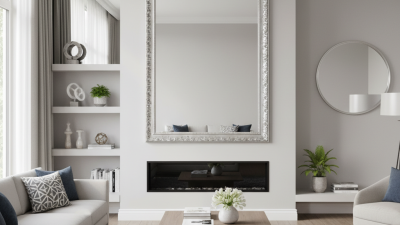
Don’t be afraid to mix shapes and sizes. A variety of mirrors can add character. Try an oversized round mirror above a fireplace. Pair it with smaller, geometric mirrors on the adjacent wall. This arrangement creates visual interest and draws the eye around the room. However, be mindful of the flow. Cluttered wall space can defeat the purpose of spaciousness.
Sometimes, less is more. A single, well-placed mirror can make a bold statement. Reflective surfaces can also alter the perception of color. A dark room may feel lighter with the right mirror. Yet, poorly placed mirrors can confuse the layout. It’s essential to step back and assess before making a permanent change. Trust your instinct, but also embrace the learning process.
Framed Mirror Options for Style and Sophistication
Framed mirrors can elevate any room's aesthetic. They serve dual purposes: functionality and decoration. A unique frame can reflect your style while adding depth to your space. Consider various materials like wood, metal, or even wicker. Each material brings a different vibe.
Imagine a rustic wood frame in a cozy living room. It adds warmth and character. Conversely, sleek metallic frames work well in modern spaces. They can create a sense of elegance without overwhelming the room. The key is to choose a frame that resonates with your personal taste.
However, achieving balance is crucial. A large mirror can dominate a small space, so think about proportions. Sometimes, less is more. A minimalist frame can be just as striking as an ornate one. Take time to find the perfect fit for your space. Reflect on your choices—do they truly enhance the atmosphere?
DIY Mirror Wall Ideas for Personal Touch and Customization
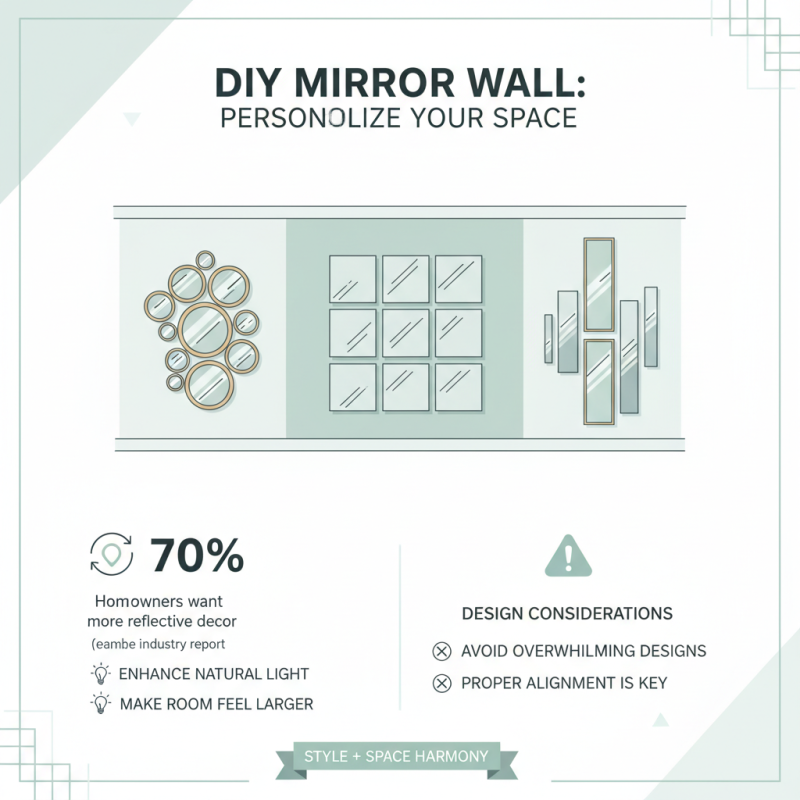
Creating a DIY mirror wall can truly personalize your space, transforming simple rooms into stylish retreats. According to a recent industry report, around 70% of homeowners are looking to incorporate more reflective surfaces in their decor. Mirrors can enhance natural light and make a room feel larger. However, not every design idea fits every space. Some might find their wall mirrors overwhelming or misaligned.
To achieve the perfect look, consider your wall's dimensions and the existing color scheme. Simple shapes like circles or squares can be a strong choice. There’s beauty in imperfection, too; asymmetrical arrangements can create visual interest and a casual vibe. Customizing your mirror wall with varied frame styles adds depth and character.
Professional designers recommend sourcing mirrors from local thrift stores or flea markets. This not only supports local businesses but also encourages unique finds. Be mindful, though; mismatched styles can clash if not thoughtfully selected. Taking time to curate pieces ensures your mirror wall feels cohesive. Personal touches, such as adding artwork or greenery around the mirrors, make your design truly unique.
Incorporating Mirrors into Various Room Themes and Styles
Mirrors can work wonders in interior design. They not only enhance aesthetics but also create an illusion of space. Recent studies show that using mirrors can increase perceived room size by up to 30%. This effect is particularly beneficial in small apartments or compact homes. Incorporating mirrors strategically can transform rooms into airy and inviting spaces.
For a modern aesthetic, try large, geometric mirrors in the living room. They reflect light beautifully and add a touch of elegance. In contrast, vintage mirrors can enhance a cozy, rustic theme for your dining area. The clash between old and new can spark interesting conversations. A bathroom adorned with smaller, decorative mirrors can combine functionality with visual appeal.
However, it’s essential to consider placement. Mirrors facing each other can create an overwhelming effect. This could lead to discomfort or distractions. Additionally, overusing mirrors in a room may risk a cluttered appearance. The key is to strike a balance, ensuring that mirrors complement rather than dominate your chosen theme. By thoughtfully integrating mirrors, you can enrich your living environment while also making unique design statements.