Best Smart Mirror Features for Global Buyers in 2026?
The emergence of the Smart Mirror market signifies a transformative shift in home technology. By 2026, this growing sector is projected to reach a market value of $3 billion, as reported by industry analysts. The integration of augmented reality and artificial intelligence into Smart Mirrors enhances user experiences across various applications, from personal grooming to fitness tracking.
Global buyers are increasingly drawn to features that offer convenience and interactivity. Data shows that 72% of consumers prioritize seamless connectivity with other smart devices. Additionally, personalization emerges as a key factor. Users appreciate Smart Mirrors that adapt to their preferences, creating a unique reflection of their needs and lifestyle.
However, challenges exist within this evolving market. Issues regarding privacy and data security are significant concerns for potential buyers. As Smart Mirrors collect sensitive information, manufacturers must address these vulnerabilities. The path to widespread adoption may hinge on building trust through transparency and robust security measures. Thus, the future of Smart Mirrors holds both promise and the need for careful consideration.
Best Smart Mirror Features for Global Buyers in 2026
As we approach 2026, smart mirrors continue to evolve. Global buyers look for advanced features that enhance everyday life. Customization is key. Users want mirrors that can integrate with home automation. The ability to adjust lighting based on the time of day is essential. This creates a more inviting atmosphere.
Consider the health features that are becoming popular. Many smart mirrors now include skin analysis technology. This can assess hydration and texture. However, the accuracy of these features can vary. Users should research reviews to understand each model's capabilities.
Tips for selecting a smart mirror include assessing connectivity options. Bluetooth and Wi-Fi capabilities are crucial for syncing with smartphones. Another point to ponder is aesthetics. Mirrors should blend with your decor, not stand out awkwardly. Be mindful of your space and how a smart mirror will fit in.
Evolution of Smart Mirrors: A Look Back at Recent Innovations
The evolution of smart mirrors has been remarkable over the last few years. Early models were simple, reflecting images while housing basic display features. Today, they have transformed into multifunctional devices. They connect to the internet, stream media, and even monitor personal health metrics. This shift reflects a broader trend towards integrating technology seamlessly into everyday life. Each innovation enhances user experience, yet some features still feel clunky.
Recent advancements have included touchscreens and voice command capabilities. Users can control various functionalities hands-free. However, not all smart mirrors deliver a smooth interaction. Glitches can disrupt the experience, leaving users frustrated. Maintaining software updates is crucial for stability and performance. Clear information about software support should be a priority for manufacturers.
Moreover, the feedback loop between users and developers remains imperfect. Many features might overlook specific user needs. Personalization options are often limited. As smart mirrors evolve, their design must address these shortcomings. The journey is ongoing, with the potential for even more innovative features in the future. Achieving a seamless blend between functionality and user-friendliness remains a challenge for the industry.
Essential Technology Integrations for Future Smart Mirrors
In 2026, smart mirrors will become essential in modern homes. They will integrate advanced technologies to enhance daily routines. As reported by the Smart Home Market Analysis, the global smart mirror market is expected to grow by 27% annually. This growth reflects a rising consumer demand for smarter, more connected devices.
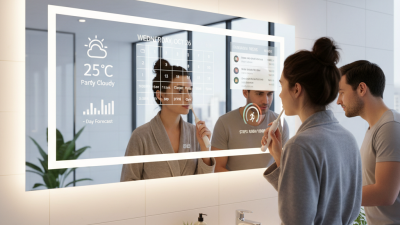
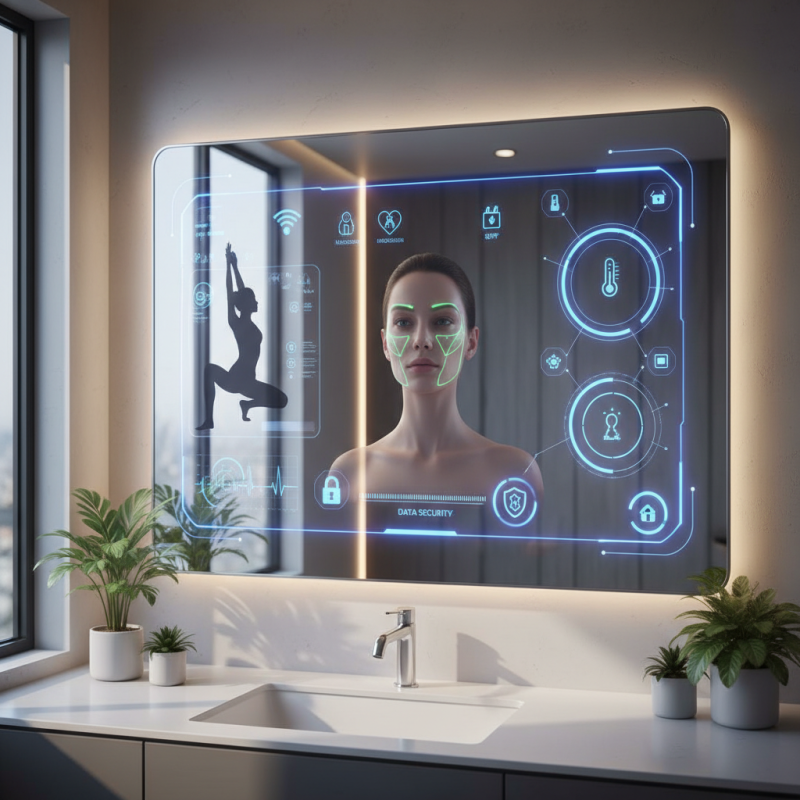
Key features will include voice control and AI-powered personal assistants. Users will benefit from real-time updates on weather, news, and traffic. Additionally, health monitoring capabilities will gain traction, allowing users to track vital statistics through in-built sensors. These functions bridge convenience and wellness.
Tip: Consider the placement of your smart mirror. Position it where natural light is abundant to enhance the display visibility.
Another crucial integration will be augmented reality. This technology can provide virtual try-ons for fashion and beauty products. It offers a unique shopping experience without leaving home. However, data privacy remains a concern. Many users worry about how their health and shopping data is stored.
Tip: Always review data privacy settings after purchasing your smart mirror. Awareness of how your data is used is vital in today's digital age.
Best Smart Mirror Features for Global Buyers in 2026
| Feature |
Description |
Integration Type |
User Benefits |
| Voice Control |
Allows users to interact with the mirror using voice commands. |
Voice Recognition |
Hands-free operation for convenience. |
| Health Monitoring |
Tracks vital health metrics like heart rate and BMI. |
IoT Sensors |
Promotes user health awareness. |
| Personalized Content |
Displays tailored news, weather, and social media updates. |
Smart Algorithms |
Keeps users informed and engaged. |
| Augmented Reality (AR) |
Allows virtual try-ons and styling. |
AR Technology |
Enhances shopping experience. |
| Smart Home Integration |
Syncs with other smart home devices for automation. |
Home Automation Systems |
Streamlines daily routines. |
User Interface and Experience Trends for Smart Mirrors in 2026
As smart mirrors gain traction globally, user interface (UI) and experience (UX) will be key in 2026. Reports indicate that the smart mirror market is projected to grow by over 25% annually. This growth emphasizes the necessity for intuitive designs that ensure a seamless user experience.
In the coming years, personalization will become critical. Users desire mirrors that adapt based on their preferences. For instance, smart mirrors could offer tailored news updates, reflections of daily tasks, or suggest skincare routines based on real-time skin analysis. Data suggests that 70% of consumers prefer devices that learn from their usage patterns. However, the challenge remains in balancing personalization with privacy concerns. Many users hesitate to share personal data, raising questions that manufacturers must address.
Moreover, voice control and gesture recognition are imperative features. In 2026, a significant portion of users will expect hands-free interactions. About 65% of tech users reported increased comfort with voice interfaces in 2023. While these systems promise convenience, they need ongoing improvements to recognize diverse accents and speech patterns. This inconsistency can lead to frustration and hinder the potential user experience. Achieving reliability in these technologies will be pivotal for gaining consumer trust in smart mirrors.
Sustainability and Energy Efficiency in Smart Mirror Design
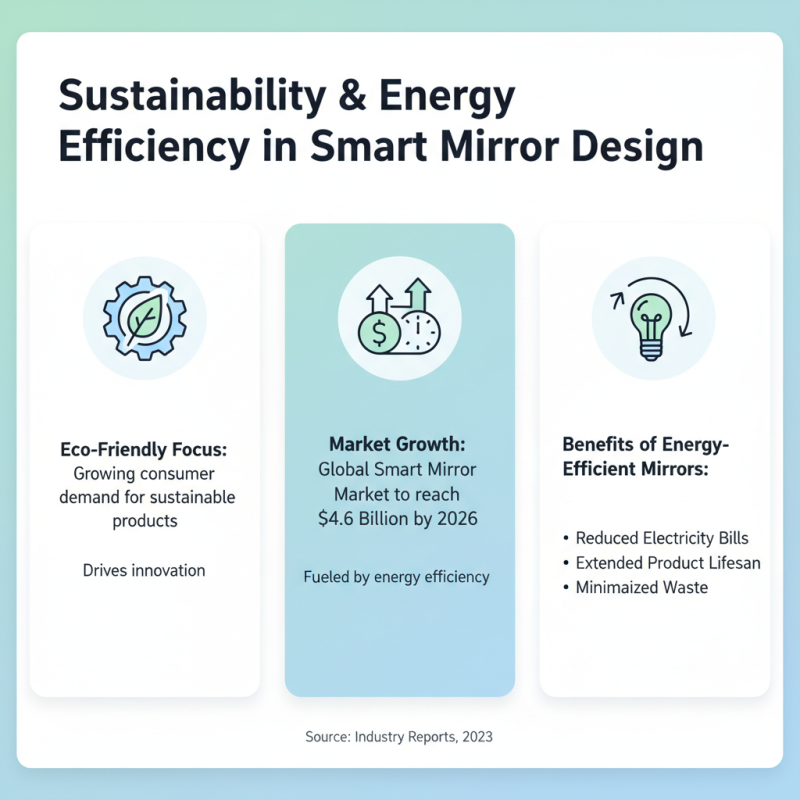
As smart mirrors evolve, sustainability plays a critical role in design. Recent reports indicate that the global smart mirror market is expected to reach $4.6 billion by 2026, driven by demand for energy-efficient products. Consumers increasingly prioritize eco-friendly features, which encourage manufacturers to innovate sustainably. Energy-efficient mirrors not only reduce electricity consumption but also extend product life, minimizing waste.
Designers focus on using sustainable materials like recycled glass and low-impact finishes. Research shows that products created with sustainable practices can reduce carbon footprints by up to 30%. Incorporating solar panel technology into smart mirrors further enhances energy efficiency, allowing users to harness renewable energy while enjoying advanced features. Smart mirrors with built-in lighting now utilize LED technology, which is up to 80% more efficient than traditional bulbs.
Tips: Consider smart mirrors made with recycled materials. Look for models with energy-saving certifications. Evaluate their features for energy consumption, ensuring you choose sustainable options that align with your values.
Conclusion
The article "Best Smart Mirror Features for Global Buyers in 2026" explores the evolving landscape of smart mirrors, highlighting recent innovations and essential technology integrations that are shaping their future. As users increasingly seek intuitive interfaces and enhanced experiences, 2026 is predicted to witness significant trends in user engagement and design aesthetics tailored specifically for consumer preferences.
Moreover, the piece emphasizes the growing importance of sustainability and energy efficiency in the development of smart mirrors. With heightened awareness of eco-friendly practices, manufacturers are expected to prioritize environmentally conscious materials and energy-saving technologies. Overall, predictions for the market trends suggest a dynamic shift in buyer preferences, signaling a promising future for smart mirrors as they become an integral part of modern living spaces.