2026 Best Toughened Glass Suppliers for Global Buyers?
In today's competitive market, sourcing high-quality Toughened Glass becomes crucial for builders and manufacturers. This material is favored for its durability and safety features. Toughened Glass undergoes a rigorous process to withstand immense pressure and thermal shock. This makes it ideal for various applications, such as facades, doors, and furniture.
Many global buyers face challenges when selecting reliable Toughened Glass suppliers. Transparency, quality assurance, and timely delivery are essential factors to consider. While some suppliers boast advanced technology, others may lack proven track records. This inconsistency can lead to unreliable partnerships.
Understanding the landscape of Toughened Glass suppliers in 2026 is vital. We aim to highlight top suppliers that embody expertise and reliability in their products. Choosing the right supplier requires careful evaluation. Buyers must reflect on their specific needs and prioritize quality over cost. Ultimately, the goal is to ensure safe and successful projects with premium Toughened Glass solutions.

Overview of Toughened Glass and Its Applications
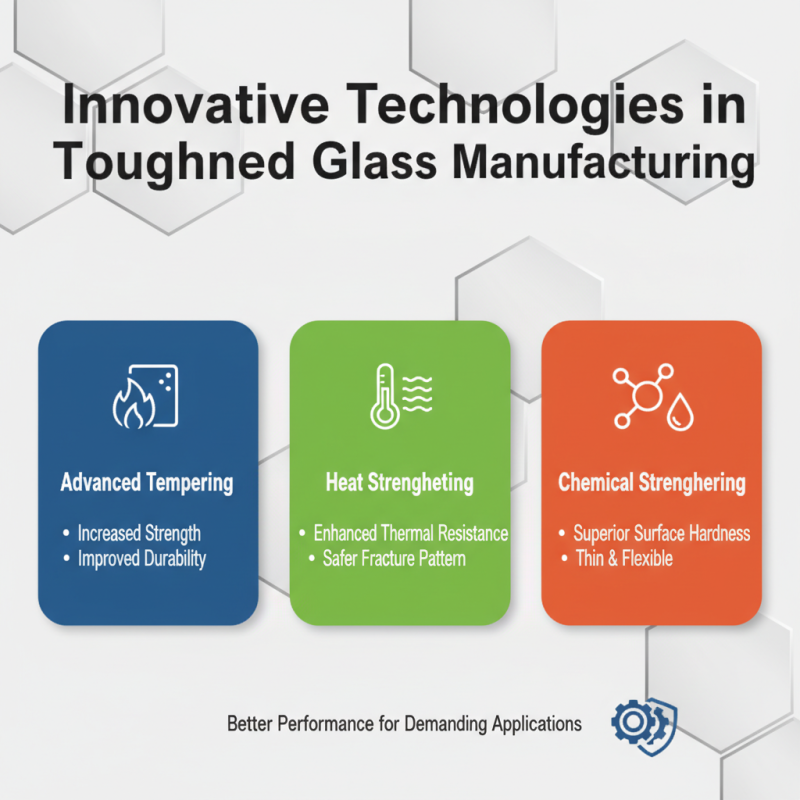
Toughened glass is a popular choice in various applications due to its safety features. This type of glass is processed by thermal or chemical treatments. As a result, it is much stronger than regular glass. Toughened glass can withstand higher temperatures and impacts. This makes it ideal for areas where safety is a priority, such as in buildings, furniture, and automotive industries.
For those looking to use toughened glass, consider these tips. Ensure proper installation to maximize its strength. An improperly installed panel may not perform as well. Choose the right thickness for your project. Thicker glass can provide better durability but may also be heavier and more expensive. Lastly, keep in mind that while toughened glass is strong, it can still shatter under extreme conditions.
Applications of toughened glass are vast. It is commonly used in facades, shower doors, and glass partitions. Its ability to break into small pieces ensures safety. Additionally, toughened glass is often used in high-traffic areas. However, remember that not all toughened glass is the same. Variations in production can affect quality. Always source your materials from reliable suppliers.
2026 Toughened Glass Production Volume by Region
Criteria for Selecting Top Toughened Glass Suppliers
When selecting toughened glass suppliers, several critical criteria must be considered.
Quality assurance is paramount. Look for suppliers with ISO certification,
which ensures adherence to international standards. A recent industry report indicates that suppliers meeting these standards have
lower defect rates, around 1-2%. This significantly enhances project reliability.
Next, evaluate the supplier's production capabilities. A strong supplier should display advanced technology in glass tempering.
Studies show that suppliers using automated processes can achieve more uniform thickness and clarity.
This is essential for safety and aesthetic appeal.
Talking to existing customers can provide insights into the supplier's consistency and service quality.
Finally, consider the geographical location of the supplier. Proximity can influence cost and delivery times. A 2022 analysis found
that suppliers located near project sites reduce lead times by up to 30%. However, it's crucial to balance cost with quality.
Sometimes, opting for a distant supplier with better materials may prove advantageous in the long run.
This decision highlights the necessity of thorough research and continuous
evaluation of potential suppliers.
Leading Toughened Glass Suppliers with Global Reach
When looking for toughened glass suppliers, buyers prioritize quality and reliability. Toughened glass is essential for various applications, including construction, automotive, and interior design. Suppliers with a global reach understand diverse market needs, ensuring they deliver products that meet international standards.
These suppliers often showcase their expertise through rigorous testing and certifications. Their commitment to quality ensures that the glass can withstand high temperatures and pressure. However, not every supplier maintains these standards consistently. Some may prioritize cost over quality, affecting their reliability. Buyers should research supplier backgrounds and look for reviews or case studies to gauge their performance.
In a competitive market, effective communication is crucial. Suppliers who understand cultural nuances and regional regulations can better serve international clients. Building relationships based on trust and transparency is key. Yet, the challenge remains; not all suppliers can deliver on this front. Discrepancies in service levels can lead to misunderstandings, impacting project timelines and costs.
2026 Best Toughened Glass Suppliers for Global Buyers
| Supplier Location |
Production Capacity (tons/year) |
Manufacturing Standards |
Export Regions |
Certification |
| Asia |
500,000 |
ISO 9001, EN 12150 |
North America, Europe, Asia |
ISO, CE |
| Europe |
300,000 |
BSI, CE Mark |
Asia, Middle East |
ISO, EHS |
| North America |
800,000 |
ASTM, ANSI Z97.1 |
Global |
ISO, LEED |
| South America |
200,000 |
AS/NZS, ISO 9001 |
North America, Europe |
ISO |
| Africa |
150,000 |
ISO 9001, SANS |
Europe, Asia |
ISO |
Market Trends and Future Outlook for Toughened Glass Industry
The toughened glass industry is witnessing transformative trends driven by advancements in technology and changing consumer preferences. The global market is projected to reach approximately $70 billion by 2026, growing at a CAGR of about 6.5%. This growth can be attributed to the rising demand in the construction and automotive sectors. More builders are opting for toughened glass due to its superior safety features and energy efficiency.
Sustainability is significantly influencing industry momentum. Many manufacturers are exploring eco-friendly materials and processes. A report indicates that 45% of industry leaders prioritize sustainable practices.
However, challenges persist. The high costs of production and fluctuating raw material prices continue to concern suppliers. These factors may hinder growth and force companies to rethink their strategies.
Innovation plays a vital role in shaping the market. Companies are investing in R&D to enhance product performance and reduce costs. Their focus includes developing anti-reflective and self-cleaning glass. Yet, meeting these expectations requires substantial investment. Furthermore, regulatory hurdles often complicate the approval process for new products. The balance between innovation and compliance will be crucial for success in this evolving landscape.