The Best 10 Ways to Use Partition Glass in Modern Interior Design?
In the world of modern interior design, "Partition Glass" has emerged as a game-changer. Renowned interior designer, Emily White, emphasizes its transformative impact. She states, “Partition Glass redefines spaces while providing a seamless flow of light.” This innovative material offers a blend of functionality and aesthetics.
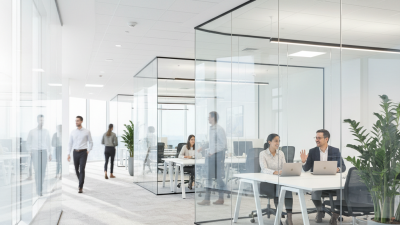
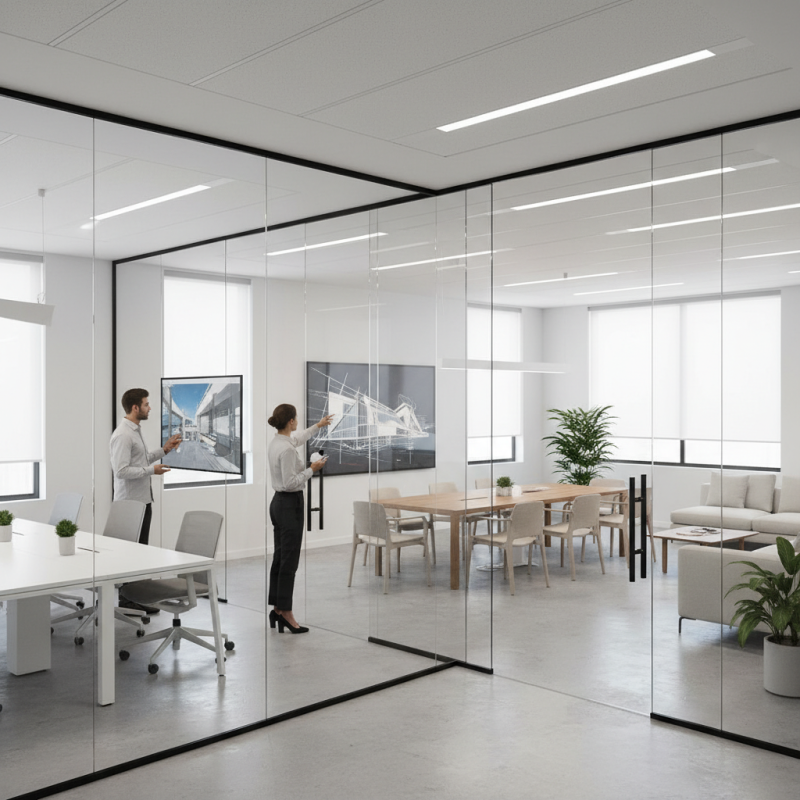
Using Partition Glass can create open environments. It enhances visibility and encourages interaction without sacrificing privacy. For instance, a clear glass partition in an office allows teamwork without barriers. Architects and designers alike appreciate its versatility. It’s suitable for homes, offices, and commercial spaces.
However, the use of Partition Glass presents challenges. Maintenance is crucial to prevent smudges and scratches. Moreover, selecting the right type of glass is essential for durability. Thinking through these aspects can elevate interior design projects while avoiding common pitfalls. The thoughtful incorporation of Partition Glass can truly define modern spaces, but attention to detail is key.
The Role of Partition Glass in Enhancing Natural Light in Interiors
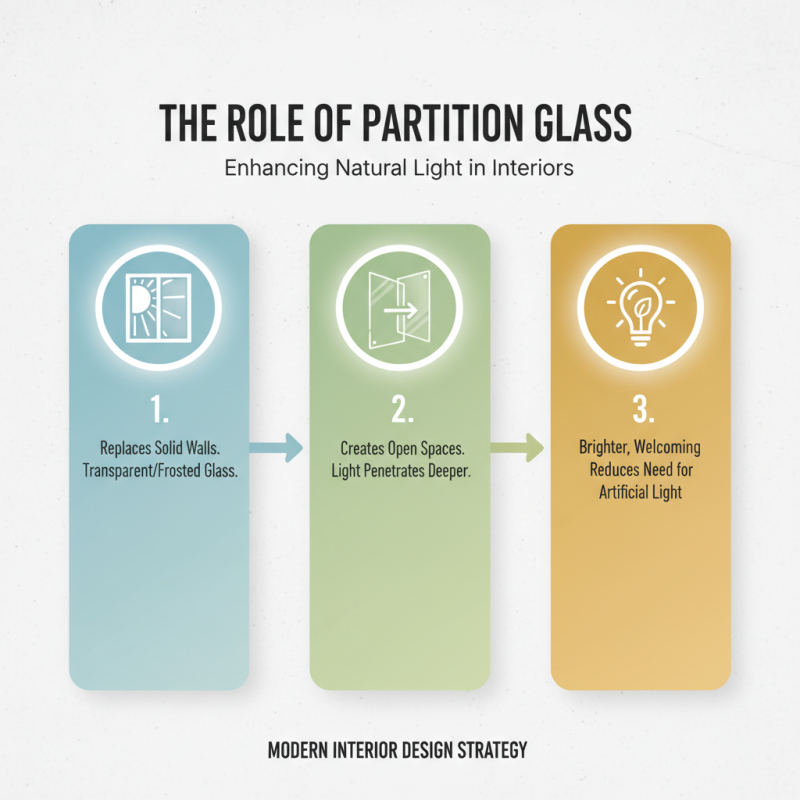
In modern interior design, partition glass serves a crucial role in enhancing natural light. By replacing solid walls with transparent or frosted glass, spaces feel more open. This design strategy allows daylight to penetrate deeper into interiors. As a result, areas that once felt cramped can become bright and inviting.
Consider a small office where partition glass creates distinct work zones. Natural light floods each space, reducing the need for artificial lighting during the day. This method also promotes a sense of connection among team members. However, the reflective nature of glass can sometimes lead to glare. This issue may require additional consideration in design planning.
Using partition glass effectively means balancing transparency and privacy. It can be challenging to find the right opacity to maintain a comfortable atmosphere. Some interactions may feel too exposed in entirely transparent settings. Thoughtful placement of furniture can help mitigate this. Ultimately, the key is to embrace the light while being mindful of the balance required for comfort.
Acoustic Benefits of Partition Glass for Modern Office Spaces
Partition glass has become increasingly popular in modern office design. One of its key advantages is its acoustic benefits. It can help manage noise levels in open-plan spaces. This feature is essential for maintaining focus and productivity. When designed correctly, partition glass can significantly reduce sound transmission between workspaces.
Here are some tips to enhance the acoustic performance of partition glass. First, consider using double-glazed options. This adds an extra layer of sound insulation. Depending on the thickness of the glass, you can achieve better sound dampening. Also, using non-reflective glass can help reduce echo and improve overall sound quality.
Another recommendation is to incorporate other sound-absorbing materials in the design. Soft surfaces, like upholstered furniture and acoustic panels, can work well alongside partition glass. However, be cautious—while glass offers an aesthetic appeal, it may require thoughtful placement. Incorrect positioning can lead to sound leakage, causing disturbances. Keeping these aspects in mind helps create a balanced environment.
The Acoustic Benefits of Partition Glass in Modern Office Spaces
Using Partition Glass to Create Flexible Work Environments
Partition glass has become a game-changer in modern interior design, especially in creating flexible work environments. These glass barriers foster collaboration while allowing for privacy when needed. The transparency of the glass ensures that natural light permeates throughout the space, making it feel open and airy. This can significantly enhance employee morale and productivity.
However, it's important to think carefully about the placement of partition glass. Thoughtless installation can lead to a sense of disconnection among team members. Reflection is key here; ensuring that spaces are both connected and separate is essential. Areas of the office may feel too open or, conversely, too closed off. It’s worth noting that acoustic treatment may be necessary too, as glass walls can amplify sound.
The versatility of partition glass extends beyond just functional use; it also enhances the aesthetic appeal of a workspace. Different tints and treatments create varying atmospheres. Still, overuse can make the space feel cold. Balancing glass partitions with warm textiles or greenery can help avoid this pitfall. Thoughtful integration can lead to a successful design that meets the dynamic needs of modern work environments.
The Best 10 Ways to Use Partition Glass in Modern Interior Design
| Use Case |
Description |
Benefits |
| Office Dividers |
Create separate workspaces without losing natural light. |
Improves focus and productivity. |
| Meeting Rooms |
Enclose meeting areas while maintaining an open feel. |
Encourages collaboration and communication. |
| Retail Spaces |
Divide sections in a store effectively without barriers. |
Enhances customer experience and visibility. |
| Home Offices |
Set apart work areas in a home environment. |
Creates a professional atmosphere. |
| Studios and Workshops |
Separate workstations while keeping the area airy. |
Promotes creativity and organization. |
| Hospitality Areas |
Use in cafes and restaurants to create cozy nooks. |
Increases customer comfort and privacy. |
| Educational Institutions |
Divide classrooms or labs for collaborative projects. |
Encourages interactive and engaging learning. |
| Health and Wellness Centers |
Create private areas for consultations or treatments. |
Enhances patient comfort and confidentiality. |
| Residential Interiors |
Use partition glass to create unique home layouts. |
Adds style and architectural interest. |
Design Trends: Partition Glass as a Statement Element in Homes
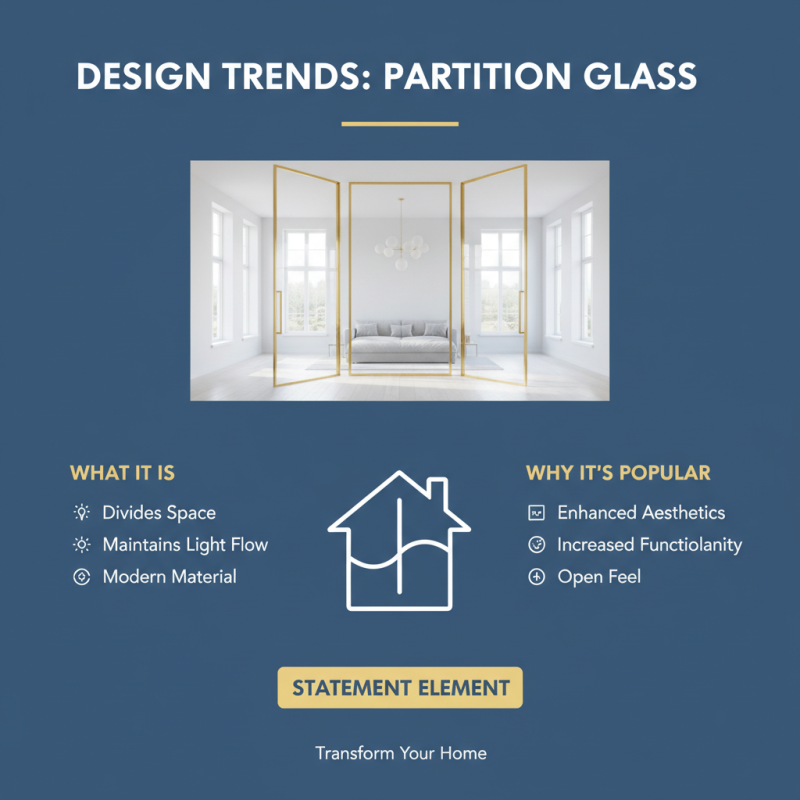
Partition glass is gaining popularity in modern interior design. This material provides a unique way to create distinct spaces without sacrificing light. Many homeowners are choosing partition glass to enhance their aesthetics and functionality.
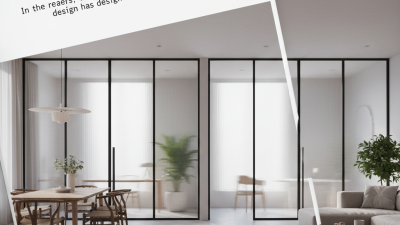
Using partition glass can transform an ordinary room into a stylish sanctuary. For example, a glass wall can separate a living area from a home office. This design choice allows for privacy while maintaining an airy feel. When paired with greenery, partition glass can emphasize natural elements, adding a refreshing vibe. However, it’s important to consider the maintenance. Fingerprints and smudges can detract from its beauty. Choosing high-quality glass with easy-clean coatings can help.
Another trend is using frosted glass for a softer look. This style provides the needed privacy without completely blocking light. It's often used in bedrooms or bathrooms. Yet, the effectiveness of frosted glass can depend on the room’s lighting. Too much brightness can make it lose its charm. Planning the right balance is key. Ultimately, partition glass can serve as a bold statement that invites creativity and reflection in modern home design.
Sustainability Considerations: Eco-Friendly Options for Partition Glass
Partition glass is gaining popularity in modern interior design, especially with rising concerns about sustainability. Many designers now explore eco-friendly options that minimize environmental impact. According to the Green Building Council, sustainable building practices can reduce energy use by 30% to 50%. This statistic highlights the importance of choosing materials that contribute positively to our planet.
Recycled glass is an excellent alternative for partitioning. It offers aesthetic appeal while significantly reducing landfill waste. Reports indicate that producing recycled glass consumes about
30% less energy than manufacturing new glass. This is vital in a time where energy conservation is paramount. Moreover, installing partition glass can improve natural light flow. Increased daylight can reduce reliance on artificial lighting, further enhancing energy efficiency.
There are challenges to consider. Not all recycled glass is suitable for structural use, leading to potential safety issues. Additionally, while manufacturing processes are improving, the carbon footprint of glass production still poses concerns. Staying informed about advancements in materials and sourcing practices is crucial for designers committed to sustainable choices. Awareness and continued learning will promote better decisions in the evolving landscape of interior design.