How to Choose the Best Fireproof Curtain Wall for Your Building Safety
In the realm of architectural safety, the significance of fire-resistant materials cannot be overstated. The implementation of Fireproof Curtain Walls has emerged as a critical strategy in safeguarding buildings against potential fire hazards. According to a report by the National Fire Protection Association (NFPA), structural fire safety systems, including curtain wall systems, play a vital role in preventing the spread of flames and smoke, which can reduce casualties and property damage. With an estimated 356,000 fires reported in the U.S. in 2020 alone, aligning with fire safety standards through effective material choices proves essential for architects and builders.
Selecting the right Fireproof Curtain Wall involves understanding key factors such as fire rating classifications, material durability, and installation techniques. Insights from the International Code Council (ICC) emphasize that buildings equipped with fire-rated curtain walls can provide enhanced resistance to fire, thereby offering occupants more time to evacuate safely. Furthermore, adherence to standards set forth by entities such as ASTM International ensures that these materials withstand extreme conditions, demonstrating their effectiveness in real-world scenarios. This makes it imperative for decision-makers to thoroughly evaluate options when planning for building safety, ensuring that their fire protection strategies are not only compliant but also optimized for performance.

Understanding Fireproof Curtain Walls and Their Importance
Fireproof curtain walls play a critical role in building safety by providing a barrier against fire and smoke spread. These specialized walls are designed to withstand high temperatures and prevent flames from penetrating, thereby protecting occupants and reducing damage to the property. Understanding the materials and construction of fireproof curtain walls is essential for architects and builders, as it directly impacts the overall safety of a structure. Key components often include non-combustible materials, fire-resistant glass, and advanced sealing techniques to ensure a tight fit that can withstand extreme conditions.
In addition to their protective qualities, fireproof curtain walls contribute to building longevity and compliance with safety regulations. By effectively containing fire, these walls help to compartmentalize a building, allowing for safer evacuation routes and reducing the potential for catastrophic loss. Properly designed fireproof curtain walls also enhance the aesthetic appeal of a building, as they can be integrated into modern architectural designs while maintaining functional safety features. Knowledge of fireproof curtain walls is vital for anyone involved in construction and design, as prioritizing fire safety is essential for safeguarding lives and property.
Key Factors to Consider When Selecting Fireproof Curtain Walls
When selecting fireproof curtain walls for your building, several key factors must be considered to ensure safety and compliance with regulations. First and foremost, the fire resistance rating of the curtain wall is crucial. This rating indicates how long the wall can withstand exposure to fire before it fails. Look for materials that meet or exceed the minimum requirements set by local building codes. Additionally, consider the wall's insulation properties, as these can significantly impact its effectiveness in containing flames and heat.
Another important aspect to evaluate is the design and installation of the fireproof curtain wall. Proper installation can greatly enhance the wall's performance. Engaging professionals with experience in fire-rated assemblies will ensure that all components work harmonially. Furthermore, assess how the curtain wall interacts with other building systems. Integration with fire protection systems like sprinklers can provide an additional safety layer.
Tips: Always request documentation of fire tests and certifications from your suppliers. This will help verify that the curtain walls meet safety standards. Additionally, consider the maintenance requirements; a well-maintained curtain wall is critical to its long-term efficacy in fire scenarios. Regular inspections and timely repairs can make all the difference in maintaining building safety.
How to Choose the Best Fireproof Curtain Wall for Your Building Safety
| Factor |
Importance Level |
Material Types |
Fire Rating |
Cost Range (per sq ft) |
| Thermal Performance |
High |
Glass, Steel, Composite |
1-2 hours |
$15 - $30 |
| Aesthetic Value |
Medium |
Aluminum, Glass |
1 hour |
$20 - $40 |
| Installation Time |
Medium |
Steel, Fiberglass |
1-3 hours |
$10 - $25 |
| Maintenance Requirements |
High |
Glass, Composite |
1-2 hours |
$15 - $35 |
| Regulatory Compliance |
Critical |
All types |
2-4 hours |
Varies |
Materials and Design Options for Fireproof Curtain Walls
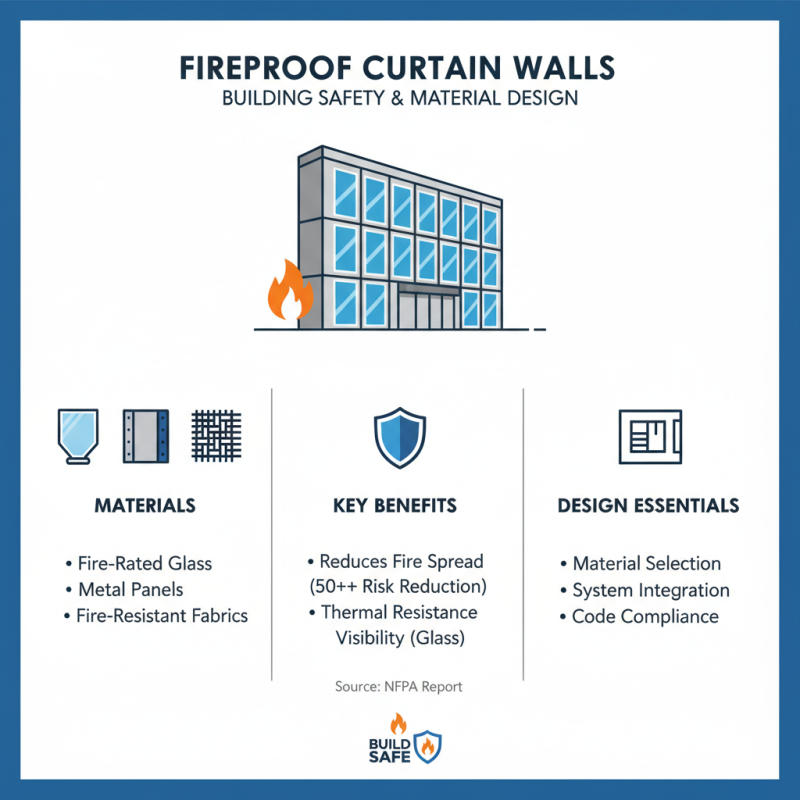
When selecting fireproof curtain walls for building safety, understanding material options and design is essential. Fireproof curtain walls are typically constructed from materials such as glass, metal, and specialized fire-resistant fabrics. According to a report by the National Fire Protection Association (NFPA), buildings equipped with fire-resistive materials can significantly reduce potential fire spread, potentially lowering risk percentages by over 50%. Fire-rated glass, for example, not only offers visibility but also provides excellent thermal resistance, making it a suitable choice in modern architecture.
In terms of design, it is important to consider both aesthetic appeal and functional performance. Integrated designs that serve a dual purpose—such as allowing natural light while maintaining fire safety—are becoming increasingly popular. Utilizing materials with a fire rating of at least one hour is crucial, as per the International Building Code standards, ensuring that occupants have adequate time to evacuate during emergencies.
**Tips:** When choosing a fireproof curtain wall, always check for compliance with local fire safety regulations and consider consulting with a professional to identify the best materials for your specific building needs. Additionally, consider integrating automatic fire detection systems alongside your fireproof curtain walls to enhance overall safety measures.
Testing and Certification Standards for Fireproof Curtain Walls
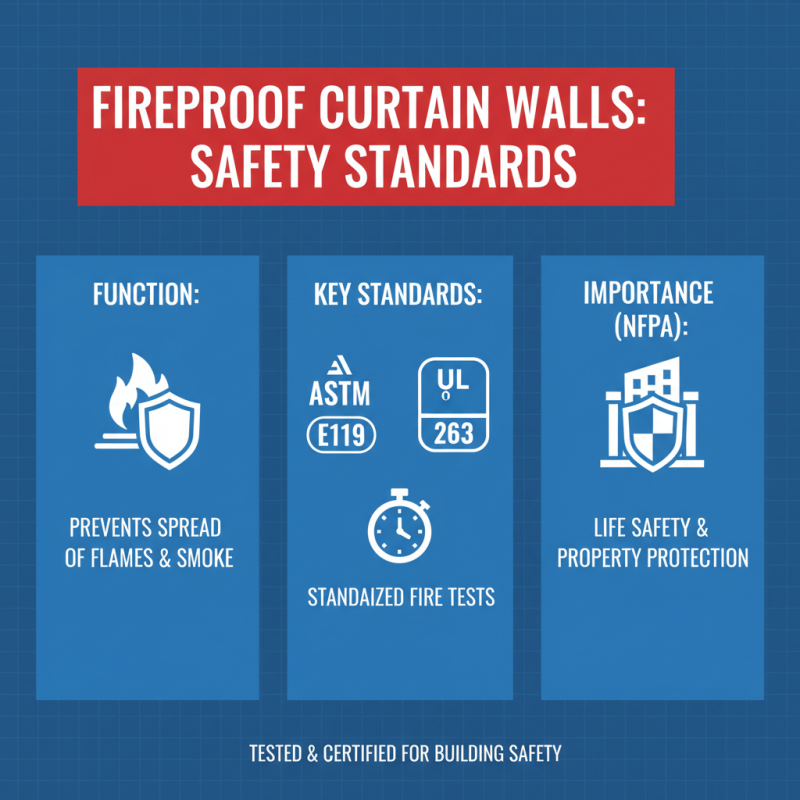
When selecting fireproof curtain walls for building safety, understanding the testing and certification standards is crucial. Fire resistance ratings are typically determined through standardized tests compliant with ASTM E119 or UL 263, which assess the material's performance in fire conditions. According to the National Fire Protection Association (NFPA), properly tested and rated fire barriers can prevent the spread of flames and smoke between compartments, contributing to life safety and property protection.
The certification of fireproof curtain walls involves rigorous evaluations carried out by accredited laboratories. The International Code Council Evaluation Service (ICC-ES) provides guidelines that ensure these materials meet or exceed specific fire safety performance criteria. Furthermore, data from the Underwriters Laboratories (UL) indicates that structures equipped with certified fire-resistant materials experience significantly lower risks of fire-related casualties. In recent studies, buildings utilizing certified fireproof systems reported a 40% decrease in fire damage compared to those without these measures, underscoring the importance of adhering to established testing standards to ensure optimal protection for occupants and infrastructure.
Installation and Maintenance Best Practices for Fireproof Curtain Walls
When installing fireproof curtain walls, several best practices should be followed to ensure optimal performance and safety. First, it is crucial to engage experienced professionals for the installation process. Proper sealing, alignment, and integration with the building's structural elements are vital to maintaining the curtain wall's fire-rated properties. The installation should adhere to fire safety codes and manufacturer specifications to guarantee that the curtain wall functions effectively in the event of a fire. It is also important to conduct thorough inspections during and after installation to identify any potential vulnerabilities.
Regular maintenance is essential to ensure the fireproof curtain walls remain functional and effective over time. Routine checks should focus on the integrity of seals, the condition of fire-resistant materials, and any signs of wear or damage. Immediate repairs should be made for any compromised areas to prevent potential failures. Additionally, keeping the curtain walls clean and free of debris will help maintain their effectiveness. Owners and facility managers should establish a maintenance schedule that aligns with local fire safety regulations and guidelines to ensure compliance and safety for building occupants.
Fireproof Curtain Wall Performance Comparison