Why Choose Intelligent Glass for Modern Architecture and Design?
The rise of Intelligent Glass in modern architecture marks a significant shift in design innovation. According to a recent report by MarketsandMarkets, the intelligent glass market is expected to grow from $3.75 billion in 2020 to $8.94 billion by 2026, at a CAGR of 15.5%. This rapid growth indicates a growing demand for sustainable and energy-efficient solutions in building design.
Intelligent Glass offers unique features like self-tinting and switchable privacy. These functionalities not only enhance aesthetic appeal but also optimize energy use. For instance, smart glass can reduce heat gain by up to 50%, significantly lowering cooling costs. However, questions remain. Is the initial investment in Intelligent Glass justifiable for all projects?
As demand rises, integrating Intelligent Glass may also raise concerns about long-term maintenance. Adopting this technology requires a careful analysis of return on investment. Architects and designers must weigh these factors against the undeniable advantages of enhanced comfort and sustainability.
Benefits of Intelligent Glass in Modern Architectural Design
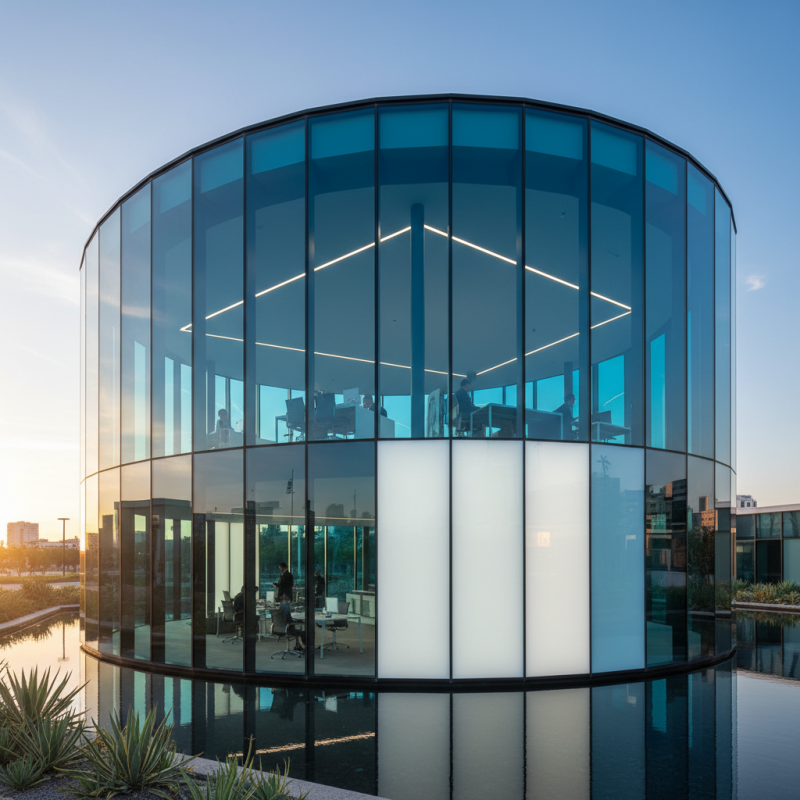
Intelligent glass is becoming a staple in modern architecture. Its versatility is appealing to many designers. This smart material adjusts transparency based on environmental conditions. It can regulate light and heat while maintaining superb aesthetics. Buildings can harness natural light without overheating.
One striking advantage is energy efficiency. Intelligent glass reduces reliance on artificial lighting and air conditioning. This shift can lower energy bills and reduce environmental impact. However, some may find the initial cost daunting. Investing in intelligent glass may require serious consideration.
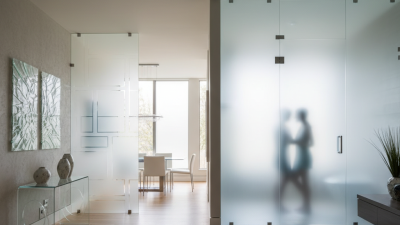
Another benefit is privacy on demand. With a simple switch, clear glass can turn opaque. This feature is perfect for offices and homes alike. Yet, it may feel too sterile or tech-heavy for some tastes. Reflecting on personal preferences is essential. Intelligent glass blends technology and design, but balance is key.
Key Features of Intelligent Glass Technology
Intelligent glass technology is transforming modern architecture and design. This innovation offers unique benefits that enhance both aesthetics and functionality. One key feature is its ability to control light. Smart glass can tint or switch from transparent to opaque, allowing for privacy and glare reduction. Imagine a conference room transitioning from clear to frosted with just a touch.
Another significant aspect is energy efficiency. Intelligent glass can regulate heat and reduce reliance on HVAC systems. This results in lower energy bills and a smaller carbon footprint. Buildings equipped with smart glass maintain comfortable temperatures naturally throughout the year. Yet, challenges remain. Installation can be complex and costly, making it less accessible for some projects.
Durability is also a concern. While many types of intelligent glass are robust, they can be susceptible to scratches or damages if not handled properly. Careful consideration of maintenance is crucial. Designers must weigh the aesthetic advantages against potential drawbacks. Intelligent glass embodies the future of architecture but invites continuous reflection on its practical implications.
Why Choose Intelligent Glass for Modern Architecture and Design? - Key Features of Intelligent Glass Technology
| Feature |
Description |
Benefits |
| Smart Tinting |
Glass that can change its tint based on sunlight exposure. |
Energy efficiency, glare reduction, privacy control. |
| Self-Cleaning |
Glass treated with a special coating to break down dirt and grime. |
Reduced maintenance costs, always clean appearance. |
| Energy Efficiency |
Incorporates low emissivity coatings to minimize energy loss. |
Lower energy bills, comfortable indoor climate. |
| Sound Insulation |
Glass designed to reduce noise transmission. |
Improved acoustic comfort in urban environments. |
| Smart Control Systems |
Integrated technology to control glass functionality via smartphone or automation systems. |
Convenience, enhanced user experience, customizable settings. |
Applications of Intelligent Glass in Sustainable Architecture
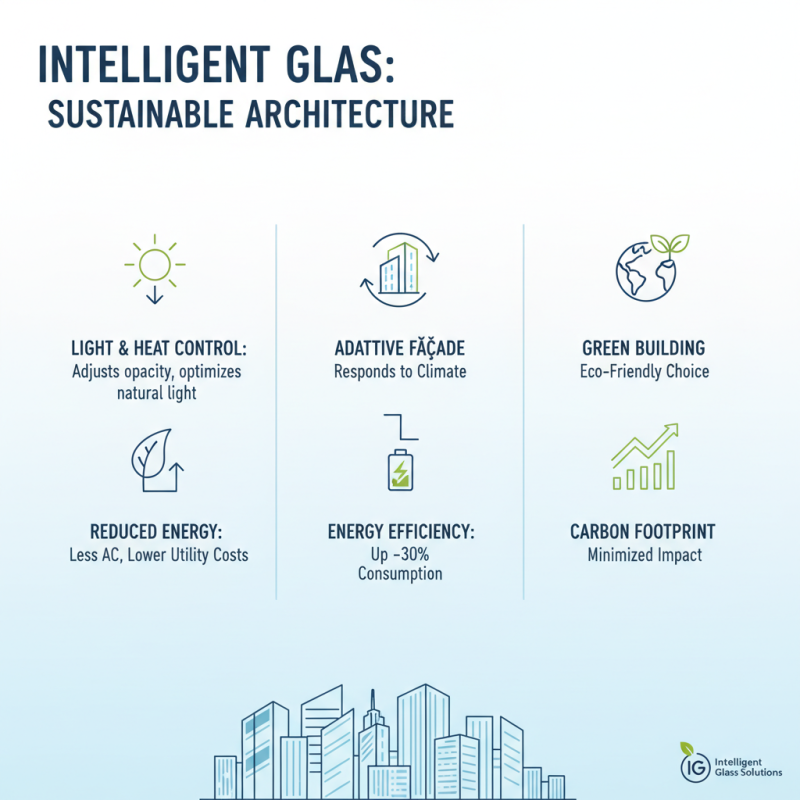
Intelligent glass, often known for its versatility, plays a vital role in sustainable architecture. Its ability to control light and heat makes it a popular choice in modern buildings. In warm climates, intelligent glass minimizes the need for air conditioning. The result is lower energy consumption and reduced utility costs. This type of glass can adjust its opacity, optimizing natural light without overheating spaces.
Consider its application in office buildings. With intelligent glass, workplaces can enjoy bright, inviting environments while maintaining comfort. It also improves the aesthetics of a structure. However, the technology is not flawless. Installation costs can be high, and there may be maintenance challenges. Architects must carefully weigh these aspects against the benefits.
Residential homes also benefit from intelligent glass. It enhances privacy without sacrificing light. Large windows can be made even more functional. Yet, homeowners should research the options thoroughly. Not all intelligent glass reacts the same way under varying conditions. Thoughtful consideration is crucial to ensure it meets specific needs.
Comparative Analysis: Intelligent Glass vs. Traditional Glazing Solutions
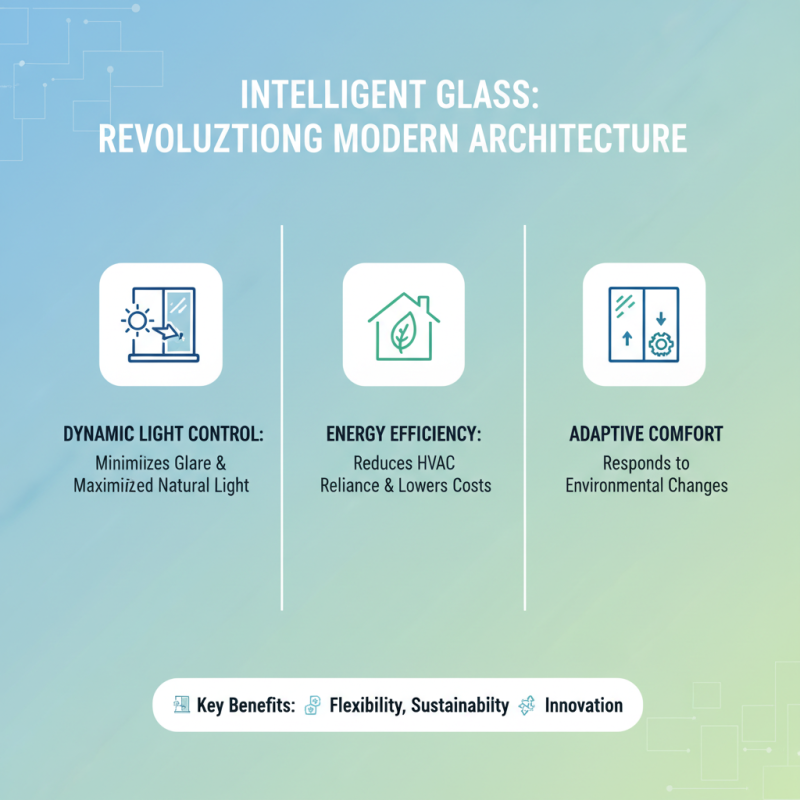
Intelligent glass has emerged as a game changer in modern architecture. Its ability to respond to environmental changes offers a flexibility that traditional glazing cannot match. This technology allows for dynamic light control, minimizing glare and optimizing energy efficiency. Buildings can maintain comfort without relying solely on HVAC systems.
In contrast, traditional glazing solutions often come with fixed characteristics. They lack the adaptability that intelligent glass provides. While conventional glass can be aesthetically pleasing, it does not offer the same thermal management. This can result in higher energy costs and uncomfortable indoor conditions. Additionally, installations with traditional glass may face challenges in reducing heat gain, leading to increased reliance on artificial cooling.
Choosing intelligent glass presents new design opportunities. It blends form and function, creating spaces that are not only visually stunning but also energy efficient. However, it’s important to consider the learning curve associated with this technology. Some architects may find the transition daunting. Striking a balance between innovation and practicality is key. While intelligent glass shines in many aspects, it is essential to weigh the project's specific needs and limitations.
Future Trends in Intelligent Glass for Architectural Innovation
Intelligent glass is transforming modern architecture. Its dynamic capabilities enable flexible designs. This technology can adapt to lighting and climate. Imagine facades that change on demand, providing comfort and aesthetics. Such innovation enhances energy efficiency, but it is not flawless. Sometimes, the transition between states may cause delays.
As urban environments grow, the role of intelligent glass becomes more prominent. Future trends suggest integrating smart technologies like sensors and IoT. These features could lead to buildings that respond in real-time to their surroundings. However, the challenge remains: how to ensure sustainability? The production of intelligent glass needs careful consideration. Its environmental impact is not yet fully understood.
This architectural frontier invites creativity. Designers can now rethink the relationship between structure and environment. Transparent surfaces could become smart screens, displaying information. Yet, these ideas must be approached with caution. Balancing innovation with practicality is essential. The future of intelligent glass is bright, but it requires a thoughtful perspective.
Trends in Intelligent Glass Adoption for Architecture (2023)