How to Choose Toughened Glass for Your Home Renovation Project
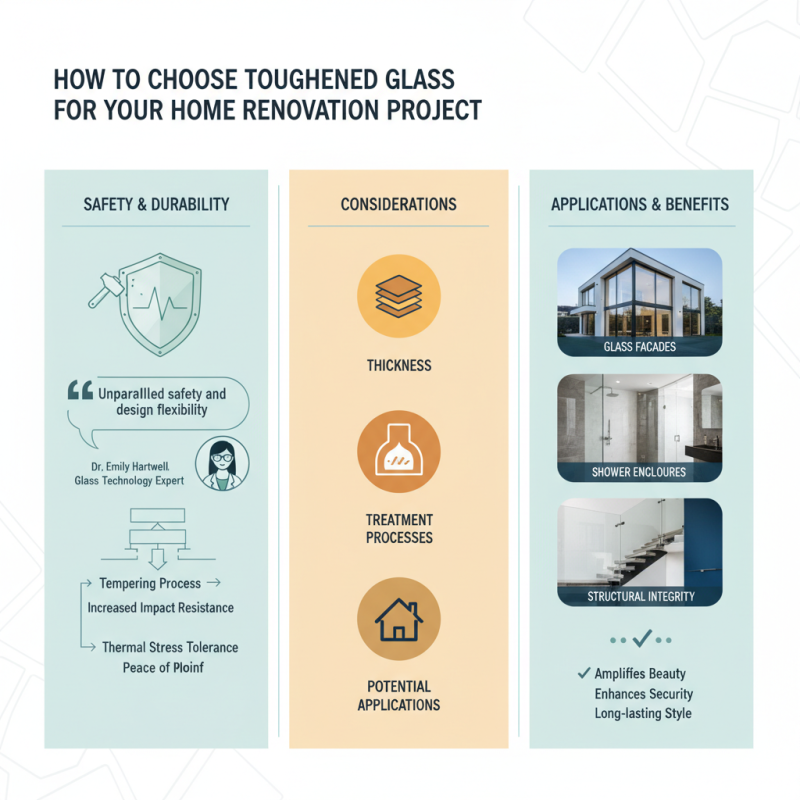
When embarking on a home renovation project, one of the vital decisions homeowners face is the selection of materials that not only enhance aesthetics but also ensure safety and durability. Toughened glass, renowned for its strength and resilience, has emerged as a popular choice among renovators. According to Dr. Emily Hartwell, a leading expert in the field of glass technology, “Toughened glass offers unparalleled safety and design flexibility, making it an ideal solution for modern homes.” This versatile material undergoes a rigorous tempering process, increasing its ability to withstand impact and thermal stress, thus providing peace of mind for homeowners.
As you consider incorporating toughened glass into your renovation plans, it is crucial to understand the various options available, including thickness, treatment processes, and potential applications. From stunning glass facades to sleek shower enclosures, toughened glass not only amplifies the beauty of residential spaces but also plays a key role in enhancing structural integrity. By adequately evaluating these factors, you can make informed choices that will ensure your home remains stylish and secure for years to come.
Understanding Toughened Glass: Definition and Benefits
Toughened glass, also known as tempered glass, is frequently chosen for home renovation projects due to its impressive strength and safety features. During the toughening process, standard glass is heated to high temperatures and then rapidly cooled, which alters its internal structure and increases its resistance to impact. According to the Glass Association, toughened glass can withstand up to five times the load of standard glass, making it an ideal choice for various applications, from windows to shower doors.
In addition to remarkable strength, toughened glass offers enhanced safety benefits. If broken, it shatters into small, blunt pieces rather than sharp shards, significantly reducing the risk of injury. A report by the National Glass Association highlights that using toughened glass in residential builds can lower the likelihood of accidents, especially in homes with children or pets. Moreover, this type of glass can endure thermal stress, making it suitable for areas with fluctuating temperatures and direct sunlight exposure. Thus, its combination of durability and safety makes toughened glass an excellent investment for any home renovation project.
Understanding Toughened Glass: Benefits Comparison
Key Factors to Consider When Selecting Toughened Glass
When selecting toughened glass for your home renovation project, several key factors come into play that can significantly influence both aesthetics and safety. First and foremost, it's essential to consider the thickness of the glass. Different applications, such as windows, doors, or shower screens, may require varying thickness levels to ensure durability. Thicker glass often offers enhanced strength and resistance to impacts, which can be particularly crucial in high-traffic areas or locations prone to extreme weather conditions.
Another critical aspect to evaluate is the glass's safety features. Toughened glass is known for its ability to shatter into small, blunt pieces rather than sharp shards, reducing the risk of injury. It’s vital to check whether the glass meets specific safety standards relevant to your region. Additionally, aesthetic factors like tinting, low-emissivity coatings, and patterns should be assessed to match your design vision while also contributing to energy efficiency. Considering these factors thoroughly will help you choose glass that not only complements your design but also provides the required safety and performance for your home.
How to Choose Toughened Glass for Your Home Renovation Project - Key Factors to Consider When Selecting Toughened Glass
| Factor |
Details |
Importance |
| Thickness |
Common thickness options range from 6mm to 12mm, impacting durability and insulation. |
High |
| Safety Standards |
Ensure compliance with local safety regulations and standards. |
Critical |
| Thermal Shock Resistance |
Choose glass that can withstand drastic temperature changes without breaking. |
Very Important |
| Finishing Options |
Consider options like tinted, frosted, or clear glass depending on aesthetic needs and privacy. |
Moderate |
| Energy Efficiency |
Selecting double glazed toughened glass can improve insulation and reduce energy costs. |
High |
| Cost |
Evaluate cost-effectiveness concerning project budget and long-term benefits. |
Important |
Industry Standards for Toughened Glass Quality and Safety
When selecting toughened glass for your home renovation project, understanding industry standards for quality and safety is paramount. Toughened glass, also known as tempered glass, undergoes a rigorous heat treatment process, making it significantly stronger than standard glass. According to the American National Standards Institute (ANSI), toughened glass must meet strict criteria, such as resisting breakage from thermal stress and impact. In compliance with ANSI Z97.1, the glass should also pass the necessary tests for human safety to ensure it does not shatter into dangerous shards upon breakage.
Additionally, the International Organization for Standardization (ISO) sets forth guidelines, specifically ISO 12543-2, which pertains to the quality requirements for glass used in building and construction applications. This standard emphasizes the need for proper thermal and mechanical stability, not just during installation but also throughout the product's lifespan. Reports from industry leaders indicate that toughened glass that meets these standards can be up to five times stronger than untreated glass, making it an ideal choice for areas subject to high impact or stress. Understanding these standards will help homeowners make informed decisions and select the right product for their specific needs, ensuring safety and durability in their renovation endeavors.
Comparative Analysis of Toughened Glass vs. Laminated Glass
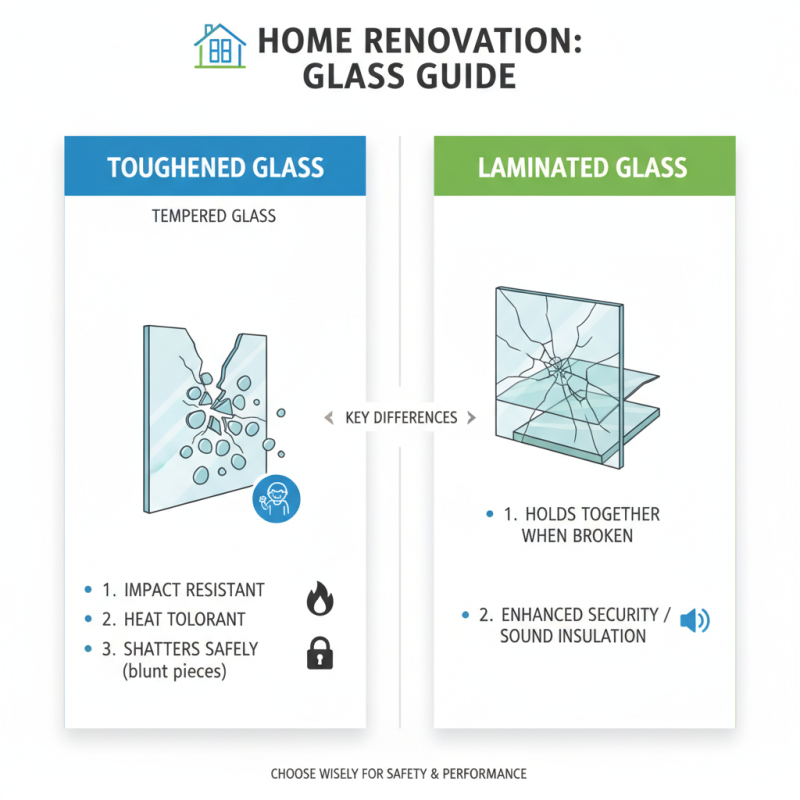
When selecting the right glass for your home renovation, it’s crucial to compare toughened glass and laminated glass, as each type offers unique benefits that cater to different needs. Toughened glass, also known as tempered glass, is created through a thermal process that increases its strength, making it highly resistant to impact and thermal stress. In the event of breakage, it shatters into small, blunt pieces, minimizing the risk of injury—a desirable feature for homes with children or high-traffic areas.
On the other hand, laminated glass consists of two or more layers of glass bonded together with an interlayer, typically made of polyvinyl butyral (PVB). This construction not only enhances its strength but also provides excellent sound insulation and UV protection. In contrast to toughened glass, laminated glass remains intact even when shattered, offering added safety and security against break-ins. This makes it an excellent choice for windows and glass doors that require both visual appeal and durability. Each option has its place in your renovation project, and understanding these differences will help you make a well-informed decision tailored to your specific needs.
Cost Implications and Budgeting for Toughened Glass in Renovations
When considering toughed glass for your home renovation project, understanding the cost implications is crucial for effective budgeting. According to industry reports, the average cost of toughened glass can range from $50 to $150 per square metre, depending on thickness and design. This variance can significantly affect your budget, especially for larger projects. For instance, if you are renovating an entire room with extensive glass use, costs can escalate quickly, emphasizing the importance of precise budgeting.
Tips: It’s beneficial to obtain multiple quotes from suppliers to ensure you’re getting the best price and value. Additionally, consider the long-term savings of toughened glass; it is more durable, which may reduce future replacement costs. Look out for volume discounts, especially if you're purchasing large quantities, as many suppliers offer reduced rates for bulk orders.
While toughened glass presents higher upfront costs compared to standard glass, its safety features and energy efficiency can go a long way in justification. Reports indicate that homeowners can save up to 30% on energy bills when using energy-efficient toughened glass, essentially offsetting the initial investment over time. Careful consideration of both immediate expenses and long-term benefits will allow you to budget wisely for your renovation project.