2026 How to Choose the Best Fireproof Windows for Your Home?
Choosing the right Fireproof Windows for your home is crucial in enhancing safety. With house fires causing over $25 billion in damages annually, homeowners need effective solutions. According to the National Fire Protection Association (NFPA), residential fires account for nearly 80% of all fire-related casualties. These statistics highlight the importance of investing in reliable fire-resistant materials.
Expert in fire safety, Dr. Emily Carter, states, "The right Fireproof Windows can act as a barrier, preventing flames from spreading." This insight emphasizes the vital role these windows play in fire protection strategies. Understanding the different materials and ratings is essential when selecting windows.
Homeowners often overlook subtle differences in fire ratings. Some may assume all Fireproof Windows offer similar protection. However, this is misleading. Each window type has varying levels of resistance and design features. Evaluating your specific needs is necessary for making informed decisions about fire safety.
Understanding Fireproof Windows: What Are They?
Fireproof windows are essential for enhancing home safety during a fire. These windows are made from specialized materials designed to withstand extreme temperatures. According to the National Fire Protection Association, the right fire-resistant components can significantly reduce the spread of flames. Testing shows that fireproof windows can endure temperatures up to 2,000 degrees Fahrenheit for a minimum of 30 minutes.
Understanding fireproof windows starts with their construction. They often include multiple layers of glass treated with fire-resistant coatings. Some models feature a core filled with a special gel, which expands when exposed to heat, creating an insulating barrier. A report from the International Code Council emphasizes that the proper installation of these windows is as crucial as their material. Flaws in installation can lead to vulnerabilities, potentially allowing smoke and flames to enter.
However, fireproof windows are not impervious. They contribute to safety but are not a complete solution. Regular maintenance is vital to ensure their effectiveness. Dirty or scratched glass can hinder visibility in emergencies. Additionally, homeowners must remain aware of overall home fire safety practices. Fireproof windows should be part of a comprehensive fire prevention strategy.
Fireproof Windows Ratings by Material
Key Features to Look for in Fireproof Windows
When selecting fireproof windows for your home, certain key features are essential. One major aspect is the material used in the window's construction. According to the National Fire Protection Association, non-combustible materials can prevent flames from spreading. Windows made from tempered glass or fiberglass provide better resistance to heat. These materials can withstand temperatures up to 1,000°F, far exceeding typical home fire conditions.
Another critical feature to consider is the window's insulation rating. High-performance windows often have multiple panes and gas fills. These elements improve insulation but also contribute to fire resistance. Data from the International Code Council shows that fire-resistant window systems can minimize heat transfer, delaying the spread of flames. However, not all products in the market perform equally.
In addition, check for compliance with industry standards. Look for windows that meet the ASTM E119 rating. This ensures they have been tested for performance in fire conditions. It's important to review test results and certifications closely. Some products may look promising but fail under real-world conditions. Taking steps to clarify these aspects can lead to better choices, ultimately helping to protect your home and loved ones.
Evaluating Fire Ratings: How to Choose the Right Level
When evaluating fire ratings, you must consider several factors. Fire ratings are categorized into different levels based on their resistance to flames. Standard ratings include 30, 60, or 90 minutes of protection. According to a report from the National Fire Protection Association, buildings with higher-rated fireproof windows can significantly lower potential damage.
It’s crucial to understand the specific needs of your home. For instance, areas prone to wildfires should use windows with a higher fire rating. A study by the American Institute of Architects indicates that homes with appropriate fire protection see a 47% decrease in damage during fire events. However, some homeowners may overlook these ratings when choosing windows.
Installation is another key consideration. Even the best-rated windows won't perform well if improperly installed. A poorly fitted window could compromise fire resistance. Remember, not all materials guarantee the same level of performance. Despite the options available, many still settle for standard solutions, risking their safety and property. This choice requires reflection and careful judgment.
Material Options for Fireproof Windows: A Comparison
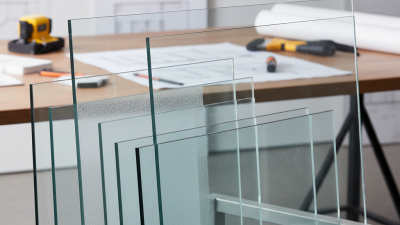
When selecting fireproof windows for your home, material choice is crucial. Different materials offer varied levels of protection. Common options include tempered glass, fiberglass, and steel.
Tempered glass is strong but might still shatter under extreme heat. Its resistance to cracking makes it a popular choice. Yet, it often requires additional reinforcement for maximum safety.
Fiberglass windows have a good reputation for insulation and fire resistance. They can withstand high temperatures without compromising structural integrity. However, the aesthetic appeal may not match that of wood or vinyl.
Steel windows provide superior fire resistance. Yet, they can be heavy and may rust without proper maintenance. Each material presents advantages and challenges.
Choosing the right one might not be straightforward. Consider the specific needs of your home and the fire risks in your area. Consulting with a professional can clarify your options.
They may help you weigh the costs against benefits. There is no one-size-fits-all solution. Every choice has its pros and cons. Each option requires careful consideration to ensure long-term safety and comfort in your living space.
Installation Considerations for Fireproof Windows in Your Home
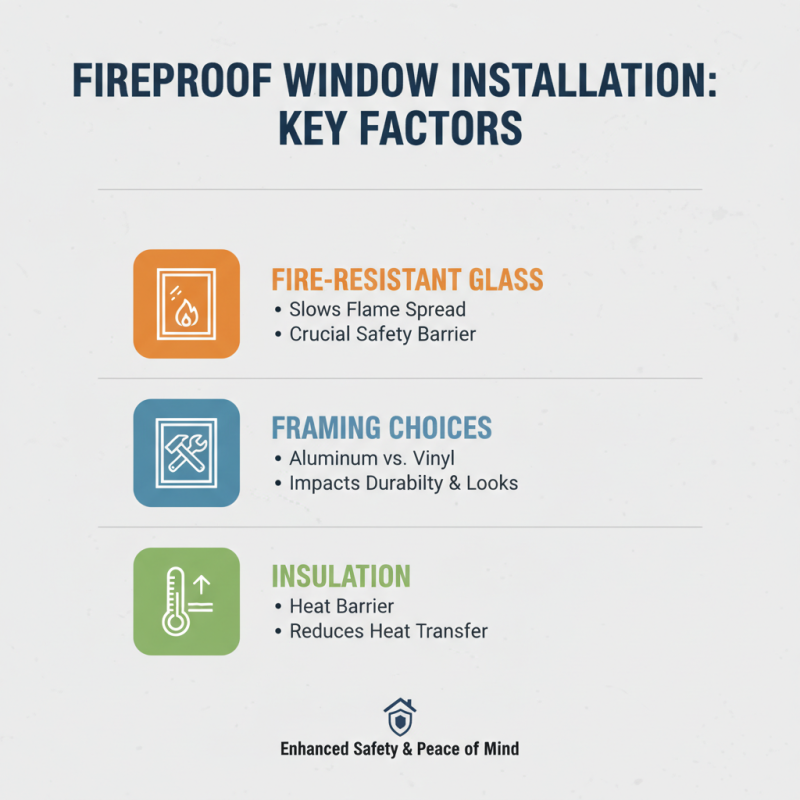
When installing fireproof windows, several factors need consideration. The materials used in production impact both safety and aesthetics. Fire-resistant glass is vital, as it slows the spread of flames. Additionally, framing choices, such as aluminum or vinyl, can influence durability. Be mindful of insulation too. Good insulation creates a barrier against heat, which is crucial during a fire.
Another point to reflect on is the proper installation. Even the best windows can fail if not installed correctly. Poor sealing can allow smoke and heat to enter. Seeking professional assistance can be beneficial. They have the expertise to ensure windows meet local safety codes. However, this may add to the budget, so plan accordingly. Lastly, don’t forget about maintenance. Regular checks can reveal issues before they become serious. A small crack could compromise the window’s effectiveness.