How to Choose the Best Glass Partitions for Your Space?
Selecting the right glass partitions for your space can be a daunting task. As industry expert Sarah Thompson notes, "Glass partitions transform spaces, but the choice must be thoughtful." Understanding your needs and the unique characteristics of glass partitions is crucial.
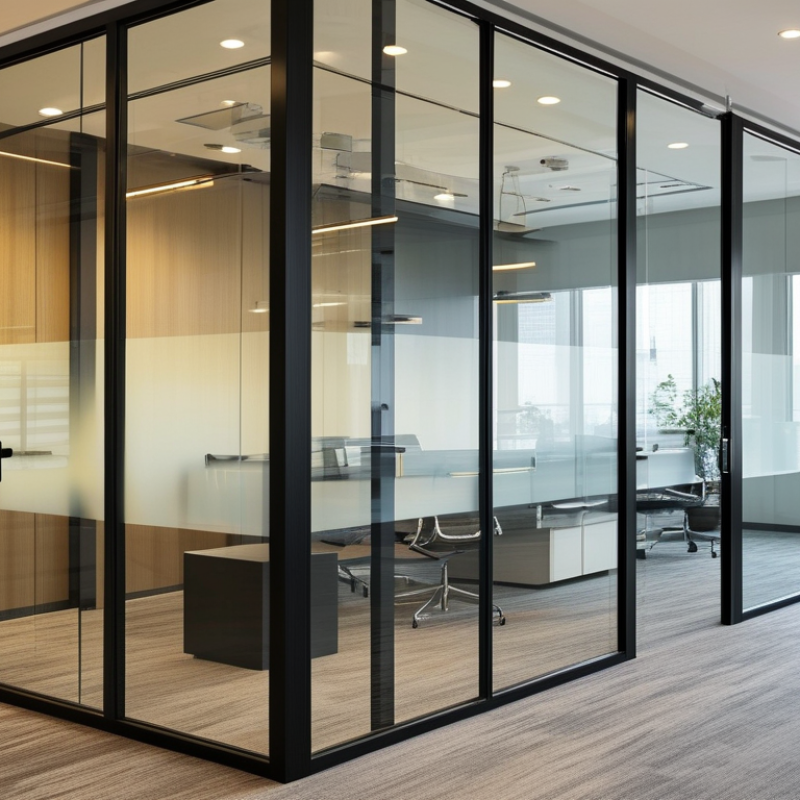
These partitions can enhance natural light while providing a modern aesthetic. However, not all glass is created equal. Tempered glass is essential for safety, while frosted options ensure privacy. Consider the layout of your space and how it affects the flow of movement. Effective design fosters a positive atmosphere.
Reflect on the purpose of your glass partition. Is it for collaboration or privacy? The right choice can either enhance or detract from your environment. While many options exist, evaluating them through the lens of functionality and design is vital. Your space deserves careful consideration.
Understanding Different Types of Glass Partitions Available in the Market
When selecting glass partitions, understanding the types available is crucial. There are primarily three types: framed, frameless, and structural glass partitions. Each offers unique benefits and aesthetics. Framed partitions provide additional support and can accommodate various designs. They are easier to install but may appear bulkier. According to a market report by Research and Markets, framed partitions hold a 42% share in the glass partition market due to their versatility.
Frameless glass partitions exude a modern and sleek appearance, perfect for contemporary spaces. They utilize clamps or adhesive methods for support, allowing for an unobstructed view. However, they require precise installation and can be more expensive. Structural glass partitions are engineered for load-bearing purposes and often integrate into the building's design. This type is less common but offers impressive durability and stability.
When weighing these options, consider your space's purpose and style. Frameless options may suit office environments wanting openness. Meanwhile, framed alternatives can fit commercial settings needing durability. Each type requires thoughtful reflection on your unique needs and budget. Emerging trends indicate a growing preference for minimalist designs, but each option has its pros and cons that need careful consideration.
Assessing Your Space Requirements for Glass Partitions
When selecting glass partitions, assessing your space requirements is crucial. Begin by measuring the area where you plan to install these partitions. Consider the dimensions, shapes, and any peculiar architectural features. Each corner and nook is essential. A well-fitted partition enhances space usage and aesthetics.
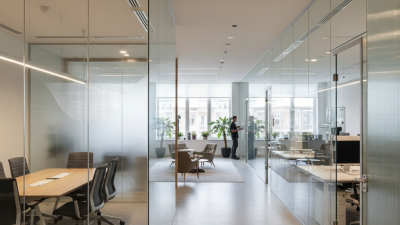
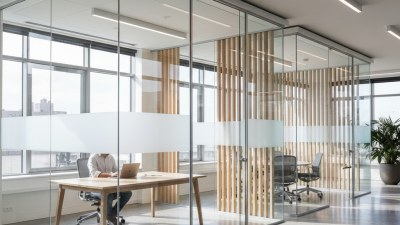
Evaluate the functionality of the space. Is it an office, a conference room, or a retail environment? Each has distinct needs. For instance, an office may require soundproof partitions, while a retail space benefits from transparency. Think about privacy as well. Transparent glass is popular, but frosting or tinted options provide seclusion without sacrificing light.
Lastly, consider how you want your space to feel. Is it open and airy, or cozy and intimate? Light can dramatically change the atmosphere. Natural light flowing through glass partitions can invigorate your environment. Balancing light and privacy sometimes feels challenging. As you make decisions, reflect on how each option aligns with your vision and needs. Adjust as necessary to find the perfect fit for your space.
Factors to Consider for Aesthetic and Functional Design
When selecting glass partitions, aesthetics and functionality are key. Start by assessing the overall design theme of your space. Consider how the partitions will blend with existing décor. Choose a style that complements the room’s architecture, creating a seamless look. Be mindful of colors and textures, as they can drastically change the room's atmosphere.
Lighting is another crucial factor. Natural and artificial light can interact with glass in interesting ways. Think about where light enters your space. A location with ample natural light may allow for more transparent options. In contrast, frosted or tinted glass could enhance privacy in darker areas.
Tips to keep in mind: Ensure the glass thickness suits your needs. Thicker glass can provide better sound insulation. Explore various types of glass finishes, as they can modify both appearance and privacy. Reflect on how the partitions affect the flow of the space. They should enhance accessibility without creating barriers. Embrace the process; finding the perfect fit may take time and experimentation.
Evaluating Thickness and Safety Standards for Glass Partitions
When choosing glass partitions, thickness and safety standards are crucial factors. Ideally, glass thickness should range between 10mm and 12mm for optimal safety. Thicker glass provides better resistance to impact, reducing the likelihood of shattering. This is particularly important in high-traffic areas where accidental bumps may occur.
It's also essential to adhere to safety standards set by local regulations. These guidelines often specify minimum thickness requirements and safety glazing standards. For instance, tempered glass is commonly recommended due to its strength and safety features. If broken, it shatters into small, blunt pieces, minimizing injury risks. However, many consumers overlook these standards, which can lead to safety hazards.
Choosing the right glass thickness not only affects aesthetics but also impacts safety. Many installations appear sleek and modern, yet fail to meet necessary guidelines. It's vital to balance style with functionality, ensuring that your space is both beautiful and safe. While design choices are subjective, safety should always take precedence.
Glass Partition Thickness Evaluation
This chart illustrates the safety ratings for different thicknesses of glass partitions. As the thickness increases, the safety rating generally improves, highlighting the importance of selecting the appropriate thickness based on safety standards in your space.
Installation Options: Professional vs. DIY Approaches to Glass Partitions
When considering glass partitions, it's crucial to understand your installation options. Professional installation offers expertise and reliability. These skilled professionals ensure perfect alignment and securely fit the glass. They have the tools needed for precise measurements, which minimizes the risk of installation errors.
DIY installation can be cost-effective. However, it requires careful planning and execution. Buyers should be confident in handling tools and measuring accurately. Remember that incorrect measurements can lead to mismatched panels. Inexperienced installers might leave gaps that affect aesthetics and privacy.
Tips:
Always check local regulations regarding glass installations. This step can save time and prevent future issues. If you choose DIY, practice with a cheaper material first. It helps build confidence before working with expensive glass. Don't be afraid to seek help if unsure about certain steps.