2026 How to Choose Curved Glass Coffee Tables for Your Living Space?
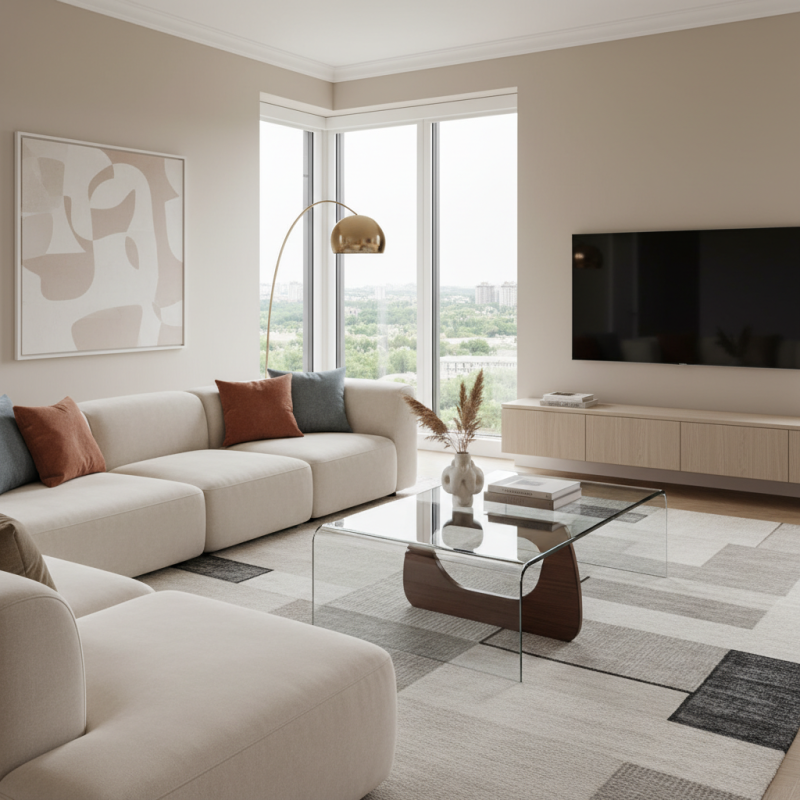
Curved Glass Coffee Tables are a stylish addition to any living space. They blend elegance with functionality, offering a unique aesthetic. The gentle curves of these tables bring a sense of softness that contrasts beautifully with sharper furniture designs.
When considering Curved Glass Coffee Tables, it is essential to reflect on your space. Think about size and shape. A large, sprawling piece may overwhelm a small room. Conversely, a petite table could get lost in a spacious area. Balance is key.
Quality is another crucial factor. Not all curved glass is created equal. Look for tables that use tempered glass for durability. Consider the base as well; a stable foundation is vital for safety. Achieving the right look may take time. Experimenting with different styles can lead to unexpected surprises.
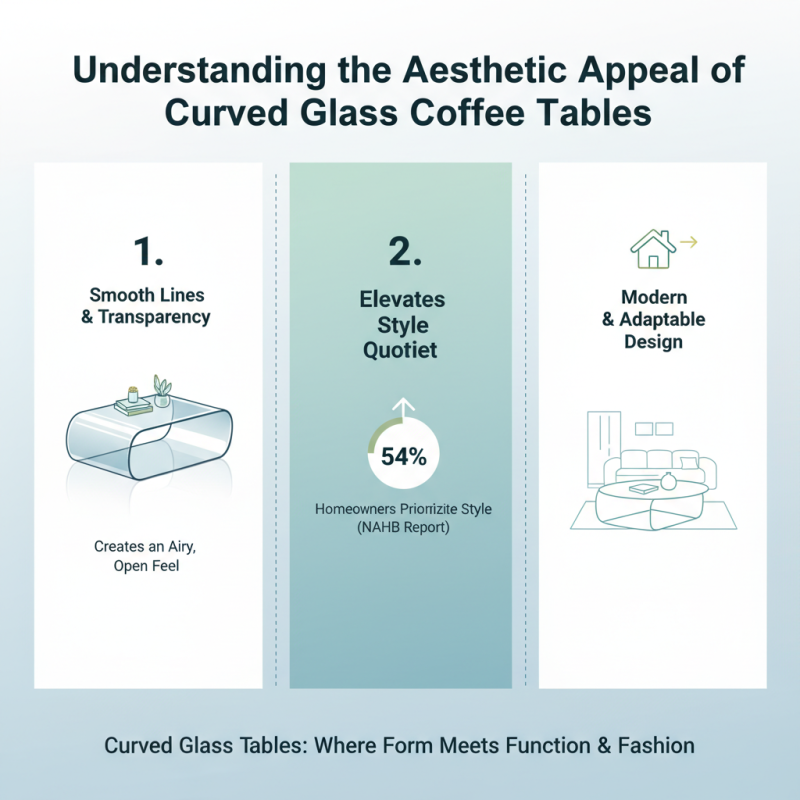
Understanding the Aesthetic Appeal of Curved Glass Coffee Tables
Curved glass coffee tables have a unique aesthetic appeal. Their smooth lines and transparent surfaces create an airy feel in any living space. According to a recent report by the National Association of Home Builders, 54% of homeowners prioritize style when choosing furniture. Curved glass tables meet this desire perfectly.
These tables can enhance modern and eclectic decor alike. Their gentle curves soften hard angles in a room. For instance, placing a curved table in a small space can make the area feel larger. The light reflection from glass adds an illusion of depth. Research shows that glass furniture has become increasingly popular, with a 35% increase in sales over the past five years.
However, potential buyers should consider maintenance and safety. Glass can show fingerprints or smudges easily, requiring regular cleaning. Some might find sharp edges near the curves concerning, especially in homes with children. A balance between beauty and practicality is essential. It's good to reflect on how a piece like this will function in daily life.
Evaluating the Functionality and Practicality of Curved Designs
Curved glass coffee tables bring a unique aesthetic to living spaces. Their fluid design can soften the hard lines of furniture. However, functionality must be at the forefront of your decision. A recent study by the Home Furnishings Association noted that 45% of consumers prioritize practicality in furniture choices. This indicates a shift towards tables that not only look good but serve everyday needs effectively.
When evaluating practicality, consider the shape and size of your room. Curved tables can fit into tight spaces, but they may limit seating arrangements. While they provide a visually appealing focal point, reflections and fingerprints on glass can be maintenance issues. Changing the distance between the coffee table and the seating area can also affect usability. Keeping a distance of 18 to 24 inches is recommended for comfort, but this can vary based on the table's design.
Moreover, the choice of material impacts durability. Glass can crack or shatter under stress, a concern for families with young children. Research has shown that tempered glass is safer and more resilient, yet it’s vital to assess the thickness and quality. Some might find that curved designs lack the stability of traditional tables. Balancing style and functionality requires careful thought.
Selecting the Right Size and Scale for Your Living Space
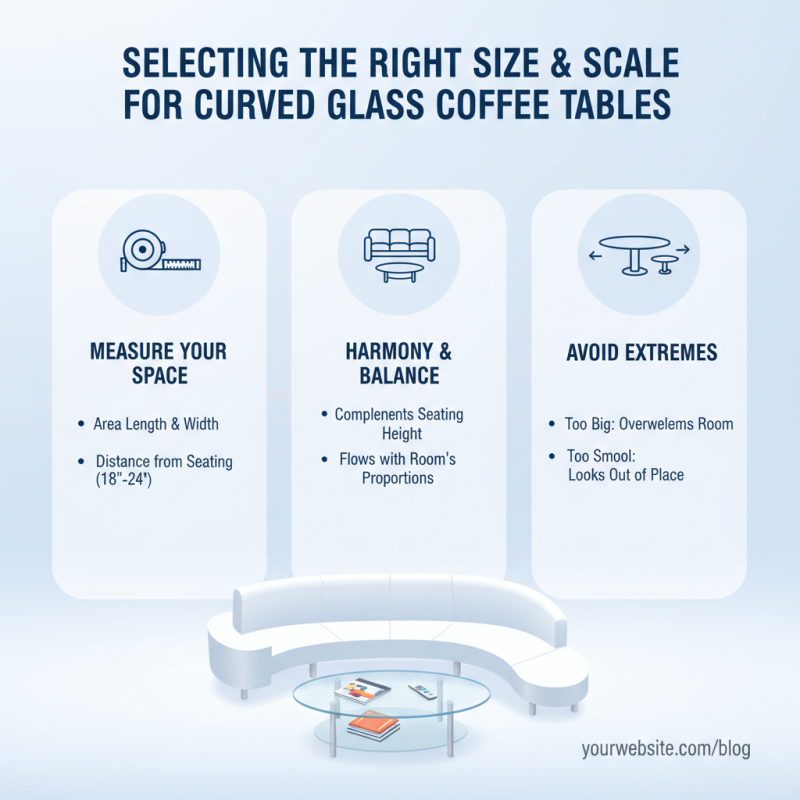
When selecting a curved glass coffee table, size and scale are crucial. Your living space should feel balanced and harmonious. A too-large table can dominate the room, while a too-small one can appear lost. Measure your area carefully. Consider the height of your seating and ensure the table fits comfortably with them.
Tips: Choose a table that allows for ample walking space around it. Ideally, there should be at least 18 inches between the coffee table and sofa. This distance promotes easy movement.
A curved design can soften the lines in a room. This makes it feel more welcoming. However, a table that is overly ornate might clash with your decor. Pay attention to the surrounding furniture's style. A minimalist approach might suit a modern room, while a more intricate design could complement vintage styles.
Tips: Think about your lifestyle. If you host gatherings often, a larger, sturdier table might be better. Conversely, if you have a small space, a sleek design can enhance rather than overwhelm. Balancing form and function is key.
Considering Material Quality and Durability in Transparency
When choosing a curved glass coffee table, material quality plays a pivotal role. High-quality tempered glass offers both elegance and durability. Its resistance to scratches and heat makes it ideal for everyday use. However, be mindful of the edges. Sharp corners may pose a risk, especially in homes with children or pets. Round designs can provide a safer alternative while still being visually stunning.
Durability is key in any furniture selection. Look for tables with a sturdy metal or wooden base. This ensures stability and weight distribution. Having a robust frame allows the glass to shine without compromising safety. A well-made table will endure the test of time, while lower-quality options may warp or break unexpectedly. Always verify craftsmanship quality before making a purchase.
Consider the transparency factor too. Clear glass gives an illusion of more space, enhancing smaller areas. However, it also shows off fingerprints and smudges easily. Think about your lifestyle and cleaning habits. Will you mind regular upkeep, or do you prefer something more forgiving? Balancing aesthetics and practicality is essential.
2026 How to Choose Curved Glass Coffee Tables for Your Living Space? - Considering Material Quality and Durability in Transparency
| Material |
Thickness (mm) |
Durability Rating |
Transparency (%) |
Maintenance Level |
| Tempered Glass |
8 |
High |
90 |
Low |
| Laminated Glass |
10 |
Medium |
85 |
Medium |
| Acrylic Glass |
5 |
Low |
92 |
High |
| Low Iron Glass |
10 |
High |
95 |
Low |
Incorporating Curved Glass Tables into Various Interior Styles
Curved glass coffee tables have become a popular choice in contemporary interior design. These tables effortlessly blend form and function, adding elegance to various styles. According to a recent industry report, over 35% of homeowners prefer curvilinear furniture for its ability to soften sharp edges in minimalist spaces. The smooth, flowing lines promote a sense of relaxation and comfort, making such furniture ideal for cozy living areas.
Incorporating curved glass tables into eclectic or bohemian designs can enhance character. The transparency of glass allows the surrounding decor to shine through. Layering textures and colors is essential when styling these tables. An industry study highlighted that 70% of interior designers advocate for the use of natural elements, like rattan or wood, alongside glass to create warmth. However, it’s crucial to ensure these elements complement each other to avoid a cluttered look. A well-chosen centerpiece can elevate the aesthetic, but over-accessorizing might detract from the table’s elegance.
Yet, not all spaces benefit from curved glass tables. In very small rooms, they can appear oversized and overwhelming. Careful spatial planning is necessary to ensure visual balance. Choosing the right size is vital; too large a table can disrupt flow, while too small may feel insignificant. Keep in mind that your selection should reflect personal style while enhancing the overall ambiance of the room.
Popularity of Curved Glass Coffee Tables in Different Interior Styles (2023)
This chart illustrates the popularity of curved glass coffee tables across various interior design styles in 2023. Modern styles lead with 40% popularity, while Minimalist and other styles follow suit at lower percentages. Understanding these trends can help you choose the right curved glass coffee table for your living space.