How to Choose the Best Glass Display Cases for Your Home or Business
In today’s competitive retail and exhibition landscape, choosing the right glass display cases is crucial for both aesthetic appeal and functional efficiency. According to a report by Statista, the global retail display market is expected to reach approximately $20 billion by 2025, underscoring the importance of effective merchandising solutions that not only attract customers but also enhance their shopping experience. Glass display cases play a vital role in this regard as they provide a clear, unobstructed view of products, helping to highlight their features while maintaining a polished appearance.
Moreover, a study conducted by the National Retail Federation indicates that well-designed display fixtures can increase sales by as much as 20%. This statistic emphasizes the need for businesses and homeowners to carefully evaluate their display options when investing in glass display cases. Factors such as size, style, and security features must be considered to align with the intended purpose, whether it's for showcasing valuable collectibles at home or for displaying merchandise in a retail environment. Thus, understanding the nuances of selecting the right glass display case is essential for maximizing visibility and safeguarding items, ultimately driving customer engagement and satisfaction.
Factors to Consider When Choosing Glass Display Cases for Home and Business
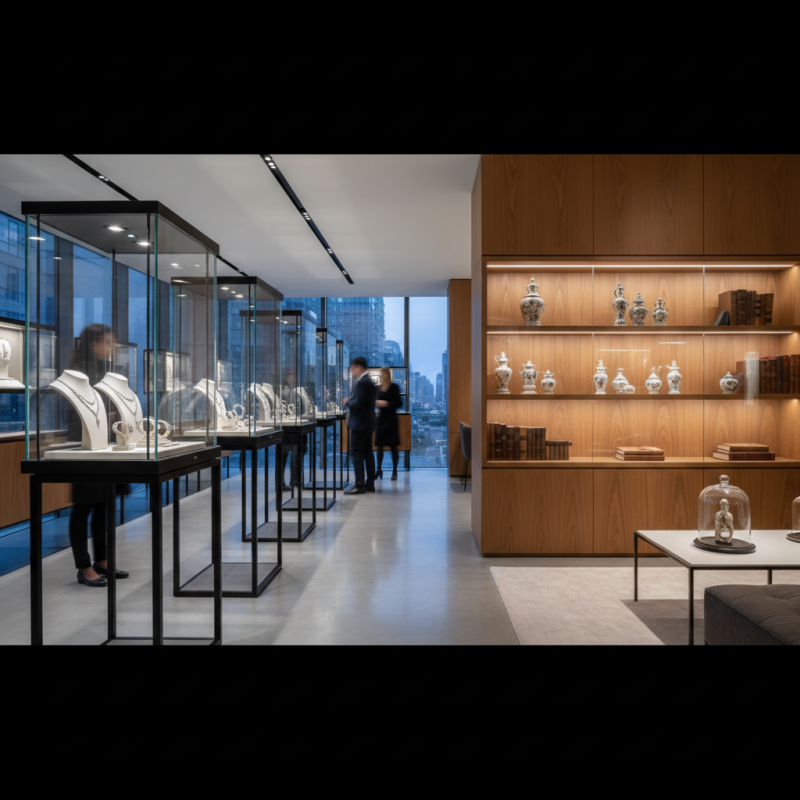
When selecting the right glass display cases for your home or business, several critical factors come into play. First and foremost, consider the purpose of the display case. Are you looking to showcase collectibles, merchandise, or perhaps art pieces? This will influence the size, design, and level of security you need. For example, a retail environment may require locking mechanisms to safeguard items, while a home setting may prioritize aesthetic appeal and ease of access.
Another important factor is the space available for the display case. Measure your intended location to ensure you choose a case that fits well within the area without obstructing pathways or other displays. Additionally, think about the lighting; adequate illumination can enhance the visibility of the items within the case. You may want to select display cases with built-in lighting options or consider how natural light in the space will interact with glass. Lastly, consider the material and construction of the case; tempered glass is often preferred for durability and safety. These considerations will help you choose a display case that meets both functional needs and aesthetic desires.
Different Types of Glass Display Cases: A Comparative Analysis
When selecting glass display cases for personal or business use, it's crucial to understand the various types available and their specific applications. A comparative analysis of glass display cases reveals that there are several distinct styles, including countertop cases, wall-mounted cases, and freestanding models. Countertop cases are often used in retail settings, showcasing products such as jewelry and collectibles. According to a report by Market Research Future, the global glass display case market is projected to reach approximately $900 million by 2025, driven by the retail industry's need to showcase products effectively.
Wall-mounted display cases are perfect for saving floor space while still providing an aesthetic presentation of items like awards and art pieces. These cases typically use fewer materials, which may lead to lower costs, making them an appealing option for home decor. Freestanding cases, on the other hand, offer versatility and are often employed in museums and exhibitions. They provide the advantage of 360-degree visibility, which enhances the viewer's experience. Research indicates that optimal display arrangements can increase engagement by over 30%, highlighting the importance of choosing the right type of case based on the intended use and environment.
Ultimately, understanding the unique characteristics of each type of glass display case helps in making an informed decision. Assessing factors such as size, visibility, and space requirements, alongside specific product regulations and display needs, can guide you in selecting the best option for your home or business. The right display case not only serves a functional purpose but also elevates the overall aesthetic of the space it inhabits, reinforcing the value of well-thought-out selections.
Key Measurements and Space Requirements for Display Case Selection
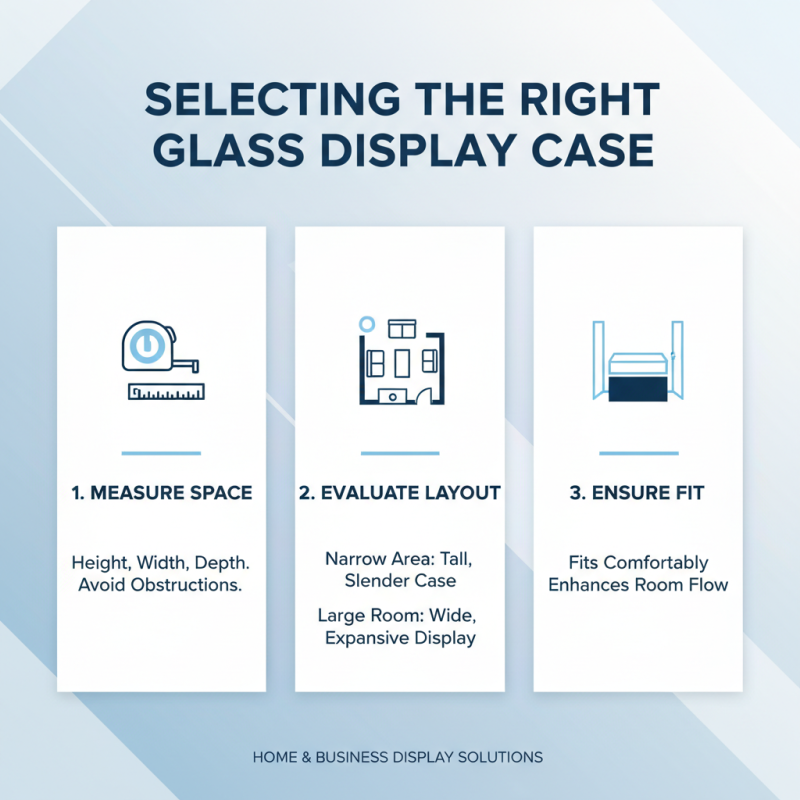
When selecting the right glass display case for your home or business, understanding key measurements and space requirements is essential. Start by evaluating the available space where you intend to place the display case. Measure the area’s height, width, and depth to ensure that the display case fits comfortably without overwhelming the room or obstructing pathways. Consider the layout of the space: a narrow area might benefit from a tall, slender case, while a larger room could accommodate a wider, more expansive display.
Next, think about the items you plan to showcase. The dimensions and weight of these items will influence the size and structure of the display case. Ensure that the internal dimensions of the case provide enough room for your collectibles or merchandise without overcrowding. Additionally, consider the case's shelving configuration; adjustable shelves can offer flexibility for varying heights of items, enhancing the overall presentation. Ultimately, selecting a display case that fits both your spatial constraints and display needs will result in a more effective and visually appealing showcase for your possessions.
Material and Design Options: Enhancing Aesthetics and Functionality
When selecting the best glass display cases for your home or business, the material and design options play a crucial role in enhancing both aesthetics and functionality. Glass cases can be constructed from various types of glass, including tempered, acrylic, or regular glass, each with its own benefits. Tempered glass is known for its strength and safety, making it a popular choice for commercial displays. Acrylic, while lighter and often more affordable, offers durability and shatter resistance, ideal for home settings. Choosing the right material will not only influence the visual appeal but also the longevity of the display case.
The design of a glass display case can significantly affect its functionality. Consider options like a hinged door for easy access, or modular designs that can be rearranged to fit different spaces. Additionally, think about lighting; LED strips can highlight your items beautifully while adding a modern touch.
**Tips:** When shopping, prioritize display cases with adjustable shelves to accommodate various items. Always consider the space where you’ll place the display — it should complement your interior design while providing adequate visibility. Lastly, remember to think about maintenance; easy-to-clean finishes will offer convenience, especially in a high-traffic area.
Material Comparison for Glass Display Cases
Industry Standards and Safety Regulations for Glass Display Cases
When selecting glass display cases for your home or business, understanding industry standards and safety regulations is crucial. These standards ensure that the display cases are not only visually appealing but also safe for use. For instance, glass thickness plays a significant role in the structural integrity of the case. Typically, tempered glass is recommended due to its enhanced strength and safety features. It shatters into small, less dangerous pieces rather than sharp shards, reducing the risk of injury.
Moreover, there are also regulations related to the use of display cases in public spaces, such as fire safety standards and accessibility requirements. These regulations may dictate specific materials that must be used or outline necessary features, such as ventilation for items that may require air circulation. It's essential to familiarize yourself with these regulations to ensure compliance. Additionally, installing safety locks and using non-toxic finishes can further enhance the safety and usability of your display cases, fostering a secure environment for both valuable items and individuals interacting with them.