How to Choose the Best Mirror Wall for Your Space?
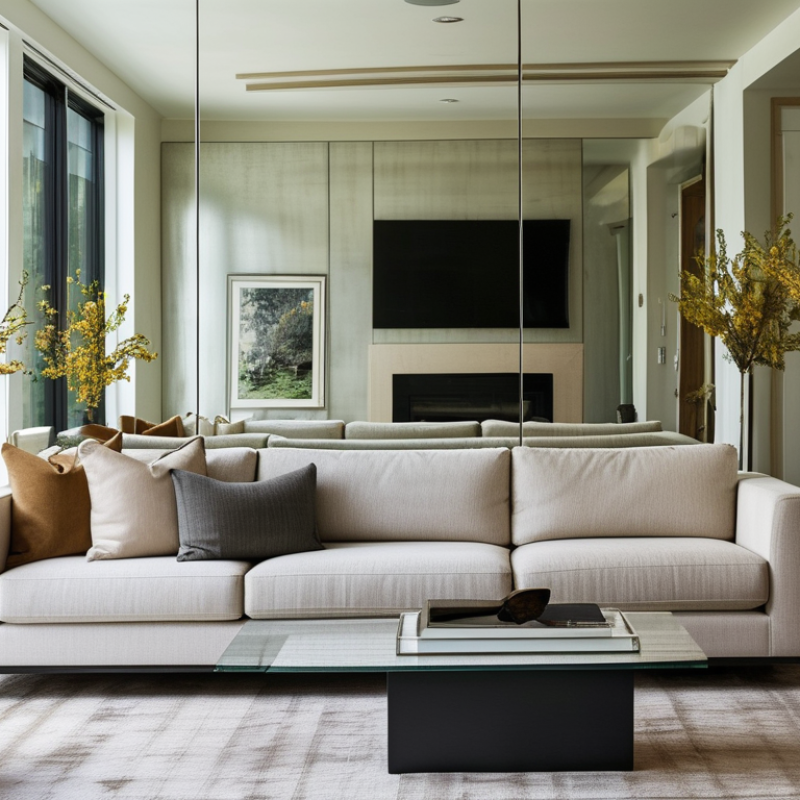
In modern interior design, a well-chosen Mirror Wall can transform any space. According to a report by the National Institute of Business and Economics, incorporating mirrors can create the illusion of expansive areas, enhancing natural light. This feature is particularly valuable in smaller rooms, where maximizing space is crucial.
However, selecting the perfect Mirror Wall involves more than just aesthetics. Many homeowners overlook the importance of quality. A report from the American Society of Interior Designers emphasizes that the type of glass used affects durability and reflection quality. It's essential to avoid lower-grade materials that may distort images.
Moreover, the placement of a Mirror Wall can significantly impact ambiance. It's not uncommon for individuals to miscalculate the effect of mirrors on mood and space perception. A poorly positioned mirror can create an overwhelming reflection, leading to discomfort. Thus, understanding both the artistic and functional aspects of Mirror Walls is vital for achieving a harmonious environment.
Understanding the Different Types of Mirror Walls Available
When selecting a mirror wall, understanding the various types is crucial. The most common include framed mirrors, frameless options, and decorative mirrors. Framed mirrors can enhance a traditional aesthetic. They come in many materials and styles, making them versatile. However, they might weigh more due to the frame, which could complicate installation.
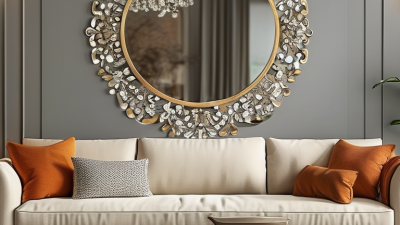
Frameless mirrors offer a modern touch. They blend seamlessly into the walls and can make a space feel larger. Their minimalist design appeals to many, yet cleaning can be tricky as smudges are easily visible. Decorative mirrors often feature unique shapes or designs. They serve as focal points but may not provide the functionality of standard mirror walls.
Considering each type's pros and cons will help in decision-making. Reflect on the overall design of your space. Would a bold statement piece overwhelm or elevate the room? Balance aesthetics with practical needs. Create a beautiful yet functional space that feels right for you.
Evaluating Your Space: Size, Lighting, and Functionality Considerations
Evaluating your space is crucial when choosing a mirror wall. Start by measuring the size of the wall. A mirror that’s too small can feel lost in the space, while one that’s too large can overwhelm it. Consider the scale of your room. If it's a small area, opt for a single large mirror instead of multiple smaller ones. This creates a focal point and enhances the illusion of space.
Lighting plays a significant role in how mirrors function. Natural light can amplify the brightness in your room. If your space lacks natural light, choose mirrors with frames that can reflect more light. Avoid dark frames, as they can absorb light. Consider wall placement; mirrors opposite windows can capture and distribute light more effectively.
Tips: Think about the functionality of your mirror. Will it simply serve as decor, or do you need it for daily use? A functional mirror may require additional features, like a built-in shelf. Also, reflect on your style. A heavily ornate mirror might clash in a minimalist space. Striking a balance ensures your mirror wall adds both beauty and purpose.
How to Choose the Best Mirror Wall for Your Space?
| Dimension |
Consideration |
Recommendation |
| Size |
Room dimensions and wall space |
Choose a mirror that complements the scale of the room |
| Lighting |
Natural and artificial light sources |
Opt for reflective surfaces to enhance light |
| Functionality |
Intended use (decorative or practical) |
Select mirrors that serve dual purposes |
| Style |
Overall decor theme of the room |
Choose a frame that matches the interior design |
| Placement |
Traffic flow and visibility |
Position mirrors to optimize space views |
Choosing the Right Frame Style to Complement Your Interior Design
Choosing the right frame style for your mirror wall can dramatically enhance your interior design. According to a report by the American Institute of Architects, over 70% of homeowners consider aesthetics when selecting decor. Frame styles can vary from modern minimalist to ornate vintage. Each style brings a unique character to the space.
For instance, a simple black or white frame works well in contemporary designs. This choice creates a clean, uncluttered look. Conversely, an elaborate, gilded frame adds an air of sophistication to traditional interiors. It's essential to feel the balance between the frame and surrounding decor. Sometimes, a mismatched style can create visual discord.
Consider the material of the frame as it impacts durability and appearance. Wood frames offer warmth, while metal frames provide a sleek finish. The right choice relies on both personal preference and how it interacts with the overall design. According to recent trends, 56% of interior designers encourage clients to experiment with different styles. This exploration can lead to the perfect reflection of your taste.
Setting a Budget: Cost Considerations for Mirror Wall Options
When considering a mirror wall, setting a budget is crucial. The costs can vary significantly based on type and size. Standard framed mirrors might cost less, while custom designs can be more expensive. Remember to account for installation fees as well.
It’s easy to underestimate the budget needed. A simple wall could turn into a costly project. Selecting the right materials impacts the price substantially. For example, decorative frames or special finishes may raise the overall cost. Researching options can help avoid overspending.
Moreover, consider the long-term value. Higher-priced mirrors may last longer and require less maintenance. This investment could pay off over time. Reflect on what you want from your mirror wall and how much you’re willing to spend. Balancing aesthetics and functionality within your budget is essential.
Installation Tips and Maintenance for a Long-lasting Mirror Wall
Installing a mirror wall can dramatically enhance your space. Proper installation is crucial for both aesthetics and safety. Ensure your wall surface is clean and dry before starting. Use a level to mark where the mirrors will go. This prevents uneven placement, an often overlooked mistake. Strong adhesive or mounting hardware is key. Always follow manufacturer guidelines for best practices.
Maintenance is equally important for a long-lasting mirror wall. Regular cleaning helps maintain clarity and shine. Use a soft cloth and gentle glass cleaner. Avoid abrasive materials that could scratch the surface. Consider the light in your space. Harsh sunlight may cause fading over time. Reflecting on these details can save you from future upkeep issues. Mirrors can also accumulate dust more easily than standard walls; routine checks can prevent a dull look. Taking the time to care for your mirror wall enhances its beauty and durability.