How to Choose the Best Smart Privacy Glass for Your Home and Office Needs
In today's rapidly evolving architectural landscape, "Smart Privacy Glass" has emerged as a groundbreaking solution for enhancing the aesthetic and functional appeal of both residential and commercial spaces. According to a report by MarketsandMarkets, the smart glass market is expected to grow from $2.34 billion in 2020 to $7.78 billion by 2025, showcasing a compound annual growth rate (CAGR) of 27.2%. As modern consumers become increasingly aware of the interplay between privacy and transparency in their environments, the demand for innovative solutions such as Smart Privacy Glass is set to escalate.
Industry expert Dr. Emily Chen, a leading researcher in smart materials, emphasizes the transformative power of this technology: “Smart Privacy Glass not only offers instant privacy at the flick of a switch but also contributes to energy efficiency and sustainability in building designs.” This statement highlights the dual benefits of privacy control and environmental consciousness, making Smart Privacy Glass an essential consideration for homeowners and businesses alike.
As you explore the options available on the market, understanding how to choose the best Smart Privacy Glass tailored to your specific needs can significantly enhance your living and working environments, marrying style with functionality.
Factors to Consider When Choosing Smart Privacy Glass for Your Space
When selecting smart privacy glass for your home or office, it's crucial to consider several key factors to ensure you make the best choice for your needs. First, evaluate the type of smart glass technology, which can vary from electrochromic to liquid crystal. Each type offers different levels of light control and opacity, so understanding their functionality will help you select the most suitable option for your space.
Another important consideration is the installation and maintenance of the smart privacy glass. Ensure that the installation process aligns with your building’s design and structure. Additionally, inquire about the maintenance requirements, as some smart glass options may need periodic attention to function effectively.
**Tips**: When choosing smart privacy glass, opt for products that offer customizable settings. This can enhance usability, allowing you to adjust the level of privacy according to your needs throughout the day. Moreover, consider energy efficiency; many smart glass solutions can help regulate indoor temperatures, leading to long-term savings on energy bills.
Understanding Different Types of Smart Privacy Glass Technologies Available
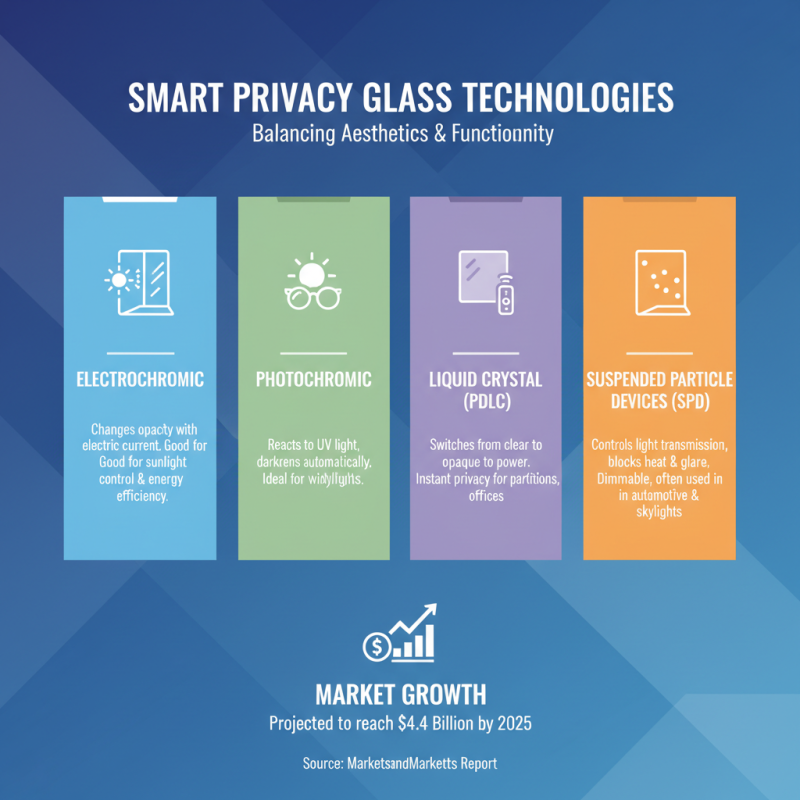
Smart privacy glass has become an essential feature in modern home and office designs, offering a sophisticated balance of aesthetics and functionality. Understanding the various types of smart privacy glass technologies available is crucial for making an informed choice. The primary technologies include electrochromic, photochromic, liquid crystal, and suspended particle devices (SPD). According to a report by MarketsandMarkets, the smart glass market is projected to reach $4.4 billion by 2025, underlining the growing demand for innovative solutions that enhance both privacy and energy efficiency.
Electrochromic glass is one of the most popular types, which changes from clear to opaque with the application of voltage, allowing users full control over their environment. On the other hand, photochromic glass adjusts its tint according to light exposure, automatically providing privacy when needed. Liquid crystal technology utilizes liquid crystal molecules to obscure visibility when the glass is off; however, these molecules align to allow light through when activated. Lastly, SPD technology utilizes suspended particles that can be controlled through an electric field, providing versatile options for users seeking customizable privacy options. As the smart glass industry continues to evolve, understanding these technologies will help consumers select the best option for their specific needs, whether for residential or commercial applications.
Evaluating Energy Efficiency Ratings and Their Impact on Utility Costs
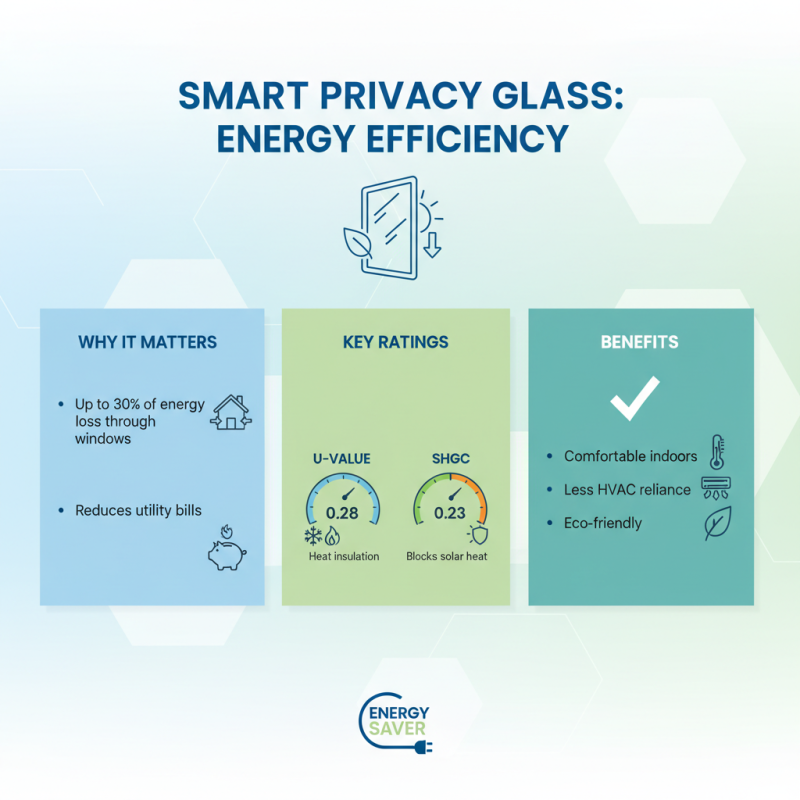
When selecting the best smart privacy glass for your home or office, energy efficiency ratings are paramount. According to the U.S. Department of Energy, windows can account for up to 30% of a building’s heating and cooling costs. Therefore, choosing smart glass with high energy efficiency ratings can significantly reduce utility bills. Many products on the market boast U-values and Solar Heat Gain Coefficient (SHGC) ratings that indicate their effectiveness in insulating against heat loss and minimizing unwanted solar heat gain. For instance, products that achieve an SHGC of 0.25 or lower can help maintain comfortable indoor temperatures, thereby reducing reliance on HVAC systems.
Tips: When evaluating smart privacy glass, look for options that have received Energy Star certification or similar endorsements. This certification ensures that the glass meets rigorous energy efficiency standards, ultimately leading to cost savings and a smaller carbon footprint. It’s also wise to compare the lifetime energy cost estimates provided by manufacturers; this data can help illustrate the long-term savings associated with higher upfront costs.
In addition, consider the impact of varying glass technologies on energy performance. Electrochromic glass, for example, adjusts its tint based on sunlight exposure, allowing for better control of indoor climates. Reports suggest that switching to smart glass can lead to energy savings of up to 20% annually. Thus, investing in quality smart privacy glass can yield significant dividends, both in comfort and utility savings.
Comparing Cost-Effectiveness of Smart Glass Solutions for Home and Office
When considering the adoption of smart privacy glass for home and office environments, cost-effectiveness emerges as a pivotal factor. According to a report by the Global Smart Glass Market Research Institute, the average initial investment for smart glass can range significantly, with price points between $50 to $100 per square foot. However, it's essential to factor in the long-term savings and benefits. Smart glass technology can lead to energy savings of up to 30%, as it allows users to control the amount of light and heat entering a space, which can reduce reliance on heating and cooling systems.
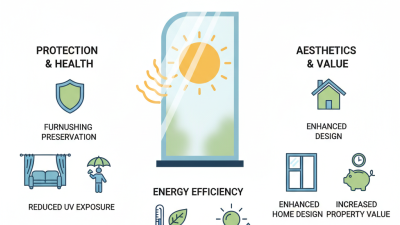
Moreover, the operational costs associated with traditional window treatments can hold substantial overheads. Reports indicate that the annual maintenance and operational cost for traditional blinds and shades can be upwards of $200 per year. In comparison, smart privacy glass requires minimal maintenance and could potentially save homeowners and businesses around 10-15% on their energy bills annually, translating to a quicker return on investment. Furthermore, the enhanced aesthetic appeal and functionality can add to property value, making smart glass a compelling option for those looking to blend modern convenience with economic efficiency.
Cost-Effectiveness of Smart Privacy Glass Solutions
This chart compares the cost-effectiveness of various smart privacy glass solutions for home and office applications based on features such as price per square foot, energy savings, and privacy level.
Assessing Installation Requirements and Maintenance for Smart Privacy Glass
When considering the installation of smart privacy glass for your home or office, it's essential to assess the installation requirements carefully. Smart privacy glass typically operates using electrical current to switch between transparent and opaque states. This means that you'll need access to a reliable power source, which can influence the location where you decide to install it. Furthermore, understanding the glass's dimensions and weight is crucial; heavier glass may require additional structural support. It’s advisable to consult with a professional to ensure that your existing windows or walls can handle the new installation without compromising stability.
Maintenance of smart privacy glass is generally minimal, but there are a few tips to keep it functioning effectively. First, ensure that the glass surfaces are cleaned regularly using non-abrasive materials to avoid scratching the technology embedded within. Second, check electrical connections periodically to ensure there are no issues, especially if your system relies on remote controls or smart home integrations. Additionally, consider implementing a routine inspection of the framing and seals around the glass to prevent moisture intrusion, which can affect performance.
When planning your installation, consider hiring a professional. Their expertise can help identify the best setup for your specific needs while ensuring compliance with safety codes. Additionally, try to gather feedback from other users who have installed similar systems to get insights on potential challenges and best practices.