How to Choose the Right Fire Proof Glass for Your Building Needs?
Choosing the right fireproof glass is crucial for building safety. The demand for fireproof glass in construction has increased significantly. According to recent industry reports, the fire-resistant glass market is projected to reach $4 billion by 2025. This growth reflects heightened awareness around fire safety.
Fire proof glass serves multiple purposes. It protects against heat, smoke, and flames. Yet, selecting the right type can be challenging. Not every solution fits every building need. Factors such as building design, location, and intended use are essential. Many designers overlook these aspects, risking safety and compliance.
This decision can be daunting. Misunderstanding specifications can lead to inappropriate installations. As the industry evolves, new materials become available. Staying informed remains vital. Understanding your specific requirements will ultimately guide the right choice. When choosing fire proof glass, careful consideration ensures protection and peace of mind.
Understanding Fire Resistance Ratings for Glass Products
When selecting fire-resistant glass, it is essential to understand its fire resistance ratings. These ratings indicate how long the glass can withstand fire and how much heat it can block. The ratings typically range from 20 minutes to 90 minutes, depending on the specific product. A report from the National Fire Protection Association highlights that over 50% of building fires arise from flaws in the fire safety design. Choosing the right glass can significantly impact a building's safety.
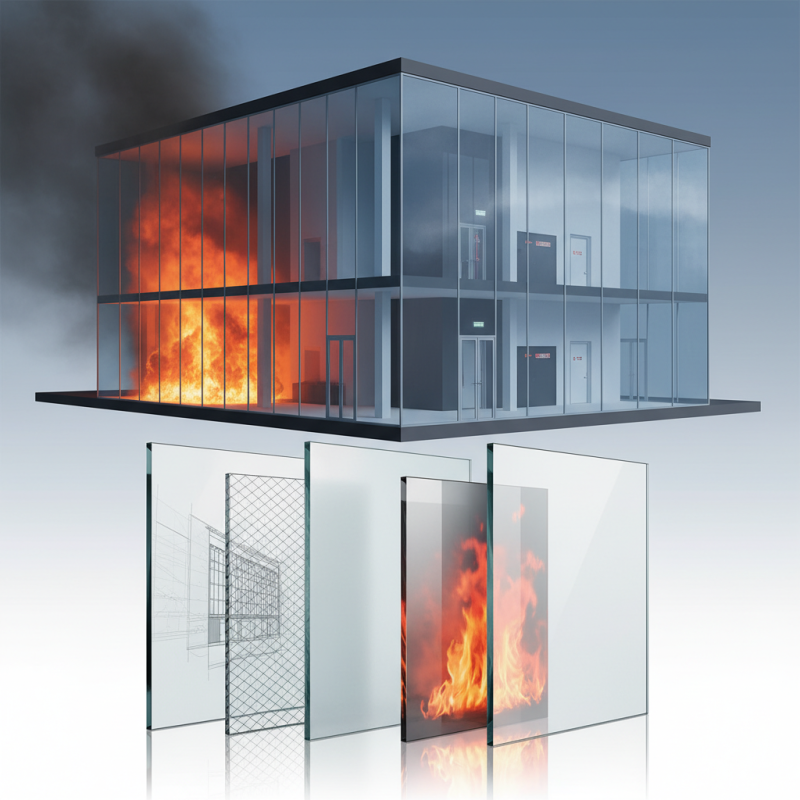
Fire-rated glass is classified into various types based on its performance. For example, tempered glass can endure higher temperatures, making it suitable for many buildings. In contrast, multilayered glass provides enhanced insulation, slowing down heat transfer. However, many still overlook the importance of these distinctions. According to industry studies, about 30% of architects do not fully understand these ratings. This lack of knowledge can lead to unsafe environments.
Selecting the right fire-rated glass is not purely technical; it involves careful consideration of the specific needs of the building. Some glass products may offer aesthetics but lack superior fire resistance. Blindly choosing based on looks can lead to critical safety issues. Numeric data reveals that installations with inadequate fire-rated products have twice the risk of fire damage. Understanding these nuances is vital for informed decisions.
How to Choose the Right Fire Proof Glass for Your Building Needs?
| Glass Type |
Fire Resistance Rating |
Typical Applications |
Thickness |
| Tempered Fire-Rated Glass |
1-3 hours |
Fire doors, partition walls |
6mm - 19mm |
| Laminated Fire-Rated Glass |
30 minutes - 2 hours |
Windows, storefronts |
6mm - 15mm |
| Ceramic Fire-Rated Glass |
1-3 hours |
Curtain walls, skylights |
4mm - 12mm |
| Wire Glass |
45 minutes - 1 hour |
Fire-rated doors, windows |
6mm - 12mm |
Evaluating the Different Types of Fire Proof Glass Available
When evaluating fireproof glass, you should consider its type, thickness, and rating. The main types include
tempered glass,
laminated glass, and
ceramic glass.
Tempered glass is strong but may shatter under severe heat.
Laminated glass combines two layers, providing extra protection.
Ceramic glass can withstand higher temperatures and is often used in critical areas.
Tips: Check the fire rating. Each type has a different fire-resistance time.
This can make or break a decision for safety. Think about installation.
Some options require specialized fittings or mounting.
Get advice from professionals when needed.
Also, be mindful of aesthetic needs.
Fireproof glass can vary in clarity and design. This may affect your building’s look.
Choosing wisely ensures safety without sacrificing style.
Remember, no option is perfect. You might need to compromise between protection and visual appeal.
Key Factors in Selecting Fire Proof Glass for Commercial Buildings
Choosing the right fireproof glass is essential for any commercial building. Several factors must be weighed carefully.
Fire rating is crucial. Glass types vary in terms of protection levels against fire. Knowing how long you need it to resist flames is vital.
Transparency also matters. A balance between safety and visibility is necessary. Too much opacity can make a space feel confined. The location of the glass plays a role in this decision.
Areas with high foot traffic might need different specifications compared to out-of-the-way spots.
Installation should not be overlooked. Improper fitting can lead to vulnerabilities. Regular maintenance is recommended to ensure the glass continues to perform well.
Reflections from fireproof glass can sometimes create glare, causing distractions. Evaluating the trade-offs is an ongoing process.
Make sure to revisit your choices as building needs evolve.
Regulatory Standards and Compliance for Fire Proof Glass Installation
When selecting fireproof glass for a building, understanding regulatory standards is essential. Different regions have diverse safety codes. For instance, in the United States, the National Fire Protection Association (NFPA) sets crucial guidelines. Compliance with NFPA 80 is often required for fire door assemblies. This standard involves testing and installation protocols, ensuring that fire-rated products perform as expected in emergencies.
It's important to consider the classification of fireproof glass. Some glasses are rated for 20 minutes, while others endure longer. A report by the American Society for Testing and Materials (ASTM) indicates that many commercial buildings require a minimum of 60 minutes of fire resistance. Non-compliance can lead to serious consequences. Uncertainties in installation practices can also compromise fire safety. Regular inspections and adherence to manufacturer guidelines are vital.
Moreover, the local building department should approve all materials used. Yet, many projects overlook this step, risking potential hazards. Knowledge gaps among contractors about current regulations can exacerbate these issues. Therefore, having a continuous learning approach is critical for all involved in building safety.
Long-Term Performance and Maintenance Considerations for Fire Proof Glass
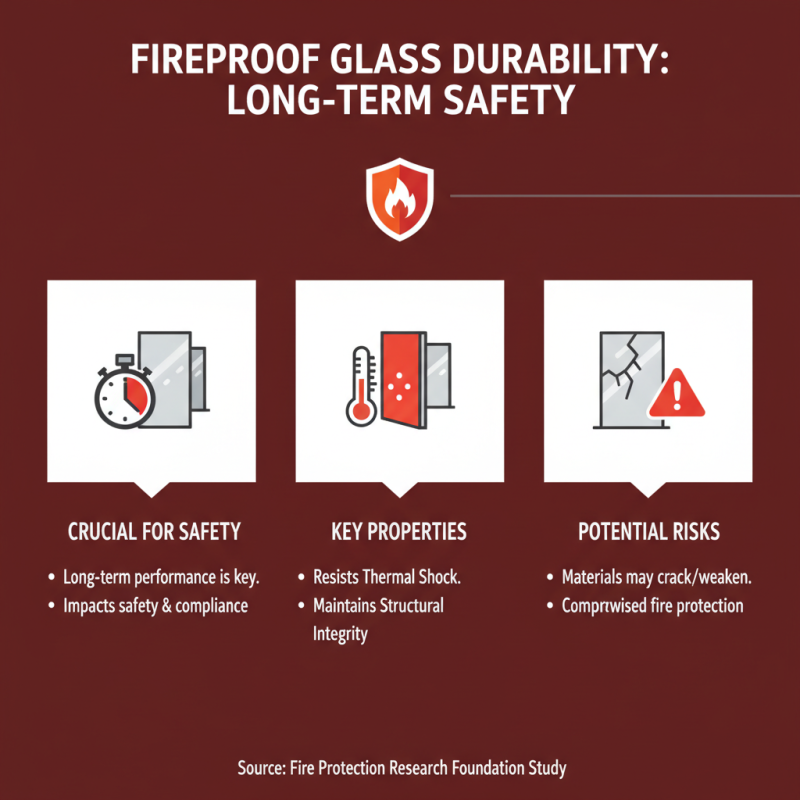
When selecting fireproof glass, long-term performance is crucial. According to a study by the Fire Protection Research Foundation, the durability of fire-rated glazing can significantly impact safety and compliance. Fireproof glass should resist thermal shock and maintain structural integrity under extreme temperatures. Some materials may crack or weaken over time, posing a risk during a fire event.
Maintenance plays an equally important role. Regular inspections ensure that the glass maintains its fire-resistant properties. Exposure to environmental factors can degrade the performance of fireproof glass. A report from the National Fire Protection Association indicates that improper maintenance can reduce fire resistance by up to 50%. Cleaning and repairing any damage promptly is essential to ensure longevity. Additionally, improper installation may lead to gaps that compromise fire safety.
It's crucial to consider both performance and maintenance when choosing fireproof glass. Although some products claim high durability, the actual longevity can differ. Research shows that regular assessments can help identify weaknesses early. It's vital to reflect on installation choices and maintenance routines to ensure the glass serves its intended purpose effectively. Investing in quality fireproof glass is not just about compliance; it's about protecting lives and property.