Leave Your Message
How to Choose UV Protection Glass for Your Project in 2026
Choosing UV Protection Glass is not simply a matter of selecting the darkest pane. The right solution must protect interiors while preserving daylight, colour, comfort, and design intent. UV-A can fade timber, textiles, artwork, and flooring over time. UV-B is more strongly associated with skin and material damage. Yet glass performance varies widely, even when products use similar marketing language.
Dr. Helen Sanders, a recognised architectural glass specialist, has stated, “Glass selection should begin with the building’s performance needs, not with a product label.” That principle remains important in 2026. Check the glass’s ultraviolet transmission data, visible light transmission, solar heat gain, and colour rendering. Ask whether protection comes from a coating, a laminated interlayer, or both. Then examine the complete assembly, including seals, frames, edge exposure, and installation quality.
Small details matter.
A museum display may need extremely low UV transmission, while a home office may prioritise daylight and glare control. A coastal façade faces different risks from an inland retail entrance. Request independent test results, realistic warranty terms, and a physical sample beside the materials it must protect. A daylight mock-up can reveal unwanted tint, reflection, or excessive darkness before installation begins.
No specification is perfect. I would reconsider any recommendation based only on one percentage figure. Long-term protection also depends on maintenance, orientation, shading, and interior exposure. This guide explains how to compare those factors carefully, avoid vague claims, and choose UV Protection Glass that performs beyond the product brochure.
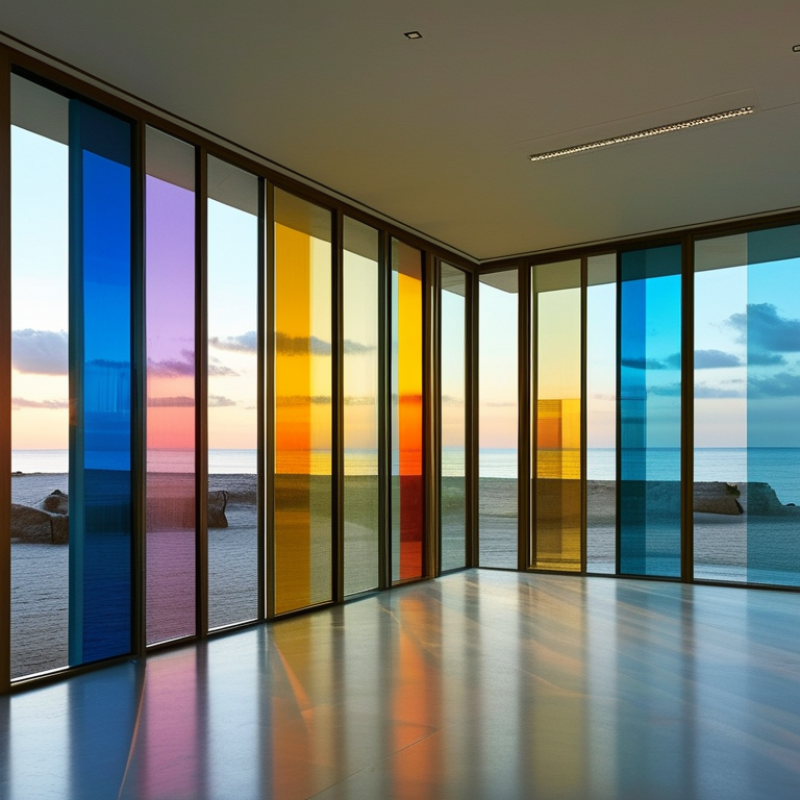
Choosing UV protection glass starts with a clear project goal. Protecting artwork requires stricter control than reducing fading on office furniture. Identify the main risk: UV-A exposure, UV-B exposure, heat, glare, or material discoloration. Then record the room’s orientation, window size, shading, and daily sunlight hours. A south-facing display area may need different performance than a shaded hallway.
Tips: Define what must be protected. Measure daylight needs. Ask for tested UV transmission data. Check visible light transmission too. Very dark glass can reduce comfort.
Glass performance should match the room’s use. Museums may prioritize extremely low UV transmission and stable color appearance. Homes may need balanced daylight, insulation, and safety glazing. Laminated glass can add safety and help filter ultraviolet radiation, but its exact performance depends on the interlayer and construction. Request independent test reports, not only a sales description. Confirm thickness, edge conditions, and installation details with a qualified glass professional.
I once focused too heavily on UV blocking and overlooked natural light. The room felt dull, even though the materials were well protected. That experience changed my approach. Compare UV performance with visible transmittance, solar heat gain, and glare control. Do not assume the highest specification is always the best choice. A practical target should protect valuable surfaces without creating an uncomfortable interior. Recheck the decision after reviewing samples in real daylight.
Use this planning table to match the project’s UV exposure risks with measurable glass-performance requirements. Confirm final values with the selected glass manufacturer and the applicable local building code.
| Project Goal | Recommended Performance Dimension | Practical Target or Selection Range | Why It Matters | Typical Glass Strategy | Verification Method or Reference |
|---|---|---|---|---|---|
| Protect furniture, flooring, and artwork | Ultraviolet transmittance | Select glazing with UV transmittance as close to 0% as practical, especially below 380 nm. | Ultraviolet radiation can contribute to fading and degradation of fabrics, wood finishes, photographs, artwork, and polymers. | Laminated glass with a UV-absorbing interlayer, or an independently tested UV-control coating. | Request a spectral transmittance curve covering approximately 300–400 nm; review results tested to an applicable glazing or optical standard. |
| Reduce UVA exposure through windows | UVA control | Specify the required transmittance limit across the UVA range of approximately 315–400 nm. | UVA has longer wavelengths than UVB and can pass through ordinary clear glazing more readily than UVB. | Use laminated safety glass or a coated insulating-glass configuration designed for broad-spectrum UV reduction. | Compare the manufacturer’s spectral data rather than relying only on a general “UV protection” statement. |
| Protect occupants from solar heat | Solar heat gain coefficient (SHGC) | Use a lower SHGC where cooling loads and direct solar heat are major concerns; the exact target depends on climate and orientation. | SHGC indicates the fraction of incident solar radiation admitted through the glazing as heat. Lower values generally reduce solar heat gain. | Solar-control coating, tinted glass, external shading, or a combination of these measures. | Compare certified NFRC or equivalent data and check the project’s energy-code requirements. |
| Maintain daylight while controlling UV | Visible light transmittance (VLT) | Set a project-specific VLT range, commonly about 35%–70% for many occupied spaces, subject to daylight and glare analysis. | VLT describes the percentage of visible light transmitted through the glass. A lower VLT may reduce glare but can increase dependence on electric lighting. | Neutral solar-control glass, low-iron glass with UV-control interlayer, or a carefully selected low-emissivity configuration. | Review the VLT value using the recognized photopic weighting method and compare it with daylight requirements. |
| Limit fading from sunlight | Combined solar exposure management | Use UV control together with lower SHGC, appropriate VLT, interior blinds, curtains, or exterior shading. | Fading is influenced by UV, visible light, solar heat, exposure time, material sensitivity, and indoor environmental conditions. | Broad-spectrum laminated glazing plus shading and a layout that keeps sensitive objects away from direct sun. | Evaluate the complete window system; UV reduction alone does not guarantee fade prevention. |
| Meet safety requirements in doors and large openings | Safety glazing classification | Use tempered or laminated safety glass where required by code, location, human impact risk, or pane size. | UV protection should not replace safety performance. Laminated glass can retain glass fragments after breakage, while tempered glass is designed for safer breakage behavior. | UV-control laminated safety glass for retention and broad UV reduction; tempered glass where the design specifically requires it. | Verify compliance with the applicable safety-glazing code and product test standards, such as ANSI Z97.1 or CPSC 16 CFR 1201 where applicable. |
| Improve energy performance in conditioned spaces | U-factor and low-emissivity performance | Select a lower U-factor when reducing conductive heat transfer is important; compare the complete window assembly, not glass alone. | U-factor measures heat flow through the glazing system. Lower values generally indicate better insulation. | Double or triple insulating glass with a low-emissivity coating and an appropriate gas fill, where suitable for the climate. | Use whole-window U-factor data from NFRC or an equivalent certification program and confirm spacer and frame details. |
| Avoid glare in workspaces and display areas | Glare and reflected-light control | Set glare criteria through daylight simulation or an on-site review; do not select glass based on VLT alone. | Glare depends on sun position, window orientation, surface brightness, interior finishes, and shading controls. | Combine moderate VLT, solar-control glazing, automated or manual shading, and appropriate interior layout. | Review daylight and glare metrics such as annual sunlight exposure, spatial daylight autonomy, or project-specific visual comfort criteria. |
| Preserve color-sensitive collections | Light exposure and conservation requirements | Use the collection’s conservation policy to define maximum UV exposure, illumination, and annual light-dose limits. | Some pigments, paper, textiles, and organic materials are highly light-sensitive even when UV is substantially reduced. | High-performance UV-filtering laminated glazing, low-intensity lighting, shading, and strict display-control procedures. | Coordinate with a conservator and document spectral transmittance, illuminance, exposure duration, and display conditions. |
| Select a durable system for 2026 projects | Durability, warranty, and compatibility | Require documented durability testing, compatibility confirmation, and a written warranty appropriate to the location. | Coatings, interlayers, sealants, frames, cleaning chemicals, humidity, and temperature cycles can affect long-term performance. | Use a complete tested glazing system with compatible sealants, edge protection, installation details, and approved cleaning procedures. | Review IGU certification, laminated-glass documentation, warranty terms, compatibility statements, and installation guidance. |
Note: Performance values are planning guidance rather than product specifications. UV transmittance, VLT, SHGC, and U-factor vary with glass thickness, coatings, interlayers, air spaces, frames, and testing conditions. Always use certified data for the final project specification.