What is a Curved Glass Guard and How Does it Work?
Curved Glass Guards are gaining popularity in various industries, primarily for their aesthetic and functional benefits. Renowned expert Dr. Sarah Mitchell, a specialist in architectural glass, states, "Curved Glass Guards blend safety with elegance." This innovation not only enhances safety but also transforms ordinary spaces into visual masterpieces.
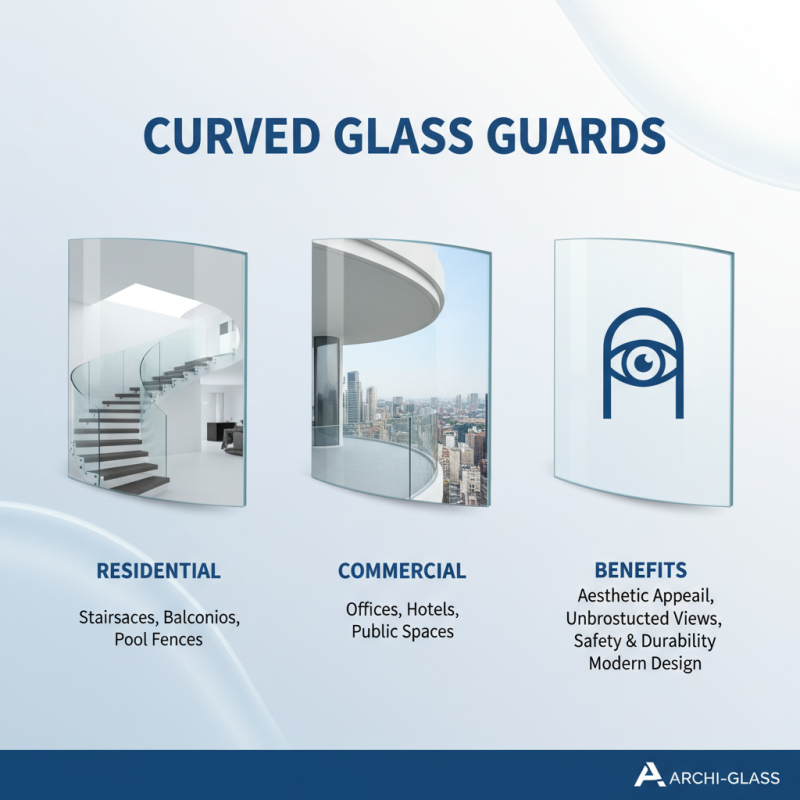
These guards are often found in residential and commercial settings. They provide protection while maintaining an unobstructed view. Imagine a sleek, curved glass railing that complements a stunning staircase. However, there are challenges. Installation complexities can arise, and maintenance might demand more attention than traditional guards. These issues call for a reflection on best practices.
Many people are drawn to the modern look, yet they may overlook the underlying engineering. Understanding how a Curved Glass Guard works reveals its intricate design and sturdy construction. This balance of design and safety requires ongoing education in the industry. It is clear that while Curved Glass Guards offer exciting possibilities, awareness and diligence are essential for optimal use.
What is Curved Glass and Its Applications in Modern Architecture?
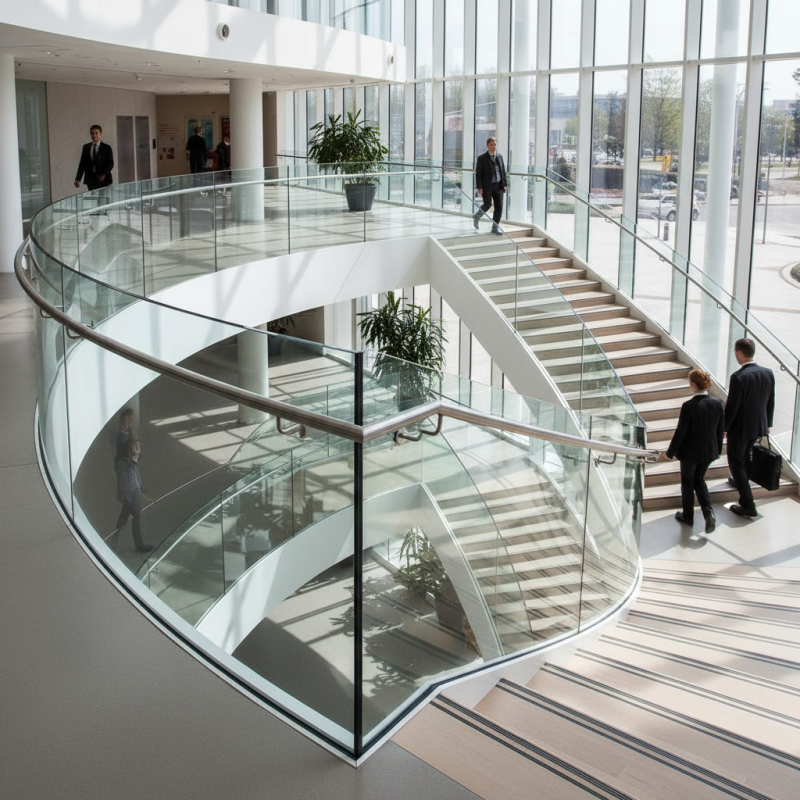
Curved glass has emerged as a popular choice in modern architecture. Its unique design offers both aesthetics and functionality. Curved glass can create smooth, flowing shapes in buildings. This helps to break the rigid lines often associated with traditional architecture. The result is a striking visual appeal that can transform spaces.
Applications of curved glass range from facades to skylights. Large, sweeping windows allow natural light to flood into interiors. This can enhance mood and reduce the need for artificial lighting. Curved glass is also used in partitions and railings, adding safety without compromising style. The seamless look can create an illusion of spaciousness in tight areas. However, producing and installing curved glass can be challenging. It requires precise measurements and skilled craftsmanship.
While curved glass offers many benefits, it is not without drawbacks. It may be more expensive than flat glass. There can be limitations in thermal insulation or energy efficiency. Additionally, maintenance can be tricky due to its unique shape. These factors warrant careful consideration when planning a project. Balancing aesthetics with practical needs is essential for optimal results.
Overview of Curved Glass Guards: Definition and Functionality
Curved glass guards are innovative solutions widely used in various industries. They are primarily designed for safety and aesthetic purposes. The unique curvature of the glass allows it to blend seamlessly into architectural designs, providing functionality without sacrificing style. In fact, data shows that installations of curved glass guards have increased by over 30% in commercial buildings over the past five years. This trend highlights their growing popularity.
These guards function by absorbing impact and preventing accidents. When properly installed, they can withstand significant forces. According to industry reports, curved glass can resist up to 80% more impact than flat glass. However, proper maintenance is crucial. Scratches and chips can weaken the structure and reduce safety effectiveness. Regular inspections are recommended to ensure they meet safety standards.
While curved glass guards enhance aesthetics and safety, they can also present challenges. Installation requires precise measurements and skilled labor. Errors can lead to wasted materials and increased costs. Moreover, glass breakage, although rare, is a concern. Industry experts suggest that understanding the balance between design and function is essential. Not all spaces may benefit from using curved glass guards.
Materials Used in Curved Glass Construction: Strength and Durability
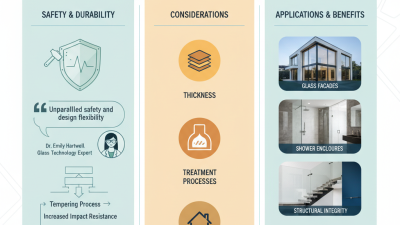
Curved glass is becoming a popular choice in architecture due to its aesthetic appeal and structural advantages. The materials used in its construction are crucial for strength and durability. Typically, tempered glass is employed, as it undergoes a heating and cooling process that increases its toughness. Reports indicate that tempered glass can be up to five times stronger than regular glass. This strength is essential for applications where safety is a priority.
The durability of curved glass is also enhanced by using laminated glass. This type consists of multiple layers, providing additional resistance against impacts and weathering. Studies highlight that laminated glass significantly reduces the risk of shattering, which is crucial for public and high-traffic areas. Yet, maintaining its pristine condition can be a challenge. Scratches and stains may form over time, prompting regular upkeep.
Another consideration is the edge treatments used on curved glass. They can improve resistance to environmental factors. However, imperfect edge finishing can compromise the overall strength. Some manufacturers may overlook this detail, which can lead to unforeseen weaknesses. Attention to such specifics is essential for ensuring that the curved glass guard meets the highest safety standards.
Safety Standards and Regulations for Curved Glass Guards
Curved glass guards are increasingly popular for both aesthetics and safety. They often feature in modern architecture, providing a sleek and stylish look. However, their design and function must meet stringent safety standards and regulations. These requirements ensure that the glass can withstand impact and minimize risk in case of accidents.
Safety standards for curved glass vary by region. In some places, tempered or laminated glass is mandatory. This type of glass is less likely to shatter and can absorb more force upon impact. There are also specific height restrictions for guardrails, depending on their use, like balconies or staircases. Compliance with these regulations is crucial.
Yet, the implementation of safety measures can be inconsistent. Some installations may overlook critical guidelines. This can lead to unsafe environments, compromising the original intent of curved glass guards. Regular evaluations and updates on safety protocols are necessary to ensure these structures remain secure and effective.
Curved Glass Guard Safety Compliance Data
This chart displays the compliance percentages of various safety standards related to curved glass guards. The data indicates that ASTM and ANSI standards have the highest compliance, while GB has the lowest compliance percentage among the listed standards.
Benefits of Using Curved Glass Guards in Residential and Commercial Spaces
Curved glass guards are becoming popular in both residential and commercial spaces. They offer aesthetic appeal paired with practical benefits. These guards typically feature smooth, rounded edges that add a modern touch. They can be used for staircases, balconies, and pools. The transparent design maintains open sight lines while providing safety. People can admire views without obstruction.
One key benefit is safety. Curved glass guards keep spaces secure while looking stylish. The design minimizes sharp corners, reducing injury risks. This makes them a great choice for homes with children or pets. Additionally, they can withstand weather changes in outdoor setups. Some might worry about maintenance, yet glass is often easy to clean.
While they are visually stunning, installation can require careful planning. Not all spaces can accommodate such features. Costs might be higher than traditional options. But for those who prioritize design and functionality, the investment can be worthwhile. It may invite more reflection on how we can integrate beauty into safety.