10 Essential Tips for Choosing Glass Partitions for Your Space?
In the modern office design landscape, "Glass Partitions" have become a staple. As renowned architect Karen L. Smith states, “Glass partitions transform spaces, creating a seamless blend of openness and privacy.” This innovation is more than aesthetic; it’s about functionality.
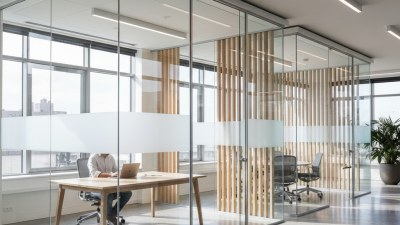
Choosing the right glass partitions can significantly impact workflow and collaboration. Key considerations include the type of glass, thickness, and framing options. Each choice affects light diffusion and acoustic performance. For instance, frosted or tinted glass can offer the necessary privacy without compromising on light.
However, selecting the ideal glass partition can be challenging. Many fail to consider the maintenance required or the potential for breakage. It's crucial to reflect on the long-term implications of these decisions. A poorly chosen partition can disrupt the intended design and functionality of the space. Thus, understanding the nuances of "Glass Partitions" is essential for a successful project.
Understanding the Benefits of Glass Partitions in Modern Spaces
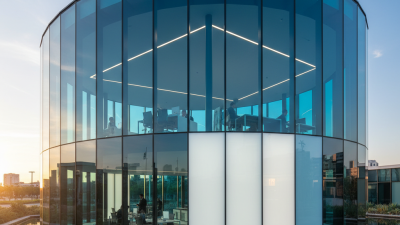
Glass partitions have become popular in modern architectural design. They serve both aesthetic and functional purposes. According to a report by the Global Glass Partition Market, the demand for glass partitions is projected to grow by 9% annually until 2026. This growth highlights their rising significance in offices and commercial spaces.
One major benefit of glass partitions is enhanced natural light. They can transform a dim workspace into a bright and inviting area. Research shows that environments with natural light improve productivity by up to 20%. Additionally, glass partitions create a sense of openness. They allow for easy visibility and communication among team members. However, it's essential to consider sound insulation. Some glass materials can be less effective at dampening noise, impacting privacy and concentration in shared spaces.
Durability is another critical factor. Glass may seem fragile, but safety glass options ensure strength and longevity. Although they are more resistant to damage, it is crucial to select quality materials to avoid issues over time. Regular maintenance is necessary to keep them looking pristine. Small scratches can become more visible with light reflection. Proper care can sustain the clarity and elegance of glass partitions. Striking the right balance between aesthetics and functionality is vital for effective workspace design.
Identifying Your Space Requirements for Glass Partition Selection
When considering glass partitions, assessing your space requirements is crucial. Begin by evaluating the overall design and functionality needed. Recent studies indicate that well-configured spaces can enhance productivity by up to 20%. This shows the significance of choosing the right partition type for your environment.
Measure your area precisely. Consider height, width, and any obstacles such as furniture or infrastructure. Think about the flow of natural light. The right glass partition can optimize this aspect. At least 70% of individuals report feeling more satisfied in well-lit, open environments.
Tip: Choose adjustable systems. This flexibility allows future modifications without major renovations. Another tip is to consider noise reduction. Laminated glass can help minimize sound transmission between areas. Remember, what works for one space may not suit another. Assess your unique needs rigorously; this avoids costly mistakes later on.
Exploring Different Types of Glass Partitions and Their Aesthetics
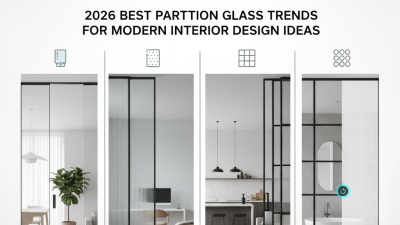
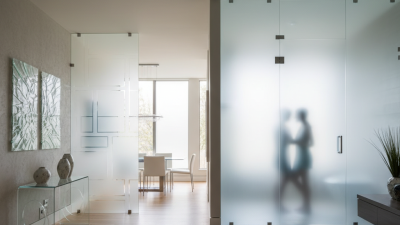
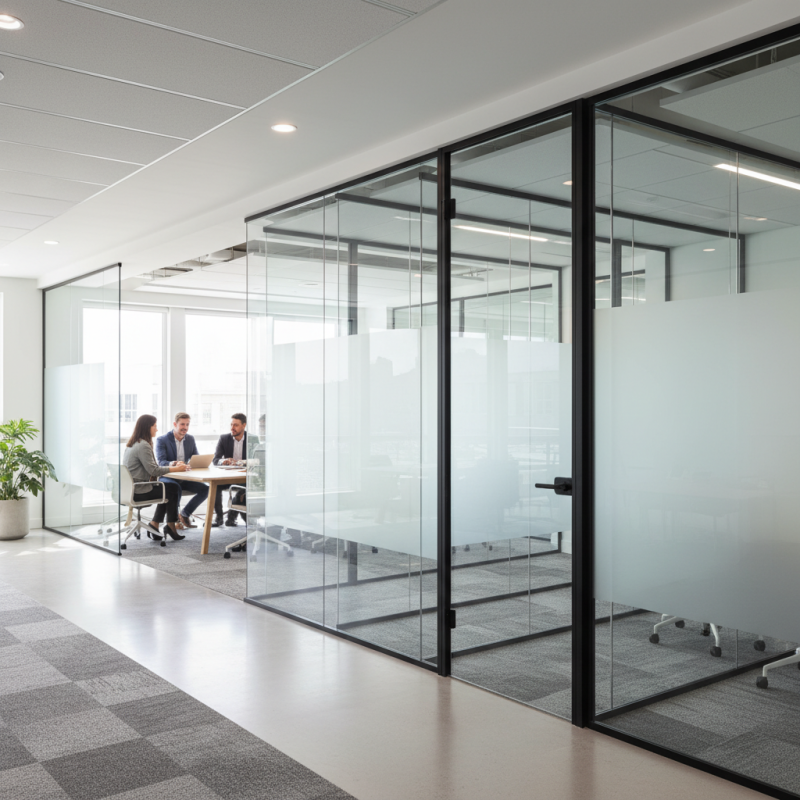
When it comes to glass partitions, aesthetics play a crucial role in enhancing your space. Different types of glass offer unique appearances and functionalities. Clear glass provides an open feel, making areas appear larger and brighter. Frosted glass adds privacy while still allowing light to filter through, creating a soft ambiance in any room. The choice of texture can drastically change the atmosphere. For instance, etched or patterned glass can serve as an artistic focal point in modern interiors.
Tip: Consider the function of the partition before selecting glass. For spaces that require high acoustics, laminated or double-glazed options are ideal. They reduce noise while maintaining a stylish look. Glass partitions can also be framed or frameless, affecting their visual impact. A sleek, frameless option often gives a contemporary vibe, while a framed version can accentuate traditional designs.
Remember to reflect on your needs. What style resonates with your company's identity? How much light do you want to allow in? Exploring a variety of designs can lead to surprising discoveries. Each type has its pros and cons, inviting careful evaluation based on your specific requirements. Prioritize both aesthetic appeal and practicality to create the ideal environment.
10 Essential Tips for Choosing Glass Partitions for Your Space
| Tip Number |
Tip |
Type of Glass |
Aesthetic Appeal |
| 1 |
Consider the Purpose |
Clear Glass |
Modern and Open |
| 2 |
Evaluate Sound Privacy |
Acoustic Glass |
Sleek and Professional |
| 3 |
Choose the Right Thickness |
Tempered Glass |
Stylish and Safe |
| 4 |
Think About Lighting |
Frosted Glass |
Soft and Diffused |
| 5 |
Consider Frame Styles |
Frameless Glass |
Minimalist and Chic |
| 6 |
Plan for Maintenance |
Self-Cleaning Glass |
Convenient and Modern |
| 7 |
Check for Safety Features |
Laminated Glass |
Safe and Secure |
| 8 |
Consider Tinting Options |
Tinted Glass |
Stylish and Functional |
| 9 |
Match with Interior Design |
Etched Glass |
Artistic and Elegant |
| 10 |
Consult with Professionals |
Various Types |
Optimal and Tailored |
Considering Acoustic and Privacy Needs in Glass Partition Designs
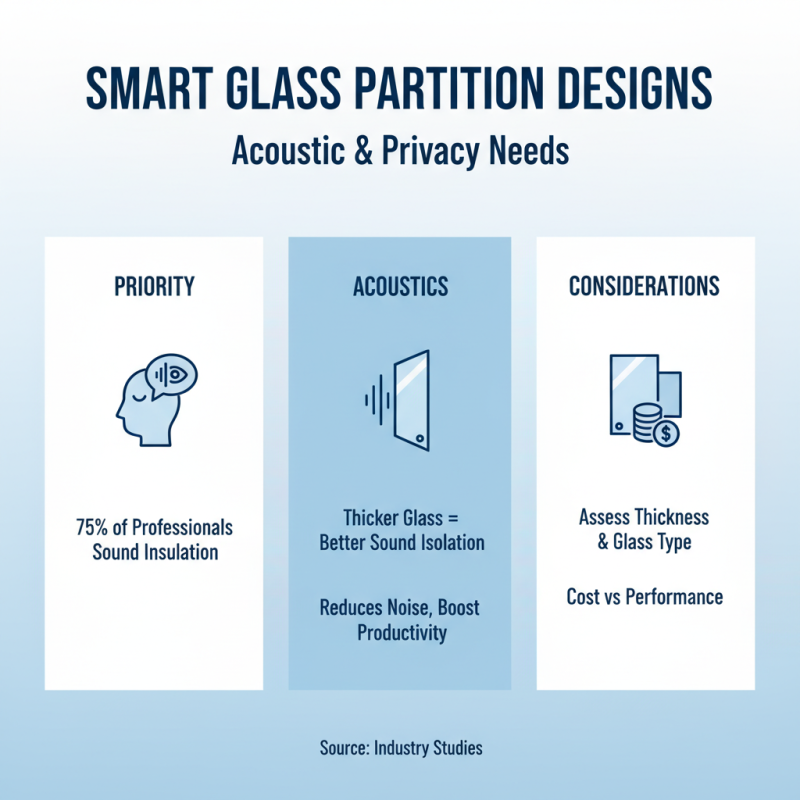
When selecting glass partitions, acoustic and privacy considerations are paramount. Studies show that about 75% of professionals value sound insulation in workplace designs. High-quality glass can help reduce noise levels significantly, creating a more productive environment. However, it’s crucial to assess the thickness and type of glass. Thicker glass provides better sound isolation, but may also increase costs.
Privacy is another key factor. Employees often need confidential spaces for calls and discussions. Transparent glass can hinder this, so consider frosted or laminated options. According to a report from the American Institute of Architects, 80% of workers appreciate private spaces. This finding emphasizes the need for thoughtful design. Yet, using opaque materials entirely can darken an area and make it feel smaller.
It’s important to balance these elements. A well-designed space should cater to both interaction and privacy. Architects suggest incorporating movable partitions for flexibility. However, adaptability can lead to additional costs and complexity. Building the right environment requires innovative solutions that embrace both clarity and seclusion. This balance might not be easy to achieve, but it's vital for enhancing overall workplace satisfaction.
Assessing Installation and Maintenance Factors for Glass Partitions
When choosing glass partitions, it’s essential to assess installation and maintenance factors thoroughly. Proper installation ensures safety and longevity. According to industry reports, improperly installed glass can lead to costly damages and safety hazards. Always seek professionals with expertise in glass installation. Their experience significantly minimizes risks and improves outcomes.
Consider maintenance requirements as well. Regular cleaning is crucial to keep glass partitions looking new. A study from the Glass Association suggests that maintenance can enhance the lifespan of glass by up to 30%. This means more value for your investment.
Tip 1: Evaluate the ambient conditions where the partitions will be installed. Humidity and temperature variations can affect the glass over time.
Tip 2: Opt for tempered or laminated glass. These types offer better durability and safety features, which can ease maintenance concerns.
Tip 3: Confirm that the hardware used is corrosion-resistant. Proper materials reduce wear and tear, thereby decreasing long-term costs.
Such insights can guide your decision, ensuring that your glass partitions serve your space effectively.