What is a Frosted Glass Sheet? Benefits, Uses, and Buying Guide
Frosted glass sheets have become increasingly popular in various industries due to their unique combination of aesthetic appeal and functional benefits. Defined by their translucent properties, these sheets provide privacy while still allowing natural light to permeate spaces, making them ideal for applications in both residential and commercial settings. According to a recent report by the Architectural Glass Association, the demand for frosted glass has surged by over 20% in the past five years, reflecting a growing preference for modern design solutions that prioritize both style and utility.
Industry expert Dr. Emily Chen, a leading authority in architectural materials, emphasizes the significance of frosted glass in contemporary design, stating, "Frosted glass sheets not only enhance the visual aspect of a space but also contribute to energy efficiency and sustainable architecture." This dual functionality makes them a versatile choice for partitions, shower enclosures, and decorative elements. As consumers become more design-conscious, understanding the benefits and wide-ranging applications of frosted glass sheets is essential for making informed purchasing decisions. Through this guide, we aim to explore the advantages, uses, and key factors to consider when selecting frosted glass sheets for various projects.
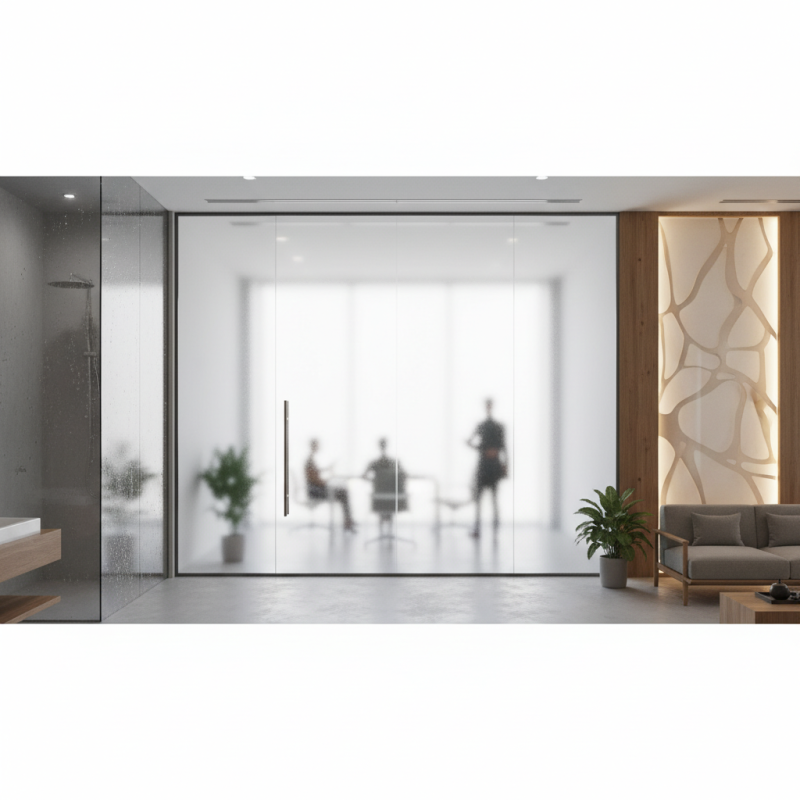
What is a Frosted Glass Sheet? Definition and Characteristics
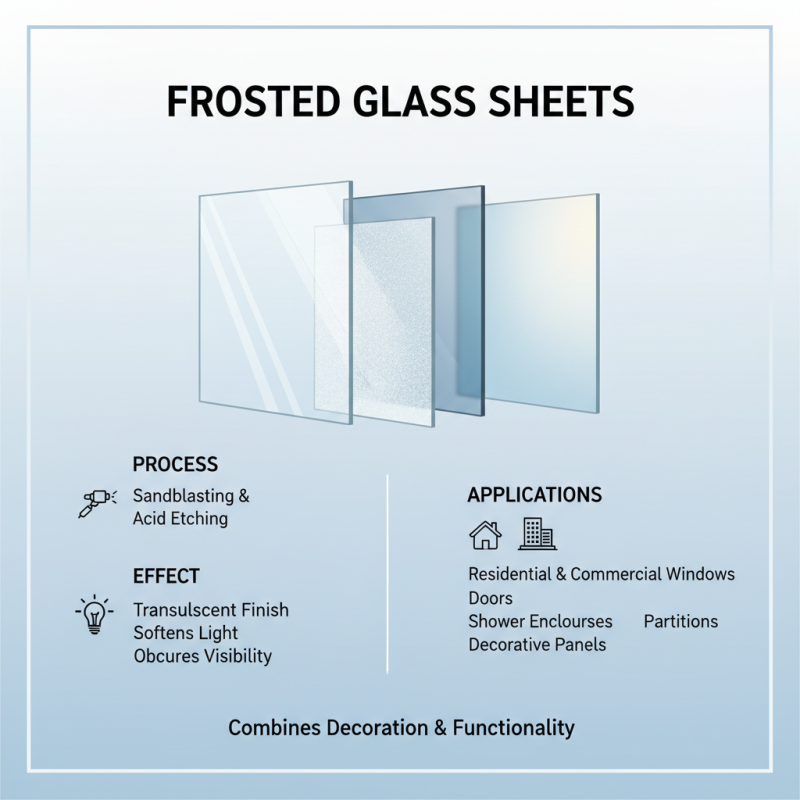
Frosted glass sheets are a type of glass that has been treated to create a translucent finish, effectively softening any harsh light that would otherwise penetrate through clear glass. This frosted effect is achieved through processes such as sandblasting or acid etching, which obscure visibility while still allowing light to pass through. The result is a versatile material that combines decorative appeal with functionality, making it popular for a variety of applications in both residential and commercial settings.
One of the key characteristics of frosted glass sheets is their ability to maintain privacy without sacrificing natural light. This makes them an excellent choice for bathroom windows, office partitions, and shower enclosures. Additionally, frosted glass can enhance the aesthetic quality of a space, adding a modern and sophisticated touch. It is also relatively easy to clean and maintain, as the textured surface can effectively hide fingerprints and smudges. With these characteristics, frosted glass sheets offer a perfect blend of beauty and practicality, making them an invaluable material in contemporary design.
Benefits of Using Frosted Glass: Aesthetic and Functional Advantages
Frosted glass sheets are increasingly popular in both residential and commercial settings due to their unique combination of aesthetic appeal and functional advantages. One of the primary benefits of frosted glass is its ability to provide privacy without compromising natural light. This makes it an ideal choice for areas such as bathrooms, office partitions, and conference rooms, where maintaining openness while ensuring discretion is crucial. The soft, diffused light that frosted glass offers creates a warm ambiance, enhancing the overall atmosphere of a space.
In addition to privacy, frosted glass sheets can also contribute to energy efficiency. Unlike clear glass, which can allow significant heat transfer, frosted glass helps to filter sunlight, reducing glare and heat accumulation indoors. This can lead to a more comfortable environment and potentially lower energy costs by decreasing the need for artificial cooling. Moreover, the versatility of frosted glass in design allows it to complement a variety of styles, from modern minimalist to classic architecture, providing an elegant touch to any project. Its ease of maintenance also adds to its advantages, as cleaning requires only simple glass cleaner and a soft cloth to keep it looking pristine.
Common Applications of Frosted Glass Sheets in Architecture and Design
Frosted glass sheets are increasingly popular in architecture and design due to their unique aesthetic appeal and practical applications. They are created by sandblasting or acid etching clear glass, which results in a translucent surface that diffuses light while providing privacy. According to a report by Grand View Research, the global frosted glass market is expected to grow at a compound annual growth rate (CAGR) of over 7% from 2021 to 2028, highlighting the rising demand in residential and commercial sectors.
One of the most common applications of frosted glass sheets is in interior spaces, where they are used for partitions, doors, and windows. This not only maintains a level of privacy but also enhances natural light infiltration. In offices, frosted glass panels are often utilized in conference rooms and workstations, creating a modern atmosphere while minimizing distractions. The versatility of frosted glass also extends to outdoor uses, serving as privacy screens in gardens or patio areas, showing its unique ability to blend functionality with decorative purposes.
Moreover, frosted glass sheets are frequently incorporated into various architectural elements such as shower enclosures, backlit feature walls, and cabinetry. A study from Research and Markets indicates that the increasing trend toward minimalistic design and open-space concepts has driven up the use of frosted glass in both residential and commercial properties. As architects and designers continue to seek innovative materials that complement contemporary styles while offering practical benefits, frosted glass remains a top choice for enhancing visual appeal and functionality in various design initiatives.
What is a Frosted Glass Sheet? Benefits, Uses, and Buying Guide
| Dimension |
Benefits |
Common Uses |
Types |
| 3mm to 10mm |
Provides privacy without sacrificing light |
Bathroom windows, office partitions |
Tempered, laminated |
| Custom Sizes Available |
Easy to clean and maintain |
Interior design, shower doors |
Frosted, etched |
| Various Colors |
Aesthetic appeal |
Glass doors, balustrades |
Colored, patterned |
| Standard Sheets: 48"x96" |
UV resistant |
Commercial spaces, decorative panels |
Clear, frosted |
Factors to Consider When Buying Frosted Glass: Quality and Finish
When considering the purchase of frosted glass sheets, quality and finish are paramount factors that can significantly impact both functionality and aesthetic appeal. Quality frosted glass is typically manufactured through various techniques, such as sandblasting or acid etching, which create a uniform texture. This texture not only diffuses light effectively but also enhances privacy without completely blocking visibility. As you evaluate different options, it's essential to look for sheets that are tempered or laminated to ensure durability and safety, especially in high-traffic areas.
The finish of frosted glass is another crucial aspect to consider. A smooth, even surface indicates a well-crafted product that will resist scratches and maintain its appearance over time. Additionally, the opacity level can vary; some frosted glass sheets provide more privacy than others while still allowing diffused light to filter through. Assessing your specific needs—whether for a shower door, partition, or decorative element—will help determine the right type of finish required. By prioritizing quality and finish in your selection process, you can ensure that your frosted glass not only meets your design requirements but also stands the test of time.
Frosted Glass Sheet: Benefits and Uses
Industry-Specific Insights: Frosted Glass Market Trends and Pricing Data
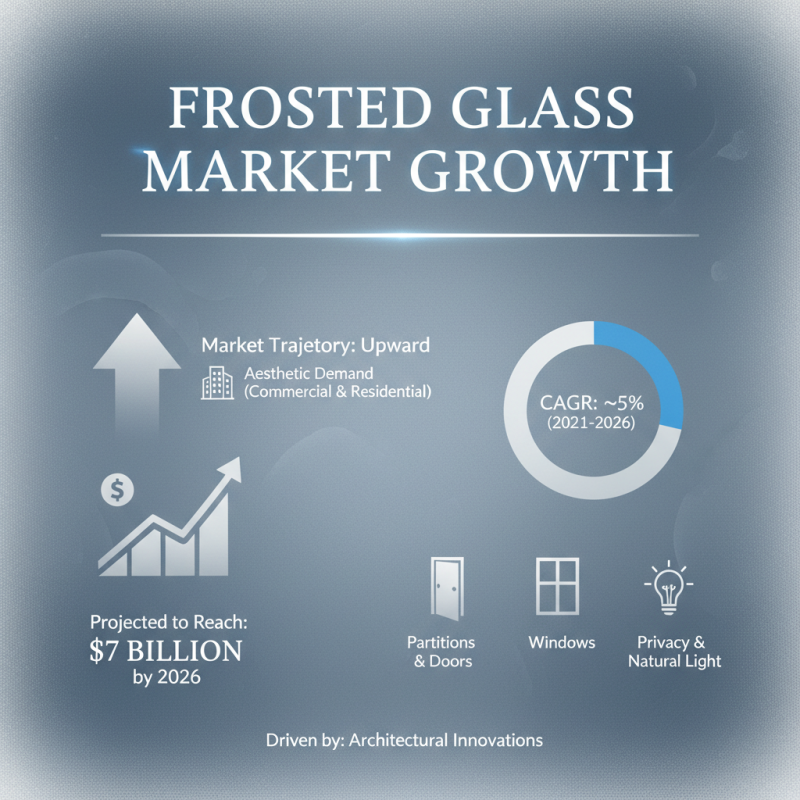
The frosted glass market has seen a notable growth trajectory in recent years, largely driven by the increasing demand for aesthetic applications in both commercial and residential spaces. According to a recent market analysis report, the global frosted glass market is projected to reach approximately $7 billion by 2026, growing at a compound annual growth rate (CAGR) of around 5% from 2021. This growth is propelled by architectural innovations that seek to blend functionality with design, promoting the use of frosted glass for partitions, doors, and windows that enhance privacy while allowing natural light to filter through.
Furthermore, the pricing dynamics of frosted glass are influenced by various factors, including raw material costs, production methods, and regional market demands. Reports suggest that the average cost of frosted glass typically ranges from $20 to $50 per square meter, depending on the thickness and treatment process. Notably, advancements in manufacturing technologies, such as the introduction of eco-friendly processes, are also expected to impact pricing structures positively while catering to increasing sustainability preferences among consumers. As industry players continue to innovate and expand their offerings, the frosted glass segment is expected to adapt to evolving market trends, including custom designs and enhanced durability.