Arched Glass Shield Tips for Global Buyers Seeking Quality
In the world of construction and design, the "Arched Glass Shield" stands out for its elegance and functionality. Industry expert Dr. Emily Hart, who has over 15 years of experience in architectural glass, emphasizes the importance of quality in this niche market. She once stated, “Investing in a superior Arched Glass Shield means prioritizing longevity and aesthetic appeal.”
As global buyers seek durable solutions, it becomes essential to understand what differentiates quality products from subpar alternatives. An Arched Glass Shield not only enhances visual appeal but also serves crucial protective roles in various environments. The market is flooded with options, yet true craftsmanship remains rare and often challenging to identify.
It’s important to recognize that not all vendors provide the same level of quality. Buyers may face pitfalls by focusing solely on price or aesthetics. In the pursuit of excellence, a thoughtful consideration of materials, suppliers, and manufacturing processes is crucial. Knowledgeable buyers will ensure their selections align with both their functional needs and their commitment to sustainability.
Understanding Arched Glass Shields: A Comprehensive Overview
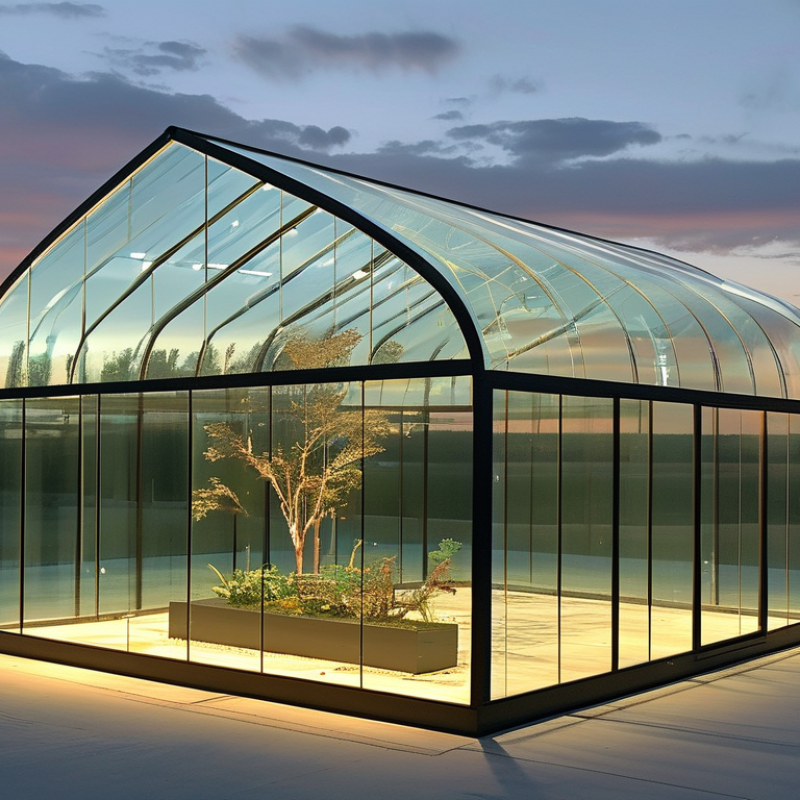
Arched glass shields are becoming increasingly popular. These structures provide protection while offering a modern aesthetic. Many industries, from architecture to automotive, benefit from their use. However, choosing the right arched glass shield is not simple. Quality varies widely among suppliers, making careful selection crucial.
Understanding the design and manufacturing process is essential. Factors like glass thickness and curvature affect visibility and durability. Poorly designed shields might shatter under pressure or fail to provide adequate protection. Specialized techniques, such as tempering and lamination, can enhance the resilience of these shields. Not every manufacturer employs these methods, revealing a gap in quality standards.
Global buyers should be vigilant in their research. Reading reviews and seeking expert opinions helps identify reliable sources. Yet, not all products meet high expectations. Some buyers may find themselves dissatisfied because of inadequate support or unclear specifications. It's vital to ask questions and request samples to assess quality firsthand. Making informed decisions leads to better outcomes in purchasing arched glass shields.
Arched Glass Shields Quality Comparison
This chart provides a comparison of key quality metrics for arched glass shields, including thickness, clarity, durability, UV protection, and price per square foot. These metrics are crucial for global buyers looking for high-quality options.
Key Factors to Consider When Sourcing Arched Glass Shields
When sourcing arched glass shields, several key factors come into play. Quality is paramount. According to the Glass Association, 70% of glass products fail due to inadequate quality control. Therefore, understanding the manufacturing process is crucial. Look for suppliers who adhere to international standards like ISO 9001. This ensures a level of consistency and reliability.
Another critical factor is the material used in production. High-quality tempered or laminated glass offers superior strength and durability. Reports show that tempered glass can withstand temperatures of up to 300°F and is five times stronger than standard glass. Evaluate transparency and clarity as well; poor clarity can lead to frustration in applications requiring visibility.
Cost is often a decisive factor, but striving for the lowest price can lead to compromises in quality. Buyers should be cautious. Balancing quality and price is essential for long-term satisfaction. Researching multiple suppliers is necessary but can be time-consuming. Consider doing a pilot order to assess the product before making bulk purchases. This can prevent poor investment decisions and hindsight.
Evaluating Quality: Materials and Manufacturing Processes
When evaluating arch glass shields, understanding materials and manufacturing processes is crucial. High-quality glass shields often use tempered or laminated glass, both offering enhanced strength. According to a report by the Glass Association, tempered glass is five to ten times stronger than standard glass, making it suitable for demanding environments. Laminated glass, composed of multiple layers, provides additional safety by holding together when shattered.
Manufacturing processes directly impact durability and appearance. For example, high-precision cutting techniques ensure that edges are smooth and fit seamlessly with frame designs. A study from the International Glass Institute highlights that poor cutting can lead to weaknesses, potentially resulting in cracks over time. This calls for buyers to investigate supplier practices carefully.
Reflecting on sustainability, many manufacturers are improving their processes. However, challenges remain regarding energy consumption and waste. Some facilities still use outdated technologies, leading to inefficiencies. As buyers become more aware, they can support companies that prioritize eco-friendly practices while still delivering quality products. Identifying these aspects is essential for ensuring long-term satisfaction with glass shields.
Top Suppliers: Finding Trusted Manufacturers Globally
When searching for arched glass shields, finding reliable suppliers is crucial. The global industry for architectural glass is projected to reach $235.7 billion by 2026, reflecting its growing importance in design. Trusted manufacturers provide essential quality, ensuring safety and aesthetic appeal.
Research shows that around 40% of buyers prioritize supplier reputation. This statistic underscores the need for due diligence. Look for suppliers with strong track records, verified credentials, and positive customer feedback. These factors contribute to overall trust and reliability in the procurement process.
Visiting trade shows can also offer insights into potential manufacturers. Engaging directly with suppliers helps establish relationships and discuss specifics. Many buyers report challenges in communication, so emphasizing clarity is vital. In the end, selecting the right partner in arched glass shield production can significantly impact project outcomes.
Best Practices for Maintenance and Care of Arched Glass Shields
Arched glass shields offer a unique aesthetic while serving a practical purpose. To maintain their clarity and structural integrity, proper care is essential. Regular cleaning is one of the best practices. Use a gentle solution of soap and water, paired with a soft cloth. Abrasive materials can scratch the surface, diminishing its appeal.
Temperature fluctuations can also impact glass. Be mindful of placement. Avoid areas with extreme heat or cold. If exposed, it could lead to stress fractures. Furthermore, inspect the shields for any signs of wear or damage. Early detection of chips or cracks can save costly repairs later.
Storing glass shields correctly is equally important. When not in use, keep them in a protective case, away from direct sunlight. This helps preserve their quality. Consider consulting with experts when uncertainties arise. Mistakes in care can lead to irreversible damage. Reflect on your methods and adapt them for better results in the future.
Arched Glass Shield Tips for Global Buyers Seeking Quality - Best Practices for Maintenance and Care of Arched Glass Shields
| Aspect |
Recommendation |
Frequency |
Notes |
| Cleaning |
Use a soft microfiber cloth and a gentle glass cleaner |
Weekly |
Avoid abrasive materials to prevent scratches |
| Inspection |
Check for cracks or chips |
Monthly |
Address any issues promptly |
| Storage |
Store in a dry, temperature-controlled environment |
As needed |
Keep away from direct sunlight to prevent fading |
| Edge Protection |
Use rubber bumpers or protective sleeves |
Continuously |
Minimize risk of chipping during transport |
| Reinstallation |
Ensure all fittings are tight and secure |
After any maintenance |
Check alignment for optimal performance |