2026 How to Choose Smart Privacy Glass for Your Home and Office
Smart Privacy Glass is transforming the way we think about privacy in residential and commercial spaces. According to a recent market analysis by Grand View Research, the global smart glass market is projected to reach $6.6 billion by 2026. This surge reflects a growing awareness of the benefits smart glass can offer. Experts like Dr. Elena Hargrove emphasize its potential, stating, “Smart Privacy Glass is not just a luxury; it's a necessity for modern living.”
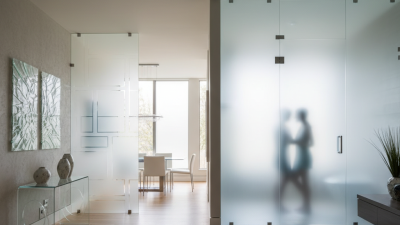
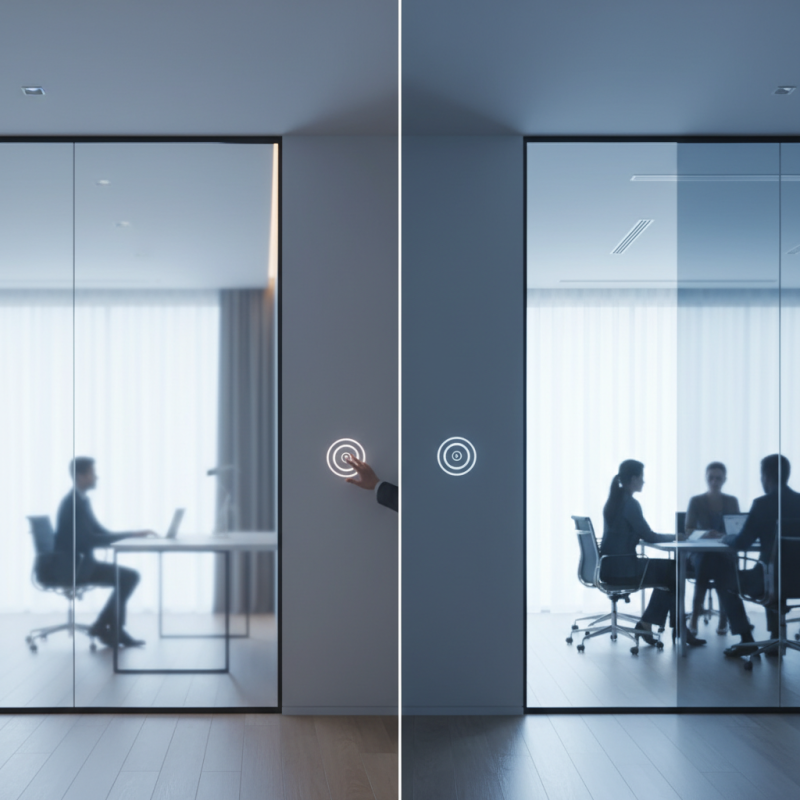
Incorporating Smart Privacy Glass into your home or office allows for versatile control over visibility. You can switch between transparent and opaque states at the touch of a button. This technology provides the right balance of openness and seclusion. However, many consumers overlook critical aspects when making purchasing decisions. For instance, the energy efficiency, installation process, and long-term maintenance should be thoroughly assessed.
It's essential to recognize that while Smart Privacy Glass offers significant benefits, it is not always the perfect solution. Homeowners and businesses must weigh the costs against their specific needs. Ultimately, choosing the right Smart Privacy Glass requires careful consideration of various factors to make an informed decision.
Understanding Smart Privacy Glass Technology: Key Features to Consider
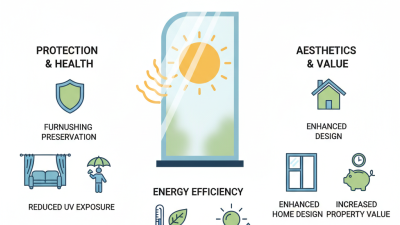
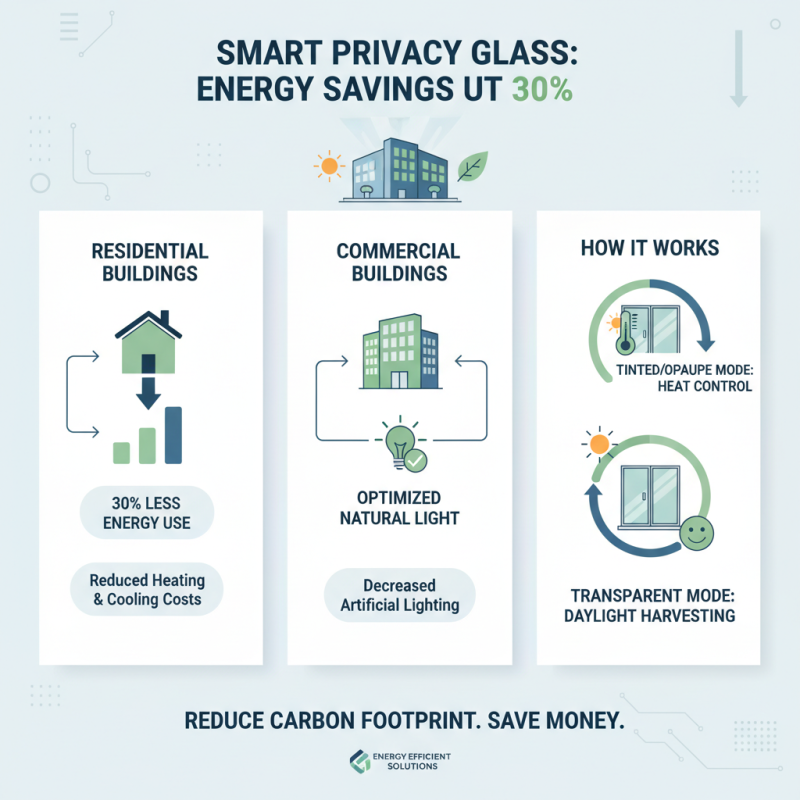
When choosing smart privacy glass for your home or office, understanding the technology behind it is crucial. Smart privacy glass uses liquid crystal or electrochromic technology to switch between transparent and opaque states. Studies reveal that this type of glass can reduce energy costs by up to 30% by regulating natural light and minimizing heat gain. It's a smart choice for modern buildings.
Key features to consider include the speed of switching. Quality smart glass can change from clear to frosted in seconds. However, some cheaper options may take longer. Also, consider the tint level. Certain models provide various degrees of opacity, which can impact the overall brightness of a room. For instance, a completely opaque setting can create a serene environment, yet may feel too dark for some spaces.
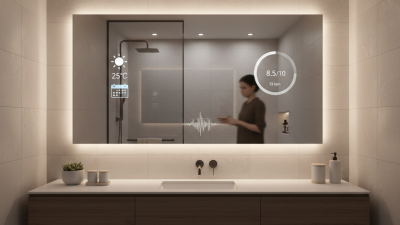
Another critical aspect is the control method. Many smart glass products can be integrated with home automation systems. However, not all systems are compatible. It's essential to check compatibility before installation. Additionally, installation may require professional help, which can add to costs. Exploring these factors ensures the right fit for your needs. Smart privacy glass is a great innovation, yet careful consideration is key to avoid regrets later.
Evaluating Energy Efficiency: The Role of Smart Privacy Glass in Homes and Offices
Smart privacy glass has gained popularity for its potential in energy efficiency. According to a recent report, using this technology can reduce energy consumption by up to 30% in residential and commercial buildings. This is particularly relevant for offices, where natural light can significantly lower reliance on artificial lighting. When the glass is tinted or opaque, it helps control heat gain from sunlight, maintaining indoor temperatures with less energy.
Moreover, the impact of smart privacy glass extends beyond energy savings. It enhances comfort and productivity in workspaces. A survey found that 65% of employees prefer work environments with adjustable light levels. However, it’s essential to analyze the effectiveness of different glass types. Not all smart privacy glass offers the same energy efficiency. Some may not meet expectations, leading to frustration and additional costs.
Choosing the right smart privacy glass requires careful consideration. Look for options with low solar heat gain coefficients (SHGC). Studies recommend an SHGC below 0.25 for optimal performance. Implementation might entail upfront costs, but the long-term benefits in energy savings and comfort can be worth the initial investment. Thus, balancing cost and efficiency is crucial for both homes and offices.
Cost Analysis: Budgeting for Smart Privacy Glass Installation and Maintenance
When considering smart privacy glass for your home or office, budget plays a crucial role. According to industry reports, installation costs can range from $50 to $150 per square foot. Maintenance fees, including cleaning and occasional repairs, typically add another 10-15% annually. This means for a standard office window, you could be looking at a budget of over $1,500 just for installation.
Tips: Assess your specific needs. Determine how many windows require smart glass. This can help reduce costs. You might not need smart glass for every window. Focus on areas where privacy is essential.
Despite the expense, the benefits can justify the investment. Smart privacy glass can enhance energy efficiency, lowering electricity bills by up to 25%. However, some homeowners report dissatisfaction with the opacity during sunny days. This requires careful planning before installation. Researching multiple options is key to finding the best fit and avoiding buyer’s regret.
Tips: Consult with professionals for accurate estimates. Consider long-term savings versus upfront costs. This helps ensure that your investment aligns with your financial goals and lifestyle needs.
Cost Analysis of Smart Privacy Glass Installation and Maintenance
Installation Methods: Choosing the Right Approach for Your Space
When selecting the right installation method for smart privacy glass, consider your specific needs. There are several approaches available. Each method has advantages and challenges. The cost can vary widely based on installation complexity. Reports indicate that professional installation can range from $5 to $10 per square foot.
For some, an adhesive film installation might seem appealing. It's generally less expensive and easier to apply. However, the longevity and durability may not match that of integrated solutions. Users may find the film peeling after a few years. Alternatively, integrated smart glass involves replacing existing windows, which can be costly but offers a sleek, seamless look. The choice depends heavily on the desired aesthetics and budget.
Discussing installation options with professionals can clarify the process. Many experts recommend conducting a thorough assessment before deciding. Avoid rushing. Consider the long-term implications of your choice. Not all solutions will work perfectly for every space. Each installation carries potential drawbacks that require careful thought.
Regulatory Standards: Compliance and Safety in Smart Privacy Glass Usage
When considering smart privacy glass for your home or office, regulatory standards play a crucial role. Ensuring compliance with industry norms is vital for safety and performance. According to a recent report from the International Window Association, nearly 30% of installations fail to meet basic safety standards. This statistic highlights the need for careful selection and verification of product compliance.
One key factor is to evaluate the certification of the glass. Look for products that meet ANSI, ASTM, or ISO standards. These credentials indicate that the glass has passed rigorous testing. It's crucial to inquire about the sources of these certifications. Some manufacturers may boast compliance without substantial evidence.
Tips: Always request documentation. Ensure the glass has undergone impact resistance testing. Weak spots may not be apparent. Regular audits of installations can also help maintain safety standards.
Selecting smart privacy glass involves more than aesthetics. Awareness of the regulatory landscape is essential. As designs merge into urban environments, compliance can dictate the longevity and functionality of materials. Industry experts recommend that 10% of budgets should be reserved for compliance checks. Balancing innovation with safety ensures you protect both your investment and those who will use the space.