What is Smart Privacy Glass and How Does It Work?
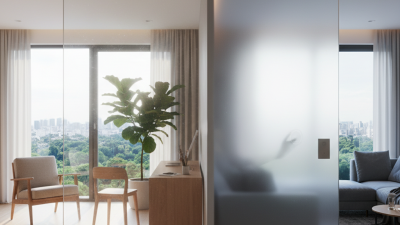
Smart Privacy Glass represents a breakthrough in architectural design and modern technology. This innovative material can transform from transparent to opaque, ensuring privacy when needed. People increasingly value their personal space, and Smart Privacy Glass addresses this requirement effectively.
The technology behind Smart Privacy Glass is fascinating. It uses electrochromic or polymer-dispersed liquid crystal technology to change its opacity. When electricity is applied, the glass becomes transparent. Without power, it becomes frosted, providing instant privacy. This adaptability is perfect for homes, offices, and even vehicles.
Despite its advantages, there are factors to consider. Cost and installation can be barriers for some users. Additionally, reliance on electricity for functionality may be a concern during power outages. Nevertheless, Smart Privacy Glass offers a unique solution for managing privacy in an ever-evolving world. It encourages us to rethink how we interact with our environments.
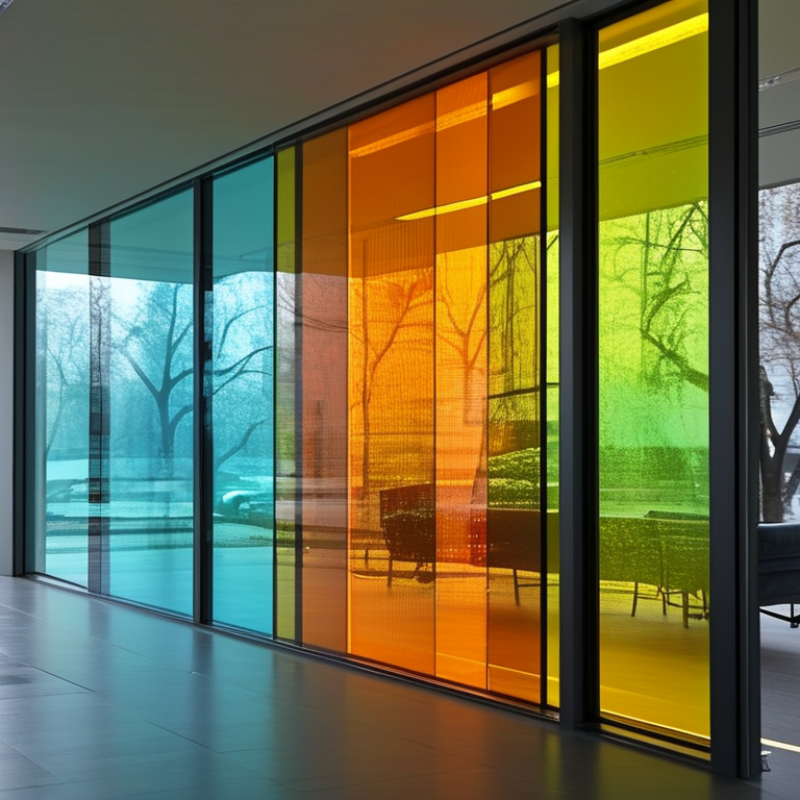
What is Smart Privacy Glass?
Smart Privacy Glass is an innovative solution designed to provide
privacy on demand. This technology can cleverly adjust its transparency
based on user preferences. When switched on, it shifts from transparent to opaque, effectively
blocking visibility from outside. This offers a unique blend of functionality and aesthetic appeal.
The glass works through a special layer that alters its light transmission properties. Typically, this layer contains
liquid crystals that change alignment when an electric current passes through them.
When powered, these crystals scatter light, making the glass appear frosted or opaque. In contrast, when the power is off,
the glass is clear and allows for an unobstructed view.
Smart Privacy Glass finds applications in homes,
offices, and vehicles. It can transform a room's ambiance instantly.
However, some users might question the reliability of this technology. Occasional issues with the electrical components may arise,
prompting regular maintenance. Understanding these factors can enhance user experience and expectations for this dynamic product.
The Science Behind Smart Privacy Glass Technology
Smart privacy glass represents a significant innovation in architectural technology. It enables users to control the transparency of glass via an electric current. When the current flows, the glass becomes clear, allowing light to pass through. When switched off, it transforms into an opaque surface, ensuring privacy. The underlying technology often employs liquid crystal or polymer technologies. According to a recent market report, the smart glass industry is projected to grow at a CAGR of 12.5% from 2021 to 2027. This growth reflects increasing demand in commercial and residential applications.
The science behind smart privacy glass lies in its unique composition. Liquid crystals align when an electric field is applied, resulting in transparency. This feature can be particularly useful in office spaces. A recent survey noted that 65% of employees prefer environments that offer flexibility between openness and privacy. However, experts have raised concerns about energy consumption and fluctuating performance under various lighting conditions. Efficiency is not yet optimal, and this presents a challenge for widespread adoption.
In addition to functionality, aesthetics also play a critical role. Architects now consider smart privacy glass as a viable option for modern designs. It allows for creative solutions in space management. However, the initial installation cost can be high, which could be a barrier for some applications. Market analysts suggest that advancements in technology could reduce these costs, making smart privacy glass more accessible in the future.
Smart Privacy Glass Technology Usage in Different Sectors
This chart displays the distribution of smart privacy glass technology usage across various sectors including residential, commercial, automotive, and healthcare. The data highlights the growing adoption of this innovative technology in enhancing privacy and security.
How Smart Privacy Glass Changes from Transparent to Opaque
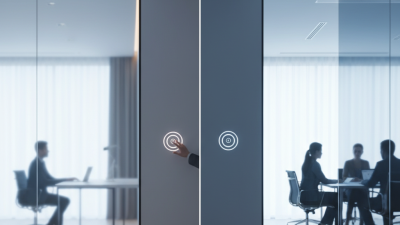
Smart privacy glass is an innovative technology that offers privacy on demand. This unique glass can change from clear to opaque with the application of an electric current. When the current is switched off, the glass becomes transparent, allowing light to pass through. When activated, the glass molecules rearrange, blocking visibility and ensuring confidentiality.
This transformation is achieved through several methods, such as liquid crystal technology or polymer-dispersed liquid crystals. These materials respond to electrical signals, enabling the switch between states. Imagine the convenience of a conference room that becomes completely private at the push of a button. This flexibility is appealing in various settings, from offices to homes. However, it is important to note that the effectiveness of smart glass can vary based on the installation and ambient conditions.
In real-world applications, some users report challenges during installation or maintenance. Ensuring that the glass operates efficiently requires proper electrical connections and calibration. Issues like inconsistent opacity or delayed response times may arise. These imperfections serve as reminders that while technology can enhance our lives, it also necessitates careful consideration and upkeep.
Applications of Smart Privacy Glass in Modern Architecture
Smart privacy glass has gained traction in modern architecture, transforming the way spaces operate. This innovative material can change from transparent to opaque at the touch of a button. It allows for flexibility in how light and privacy are managed within buildings.
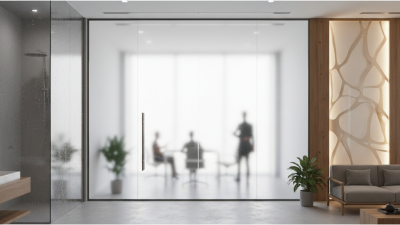
Architects are using smart privacy glass in offices, homes, and public spaces. In meeting rooms, for example, it ensures confidentiality during discussions. Glass partitions can switch from clear to frosted, allowing for an open feel when needed, and privacy when required. Additionally, hospitals are integrating this technology to maintain patient privacy while still accessing natural light.
While the technology is impressive, challenges remain. Installation costs may be high, impacting budget-conscious projects. There is also a learning curve to operate and maintain this technology effectively. Not all consumers are well-informed about the benefits and limitations of smart privacy glass. Increasing awareness and understanding among users will help improve its adoption in architectural designs.
Benefits and Limitations of Using Smart Privacy Glass
Smart privacy glass offers innovative solutions for modern spaces. Its benefits are wide-ranging. This technology uses electrochromic materials to switch from transparent to opaque with a simple flick of a switch. According to a market research report by ResearchAndMarkets, the global smart glass market is projected to grow at a compound annual growth rate (CAGR) of 22% from 2021 to 2026. This surge highlights its growing acceptance among architects and builders.
The primary advantage of smart privacy glass is enhanced privacy without sacrificing natural light. In office settings, for instance, it can transform conference rooms into private spaces on demand. The American Society of Interior Designers suggests that such adaptable environments boost productivity. However, there are limitations. The initial installation costs can be high, and the technology may require specialized maintenance. Some users report issues with performance in extreme temperatures, affecting its reliability.
Moreover, while smart privacy glass is energy-efficient, the extent of its energy savings remains debated. A study by the Lawrence Berkeley National Laboratory found that while it can reduce cooling loads, the energy performance depends on the building's orientation and local climate. This complexity needs careful consideration before adopting the technology widely.
What is Smart Privacy Glass and How Does It Work? - Benefits and Limitations of Using Smart Privacy Glass
| Aspect |
Description |
| Technology |
Utilizes electrochromic or polymer-dispersed liquid crystal technology to control light transmission. |
| Benefits |
Enhances privacy, reduces glare, and increases energy efficiency. |
| Limitations |
Higher initial costs, requires power supply, and may not be suitable for all applications. |
| Applications |
Used in offices, homes, vehicles, and healthcare environments for enhanced privacy control. |
| Maintenance |
Generally low maintenance; regular cleaning recommended to maintain clarity. |
| Power Consumption |
Varies by technology; typically low but should be calculated based on usage. |