What is Smart Side Windows and How Do They Enhance Vehicle Design?
Smart Side Windows represent a significant leap in automotive technology. By integrating advanced materials and smart technology, these windows enhance vehicle aesthetics and functionality. According to a 2022 report from the Automotive Innovation Center, the adoption of Smart Side Windows could improve energy efficiency in vehicles by up to 15%.
Expert John Anderson, a leading figure in automotive design, notes, “Smart Side Windows can transform how we interact with our vehicles.” This innovation not only offers privacy but also protects against harmful UV rays. As consumers seek more sustainable options, the demand for these windows grows.
However, challenges remain in manufacturing costs and technology integration. It's essential to address these hurdles for wide-scale adoption. Balancing cost and innovation will be crucial in the coming years. Smart Side Windows could redefine vehicle design, but the industry must ensure accessibility for all consumers.
Definition of Smart Side Windows and Their Functionality
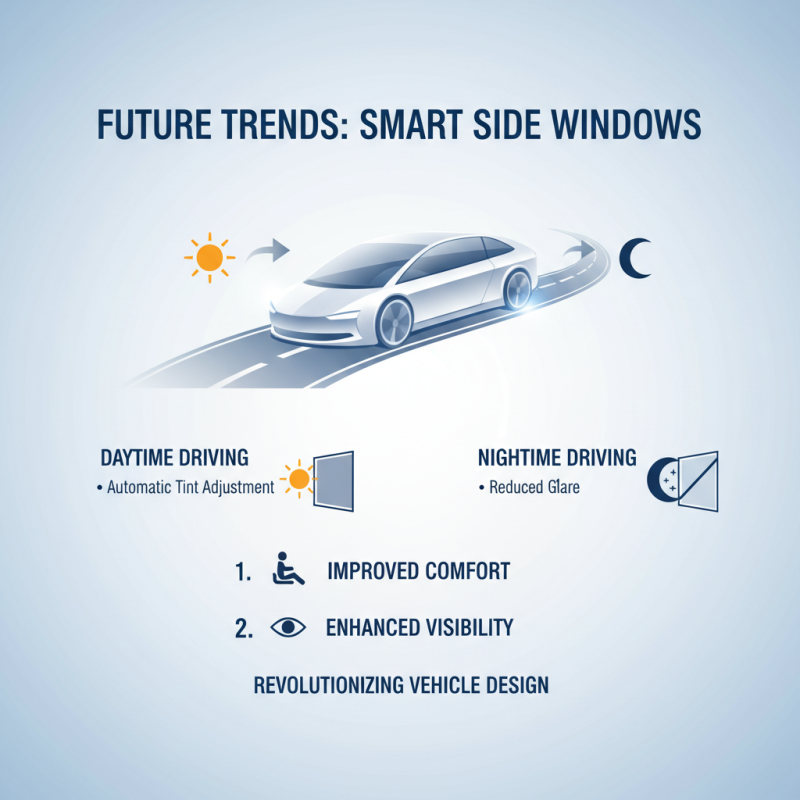
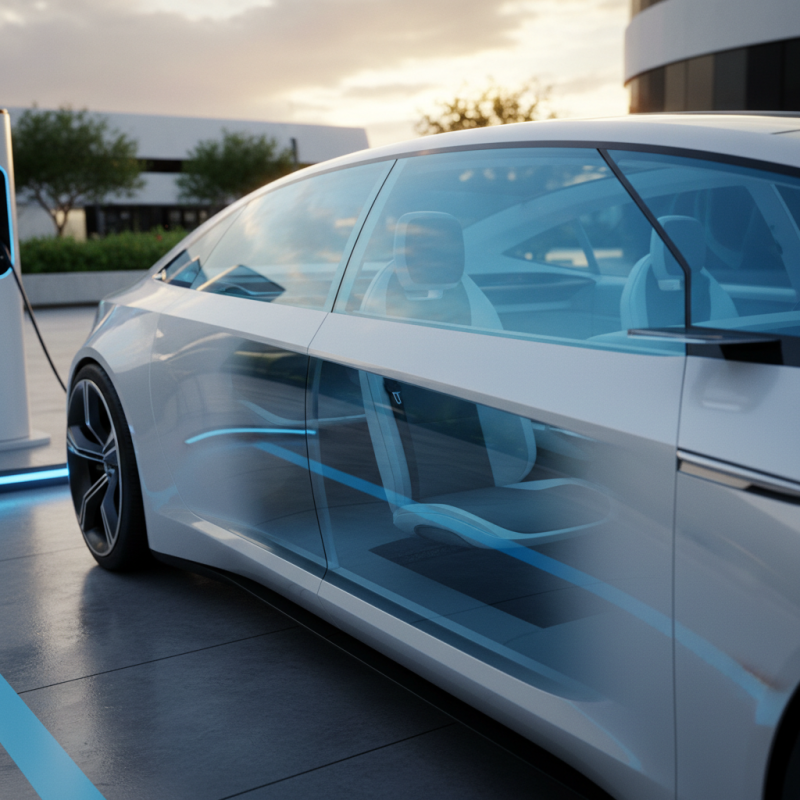
Smart side windows represent an innovative leap in vehicle design. These windows employ advanced technologies to provide dynamic functionalities. Their ability to transition from clear to tinted allows for both privacy and UV protection. According to a recent market report, the smart glass industry is poised to grow at a CAGR of 12% over the next five years. This growth reflects a shift in consumer preferences toward multifunctional vehicle elements.
The integration of smart side windows enhances the indoor climate of vehicles. By controlling sunlight and heat, these windows help reduce the reliance on air conditioning, which can improve fuel efficiency. In an era where sustainability is crucial, this feature resonates well with eco-conscious drivers. Just think about it: the energy savings can be substantial, yet many consumers remain unaware of these benefits.
However, despite these advantages, there are challenges to consider. The cost of smart glass technology can be high. Installation and maintenance may also require specialized knowledge. Some still question the durability of these advanced materials. As automotive technology evolves, ongoing refinement will be necessary to address these concerns. The future of smart side windows is promising, yet imperfect, urging further exploration and innovation in the automotive sector.
Technological Innovations Driving Smart Side Window Development
Smart side windows are rapidly transforming vehicle design. These windows incorporate advanced technologies like electrochromic glass, which can tint on demand. A recent report indicates that the global smart glass market is projected to reach $16 billion by 2025. This growth highlights the increasing demand for innovative vehicle features that enhance comfort and style.
The integration of smart side windows allows for better energy efficiency. They can reduce the need for air conditioning, thereby improving fuel economy. For instance, smart windows can block up to 90% of solar energy while allowing visible light to pass through. This technology not only boosts passenger comfort but also minimizes the vehicle's environmental footprint. However, challenges remain. Manufacturers need to ensure reliability and durability in varying weather conditions. Moreover, the long-term cost of smart window installation may deter some consumers.
As vehicles become more connected, smart side windows can offer more than just aesthetics. They can integrate with other smart technologies within the car. Features like real-time alerts or display options for passengers could become standard. Yet, while the potential is immense, there are concerns about privacy. Future developments must balance innovation with user comfort and security.
What is Smart Side Windows and How Do They Enhance Vehicle Design?
| Feature |
Description |
Benefits |
| Smart Tinting |
Electrochromic technology adjusts transparency based on sunlight. |
Improves comfort by reducing glare and heat. |
| Embedded Displays |
Displays that integrate with window surfaces for navigation and infotainment. |
Enhances user experience by providing information without obstructing the view. |
| Privacy Control |
Adjustable opacity allows users to control visibility from outside. |
Enhances privacy and security for passengers and valuables. |
| Energy Efficiency |
Windows can regulate internal temperature and reduce HVAC energy use. |
Contributes to overall energy savings and improved range for electric vehicles. |
| Augmented Reality |
Ar overlay on windows to provide real-time information about surroundings. |
Improves awareness and assists in navigation for drivers. |
Advantages of Smart Side Windows in Vehicle Design
Smart side windows are transforming how vehicles are designed. These advanced windows use electrochromic technology to change tint. This allows for customizable light levels. Drivers can now adjust the transparency of side windows with ease. This flexibility not only enhances comfort but also improves privacy.
The advantages are notable. According to a recent market report, smart windows can reduce interior heat by up to 50%. This leads to lower energy use for climate control. In warmer climates, this feature can significantly enhance a vehicle's efficiency. A study found that vehicles with smart windows can achieve up to 15% better fuel economy. Additionally, these windows are often integrated with other technologies for further benefits.
Yet, challenges remain. Not all manufacturers have adopted this technology. Production costs can be high, limiting widespread implementation. There are debates about the durability and long-term performance of smart side windows. Some users report mixed experiences with shading effectiveness. These points highlight the need for further innovation and careful evaluation in vehicle design.
Integration of Smart Side Windows with Other Smart Technologies
Smart side windows are revolutionizing vehicle design. They seamlessly integrate into the broader ecosystem of smart technologies. According to a report by ResearchAndMarkets, the global smart window market is expected to grow at a CAGR of 12.4% from 2021 to 2026. This growth highlights the demand for innovative solutions in automotive design.
These windows can adjust tint levels based on sunlight exposure, enhancing driver and passenger comfort. This is not just about aesthetics; it also impacts energy consumption. Smart side windows help reduce reliance on air conditioning, improving fuel efficiency. However, challenges remain. The technology's complexity can lead to higher costs during manufacturing and installation.
Integrating smart side windows with vehicle communication systems adds another layer of functionality. They can display information, adapting to the needs of drivers and passengers. For instance, navigation prompts or alerts could appear on the glass. However, the user interface must be intuitive. Complicated systems can frustrate users. Balancing technology with ease of use is essential as the industry evolves.