How to Source High Quality Bent Glass for Your Business?
Bent Glass is increasingly popular in architectural design and furniture. The industry shows a significant growth rate, projected to reach $10 billion by 2026. This growth is driven by the demand for aesthetically pleasing and functional glass solutions. However, sourcing high-quality bent glass can be challenging.
Many manufacturers offer varied quality, which can complicate procurement. It's essential to identify suppliers that comply with industry standards. According to a 2022 report by the Glass Association, only 40% of producers meet all quality benchmarks. This statistic underscores the need for careful supplier selection.
Investing time in researching potential vendors is crucial. Look for those who provide detailed certifications and offer transparency in their production processes. Engage with past clients and seek reviews. Quality bent glass is an investment, and its sourcing requires diligence to ensure both durability and beauty.
Understanding Bent Glass: Types and Applications
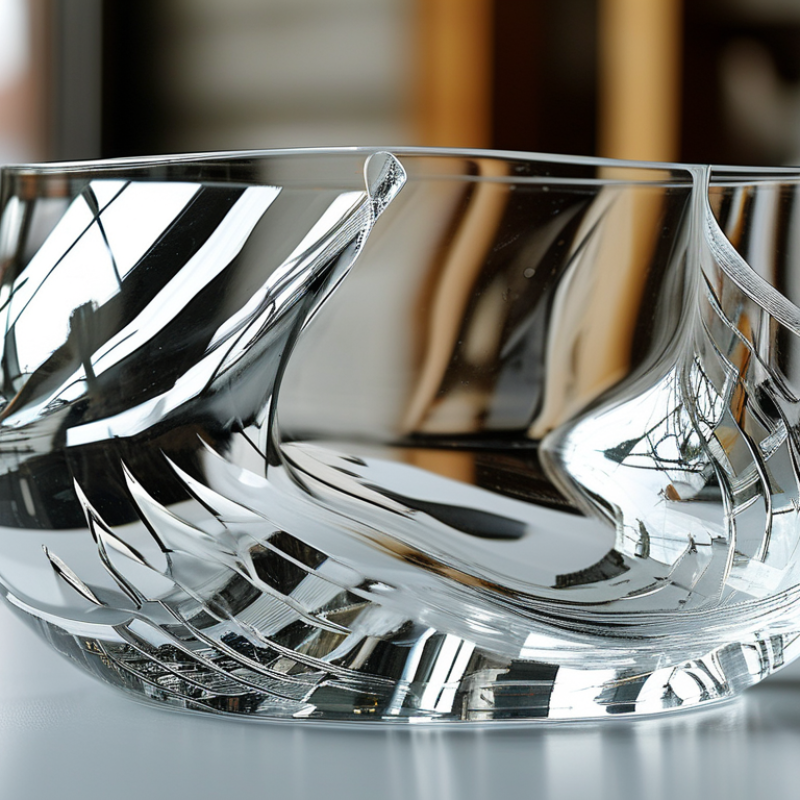
Bent glass is a fascinating material used in various industries. It is crafted by heating flat glass and then molding it into curved shapes. This process results in pieces that are both functional and aesthetically pleasing. Different types of bent glass serve unique applications, making them versatile for designers and architects.
In architecture, bent glass is often used in facades and canopies. Its ability to catch light and reflect surroundings enhances a building’s design. Furniture makers utilize bent glass for tables and display cases, adding elegance to their creations. Some artists even use bent glass in sculptures, showing its potential for creative expression. However, sourcing high-quality bent glass can be challenging. Variability in manufacturing processes may lead to inconsistencies in quality.
When considering bent glass, it's vital to assess your supplier's expertise. Ensure they have experience in producing durable, high-quality materials. Evaluating their production techniques can help. You may encounter flaws in the glass, such as bubbles or irregular curves. Understanding these imperfections is essential. Take time to reflect on what works best for your project, as not all bent glass will meet your standards.
Identifying Reliable Suppliers for High Quality Bent Glass
Finding reliable suppliers for high-quality bent glass can be challenging. A good starting point is to explore trade shows and industry exhibitions. These events are excellent for networking and identifying potential suppliers. Attending such events allows you to view products firsthand and ask questions directly. This interaction can provide insights into their manufacturing processes.
Another crucial factor is conducting thorough research. Look for suppliers with positive reviews and a strong presence in the market. Check their credentials, certifications, and production methods. Reliable suppliers should be transparent about their techniques and quality control standards. Ensure they can meet your specific requirements for dimensions and finishes.
Consider seeking recommendations from industry peers. Personal connections can yield valuable insights or warnings about potential suppliers. Building relationships with trustworthy suppliers is vital. Open communication fosters trust and reduces misunderstandings. Quality bent glass should arrive on time, so choose a supplier who values deadlines and reliability.
Analysis of Bent Glass Sources Quality Ratings
Evaluating Quality: Key Characteristics of Bent Glass
When sourcing high-quality bent glass for your business, a few key characteristics stand out. Firstly, clarity is crucial. High-quality bent glass should be free from distortions and bubbles. A report by the Glass Association highlights that imperfections can drastically affect the visual outcome, especially in architectural applications. Assessing clarity through rigorous optical tests is essential for ensuring that the glass meets high standards.
Thickness is another vital characteristic. Generally, thicker glass provides better durability and resistance to impact. Industry statistics indicate that glass thickness between 6 to 12 mm is ideal for most commercial uses. However, excessive thickness can lead to a heavier and more challenging installation process. Balancing weight and durability is key when choosing the right glass for your project.
Tips: Always request samples and conduct visual inspections. Engage professional quality inspectors to gauge durability. Lastly, collaborate closely with your supplier to understand their quality assurance processes. A transparent supply chain often reflects the reliability of the materials. Continuous evaluation of your source will help maintain the quality of your bent glass products.
Negotiating Prices and Terms with Bent Glass Manufacturers
When negotiating prices and terms with bent glass manufacturers, it’s crucial to approach the discussion with clear goals. Understanding your budget and the specifications you need is vital. The size, thickness, and curvature require exact definitions. Each detail can significantly impact the price. Aim to communicate your requirements succinctly.
Building a relationship with manufacturers is equally important. Trust can lead to better negotiating outcomes. Take time to ask about their production methods. This insight shows you respect their expertise and helps in assessing their reliability. Ask about their minimum order quantities or lead times. These factors influence your cost and scheduling.
Remember that flexibility plays a key role in negotiations. If a manufacturer can't meet your price, consider alternative terms. Maybe a longer lead time or larger orders can help you secure a discount. Reflect on the terms you are willing to adjust. This can open new avenues for collaboration, fostering a mutually beneficial partnership.
Ensuring Compliance with Industry Standards and Regulations
When sourcing high-quality bent glass, compliance with industry standards is critical. Begin by understanding the safety regulations applicable to your region. These often include ISO certifications or local compliance marks that ensure the glass products meet stringent safety and quality requirements. Regular audits from certified bodies can enhance your credibility.
Quality checks during manufacturing are essential. Request test reports to verify the glass’s durability and thermal resistance. Inspect the supplier's facility if possible. This direct observation can reveal their manufacturing processes and adherence to regulations. Ask about their quality assurance protocols and any setbacks they have faced. Transparency in their operations is a good indicator of reliability.
Monitor advancements in glass technology. As innovations emerge, some suppliers may lag behind. Stay informed about trends like eco-friendly materials or improved bending techniques. Engaging in industry associations can offer insights into best practices. Networking with experts can help address challenges and refine sourcing strategies. Regular reflection on these practices is vital to ensuring compliance and maintaining high quality in your products.
How to Source High Quality Bent Glass for Your Business? - Ensuring Compliance with Industry Standards and Regulations
| Dimension |
Thickness (mm) |
Curvature Radius (mm) |
Compliance Status |
Lead Time (weeks) |
| 600 x 1200 |
10 |
500 |
Certified |
4 |
| 800 x 1500 |
12 |
600 |
Certified |
5 |
| 1000 x 2000 |
15 |
700 |
Pending |
6 |
| 1200 x 2500 |
10 |
800 |
Certified |
7 |
| 1500 x 3000 |
12 |
900 |
Certified |
8 |