Top Glass Cabinets from China for Global Buyers Ready to Order?
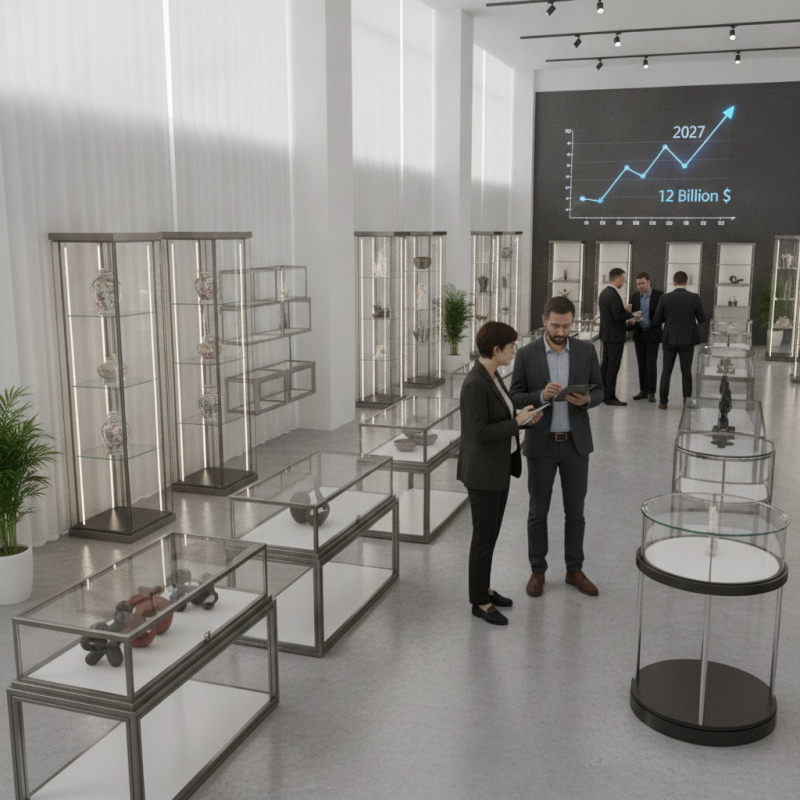
In recent years, the demand for Glass Cabinets has surged globally. According to a report by Market Insights, the glass furniture market is projected to reach $12 billion by 2027. This growth reflects an increasing preference for elegant and functional storage solutions in both residential and commercial spaces.
Industry expert Dr. Linda Thompson states, "Glass Cabinets not only elevate aesthetics but also enhance the perception of space." Her insights highlight the dual role of glass cabinets in modern design. Buyers are increasingly drawn to their sleek designs and versatility, making them a sought-after choice in various settings.
However, challenges remain for potential buyers. Quality varies widely among manufacturers, particularly in regions like China, known for a vast array of options. Buyers need to conduct thorough research to ensure they choose sustainable materials and reliable sources. Such diligence will guarantee the investment is both valuable and long-lasting.
Top Glass Cabinet Styles Available in China for International Buyers
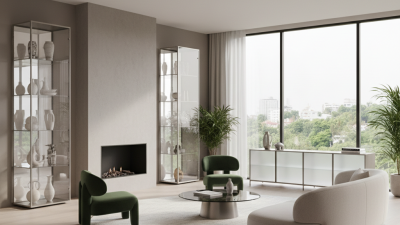
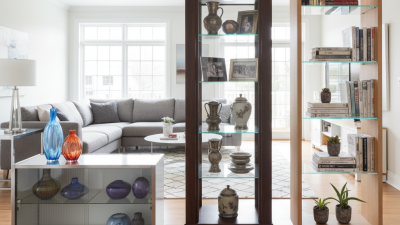
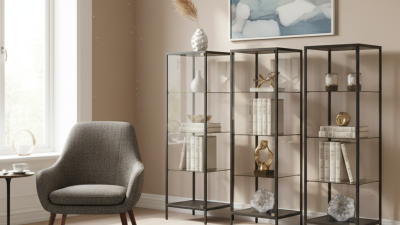
When it comes to glass cabinets, China offers a variety of styles that appeal to international buyers. Modern designs often feature sleek lines and minimalist aesthetics. These cabinets can enhance a contemporary living space. They are perfect for showcasing collectibles or elegant dinnerware.
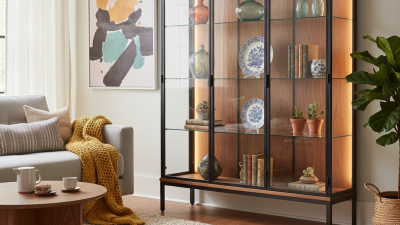
Traditional styles also remain popular. Many artisans still craft cabinets with intricate wooden details. These cabinets often combine wood and glass. Such unique designs reflect rich cultural heritage. However, buyers should consider their interior decor before choosing a style.
Functionality is just as important as aesthetics. Some glass cabinets come with adjustable shelves. This feature adds versatility for storage needs. Other cabinets may include built-in lighting, which highlights displayed items. However, not all designs offer enough space for larger items. It’s crucial to assess dimensions carefully. Overall, choosing the right glass cabinet involves a balance of style, functionality, and personal preference.
Top Glass Cabinets Styles Available in China
Key Features to Look for in Chinese Glass Cabinets
When exploring the market for Chinese glass cabinets, buyers should consider several key features to ensure they make the right choice. The quality of the glass used is crucial. Opt for tempered glass, which is stronger and more durable. According to industry reports, tempered glass cabinets have a
30% higher impact resistance compared to regular glass. This increases safety and longevity.
Design is another significant factor. Modern trends favor minimalist styles. Many consumers are attracted to sleek, functional designs that enhance their home decor. However, buyers should avoid overly ornate cabinets, as they may not integrate well into contemporary settings. A survey indicated that 65% of consumers prefer simple aesthetics that can adapt to various interior styles.
Additionally, the construction of the cabinet matters. Look for solid frames made from premium materials. A reliable cabinet should be easy to assemble and maintain. Some buyers might overlook the importance of storage configurations and shelving options. Customizable shelving can significantly enhance functionality, allowing for easy organization. Remember, a thoughtful approach is essential when selecting a glass cabinet.
Popular Materials Used in Chinese Glass Cabinet Manufacturing
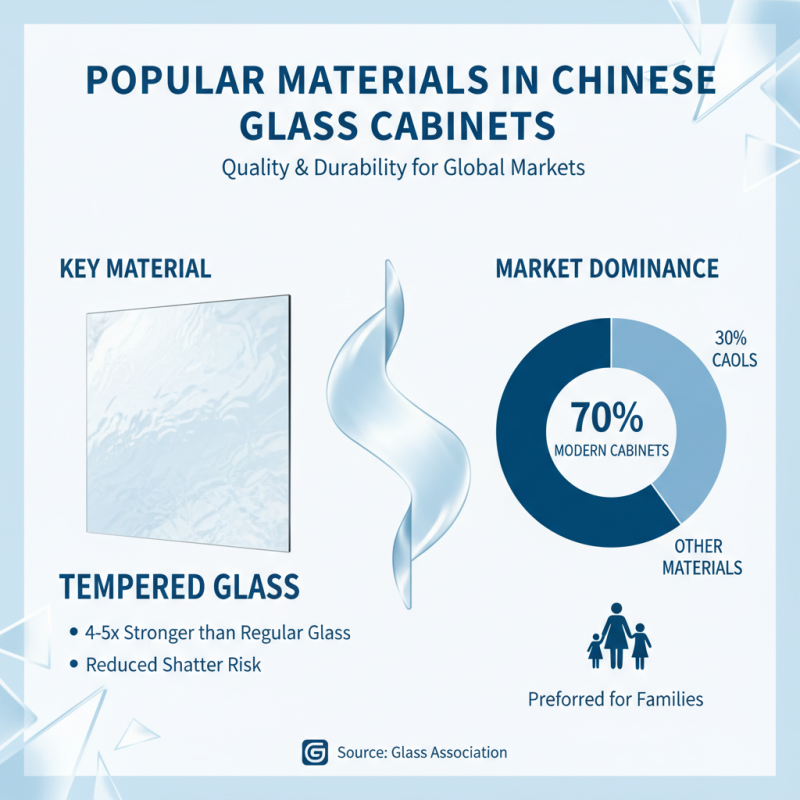
Chinese glass cabinets have gained popularity in global markets. The materials used in their manufacturing play a crucial role in defining quality and durability. Commonly, tempered glass is favored due to its strength. It is four to five times stronger than regular glass. According to the Glass Association, nearly 70% of all modern cabinets feature tempered glass. This material is less likely to shatter, making it a preferred choice for families.
Besides glass, the frames and finishes significantly impact both aesthetics and functionality. Most cabinets use aluminum or wood, offering distinct visual appeal. Aluminum is lightweight and corrosion-resistant, while wood provides a classic touch. A report from the China National Furniture Association indicates that over 50% of cabinet frameworks are made from plywood or solid wood, showcasing craftsmanship. However, some manufacturers may cut costs by using lower-quality materials.
Despite the advantages, there is room for improvement in manufacturing practices. Sustainable sourcing of wood remains a challenge. International buyers should ensure compliance with environmental regulations. Moreover, quality control remains inconsistent across production facilities. Investing in better processes can enhance overall product reliability. It is vital for buyers to research and verify suppliers for trusted partnerships.
How to Order Glass Cabinets from China: A Step-by-Step Guide
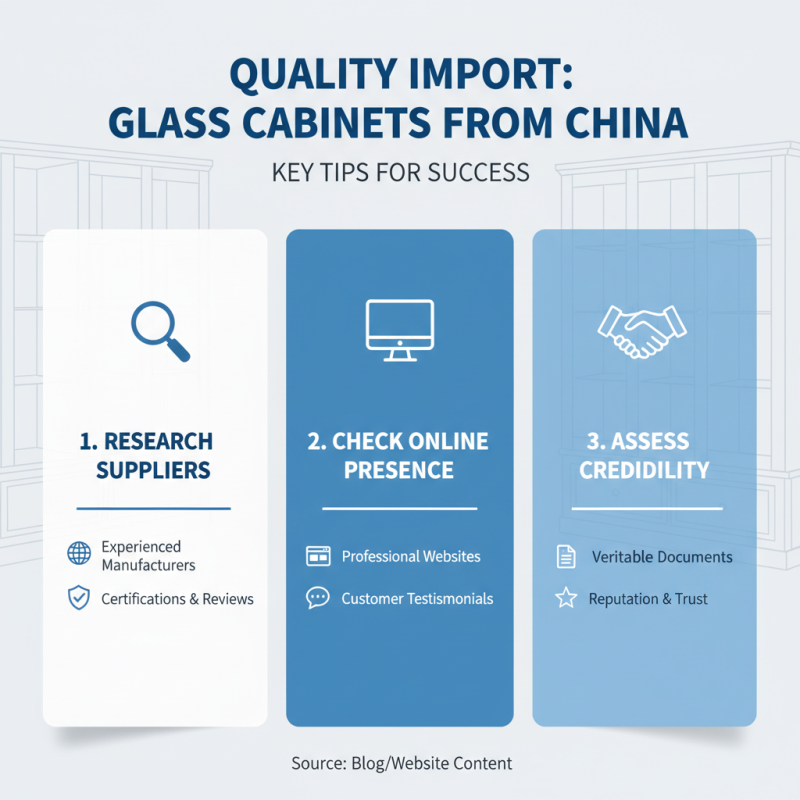
When considering the purchase of glass cabinets from China, understanding the ordering process is essential. Start by researching credible suppliers. Industry data shows that over 70% of global buyers have turned to China for high-quality glass products. A reputable supplier typically has detailed product specifications. Thus, ask for them to compare your options efficiently.
Once you've identified potential suppliers, request samples. This step is crucial, as it provides insight into the quality of the product you’ll receive. Notably, a survey indicated that 60% of buyers who ordered samples noted improvements in their final decisions. Paying close attention to the dimensions and finish can save you from costly errors. Be cautious; issues can arise due to miscommunication about specifications.
After selecting a supplier, you can begin the ordering process. Set clear terms for payment and delivery. Many suppliers require a deposit, while others might offer flexible payment plans. Ensuring that you understand these terms can help avoid disputes later. Communication is key; unclear instructions often lead to unsatisfactory outcomes. According to a logistics report, 40% of import issues stem from misunderstandings in the ordering phase.