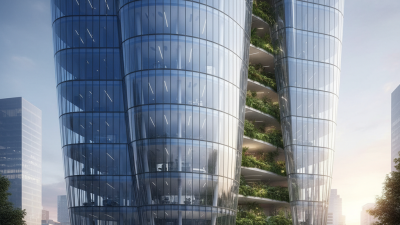
Intelligent Glass represents a remarkable advancement in modern technology. This innovative material has the ability to alter its properties, responding dynamically to environmental conditions. With applications in architecture, automotive, and consumer electronics, the potential is substantial.
These advancements have led to a growing interest among designers and builders. They aim to create spaces that offer more than just utility. Intelligent Glass can enhance comfort and efficiency, contributing to sustainable practices. However, challenges remain in terms of cost and accessibility. Not all innovations are perfect; some require further refinement.
As we explore the top 10 intelligent glass innovations, it's essential to recognize both their potential and limitations. These innovations offer insights into how technology can shape our environment. Observing their development can reveal useful lessons for future applications.
Intelligent glass, often called smart glass, is transforming our interaction with spaces. This technology utilizes various mechanisms to alter light transmission. For instance, it can shift from transparent to opaque. The applications range from enhancing privacy in offices to energy efficiency in buildings. These advancements promise significant benefits in sustainable architecture.
Understanding intelligent glass requires a grasp of the underlying science. Electrochromic glass, for example, changes color with electrical signals. This feature helps in controlling heat and glare. However, the production and installation costs can be high, posing a challenge for widespread adoption.
Exploring user experience reveals mixed feelings. While some appreciate the functionality, others express concerns about reliability and maintenance. The variation in technology standards leads to confusion. This highlights an ongoing need for better education and clearer guidelines on selecting intelligent glass solutions suitable for different environments.
| Innovation | Description | Benefits | Applications |
|---|---|---|---|
| Smart Tint | Electrochromic glass that changes transparency based on electrical signals. | Privacy control, energy efficiency. | Offices, residential buildings, vehicles. |
| Smart Glass Coatings | Nanotechnology coatings that improve thermal insulation. | Energy savings, reduced heating costs. | Residential and commercial buildings. |
| Photochromic Glass | Glass that darkens in response to sunlight. | UV protection, comfort. | Eyewear, skylights, windows. |
| Smart Window Films | Films that adjust light transmission based on heat. | Energy efficiency, glare reduction. | Commercial buildings, residential properties. |
| Dynamic Glass | Automatically adjusts tint based on environmental conditions. | Enhanced comfort, energy savings. | Smart homes, commercial spaces. |
| Thermochromic Glass | Changes color in response to temperature changes. | Heat regulation, aesthetic appeal. | Architectural designs, art installations. |
| Liquid Crystal Displays (LCD) | LCD panels that can switch from transparent to opaque. | Instant privacy, modern design. | Smart offices, healthcare facilities. |
| Antimicrobial Glass | Glass treated to resist bacteria and germs. | Improved hygiene, safety. | Hospitals, food processing areas. |
| Soundproof Glass | Glasses designed to reduce noise transmission. | Noise reduction, improved comfort. | Urban buildings, recording studios. |
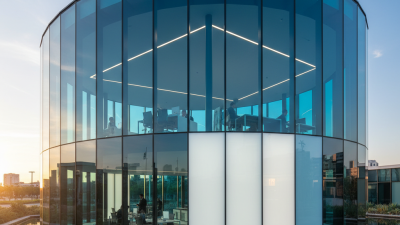
Intelligent glass technologies have revolutionized modern architecture and design. Various types of intelligent glass serve different functions, providing adaptable solutions for lighting, privacy, and energy efficiency. For instance, electrochromic glass can change its tint based on electrical signals. This allows for greater control over natural light, thereby reducing energy costs.
Another significant type is photochromic glass. This glass darkens in response to UV light and automatically clears in the absence of sunlight. It offers a dynamic solution for residential and commercial buildings, enhancing comfort and reducing glare. However, the transition speed is not always optimal. Some users may find they need to adjust their environments manually during this process.
Smart tinting technology is also gaining traction. It allows users to customize transparency levels via mobile apps. While this offers convenience, installation can be challenging. Furthermore, the technology may not always function as intended, leading to inconsistencies in performance. Exploring these technologies provides valuable insights into their potential and limitations in design.
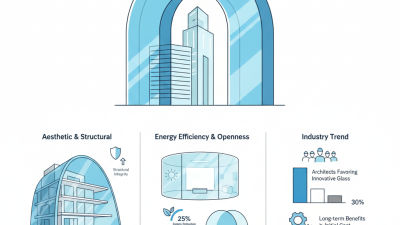
Intelligent glass is transforming architecture and design in remarkable ways. This technology allows for dynamic control of light and privacy. In commercial spaces, electrochromic windows can adjust tint levels automatically. This reduces glare and improves energy efficiency. According to a report from Grand View Research, the global smart glass market is anticipated to reach $77.25 billion by 2027. This growth reflects the increasing demand for sustainable building materials.
In residential design, the integration of intelligent glass offers exciting opportunities. Smart windows can respond to weather conditions, maintaining optimal indoor temperatures. This innovation not only enhances comfort but also lowers energy consumption. However, the initial cost of installation can be high. Homeowners often weigh long-term benefits against upfront investment.
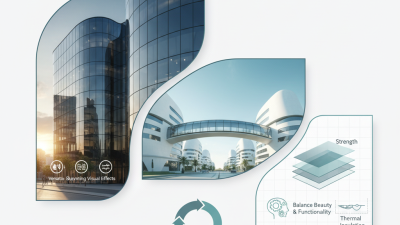
Architects appreciate intelligent glass for its aesthetic potential. It allows for expansive, unobstructed views without sacrificing energy efficiency. Projects that incorporate this technology often attract attention and can become landmarks. Nevertheless, ongoing maintenance and the potential for technology failure are concerns that must be addressed. Embracing intelligent glass requires a careful balance of design aspirations and practical realities.
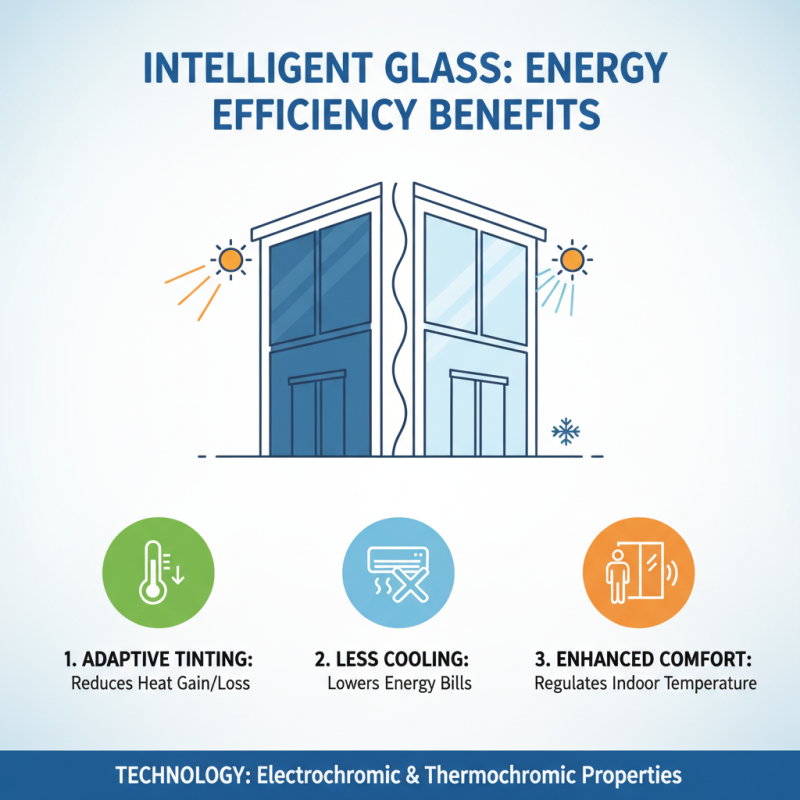
Intelligent glass is reshaping how we think about energy efficiency. This technology adapts to sunlight, enhancing comfort in buildings. It reduces the need for artificial cooling in hot months. By using electrochromic or thermochromic properties, intelligent glass can change its tint. This minimizes heat gain or loss, which is vital for energy savings.
The use of intelligent glass in architecture provides noticeable benefits. Buildings with this technology can significantly lower energy costs. They often require less HVAC energy. This translates to reduced greenhouse gas emissions too. However, implementing intelligent glass can pose challenges. The upfront costs of installation may be higher than traditional options. It's important for stakeholders to weigh these costs against long-term savings.
Some designs might not fully realize their energy-efficient potential. For instance, poor placement or orientation can limit effectiveness. Additionally, the maintenance of intelligent glass systems may require specialized knowledge. Optimal performance relies on proper usage and care. By focusing on these factors, the true benefits of intelligent glass can be maximized.
Intelligent glass is quickly becoming a game-changer in architecture and design. This innovation adapts to environmental changes, offering privacy and thermal comfort. One trend is the development of self-tinting glass. This technology adjusts its transparency based on sunlight intensity. Imagine a building that darkens automatically on sunny days, reducing glare and heat.
Another exciting trend is energy generation. Photovoltaic glass may change the way we think about buildings. Transparent solar cells can be integrated into windows, converting sunlight into energy. This dual functionality not only enhances energy efficiency but also improves aesthetics. However, challenges remain, such as maintaining clarity, efficiency, and structural integrity.
Smart coatings are also gaining traction. These allow for easy cleaning and can even respond to pollutants in the air. Picture a window that repels dust and grime, maintaining clarity with minimal effort. Yet, implementing these technologies can lead to higher costs, which may deter some developers. The balance between innovation and practicality continues to be a topic for further exploration.