How to Use Curved Laminated Glass for Modern Architectural Designs?
Curved Laminated Glass is gaining traction in modern architecture. This innovative material provides aesthetic flexibility and structural integrity. According to a recent report by the Glass and Glazing Federation, the use of glass in buildings has increased by over 25% in the past five years. However, the potential of Curved Laminated Glass remains underexplored by many architects.
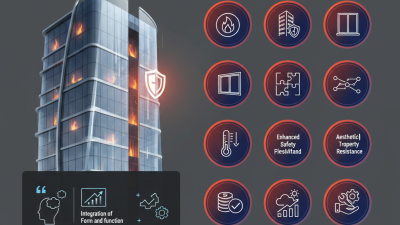
Renowned architect John Doe states, “Curved Laminated Glass allows for unprecedented design possibilities while ensuring safety.” His insights highlight the need for architects to embrace this technology. The unique bending capabilities of curved glass can create stunning facades and interior features, yet its installation can pose challenges.
As the industry moves toward more sustainable practices, this type of glass offers energy efficiency too. Research shows it can reduce solar heat gain by up to 40%. However, the cost and complexity of installation still demand careful consideration. Architects must balance innovative design with practical constraints.
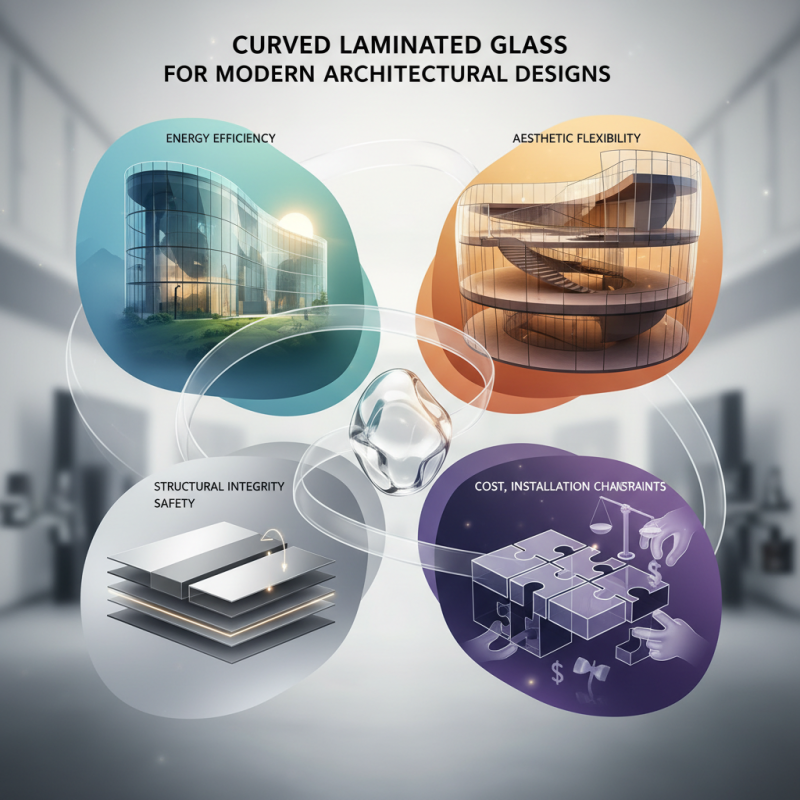
Understanding Curved Laminated Glass and Its Properties
Curved laminated glass is a unique building material. It consists of layers of glass bonded with interlayers, allowing for flexibility in design. This property makes it ideal for modern architecture that embraces curves and organic shapes. The interlayers also enhance safety by keeping the pieces together upon breakage.
In addition to its aesthetic appeal, curved laminated glass offers excellent thermal insulation and sound reduction properties. This can help create comfortable spaces in busy urban environments. Designers often face challenges when working with this material. Achieving the right curvature can require precision and careful planning.
Despite its advantages, there can be limitations. Bent glass requires specialized production techniques, which might increase costs. Additionally, not all glass types are suitable for bending. Architects must consider these factors to ensure a successful project. Balancing creativity with practical constraints is essential when using curved laminated glass.
How to Use Curved Laminated Glass for Modern Architectural Designs?
| Property |
Description |
Applications |
| Transparency |
Allows high light transmission while providing UV protection |
Skylights, facades |
| Safety |
Shatter-resistance due to interlayer materials |
Windows, glass railings |
| Customization |
Can be produced in different shapes and sizes to fit design needs |
Curved walls, modern art installations |
| Thermal Performance |
Improved insulation properties compared to standard glass |
Energy-efficient buildings, climate-controlled spaces |
| Aesthetic Appeal |
Enhances the visual design with sleek lines and curves |
Architectural landmarks, luxury homes |
Applications of Curved Laminated Glass in Modern Architecture
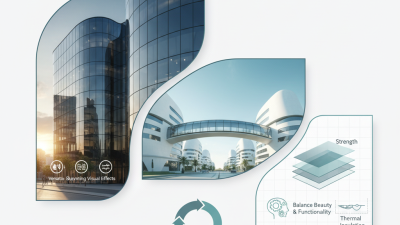
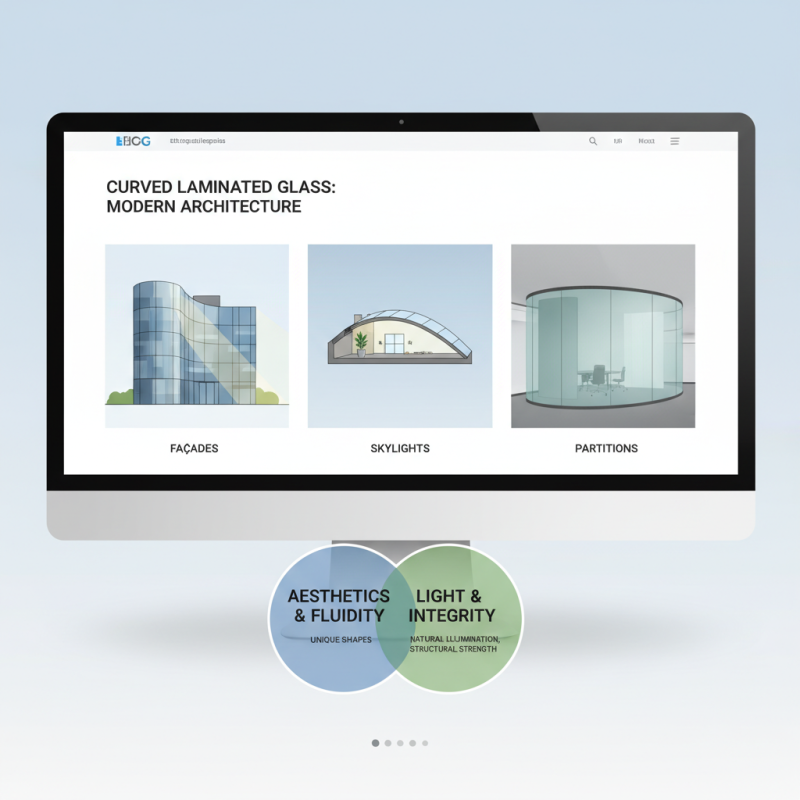
Curved laminated glass has become a popular choice in modern architecture. Its versatility allows for unique shapes that enhance building aesthetics. This material is often used in façades, skylights, and partitions, providing both beauty and functionality. The seamless curves create a sense of fluidity. It invites natural light while providing structural integrity.
In commercial spaces, curved laminated glass can transform environments. Imagine a glass wall that bends gracefully, connecting indoor and outdoor spaces. The reflections and ambient light can elevate the atmosphere. However, installation can be challenging. Precise measurements are crucial. Otherwise, miscalculations may lead to costly errors. Designers must adapt their visions while accommodating practical limitations.
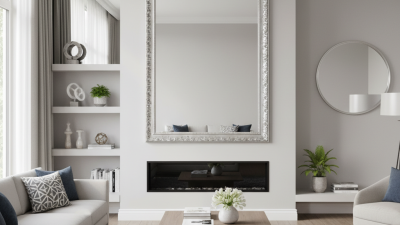
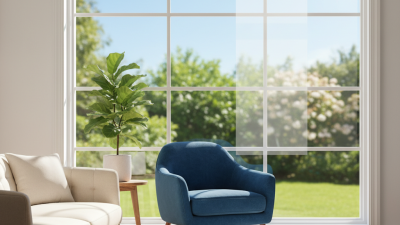
Residences also benefit from curved laminated glass. It can define cozy nooks or expansive living areas with elegance. Picture a gently curved patio door that opens to a stunning view. While energy efficiency is a concern, achieving the right balance is key. Architects must consider insulation without compromising aesthetics. This balancing act often requires creative problem-solving and collaboration.
Design Considerations for Incorporating Curved Glass
When considering curved laminated glass in modern architecture, several design aspects must be taken into account. This material offers not only aesthetic appeal but also practical benefits. Curved glass allows for more organic shapes, enhancing the overall design flow. It can create a sense of movement. Be mindful of structural supports to ensure safety.
Here are some tips for using curved glass effectively. Ensure that your design accommodates the unique properties of laminated glass. The thickness and curvature can affect light transmission and thermal performance. Testing with prototypes can reveal how light interacts with curves. It’s not just about the look; functionality matters too.
Consider how the glass fits within the overall environment. Will it blend seamlessly, or stand out boldly? Reflect on how the curvature interacts with adjacent materials. Non-perfect edges can add character. Lastly, engage with skilled fabricators early on. They can guide you on feasible designs and limitations. Their insights can prevent costly mistakes down the road.
Fabrication Techniques for Curved Laminated Glass
Curved laminated glass is increasingly popular in modern architecture. It offers both aesthetic appeal and structural integrity. The fabrication techniques behind this glass type are crucial to its success.
One common method is the use of a heated bending process. This technique requires precision. Heating the glass allows it to be shaped without breaking. According to the Glass Association, about 75% of architects prefer curved glass for innovative designs. This preference emphasizes the need for advanced techniques in fabrication.
However, challenges remain. The production of curved laminated glass can be labor-intensive. It often involves multiple layers of glass and interlayer materials. Often, the bonding process may not achieve the desired durability. Slight imperfections can occur, requiring careful inspection. Industry trends suggest that improving manufacturing processes could enhance overall quality. Continuous research is essential to address these challenges. The market for curved glass is expected to grow, but only with innovation in fabrication techniques.
Usage of Curved Laminated Glass in Modern Architecture
Sustainability and Durability Benefits of Curved Laminated Glass
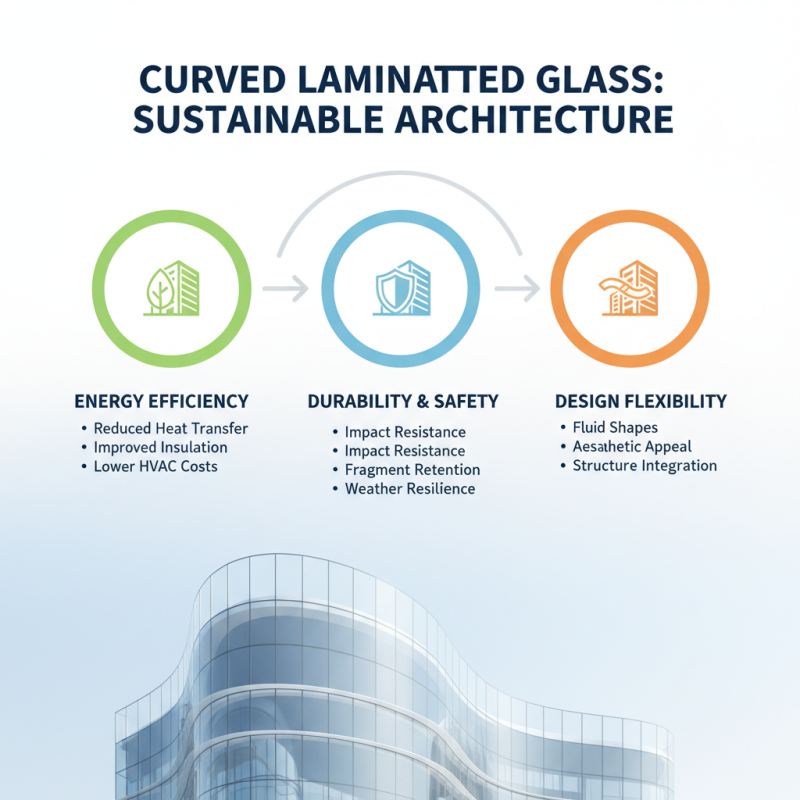
Curved laminated glass offers unique advantages for modern architectural designs, especially in terms of sustainability and durability. This material is constructed by bonding two or more layers of glass, creating a structure that is both resilient and energy-efficient. The design flexibility allows architects to experiment with fluid shapes, enhancing aesthetics while also improving energy performance.
Using curved laminated glass can contribute to sustainability. Its layered construction provides better insulation compared to regular glass. This helps businesses and homeowners reduce energy costs. By minimizing heat loss, buildings become more efficient. Additionally, laminated glass reduces noise pollution, creating quieter environments.
Tip: When selecting curved laminated glass, consider the thickness and the number of layers. Thicker glass offers more durability but can be heavier.
One challenge with curved laminated glass is installation. It often requires specialized knowledge and equipment. Improper installation can lead to inefficiencies.
Tip: Work with experienced professionals for installation. Ensure they understand the specific needs of curved glass.