



Beyond Energy Saving, What Are the Lesser-Known Advantages of Insulated Glass?
Introduction: Redefining Glass Performance
For decades, insulated glass has been celebrated primarily for its energy efficiency capabilities. While its key perk of cutting down on heating and cooling costs by stopping thermal energy from moving around is still a major plus, insulating glass units (IGUs) have come a long way technologically, and now they offer a whole bunch of other benefits that go way beyond just saving energy. Modern insulated glass windows are engineered marvels, integrating advanced materials and coatings to address some of the most pressing challenges in contemporary architecture, from acoustic pollution and occupant wellness to enhanced safety and aesthetic flexibility. Jiangsu Guoxin Glass Co., Ltd. is gonna walk you through these underrated perks—letting you see up close how today’s high-performance glass helps make buildings more comfortable, sustainable, and smart.
1. Acoustic Insulation: Creating Sanctuaries of Silence
One of the most immediate yet underappreciated benefits of modern insulated glass is its superior soundproofing capability. In an increasingly urbanized world, noise pollution from traffic, construction, and urban activity is a significant concern for occupant well-being and productivity.
The acoustic performance of an insulating glass unit is determined by the gas fill within the cavity, the thickness of the glass panes, and the width of the airspace. For instance, dual-pane units filled with dense argon gas can significantly reduce sound transmission compared to single-pane glass. The gas acts as a sound-dampening medium, absorbing vibrational energy from sound waves. For environments requiring exceptional quiet—such as offices near airports, hospitals, or residential buildings in busy city centers—triple-glazed units offer an even higher level of acoustic insulation. By creating an effective barrier against external noise, these windows foster quieter, more peaceful, and more focused indoor environments, directly contributing to improved quality of life and work efficiency .
2. Enhanced Comfort and Wellness: Beyond Temperature Control
The comfort provided by insulated glass windows transcends simple temperature regulation. A key comfort issue with traditional single-pane windows is condensation. When warm, moist indoor air contacts a cold glass surface, it condenses, leading to water pooling, potential damage to window frames, and promoting mold growth. Insulated glass, particularly Low-E insulated glass, maintains a higher interior surface temperature during cold weather because the low-emissivity coating reflects interior heat back into the room. This drastically reduces or eliminates condensation, leading to healthier indoor air quality by preventing mold and mildew formation .
Furthermore, advanced coatings can manage sunlight to enhance visual comfort. Low-E insulated glass can be tuned to filter out a substantial portion of the sun's ultraviolet (UV) rays, which are responsible for causing fabrics, furniture, artwork, and flooring to fade. By blocking over 99% of UV radiation, as seen in some innovative glass types, these windows help protect interior investments and preserve the vibrancy of interior spaces . This combination of improved thermal uniformity, reduced condensation, and UV protection creates a healthier and more comfortable living and working environment.
3. Structural Integrity and Safety: The Role of Tempered Glass
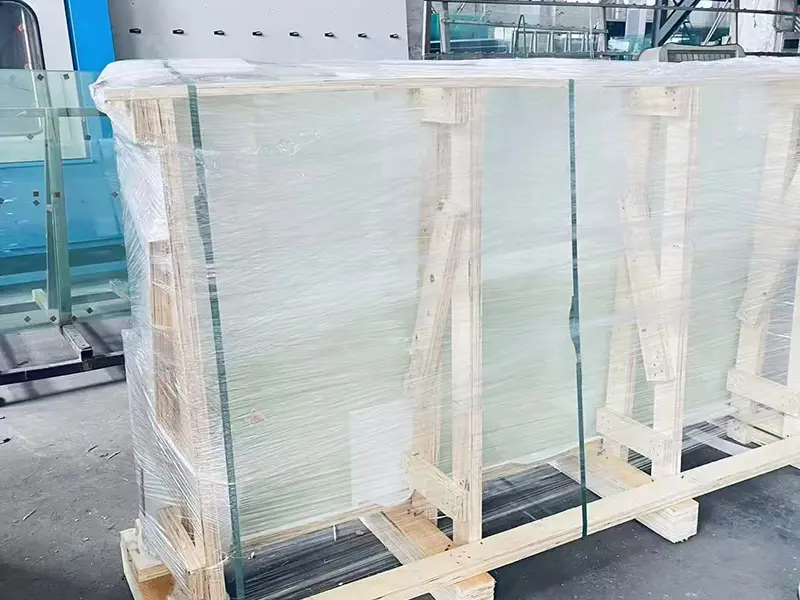
Safety is a paramount concern in building design, and the integration of tempered glass into insulating glass units has significantly enhanced the security and resilience of modern fenestration. Tempered glass is a type of safety glass processed by controlled thermal or chemical treatments to increase its strength compared with normal glass. When it breaks, it crumbles into small, granular chunks instead of sharp, dangerous shards, minimizing the risk of injury.
This characteristic is especially crucial for large insulated glass windows, overhead glazing, and doors where human impact is a possibility. The use of tempered glass as one or both lites in an IGU ensures that the window can withstand greater wind loads and physical impact. In regions prone to severe weather or for buildings requiring enhanced security, this robust construction is indispensable. The inherent strength of tempered glass contributes to the overall durability and longevity of the window system, ensuring reliable performance over its lifespan .
4. Aesthetic Freedom and Design Flexibility
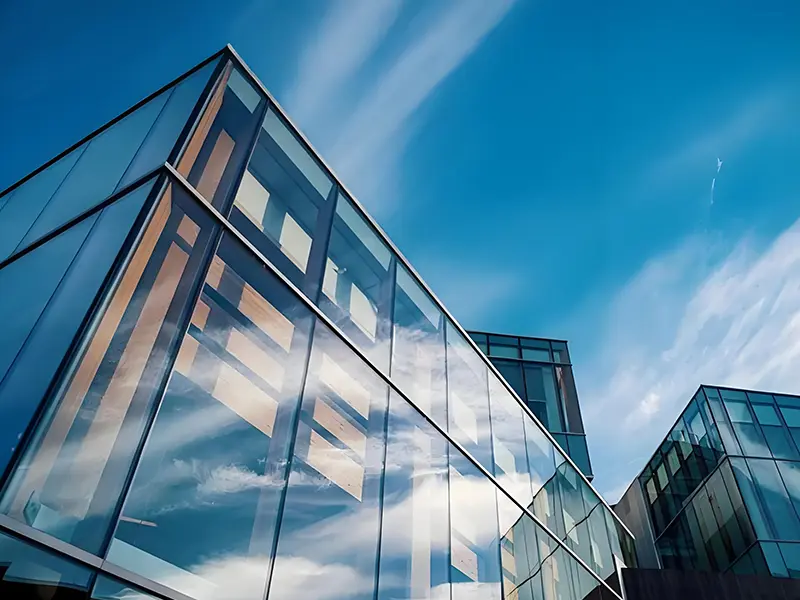
The evolution of insulated glass technology has liberated architects and designers from many traditional constraints. Today's IGUs are not merely functional components; they are integral to a building's aesthetic expression. The availability of large-format panels, some with widths reaching 150 centimeters or more, allows for seamless, expansive glazing that maximizes natural daylight and blurs the boundary between indoor and outdoor spaces .
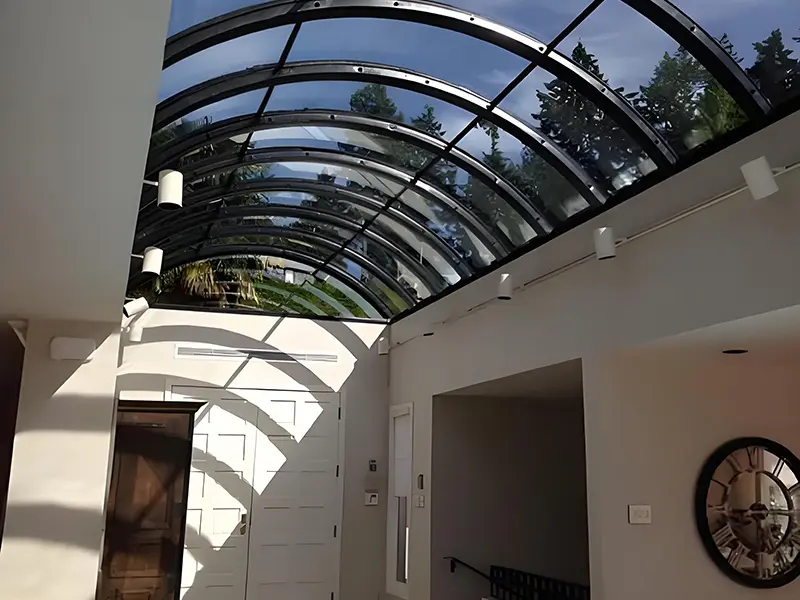
The versatility of Low-E insulated glass coatings is another key advantage. These microscopically thin, virtually invisible coatings can be applied to control solar heat gain without compromising the clarity of the view. This means architects can specify large glass facades to achieve a modern, transparent aesthetic without the penalty of excessive solar heat gain that leads to high air conditioning costs. Additionally, insulated glass can be combined with other products to create multifunctional glazing solutions, including decorative glass, curved glass, and even smart glass that changes its properties in response to external stimuli, offering unparalleled design flexibility .

5. Contributing to Sustainable Building Certifications
While energy saving is a core component of green building standards like LEED, BREEAM, and ENERGY STAR, these certifications evaluate a holistic range of factors. The multifaceted benefits of high-performance insulated glass directly contribute to earning credits in several categories beyond energy performance.
For example, the use of daylighting strategies—maximizing natural light to reduce reliance on artificial lighting—is encouraged. Large, high-performance insulated glass windows facilitate this while controlling glare and heat gain. The improved acoustic performance contributes to credits for occupant comfort and well-being. Moreover, the durability and long service life of quality IGUs, often exceeding 30 years, align with the principles of sustainable materials use by reducing the need for replacement and conserving resources over the building's lifecycle . As the focus on building decarbonization intensifies globally, the role of advanced glazing systems as a key component in sustainable construction becomes ever more critical .
6. The Future is Smart: Integration with Intelligent Building Systems
The future of insulated glass is intelligent. The next frontier involves the seamless integration of glazing systems with smart building technologies. Emerging trends, such as the integration of smart glass, are shaping the market . Photochromic or thermochromic technologies, for instance, allow glass to automatically tint in response to sunlight intensity, optimizing light and heat ingress throughout the day without any electrical input.
This "smart" functionality represents a significant leap forward. Imagine windows that dynamically adapt to weather conditions, further enhancing energy efficiency and comfort autonomously. These innovations point toward a future where insulated glass windows are not passive barriers but active, responsive components of a building's environmental management system.
Conclusion: A Clear Vision for Modern Construction
The narrative surrounding insulated glass is rightfully expanding. While its foundational benefit of energy efficiency remains undeniable—with studies showing it can help address the approximately 40% of buildings' heating and cooling demand attributed to energy loss through windows—its value proposition is far richer . From fostering silent and healthy interiors through superior acoustic and condensation control to ensuring occupant safety with tempered glass and enabling breathtaking architectural designs, the modern insulating glass unit is a multifaceted solution. As building codes become stricter and occupant expectations rise, specifying high-performance insulated glass that delivers on these lesser-known advantages is no longer a luxury but a necessity for creating resilient, comfortable, and truly sustainable buildings for the future.