




Can Bullet Proof Glass Become a Standard Feature in Sustainable Office Buildings?
The architectural industry is increasingly tasked with merging robust security measures into the core principles of sustainable design. Once reserved for embassies and banks, bullet proof glass is now being considered for a new role: a standard feature in modern, eco-conscious office buildings. This analysis delves into the potential for this specialized glazing to become a mainstream architectural element. We will assess the technological innovations making this possible, the practical hurdles that remain, and the future likelihood of its widespread adoption.

The Evolution of Bullet Proof Glass in Modern Architecture
The development of bullet proof glass has progressed significantly from its origins in military and financial institutions. Early versions were bulky, optically distorted, and largely incompatible with architectural aesthetics. However, innovations in material science have transformed these protective barriers into sophisticated building components.
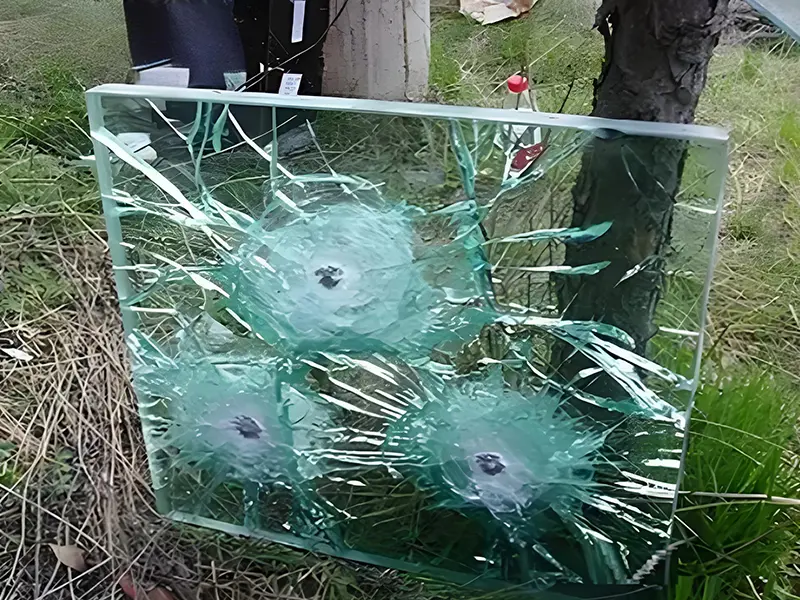
Modern bullet proof glass typically consists of multiple layers of glass and polycarbonate, bonded under heat and pressure to create a transparent yet protective barrier. Recent advancements have focused on reducing weight and improving optical clarity while maintaining ballistic resistance. The global bullet proof glass market, valued at approximately USD 5.1 billion in 2025, is projected to reach USD 13.3 billion by 2035, reflecting a compound annual growth rate of 10.1% . This growth is driven not only by security concerns but also by the expanding application of these materials in commercial architecture.
The integration of bullet proof glass with other building systems represents another significant evolution. Rather than functioning as isolated security elements, these glazing systems are now designed to work in concert with a building's overall sustainability and safety strategy, including their relationship with fire proof curtain wall systems and other protective building components.
The Intersection of Security and Sustainability
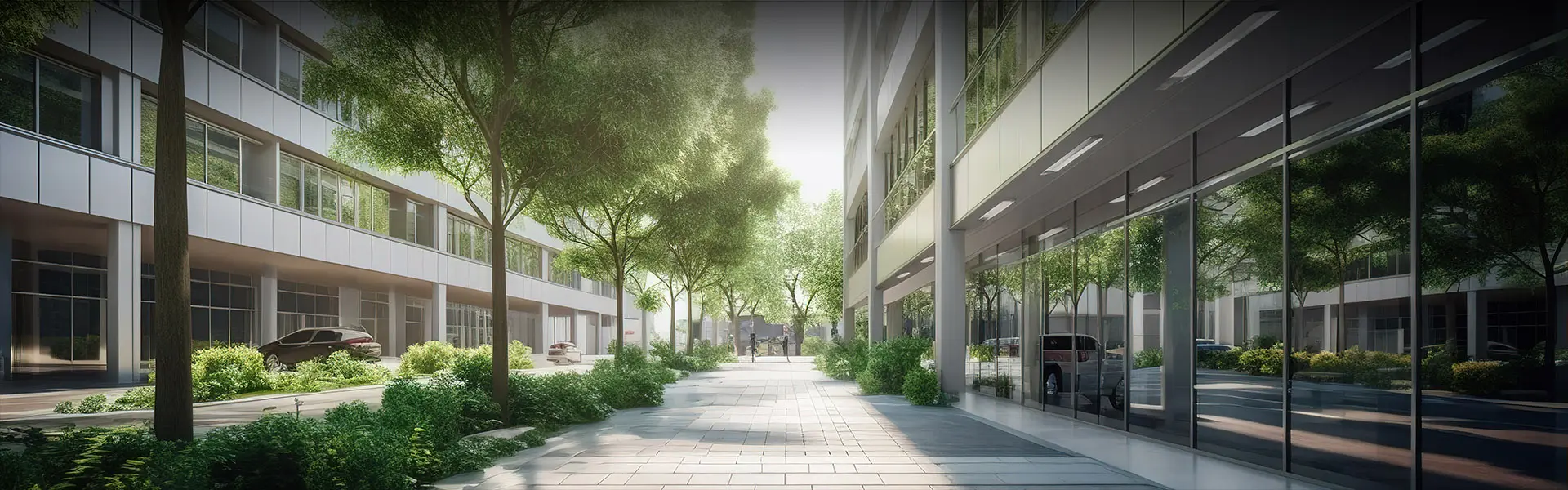
The concept of sustainable office buildings has traditionally emphasized energy efficiency, natural lighting, and environmentally friendly materials. The question now is whether security components like bullet proof glass can align with these green building principles.
Energy Efficiency Contributions: Modern bullet proof glazing systems often incorporate low-emissivity coatings and gas fills between layers that contribute to thermal insulation. The multiple layers inherent in ballistic-resistant glass naturally create insulating properties that can reduce heat transfer, potentially lowering heating and cooling loads in office environments.
Daylighting and Visual Comfort: The improved optical quality of contemporary bullet proof glass allows for sufficient natural light penetration, supporting one of the fundamental principles of sustainable design—daylighting. By maintaining transparency while providing protection, these glazing solutions can contribute to occupant well-being and reduce reliance on artificial lighting.
Material Longevity and Lifecycle: The durable nature of bullet proof glass translates to an extended service life, reducing the frequency of replacement and associated resource consumption. This longevity aligns with the lifecycle approach to sustainable building materials, potentially offsetting the higher initial embodied energy through extended durability.
Technological Synergies: Bullet proof and Fire proof Glass Integration
The functional integration of protective glazing systems represents one of the most significant advancements in architectural security. The convergence of bullet proof and fire proof glass technologies creates opportunities for comprehensive safety solutions in sustainable office buildings.
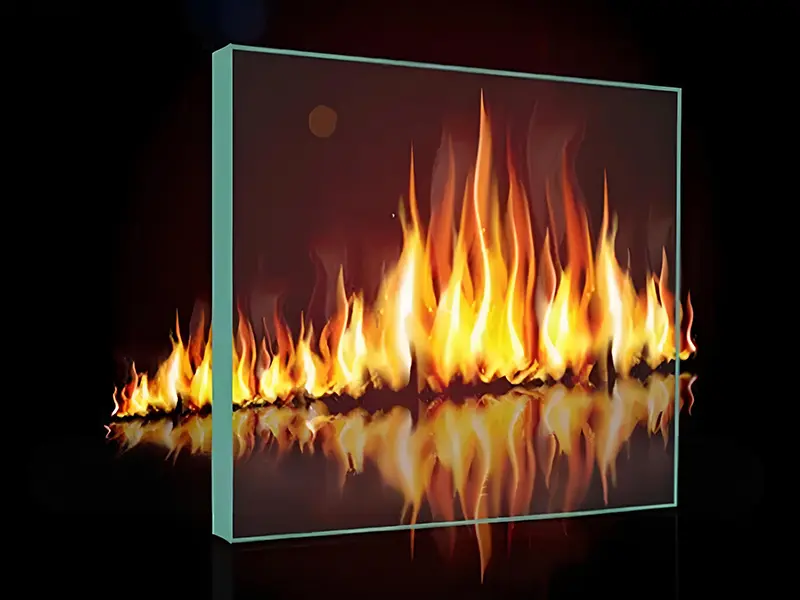
Fireproof glass typically incorporates specialized interlayers that expand when exposed to heat, creating an insulating barrier that prevents flame and smoke penetration for specified durations. When combined with ballistic-resistant properties, these multi-hazard protection glazing systems can address two critical safety concerns simultaneously. The development of transparent ceramic materials and advanced intumescent interlayers has been particularly instrumental in this technological convergence.
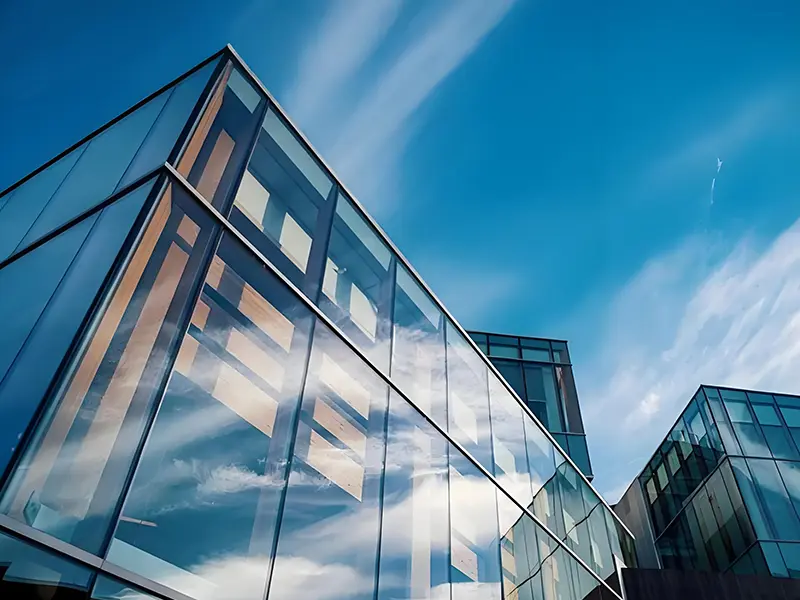
Similarly, the relationship between security glazing and fire proof curtain wall systems deserves attention. Modern curtain walls—the outer covering of buildings—can be engineered to provide both ballistic resistance and fire containment capabilities. This integration ensures that a building's exterior can withstand forced entry attempts while simultaneously preventing vertical fire spread between floors, a critical consideration in high-rise office structures.
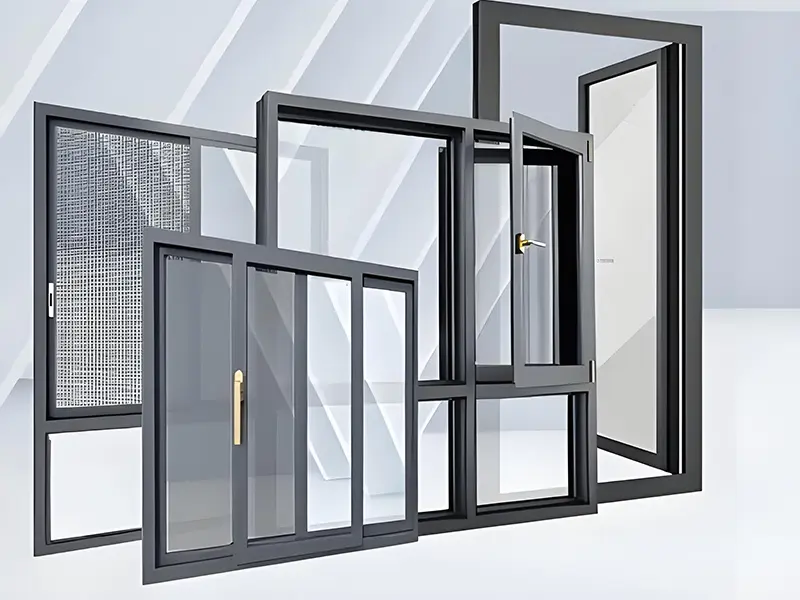
The coordination between ballistic-resistant glazing and fire proof windows represents another area of technological synergy. These specialized window systems must maintain their protective qualities while supporting the overall energy performance and aesthetic goals of sustainable buildings. Advances in frame design and sealing technologies have enabled the development of unified assemblies that address all these requirements without compromising on safety or efficiency.
Implementation Challenges in Sustainable Office Environments
Despite the promising advancements, several significant challenges must be addressed before bullet proof glass becomes standard in sustainable office buildings:
Cost Considerations: The specialized manufacturing processes required for protective glazing result in significantly higher costs compared to conventional architectural glass. While prices may decrease with technological advancements and increased production volumes, the premium for ballistic-resistant properties remains a barrier to widespread adoption.
Weight and Structural Implications: Even with weight-reduction innovations, bullet proof glass typically adds substantial load to building structures. This requires reinforced framing systems and potentially more substantial structural supports, impacting both material usage and design flexibility—key considerations in sustainable architecture.
Environmental Trade-offs: The additional material layers and specialized manufacturing processes involved in bullet proof glass production typically result in higher embodied energy compared to standard insulating glass units. The trade-off between security benefits and environmental impacts must be carefully evaluated within the overall sustainability framework of each project.
The Path Forward: Opportunities for Widespread Adoption
For bullet proof glass to transition from specialized application to standard feature in sustainable offices, several conditions must be met:
Continued Material Innovation: Ongoing research into stronger, lighter, and more transparent materials will be essential. Developments in nanotechnology, transparent ceramics, and advanced composites show promise for creating next-generation protective glazing with improved environmental profiles.
Integration with Building Standards: The incorporation of security requirements into green building certification systems could accelerate adoption. As sustainability standards evolve to encompass broader definitions of occupant safety and building resilience, ballistic-resistant glazing may find greater acceptance within sustainable design parameters.
Multi-functional Design Approach: The future likely lies in glazing systems that integrate multiple functions—security, fire resistance, thermal insulation, solar control, and potentially even energy generation. This holistic approach to building envelopes would align with the integrated design methodologies fundamental to high-performance sustainable architecture.
Balanced Security Implementation: Rather than applying bullet proof glass uniformly throughout a building, strategic implementation in specific areas may represent a more practical approach. This targeted methodology could provide necessary protection while minimizing cost, weight, and environmental impacts.
Conclusion
The question of whether bullet proof glass can become a standard feature in sustainable office buildings reflects the evolving nature of architectural design, where security, sustainability, and occupant well-being are increasingly intertwined. While significant challenges remain, the continuous advancement in materials technology and the growing understanding of comprehensive building performance suggest a promising trajectory.
The integration of bullet proof glass with fire proof glass technologies and fire proof curtain wall systems represents a meaningful step toward multi-hazard building protection that can align with sustainable design principles. As research addresses current limitations related to cost, weight, and environmental impact, and as building standards evolve to embrace broader safety considerations, we may indeed see protective glazing transition from exceptional to expected in sustainable office environments.
The ultimate acceptance of bullet proof glass in these settings will depend on the industry's ability to balance security imperatives with environmental responsibility—creating buildings that are not only safe and protective but also genuinely sustainable for the long term.