





Can Mirror Glass Curtain Walls Achieve Energy Efficiency Without Causing Light Pollution?
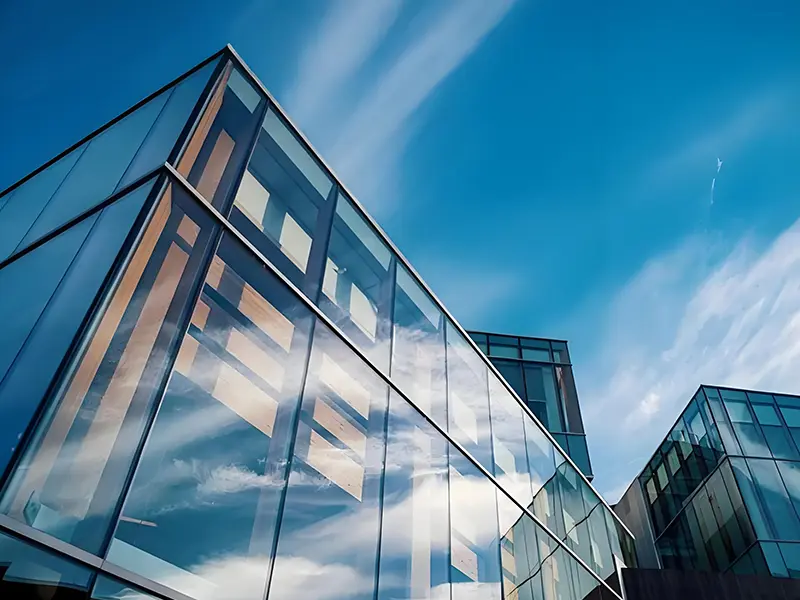
The architectural landscape is evolving rapidly, with sustainability and aesthetics driving innovation in building materials. Among these, mirror glass curtain walls have emerged as a striking yet controversial feature in modern design. Combining reflective surfaces with structural functionality, these installations promise energy efficiency through natural light optimization but raise concerns about light pollution, glare, and environmental impact. This article explores whether mirror glass curtain walls—including specialized variants like gym mirror glass, decorative glass, UV protection glass, and Low E glass—can balance performance with ecological responsibility.
 The Rise of Mirror Glass in Architecture
Mirror glass curtain walls are not a new concept, but advancements in material science have expanded their applications. Traditionally used for decorative purposes, reflective glass now serves dual roles: enhancing building aesthetics while improving energy performance. Architects leverage its mirror-like finish to create visually dynamic facades that reflect sunlight, sky, and surroundings, reducing the need for artificial lighting indoors.
Gym Mirror Glass: A Niche Application
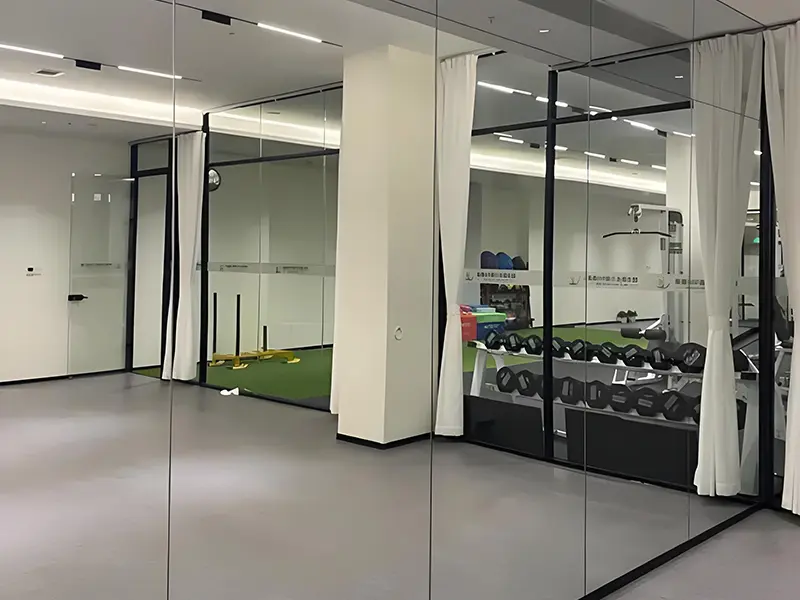
One specialized use case is gym mirror glass, designed to withstand high-traffic environments while maintaining clarity and durability. Unlike standard mirrors, gym-grade glass is shatter-resistant, anti-fog, and often treated to resist corrosion from sweat and cleaning agents. When integrated into curtain walls, it can transform fitness centers into visually open spaces that feel connected to outdoor views, boosting user experience without compromising safety.
Decorative Glass: Merging Form and Function
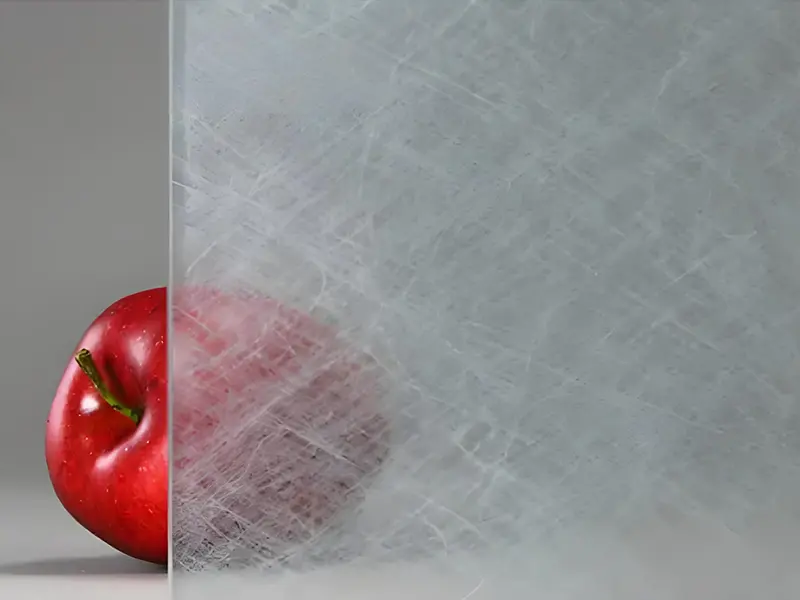
Decorative glass variants further blur the line between utility and artistry. Etched, tinted, or patterned mirror glass adds texture and privacy to curtain walls while preserving reflectivity. For instance, frosted decorative glass can diffuse harsh sunlight, reducing glare in commercial spaces like offices or retail stores. This versatility makes it a favorite among designers seeking to balance aesthetics with practicality.
Energy Efficiency: The Core Promise of Mirror Glass
The primary appeal of mirror glass curtain walls lies in their potential to enhance energy efficiency. By reflecting sunlight, they reduce solar heat gain, lowering cooling demands in warm climates. This aligns with global sustainability goals, as buildings account for nearly 40% of global energy consumption, according to the International Energy Agency (IEA).
UV Protection Glass: Shielding Interiors from Harmful Rays
A critical component of energy-efficient design is UV protection glass. Prolonged exposure to ultraviolet radiation can fade furniture, artworks, and flooring, while increasing indoor temperatures. Mirror glass treated with UV-blocking coatings can filter out up to 99% of harmful rays, preserving interiors and reducing reliance on air conditioning. This feature is particularly valuable in regions with intense sunlight, such as desert cities or equatorial zones.
Low E Glass: The Game-Changer in Thermal Performance
Low E (low-emissivity) glass represents another leap forward. Coated with microscopic metallic layers, Low E glass minimizes heat transfer by reflecting infrared radiation. When used in mirror glass curtain walls, it acts as a thermal barrier, keeping interiors cool in summer and warm in winter. Studies show that Low E coatings can improve window insulation by up to 50%, translating to significant energy savings over a building’s lifecycle.
 The Light Pollution Dilemma
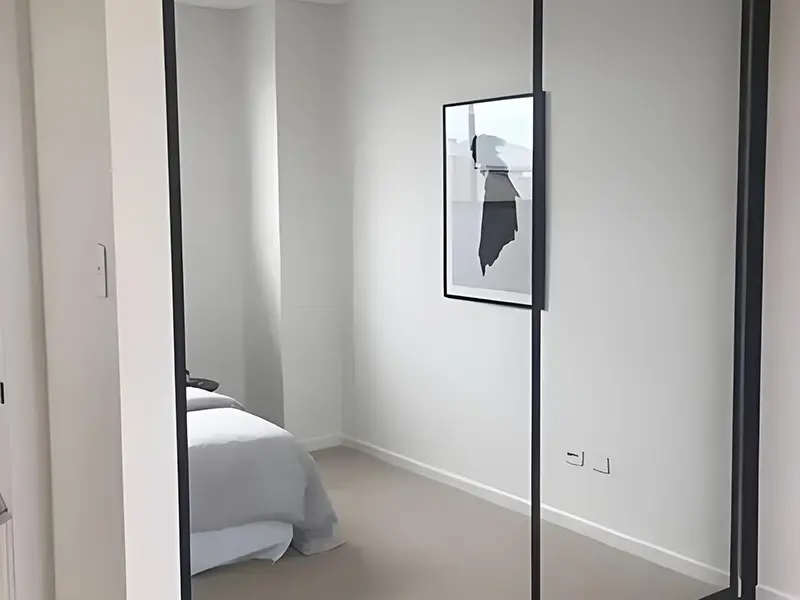
Despite their benefits, mirror glass curtain walls face scrutiny for their role in light pollution—a growing urban issue linked to health problems, disrupted ecosystems, and wasted energy. Critics argue that excessive reflectivity can create glare, disorient wildlife, and overwhelm nocturnal environments with artificial brightness.
Glare and Human Health
Glare from reflective surfaces can impair vision, causing discomfort or temporary blindness. This poses risks in pedestrian-heavy areas, where drivers or cyclists may be momentarily distracted. For example, a 2021 study by the Lighting Research Center found that highly reflective glass facades could increase glare-related accidents by 15% in dense urban settings.
Environmental Impact
Light pollution also disrupts ecosystems. Nocturnal animals, such as bats and insects, rely on darkness for navigation and hunting. Artificial reflections can mimic water bodies, leading animals to collide with buildings or exhaust themselves searching for nonexistent resources. Cities like Chicago and Singapore have reported declines in bird populations linked to reflective glass structures.
Balancing Act: Innovations to Mitigate Light Pollution
The challenge lies in reconciling energy efficiency with ecological harmony. Fortunately, material scientists and architects are developing solutions to minimize mirror glass’s downsides.
Anti-Reflective Coatings
One approach involves applying anti-reflective (AR) coatings to mirror glass. These layers reduce surface reflectivity by up to 90%, allowing more light to penetrate indoors while cutting external glare. AR-treated gym mirror glass, for instance, can create brighter workout spaces without reflecting harsh sunlight onto streets.
Dynamic Glazing Technologies
Dynamic or smart glass systems offer another breakthrough. Electrochromic or thermochromic coatings adjust transparency based on external conditions. During peak sunlight, the glass tints automatically to block heat and glare, reverting to transparent mode at night. This technology, though costly, is gaining traction in luxury developments and eco-conscious projects.
Strategic Design Practices
Architects are also rethinking curtain wall orientations. By angling reflective surfaces away from public areas or incorporating landscaping buffers, designers can redirect glare toward less sensitive zones. For example, the Edge Olympic building in Amsterdam uses louvred mirror glass to diffuse reflections while maintaining energy performance.
Case Studies: Success Stories and Lessons Learned
The Crystal in London: A Benchmark for Sustainability
The Crystal, a sustainable events venue, showcases how mirror glass can achieve energy efficiency without excessive reflectivity. Its curtain wall combines Low E glass with fritted patterns, reducing solar gain by 30% while maintaining natural light levels. The design earned it a BREEAM Outstanding rating, the highest sustainability accolade for buildings.
Singapore’s Parkroyal Collection Pickering: Biophilic Design Meets Function
This hotel integrates mirror glass with lush greenery to create a “hotel-in-a-garden” aesthetic. The reflective facade mirrors the surrounding foliage, minimizing glare while enhancing the building’s connection to nature. UV protection glass ensures plant life inside remains vibrant without overheating.
The Future of Mirror Glass Curtain Walls
As urbanization intensifies, the demand for energy-efficient, visually appealing buildings will drive innovation in mirror glass technologies. Researchers are exploring nano-coatings that mimic moth eyes—a natural anti-reflective structure—to create glass that is nearly invisible to light. Meanwhile, advancements in AI-driven design tools enable architects to simulate light interactions with unprecedented precision, optimizing curtain walls for specific climates and contexts.
Regulatory Frameworks and Industry Standards
Governments and industry bodies are also stepping in. The European Union’s Energy Performance of Buildings Directive (EPBD) mandates near-zero-energy buildings by 2030, incentivizing the adoption of Low E and UV protection glass. In the U.S., the Leadership in Energy and Environmental Design (LEED) certification rewards projects that minimize light pollution through thoughtful material selection.
Conclusion: A Reflective Path Forward
Mirror glass curtain walls occupy a unique position at the intersection of sustainability, design, and urban ecology. While challenges like light pollution persist, ongoing innovations in coatings, dynamic glazing, and strategic design offer viable pathways to harmony. By prioritizing technologies like Low E glass, UV protection glass, and decorative variants tailored to specific needs—such as gym mirror glass—the industry can create buildings that are both energy-efficient and environmentally responsible.
The key lies in viewing mirror glass not as a standalone solution but as part of a holistic approach to green building. As architects, engineers, and policymakers collaborate, the reflective facades of tomorrow may well illuminate a brighter, more sustainable future.