




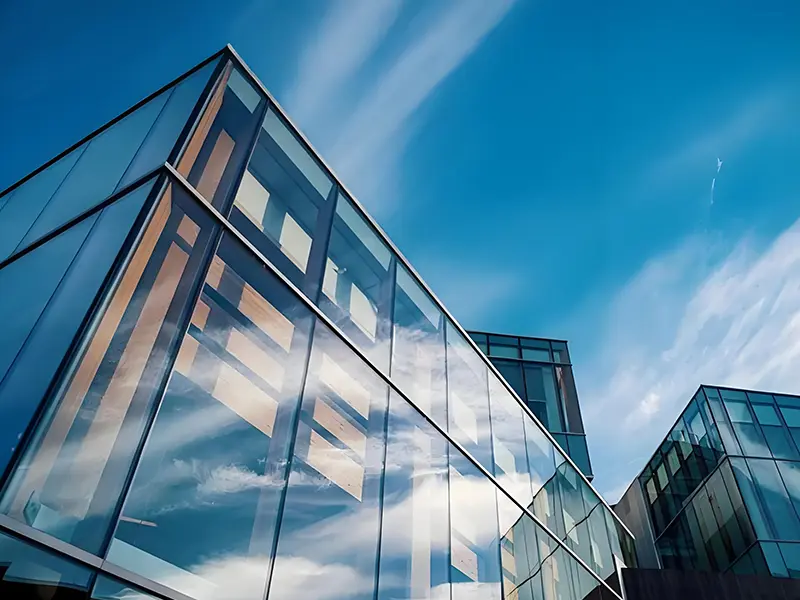

Guoxin Glass Expands European Market with Lead Glass Export to Hungary
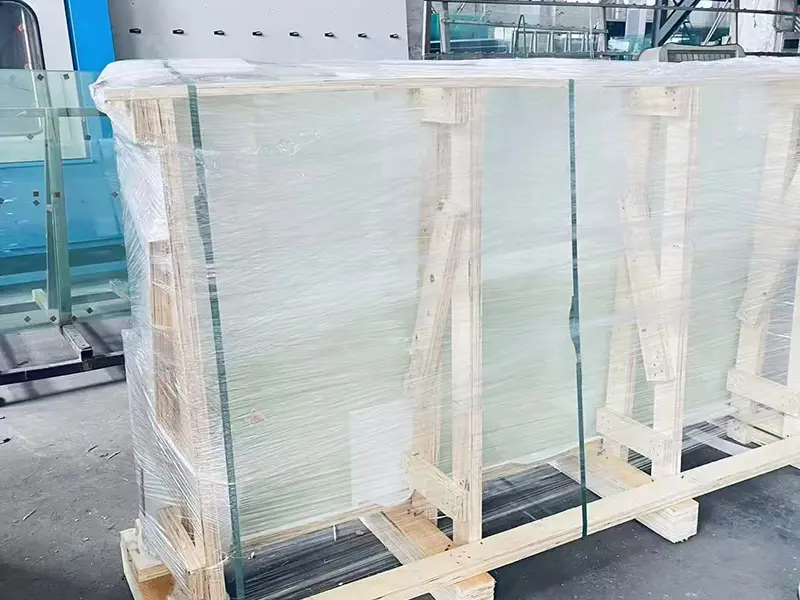
In a significant strategic move, Jiangsu Guoxin Glass Co., Ltd. has announced the successful export of its specialized lead glass products to Hungary for application in the building and construction sector. This development marks an important milestone in the company's ongoing European expansion efforts and demonstrates the growing international recognition of Chinese specialized glass manufacturing capabilities.
Technical Excellence: Understanding Lead Glass in Modern Construction
Lead glass, known for its unique composition containing substantial amounts of lead oxide (PbO), represents a sophisticated category of building glass with distinct advantages over conventional glass products. Unlike ordinary glass, the incorporation of lead oxide significantly enhances several key properties including density, refractive index, and radiation absorption capacity while maintaining excellent optical clarity .
The chemical composition follows the formula RmOn-PbO-SiO2(B2O3), where SiO2 (silicon dioxide) or B2O3 (boron trioxide) forms the fundamental network structure, and PbO serves as the characteristic component that imparts the glass's defining properties . As PbO content increases, the glass develops improved dielectric constant and enhanced X-ray and γ-ray absorption coefficients, making it particularly valuable for specialized architectural applications where both safety and visual transparency are paramount.
Historically, lead glass dates back to China's Warring States period, with early artifacts demonstrating the long-standing tradition of glass innovation . The modern iteration, refined by companies like Jiangsu Guoxin Glass, represents the evolution of this ancient technology adapted to contemporary building requirements.
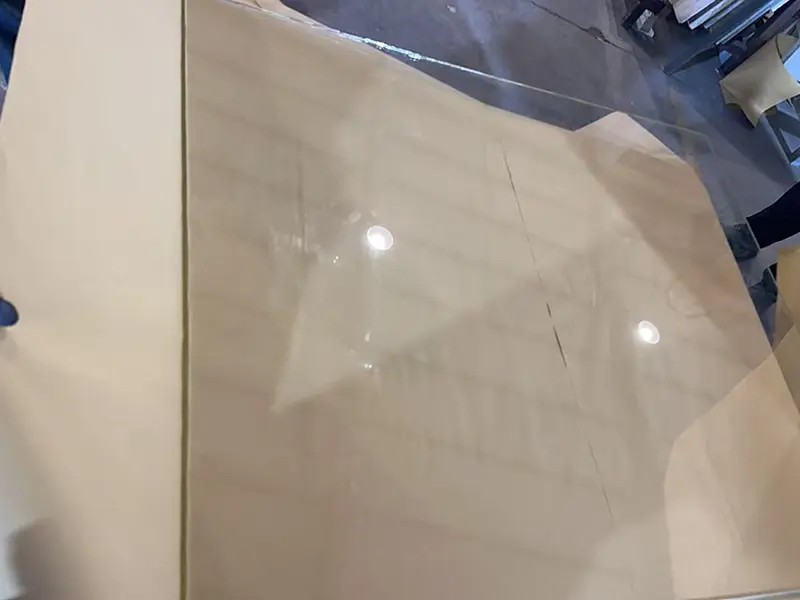
Comparative Analysis: Lead Glass in the Context of Safety Glass Variants
Reinforced Glass and Tempered Glass: The Safety Standards
Within the architectural glass category, reinforced glass and tempered glass represent crucial safety glass variants that share some functional similarities with lead glass while serving distinct purposes. Tempered glass, created through a thermal process that heats the material to approximately 680°C followed by rapid cooling, develops a surface compression that makes it 4-6 times stronger than regular annealed glass .
When broken, tempered glass fractures into small, relatively harmless granular chunks rather than sharp shards, qualifying it as a genuine safety glass material suitable for applications including high-rise building windows, glass facades, and interior partitions . Similarly, reinforced glass encompasses both thermally and chemically strengthened variants, with chemical strengthening involving ion exchange processes that create surface compression through the substitution of sodium ions with larger potassium ions .
The Distinct Value Proposition of Lead Glass
While tempered glass excels in impact resistance and reinforced glass offers improved mechanical strength, lead glass provides unique benefits in radiation shielding and superior optical properties. The combination of these different specialized glass types allows architects and builders to select precisely the right material for specific applications within the same building project, with lead glass particularly suited for medical facilities, research institutions, and specialized industrial settings where radiation protection or exceptional clarity is required.
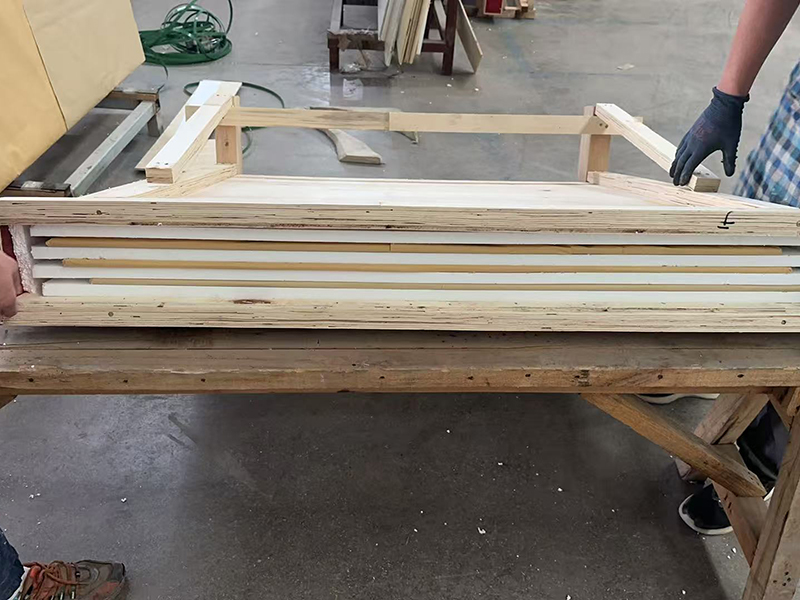
Market Context: Building Glass Industry Trends and European Expansion
The global building glass market is experiencing steady growth, with projections indicating a CAGR of 4.3% from 2025 to 2031 . This expansion is driven by increased construction activity, growing demands for energy efficiency, and technological advancements in glass production. Within this landscape, specialized glass products like lead glass represent a premium segment with particular growth potential in European markets, where both historical preservation and cutting-edge architectural design create demand for high-performance materials.
Jiangsu Guoxin Glass's shipment to Hungary aligns with broader patterns of international business development within the construction materials sector. Recent corporate movements indicate growing connections between Chinese manufacturers and European markets, with various Chinese companies establishing production bases and supply relationships across the region . This strategic expansion allows for closer collaboration with European architects and builders, who increasingly prioritize both aesthetic excellence and functional performance in material selection.
The European building glass market demonstrates particular receptivity to innovations that address both sustainability concerns and specialized functional requirements. Lead glass from Jiangsu Guinox meets these demands through its potential for recycling and its contribution to building longevity and performance.
Technical Applications: Lead Glass in Architectural Design
The application of lead glass in building construction spans multiple domains where its unique properties provide distinct advantages. In healthcare architecture, lead glass serves as protective viewing panels in radiology departments and other areas requiring radiation shielding . The material's combination of transparency and protective qualities makes it ideal for these applications, eliminating the need for opaque shielding materials that create confined, isolated environments.
Beyond medical facilities, lead glass finds application in premium architectural projects where its exceptional optical properties enhance visual experiences. The high refractive index of lead glass creates distinctive light transmission characteristics that architects can leverage to create unique spatial qualities. Additionally, the material's acoustic damping properties contribute to improved indoor environmental quality in spaces where noise reduction is desirable.
For conservation and restoration projects, particularly in historical buildings where original lead glass elements require matching replacements, Jiangsu Guoxin Glass offers custom formulations that maintain aesthetic continuity while incorporating modern performance enhancements. This application demonstrates the versatility of lead glass in bridging historical preservation with contemporary building science.
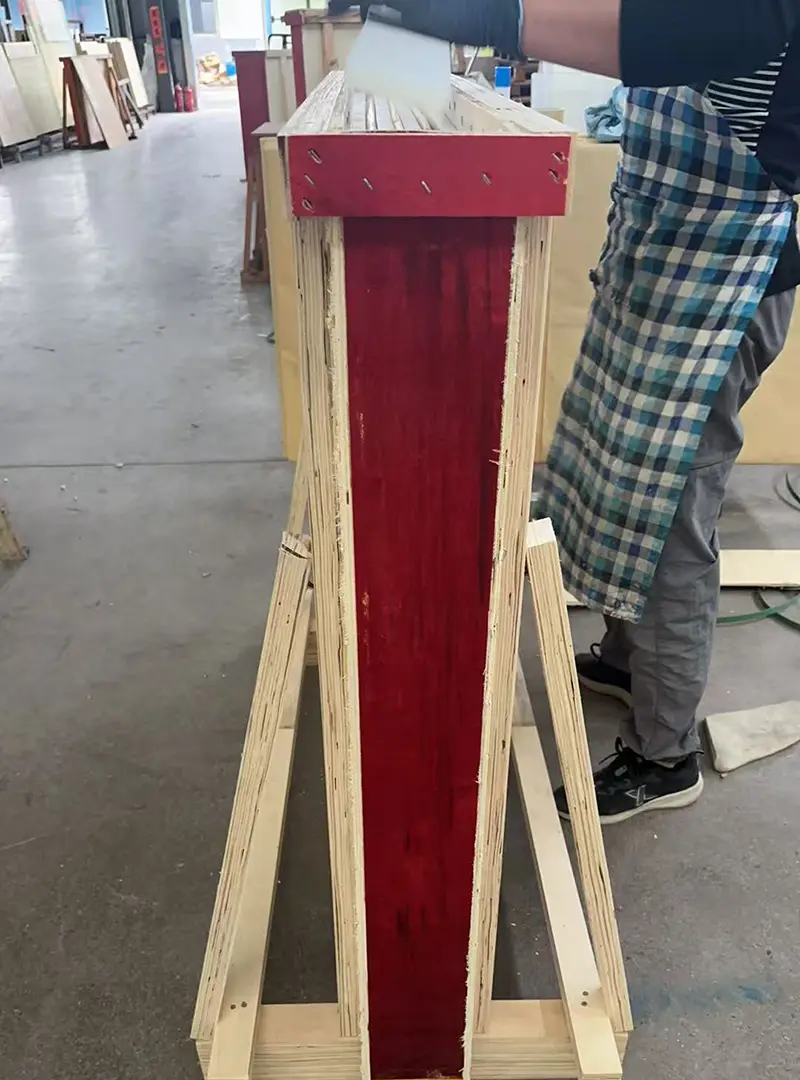
Innovation and Sustainability: The Future of Lead Glass in Construction
As the building industry increasingly prioritizes sustainability, lead glass manufacturers face both challenges and opportunities. Jiangsu Guoxin Glass has invested in production processes that minimize environmental impact while extending product lifespan through enhanced durability. The company's research and development efforts focus on optimizing lead glass composition to maintain performance characteristics while exploring reduced lead content alternatives for specific applications.
The integration of lead glass with other innovative glass technologies represents another promising direction. While smart building glass technologies like thermochromic varieties that automatically adjust tint in response to sunlight serve different primary functions, their combination with lead glass properties could yield multifunctional materials addressing simultaneous needs for radiation protection, energy efficiency, and occupant comfort.
Looking toward the future, Jiangsu Guoxin Glass anticipates growing demand for specialized glass products that address the increasing complexity of building performance requirements. As architectural trends continue to emphasize transparency, natural light, and visual connection to the exterior environment, the role of high-performance glass products like lead glass will become increasingly central to building design and construction.
Conclusion: Strategic Positioning in the European Market
Jiangsu Guoxin Glass's successful export of lead glass to Hungary represents more than an isolated transaction—it signifies the company's strategic positioning within the specialized European building materials market. By offering a product that combines historical glassmaking traditions with contemporary technical performance, the company establishes itself as a relevant player in the international architecture, engineering, and construction landscape.
As global demand for specialized building glass continues to evolve, manufacturers with strong technical capabilities and international reach stand to benefit from emerging opportunities in both new construction and renovation markets. With its commitment to quality, innovation, and international collaboration, Jiangsu Guoxin Glass demonstrates how specialized Chinese manufacturing contributes to the global building industry's evolving needs through products like its high-performance lead glass.
The company's European expansion through shipments to Hungary creates a foundation for continued growth across the region, potentially leading to further collaborations that bring innovative glass solutions to architectural projects valuing both form and function. This development represents not just a business achievement but a contribution to the evolving conversation about how specialized materials can enhance building performance, occupant experience, and architectural expression.