





Guoxin Smart Glass Arrives in Morocco, Boosting Sustainable Construction in North Africa
Introduction: A New Era for North African Architecture
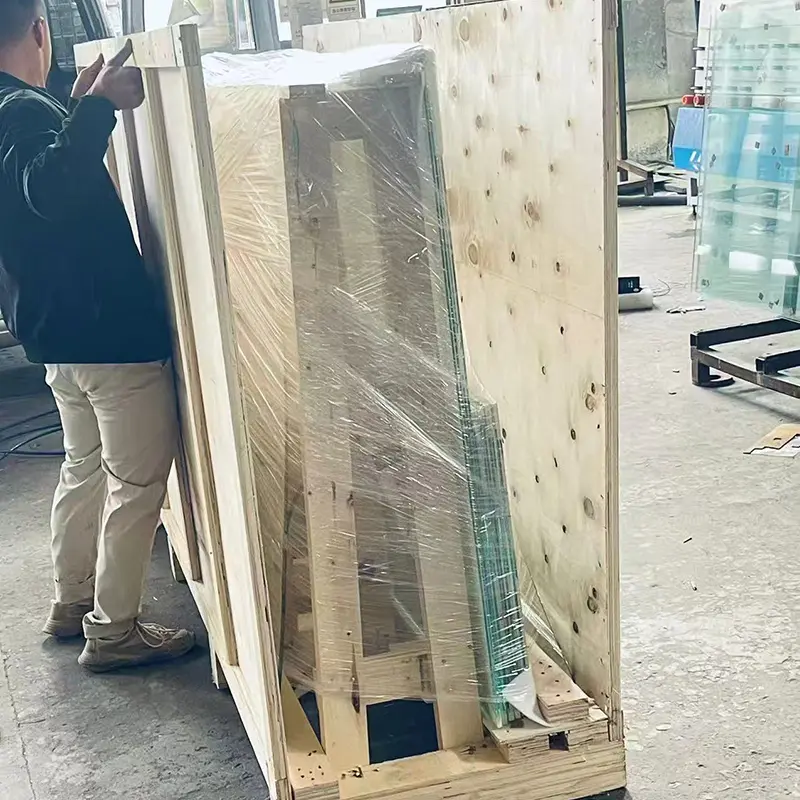
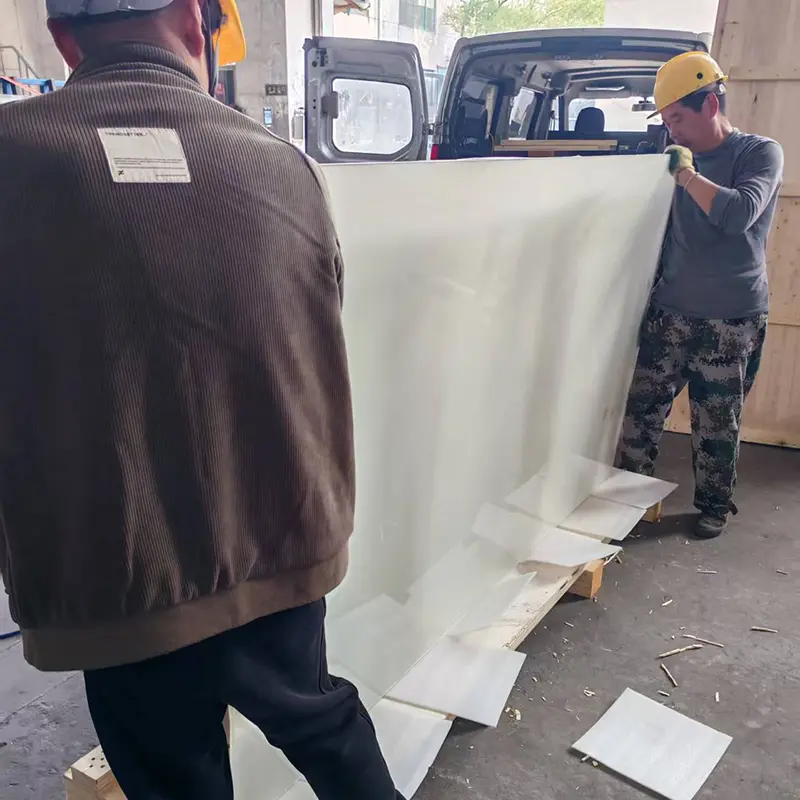
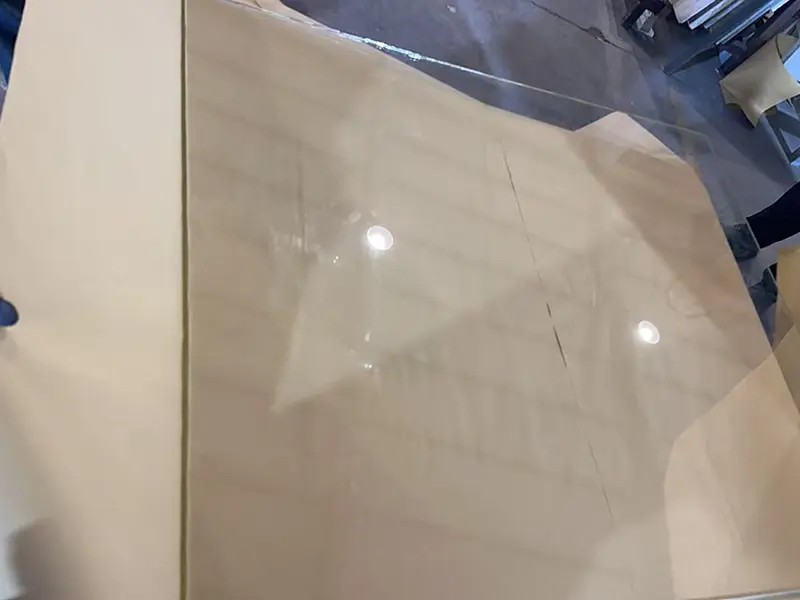
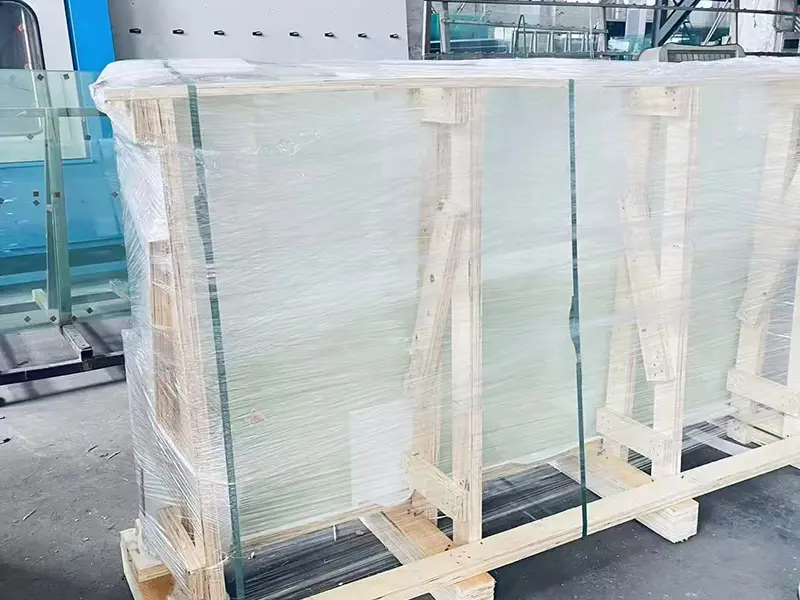
A significant shipment of advanced smart glass has officially arrived in Morocco, marking a pivotal moment for the architectural and construction sectors across North Africa. This delivery of cutting-edge specialty glass from Guoxin is set to revolutionize building design, energy efficiency, and occupant comfort. As the region increasingly focuses on sustainable development and technological innovation, the introduction of this dynamic glazing solution provides architects, developers, and property owners with a powerful tool to create smarter, greener, and more responsive built environments. This initiative represents more than just a product import; it is the transfer of a core technology that aligns perfectly with national and regional goals for reducing carbon footprints and embracing intelligent building principles.
The inherent challenges of the North African climate—intense solar gain, high temperatures, and abundant sunlight—make it an ideal candidate for the widespread adoption of smart glass technology. Traditional windows often contribute to excessive cooling costs and energy waste. The arrival of this adaptive glazing promises to transform these challenges into opportunities for unprecedented efficiency and control.
The Science and Engineering Behind Smart Glass
At its core, smart glass is a category of specialty glass that can alter its light transmission properties in response to an external stimulus, such as voltage, light, or heat. The specific technology being introduced to the Moroccan market is primarily electrochromic glass. This sophisticated material consists of multiple thin layers deposited on a standard glass substrate. These layers include transparent conductive oxides and an ion-storage layer, with a critical electrochromic material layer in between.
When a low-voltage electrical current is applied, lithium ions move from the ion-storage layer into the electrochromic layer, causing a chemical reaction that tints the glass. Reversing the voltage causes the ions to migrate back, returning the glass to its clear, transparent state. This entire process can be precisely controlled, allowing users to select any level of tint between fully clear and fully dark. This is not a simple on/off switch but a finely tunable system for managing solar energy. The deep engineering within this specialty glass ensures uniform coloration, long-term cycle stability, and consistent performance over decades, making it a robust and reliable building component.
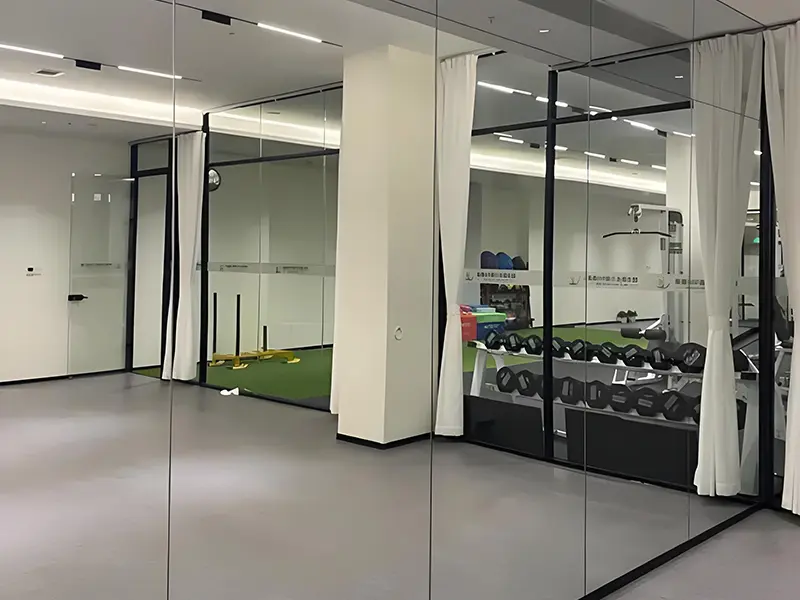
Another form of this technology, crucial for interior applications, is the smart mirror. While often associated with residential bathrooms, advanced smart mirror technology in a commercial or high-end residential context integrates similar principles. These mirrors can switch from a reflective surface to a transparent one, or even incorporate embedded displays for information, all while maintaining a sleek, minimalist aesthetic. The underlying science of controlling light reflection and transmission bridges the gap between the exterior-focused smart privacy glass and interior design innovation.
Smart Privacy Glass: Redefining Space and Security
A major application of this technology is smart privacy glass. This innovative product allows a pane of glass to transition instantly from perfectly transparent to completely opaque. This functionality is achieved through several methods, with Polymer Dispersed Liquid Crystal (PDLC) technology being a common one for immediate privacy needs. In its default state without power, the liquid crystals are scattered, scattering light and making the glass opaque. When electricity is applied, the crystals align, allowing light to pass through seamlessly.
The implications for Moroccan architecture are profound. Smart privacy glass can be used in corporate boardrooms, hospital patient rooms, hotel suites, and luxury residential partitions. It enables the dynamic reconfiguration of space without the need for physical walls or curtains. In medical facilities, it can provide instant privacy for patients while maintaining an open, airy feel when not required. In financial institutions, it can secure sensitive meeting areas at the touch of a button. This specialty glass offers a blend of aesthetic elegance and functional versatility that static building materials cannot match, providing both visual and acoustic privacy solutions in modern structures.
Driving Sustainability and Energy Efficiency
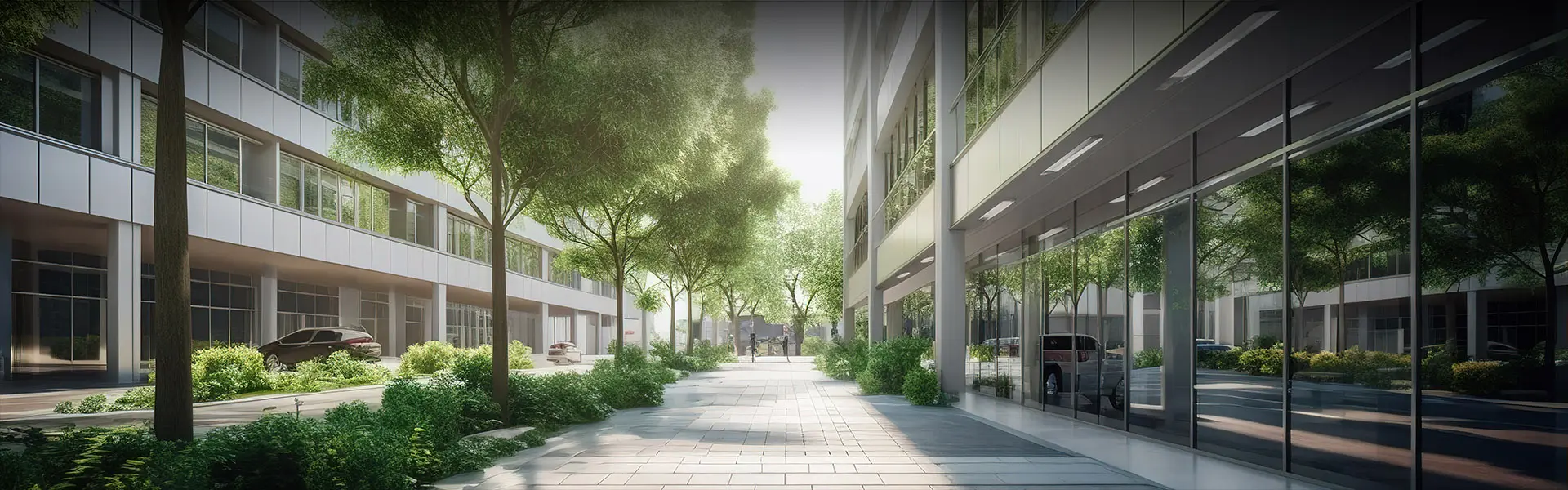
The most significant impact of smart glass in North Africa will likely be on the sustainability profile of buildings. The region's heavy reliance on air conditioning constitutes a major portion of its energy consumption and operational costs. By dynamically controlling the amount of solar heat gain entering a building, smart glass directly addresses this issue.
During peak sunlight hours, the glass can be tinted to block a substantial percentage of solar infrared radiation, significantly reducing the cooling load on HVAC systems. Studies have shown that advanced smart glass can reduce a building's cooling energy needs by up to 20-25%. Conversely, in colder weather or during the evening, the glass can be cleared to allow passive solar heating, reducing heating demands. This dynamic response creates a more stable indoor temperature, enhances occupant comfort, and leads to dramatic reductions in energy bills and greenhouse gas emissions.
Furthermore, the optimal use of natural light, known as daylighting, is a key sustainable design strategy. Smart glass mitigates the two primary drawbacks of daylighting: glare and heat. By tuning the tint, it eliminates harsh glare on computer screens and workspaces without plunging the room into darkness, maintaining a connection to the outdoors. This reduces the dependency on artificial lighting, yielding further energy savings. The integration of this smart glass is, therefore, a comprehensive strategy for achieving green building certifications like LEED or the local equivalent, positioning Moroccan developments at the forefront of global sustainable design.
Integration with Smart Buildings and IoT
Modern smart glass is not an isolated component; it is designed to be an integral part of a building's central nervous system. These glazing systems can be seamlessly integrated with Building Management Systems (BMS), IoT sensors, and automated control schemes.
For instance, the smart glass can be programmed to tint automatically based on the sun's position, the time of day, or real-time weather forecasts. Occupancy and light sensors can communicate with the glazing to optimize both transparency and lighting conditions. The rise of the smart mirror in such ecosystems is also notable; a bathroom smart mirror can display the day's weather, control the smart privacy glass in the shower, and manage lighting scenes, all from a single, interactive surface.
This interconnectedness creates a truly responsive environment. The building's facade becomes an active, managing layer that interacts with other systems to maximize efficiency and comfort. For developers in Casablanca, Rabat, and Marrakech, this means that incorporating smart glass is a future-proof investment, laying the groundwork for fully automated, intelligent, and highly efficient smart cities.
Economic and Architectural Advantages for the North African Market
The economic argument for adopting smart glass in Morocco and the wider region is compelling. While the initial investment is higher than that of conventional glazing, the Return on Investment (ROI) is realized through substantial operational savings. The reduction in energy consumption directly translates to lower utility costs for the lifespan of the building, which can be decades. Additionally, the decreased load on HVAC systems can lead to lower maintenance costs and extended equipment longevity.
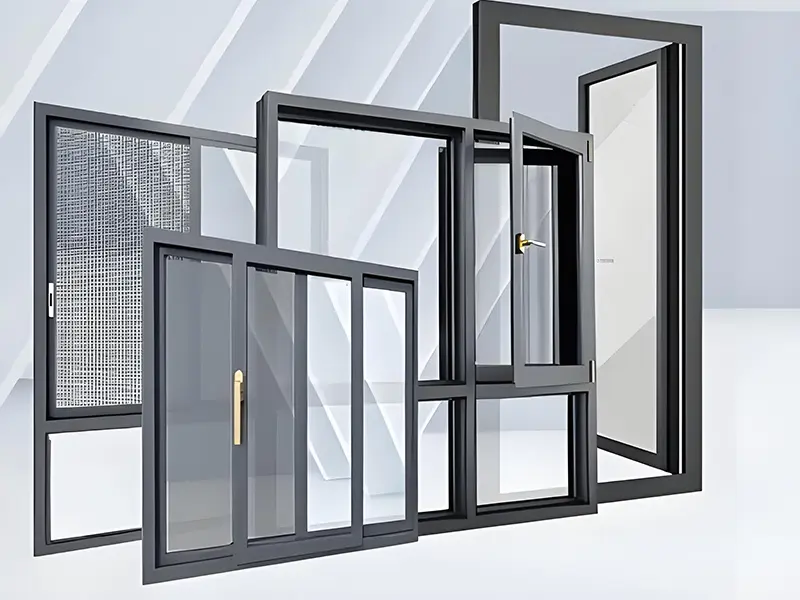
Architecturally, the benefits are transformative. Smart glass and smart privacy glass empower architects to design with light and space in revolutionary ways. The ability to have large, panoramic glazing without the associated penalty of solar heat gain allows for more daring and transparent designs. The use of smart privacy glass eliminates the visual clutter of blinds and curtains, promoting clean, minimalist interiors. This specialty glass enables the creation of "living façades" that adapt to their environment, enhancing the aesthetic value and uniqueness of a property. This positions Moroccan architecture to compete on a global stage, attracting international business and tourism.
Conclusion: Building a Smarter, Greener Future
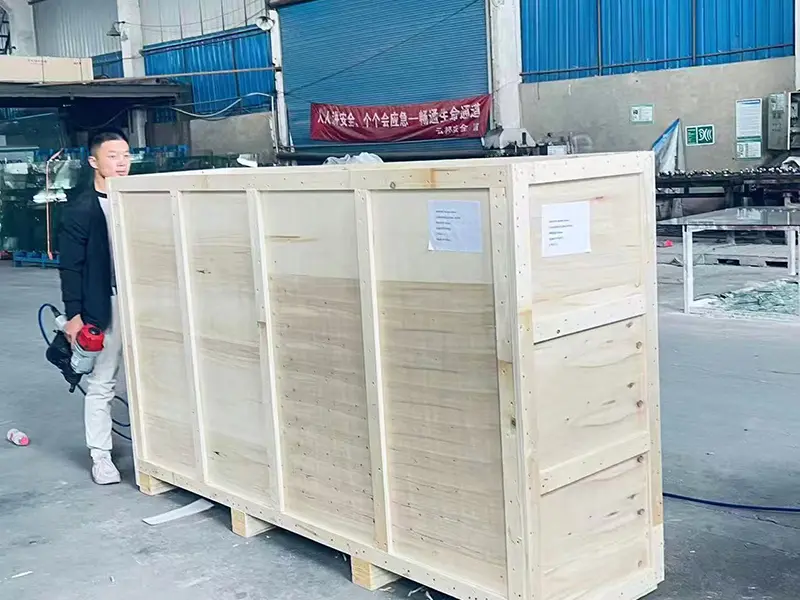
The arrival of Guoxin smart glass in Morocco is a landmark event for the construction industry in North Africa. It represents a convergence of sustainability, technological innovation, and architectural design. The versatile applications of this technology, from energy-saving building façades to space-transforming smart privacy glass and integrated smart mirror features, offer a holistic solution to modern construction challenges.
As Moroccan cities continue to grow and evolve, the adoption of such intelligent materials will be crucial in building a sustainable and resilient future. This shipment of smart glass is not merely a delivery of products; it is the seed of a new architectural philosophy for the region—one that prioritizes efficiency, comfort, and aesthetic brilliance in equal measure. The future of North African construction is not just solid; it is transparent, dynamic, and intelligent.