






How Are Sliding Doors Evolving with Glass Industry Dynamics and Technological Innovations?
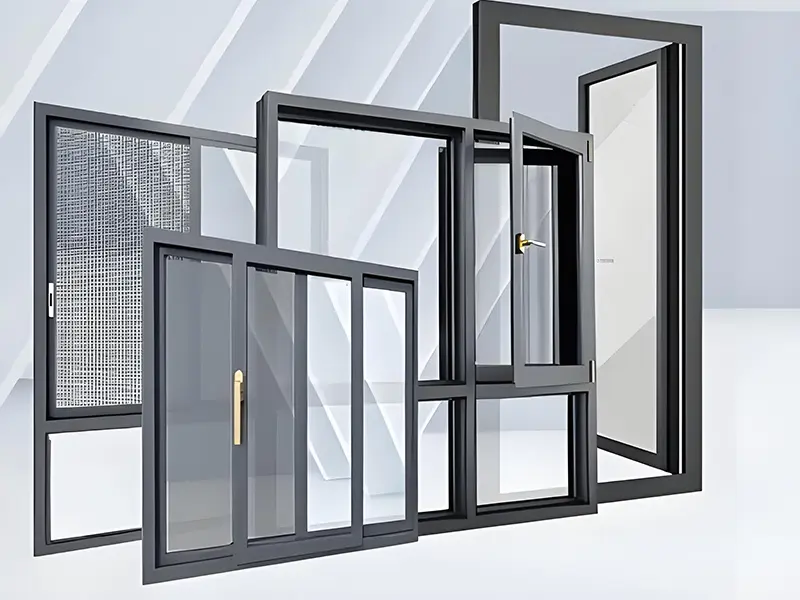
The global door and window industry’s going through some big changes lately. What’s making this happen? Well, technology’s getting better all the time, consumers’ tastes are changing, and even the way things work in the glass industry isn’t the same as before. Sliding doors, a popular choice for modern residential and commercial spaces, are at the forefront of this change. This article breaks down what’s going on with sliding doors right now—like the latest trends, new tweaks people are making, and the market stuff that shapes how they’re built and actually used. It also looks at materials like glass and aluminum—yeah, and other similar products too, things such as aluminum doors, hinged doors, and system windows.
1. The Glass Industry: Current Dynamics and Impact on Door Manufacturing
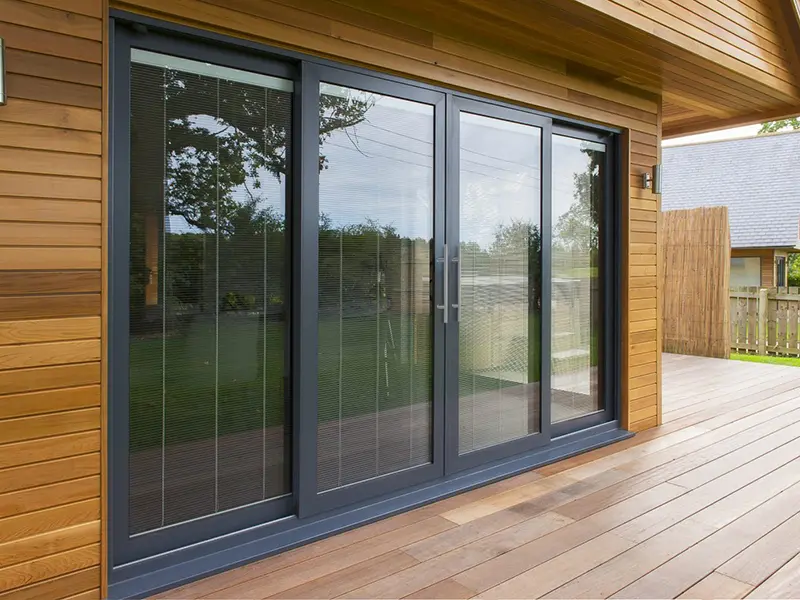
The glass industry has experienced notable fluctuations in recent years. In 2025, glass prices have shown volatility, with the central price hovering at lower levels due to subdued demand and internal market competition. However, government policies aimed at curbing "internal competition" are expected to stabilize and gradually lift price points. This stability is crucial for manufacturers of sliding doors, which often incorporate large glass panels. The cost and availability of high-quality glass directly impact production expenses and retail pricing.
Moreover, there is a growing emphasis on energy efficiency and sustainability in building materials. Glass producers are increasingly focusing on products that offer better thermal insulation, such as double-glazed and Low-E glass, which are essential components in modern system windows and doors. These advancements align with stricter global building codes demanding higher energy performance.
2. Innovation in Sliding Doors: Materials and Mechanisms
Innovation is driving the evolution of sliding doors. Traditional materials are being supplemented or replaced by advanced alternatives:
Aluminium Doors: Aluminium doors are gaining popularity due to their durability, corrosion resistance, and sleek aesthetics. The global market for aluminium doors is substantial, with projections indicating steady growth. Asia-Pacific is the largest market, followed by Europe and North America. Aluminum's strength allows for slimmer frames and larger glass surfaces, enhancing views and natural light ingress.
Glass Advancements: As discussed, the glass industry's shift towards energy-efficient products influences door design. Laminated, tempered, and insulated glass units are now standard in high-quality sliding doors, providing safety, security, and improved thermal performance.
Hardware and Mechanisms: The hardware mechanism is critical for smooth operation and longevity. Recent patents, such as for telescopic linear actuators, aim to enhance the flexibility, ease of use, and safety of sliding doors. These innovations ensure reliable performance even under frequent use.
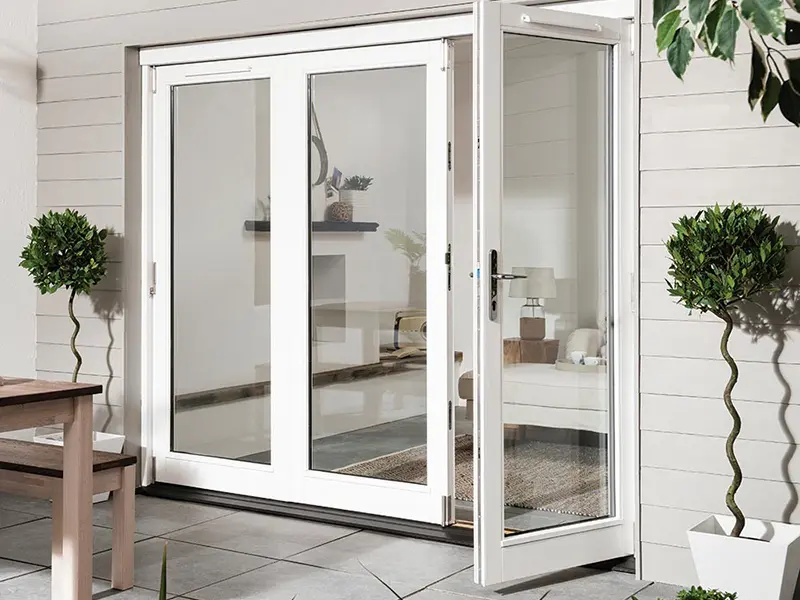
While sliding doors offer space-saving benefits, hinged doors remain a classic choice for many applications due to their simplicity and reliability. The choice between them often depends on space constraints, aesthetic preferences, and functional requirements.
3. The Rise of the System Window in Integrated Building Design
The concept of a system window represents a holistic approach to building envelopes. Unlike standalone windows or doors, a system window is part of a fully integrated design that ensures consistency in performance, aesthetics, and installation. This trend is influencing the sliding doors market, as architects and builders seek seamless transitions between indoor and outdoor spaces.
Modern system windows often incorporate sliding doors with large glass panels and minimalist frames, creating a unified look. These systems prioritize weatherproofing, structural integrity, and energy efficiency. For instance, innovative drainage systems within these units prevent water infiltration, a common challenge in exterior applications. The integration of smart technologies is also becoming more prevalent, allowing for automated control of sliding doors and windows.
4. Market Trends and Consumer Preferences: Sliding Doors vs. Alternatives
Consumer preferences are shifting towards minimalist, light-filled spaces, which favor the adoption of sliding doors. However, the market also sees demand for other types like aluminium doors (in various styles) and hinged doors. Key trends include:
Indoor-Outdoor Living: Sliding doors are ideal for connecting living areas to patios or gardens, fostering a sense of openness.
Customization and Design: Consumers seek personalized options, from frame finishes to glass types. Aluminium doors offer flexibility in design due to the material's malleability.
Energy Efficiency: With rising energy costs, doors and windows with good insulation are prioritized. Double-glazed units in sliding doors and system windows help reduce heat transfer.
Space Optimization: In urban settings where space is limited, sliding doors are preferred over swinging hinged doors as they don't require clearance to operate.
Despite the popularity of sliding doors, hinged doors maintain a strong position in certain segments, such as traditional entrances or where architectural style dictates their use.
5. Challenges and Opportunities in the Sliding Doors Industry
The industry faces several challenges:
Raw Material Costs: Fluctuations in the prices of glass and aluminum can squeeze profit margins for manufacturers.
Supply Chain Disruptions: Global events can delay the availability of components.
Intense Competition: The market is crowded, requiring continuous innovation to stay ahead.
However, opportunities abound:
Technological Integration: Incorporating smart home features (e.g., automated operation, smart locks) into sliding doors and system windows can create higher-value products.
Sustainability Focus: Developing eco-friendly products, such as using recycled aluminum for aluminium doors or energy-efficient glass, appeals to environmentally conscious consumers.
Growth in Construction Markets: Emerging economies in Asia-Pacific and Africa present significant growth potential for all types of doors and windows, including sliding doors.
6. The Future of Sliding Doors: Smart, Sustainable, and Seamless
The future of sliding doors is intertwined with broader trends in construction and technology. We can expect to see:
Increased Integration with Smart Homes: Sliding doors will become more intelligent, with sensors for automatic operation and integration into home security systems.
Advanced Materials: Development of stronger, lighter, and even more insulating materials will allow for larger spans and better performance.
Sustainability as Standard: The use of recycled materials and designs that minimize environmental impact will become commonplace, not just a premium feature.
Blurring Lines with Walls: As glazing systems improve, sliding doors might evolve into large, movable glass walls, further eroding the barrier between inside and outside.
While hinged doors will continue to have their place, the versatility and aesthetic appeal of sliding doors position them for continued growth, especially as part of a coordinated system window approach to building design.
Conclusion
The sliding doors industry is at an interesting crossroads, influenced by the glass sector's dynamics, material innovations, and changing consumer demands. While alternatives like aluminium doors and hinged doors remain relevant, sliding doors are evolving to meet the needs of modern architecture, which prioritizes light, space, and energy efficiency. The integration of smart technologies and a focus on sustainability within the system window concept will likely define the next generation of these products. For homeowners and builders alike, understanding these trends is key to making informed decisions that balance aesthetics, functionality, and performance.