





How Does Fire-Resistant Glazing Provide Both Safety and Design Flexibility in Passive Fire Protection?
Fire safety is a huge deal in today's buildings. Codes and regulations are strict for a reason—they keep people and property safe. One key part of that is passive fire protection, which helps contain fires or slow them down without any moving parts. And here’s where fire-resistant glass comes in—it’s not just about safety anymore. It also gives architects way more freedom to design bright, open spaces. In this article, we’ll look at the latest in fireproof glass tech—like composite fire-resistant glass and fire-rated glass doors—and how they’re opening up new possibilities in design, without cutting corners on safety.

The Evolution of Fire-Resistant Glazing: From Basic Barriers to High-Performance Solutions
Historically, fire-resistant glazing was limited to basic wired glass or thick, opaque materials that compromised aesthetics and natural light. These early solutions prioritized functionality over design, often resulting in institutional or industrial environments that felt confined and uninviting. Today, innovations in material science and engineering have transformed fire-resistant glazing into a sophisticated category of products capable of balancing safety with visual appeal.
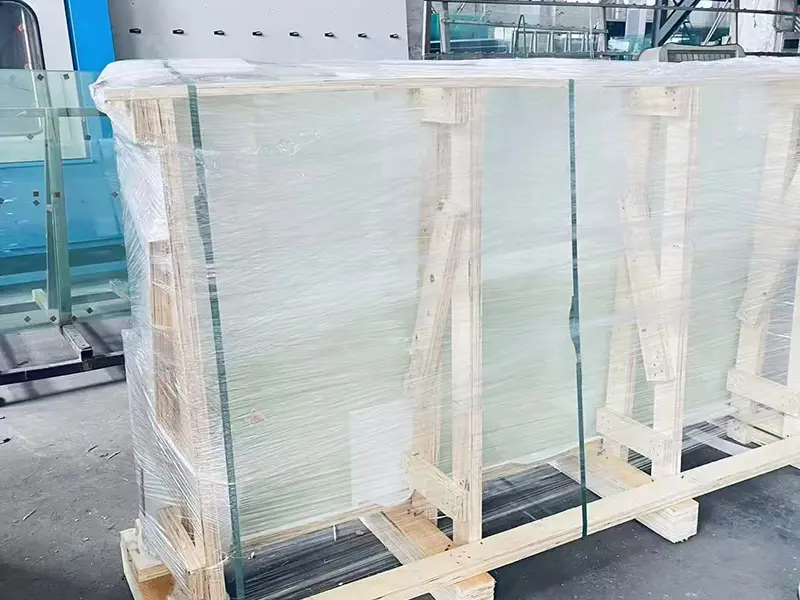
Modern fireproof safety glass is engineered to withstand extreme temperatures, prevent the passage of flames and smoke, and maintain structural integrity for specified durations—typically 30 to 120 minutes, depending on certification standards. This performance is achieved through advanced manufacturing processes, such as laminating multiple layers of glass with fire-resistant interlayers or incorporating intumescent materials that expand when exposed to heat, creating an insulating barrier.
Composite Fireproof Glass: The Next Generation of Fire Protection
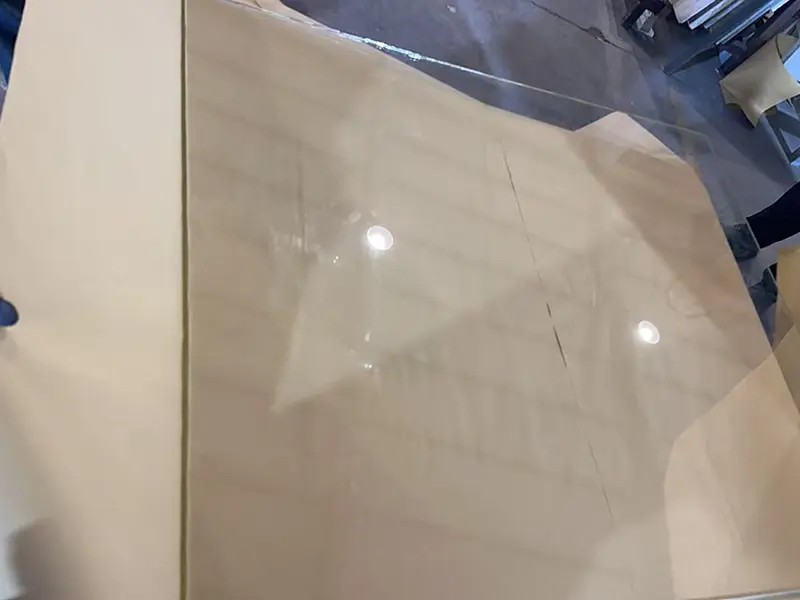
One of the most significant advancements in fire-resistant glazing is composite fireproof glass, a multi-layered system that combines transparency with robust fire resistance. Unlike traditional single-pane solutions, composite fireproof glass consists of two or more glass panes bonded with fire-retardant interlayers, often made from silicone-based gels or sodium silicate. These interlayers not only enhance thermal insulation but also prevent the glass from shattering under heat stress, maintaining a protective barrier even after prolonged exposure to flames.
The benefits of composite fireproof glass extend beyond fire safety. Its multi-layered structure provides acoustic insulation, reducing noise transmission between spaces—a valuable feature in commercial and residential buildings. Additionally, the interlayers can be tinted or coated to control solar heat gain and glare, improving energy efficiency and occupant comfort. This versatility makes composite fireproof glass an ideal choice for applications where aesthetics, performance, and safety must coexist, such as in high-rise offices, hospitals, and luxury residences.
Fire-Rated Glass Doors: Merging Safety with Seamless Design
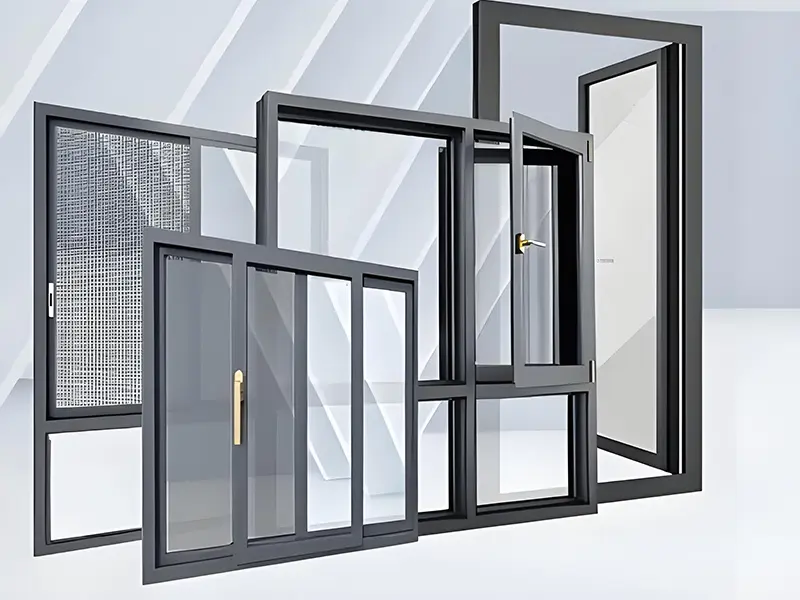
Fire-rated glass doors represent another area where fire-resistant glazing has revolutionized passive fire protection. These doors, which incorporate fireproof safety glass within their frames, are designed to compartmentalize fire and smoke, allowing safe evacuation routes and protecting critical infrastructure. Unlike traditional solid fire doors, which can disrupt visual continuity and natural light flow, fire-rated glass doors offer a transparent alternative that enhances spatial openness without compromising safety.
Modern fire-rated glass doors are available in a variety of frame materials, including aluminum, steel, and timber, each offering distinct advantages. Aluminum frames, for example, are lightweight and corrosion-resistant, making them suitable for exterior applications, while steel frames provide superior strength for high-traffic areas. Timber frames, on the other hand, add warmth and texture to interior spaces, aligning with biophilic design trends that prioritize connection to nature.
Critically, fire-rated glass doors must meet the same certification standards as their glazing components, ensuring they perform as a unified system under fire conditions. This holistic approach to design and engineering ensures that fire-rated glass doors not only meet regulatory requirements but also contribute to the overall aesthetic and functional goals of a project.
Design Flexibility: How Fire-Resistant Glazing Enhances Architectural Creativity
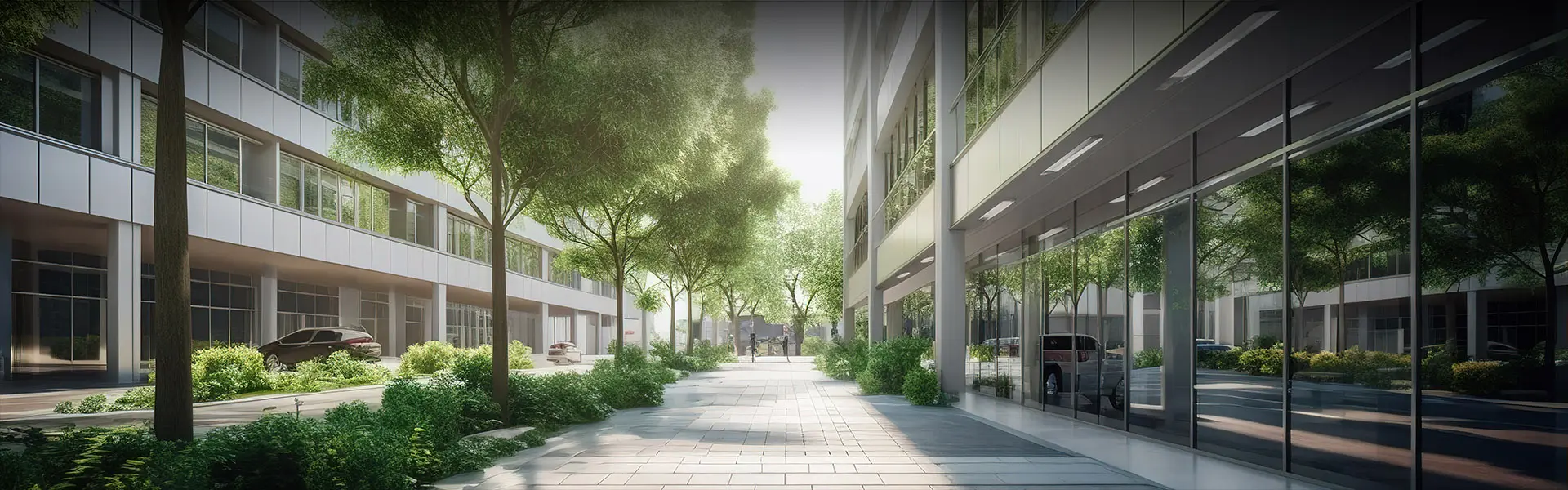
One of the most compelling advantages of fire-resistant glazing is its ability to support innovative architectural designs without sacrificing safety. Architects and designers are no longer constrained by the limitations of traditional fireproofing methods, such as thick concrete walls or opaque partitions. Instead, they can leverage fireproof safety glass to create open, light-filled spaces that promote collaboration, well-being, and visual appeal.
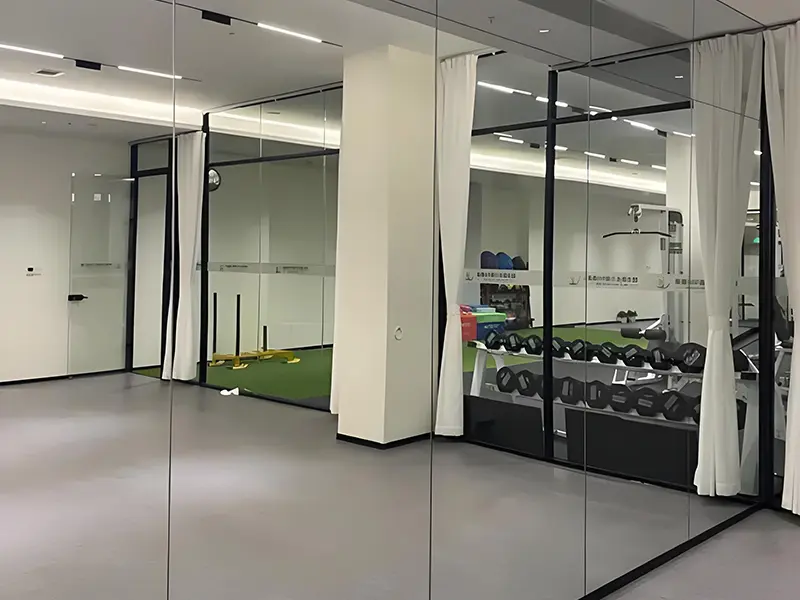
For instance, in commercial buildings, fire-resistant glazing can be used to partition offices, meeting rooms, or corridors while maintaining a sense of transparency and connectivity. This approach not only improves workflow efficiency but also reduces the need for artificial lighting, lowering energy consumption and operating costs. In residential projects, fire-resistant glazing can be incorporated into stairwells, atriums, or kitchen-living areas, enhancing safety without disrupting the flow of natural light or views.
Moreover, fire-resistant glazing can be customized to meet specific design requirements. Tinted or frosted finishes can provide privacy in sensitive areas, while curved or shaped glass panels can add dynamic visual interest to facades or interior features. The ability to combine fire resistance with such design flexibility makes fireproof safety glass an invaluable tool for architects seeking to push the boundaries of modern construction.
Regulatory Compliance and Certification: Ensuring Performance and Peace of Mind
While the design possibilities of fire-resistant glazing are vast, ensuring compliance with local building codes and fire safety regulations is non-negotiable. Fireproof safety glass and fire-rated glass doors must undergo rigorous testing and certification processes to verify their performance under fire conditions. These tests typically evaluate factors such as flame spread, smoke penetration, heat transmission, and structural integrity, with results classified according to international standards like BS EN 13501 (Europe) or NFPA 80 (United States).
When selecting fire-resistant glazing products, it is essential to verify their certification ratings and ensure they align with the specific requirements of a project. For example, a 60-minute fire-rated glass door may be sufficient for a low-rise office building, while a high-rise hospital might require 120-minute protection for critical areas like stairwells or emergency exits. Working with reputable manufacturers and suppliers who provide detailed product documentation and technical support can help streamline this process and avoid costly compliance issues.
Sustainability and Long-Term Value: The Environmental Benefits of Fire-Resistant Glazing
In an era of increasing environmental awareness, sustainability has become a key consideration in building design and construction. Fire-resistant glazing contributes to this goal in several ways. First, its ability to reduce reliance on artificial lighting by maximizing natural light penetration can significantly lower energy consumption and associated carbon emissions. Second, many modern fireproof safety glass products incorporate recycled materials or are themselves recyclable at the end of their lifecycle, minimizing waste and resource depletion.
Additionally, the durability and longevity of fire-resistant glazing reduce the need for frequent replacements or repairs, further lowering its environmental impact. When properly installed and maintained, fireproof safety glass can provide decades of reliable performance, making it a cost-effective investment over the lifespan of a building.
Conclusion: The Future of Fire-Resistant Glazing in Architecture
Fire-resistant glazing has come a long way from its humble beginnings as a functional but unattractive safety feature. Today, it stands as a testament to the power of innovation in merging safety with design flexibility, enabling architects and builders to create spaces that are both beautiful and resilient. Whether through composite fireproof glass, fire-rated glass doors, or other advanced solutions, the future of passive fire protection is transparent, sustainable, and full of possibility.
As building codes evolve and sustainability becomes an even greater priority, the demand for high-performance fire-resistant glazing will continue to grow. By embracing these technologies, the construction industry can not only enhance fire safety but also elevate the standards of architectural excellence, proving that safety and design are not mutually exclusive—they are, in fact, inseparable.