


Is Curved Tempered Glass Revolutionizing China's Architectural and Design Landscape?
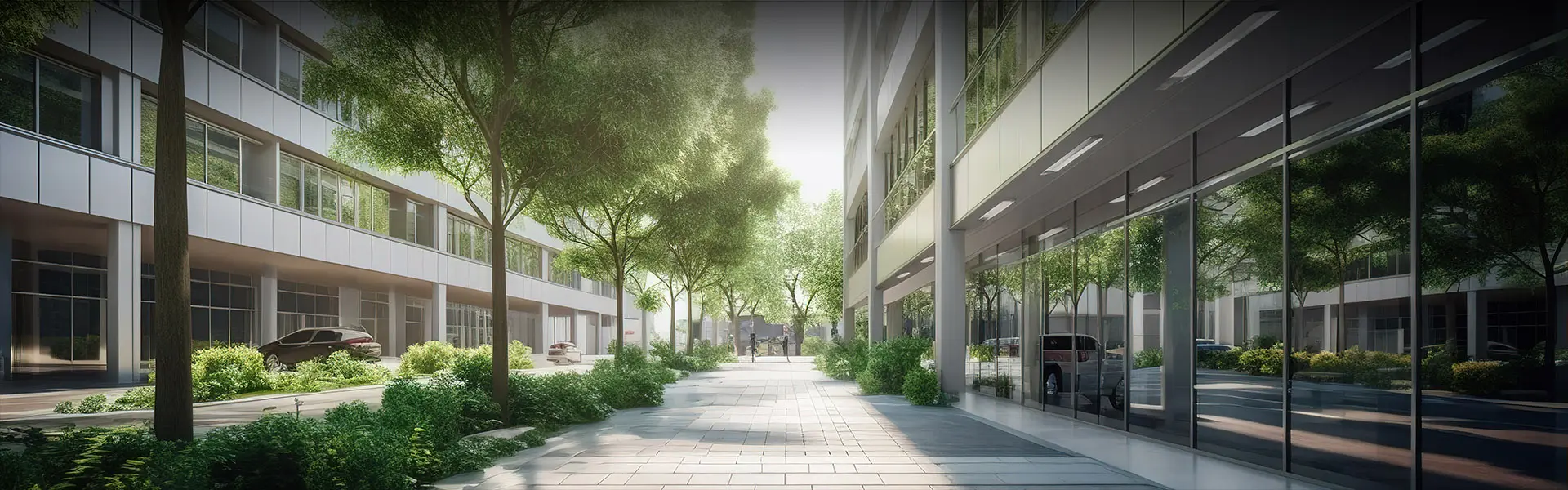
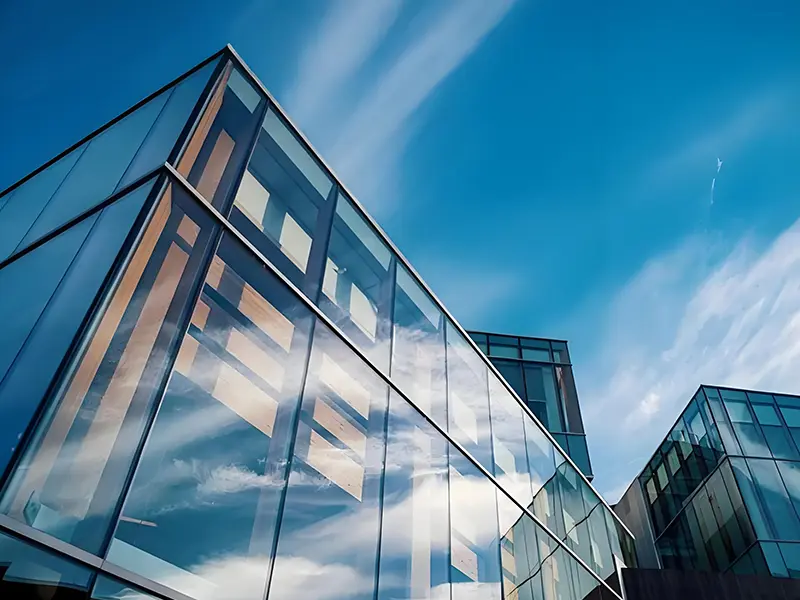
The past ten years have seen some pretty big changes in China’s glass industry—all thanks to new tech breakthroughs and the fact that everyone’s looking for more creative ways to design buildings these days. Among all these fresh glass products out there, curved tempered glass has really popped up as a total game-changer. It's totally transforming what's possible in modern architecture and design.
As China maintains its leading position in global glass production and innovation, curved tempered glass is becoming increasingly popular. It’s what makes this stuff stand out—this one-of-a-kind mix of being tough, safe, and totally flexible when it comes to how it looks. These are precisely the reasons why so many projects choose it without hesitation.
This piece really gets into the curved tempered glass scene in China — like, how it's actually made, where you see it popping up, and where things are headed in the future. Oh, and it doesn't stop there—it also chats about related things like curved insulated glass, laminated curved glass, and even those super stylish curved glass railing systems. Basically, it spills all the tea on what's going down in this really hip industry right now.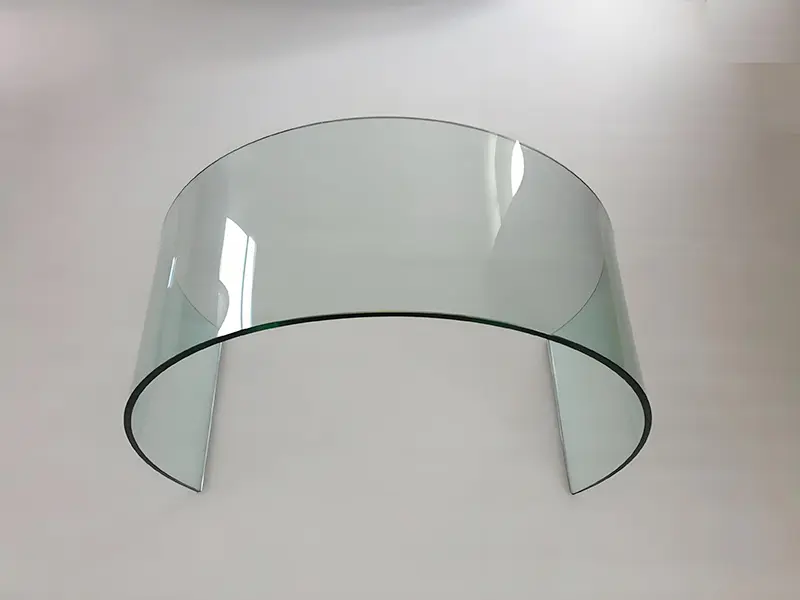
What Is Curved Tempered Glass and How Is It Produced?
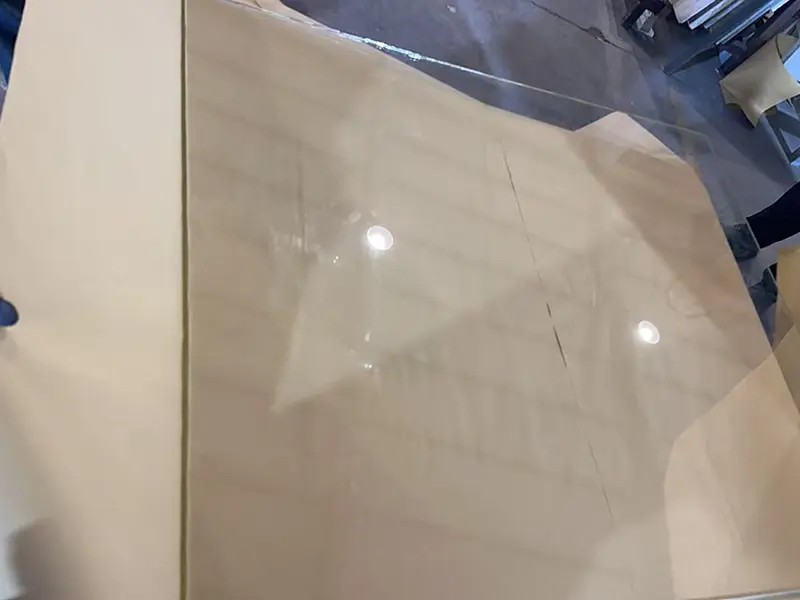
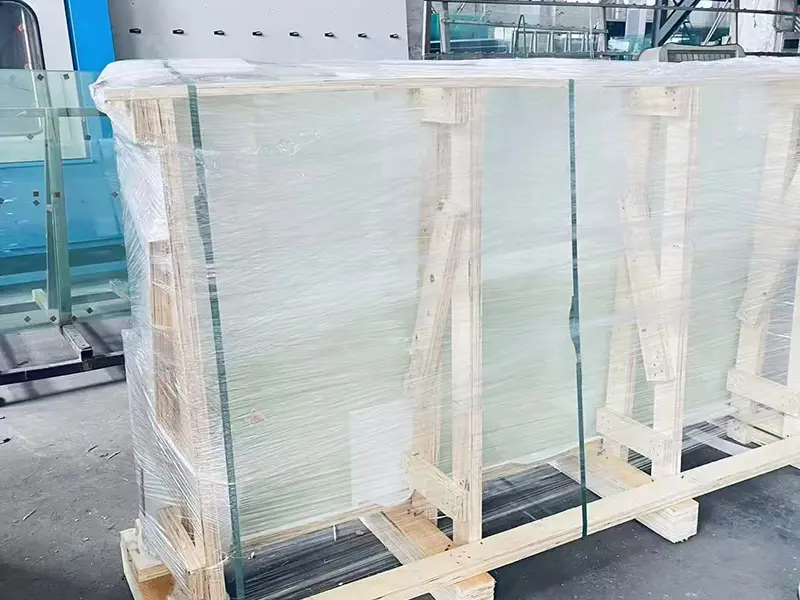
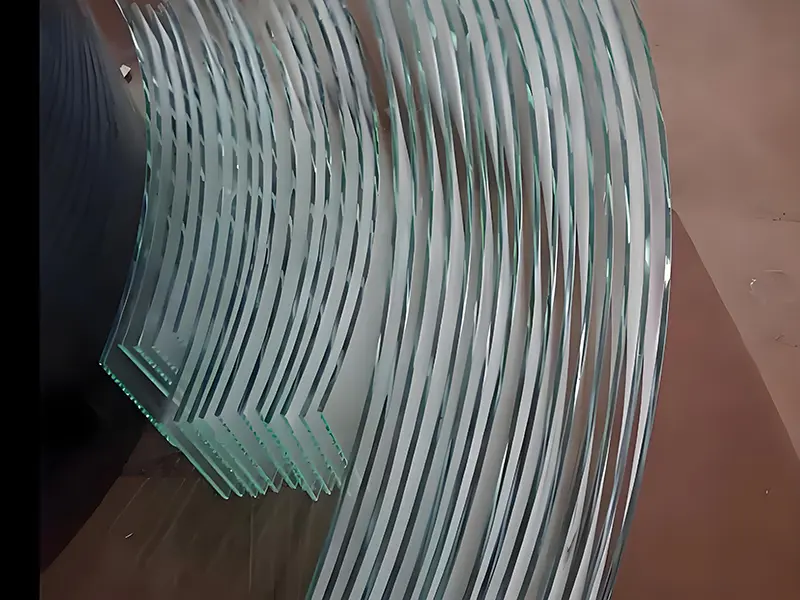
Curved tempered glass is a specialized type of safety glass that undergoes a rigorous manufacturing process to achieve both its curvature and enhanced strength. The production involves heating standard glass to approximately 700 degrees Celsius, followed by a rapid cooling process known as quenching. This thermal treatment induces compressive stresses on the surface, making the glass up to five times stronger than untreated glass. The curvature is achieved by molding the glass during the heating phase, using precision-designed molds to ensure consistent and accurate bends.
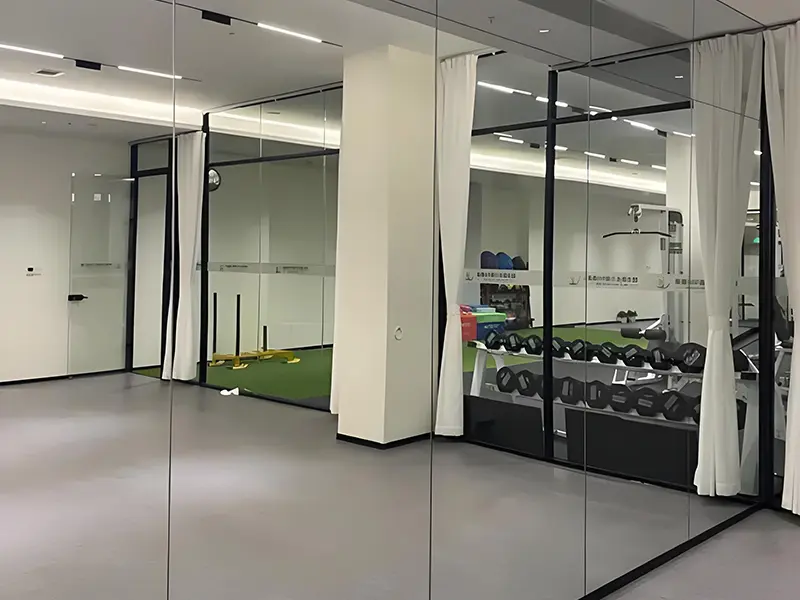
In China, the production of curved tempered glass has seen remarkable improvements due to investments in automation and quality control. Advanced tempering furnaces with computerized systems allow for precise control over temperature and cooling rates, ensuring high uniformity and reducing defects. The popularity of curved tempered glass in architectural projects stems from its ability to combine elegance with structural integrity, making it ideal for applications like facades, skylights, and interior partitions.
Why Is Curved Tempered Glass Gaining Popularity in China?
The rapid urbanization and architectural boom in China have fueled the demand for materials that offer both functionality and visual appeal. Curved tempered glass meets these needs by providing unparalleled design freedom without compromising on safety. Its resistance to impact and thermal stress makes it suitable for harsh environmental conditions, which is particularly important in China’s diverse climate zones.
Moreover, the growing emphasis on green building practices has led to the integration of curved tempered glass with energy-efficient solutions. For instance, curved insulated glass units, which consist of multiple glass panes separated by spacers and sealed to create an insulating air layer, are increasingly being used in curved designs. These units enhance thermal performance, reducing energy consumption in buildings—a key priority under China’s carbon neutrality goals.
The automotive industry is another major driver, with curved tempered glass being used for windshields, sunroofs, and windows. The material’s ability to conform to aerodynamic shapes while ensuring passenger safety has made it a preferred choice for electric vehicle manufacturers in China.
How Do Curved Insulated Glass and Curved Laminated Glass Enhance Functionality?
While curved tempered glass offers strength and safety, its functionality can be further enhanced through combinations with other glass types. Curved insulated glass, for example, is designed to improve energy efficiency by reducing heat transfer. This is achieved by using two or more layers of curved tempered glass separated by a gas-filled space, often argon or krypton, which minimizes thermal conduction. Such units are ideal for commercial buildings in China, where temperature regulation is critical to comfort and energy savings.
Curved laminated glass, on the other hand, focuses on safety and security. It consists of two or more layers of curved tempered glass bonded together with an interlayer, typically made of polyvinyl butyral (PVB). This construction prevents the glass from shattering upon impact, making it highly resistant to forced entry and suitable for applications like balconies, staircases, and hurricane-prone areas. In China, curved laminated glass is increasingly used in high-rise buildings and public infrastructures to meet stringent safety standards.
Both curved insulated glass and curved laminated glass represent the industry’s move toward multifunctional materials that address multiple needs simultaneously—be it safety, energy efficiency, or design flexibility.
What Role Does Curved Glass Guard Play in Safety and Design?
Curved glass guard systems, commonly used as railings or barriers, exemplify the fusion of safety and aesthetics. Made from curved tempered glass or curved laminated glass, these guards provide unobstructed views while ensuring structural stability. In China, where modern architectural designs often feature open spaces and panoramic vistas, curved glass guard systems have become a popular choice for residential balconies, commercial atriums, and public walkways.
The safety aspects of curved glass guard systems are paramount. They are engineered to withstand high loads and impacts, complying with international building codes. The use of curved laminated glass in these systems adds an extra layer of protection, as the interlayer holds the glass together even if broken, reducing the risk of injury.
What Are the Technological Advancements Driving China’s Curved Glass Industry?
China’s glass industry has embraced cutting-edge technologies to enhance the production and application of curved tempered glass. Automated bending and tempering lines have significantly improved precision and efficiency, reducing production times and costs. Additionally, the integration of digital tools like Building Information Modeling (BIM) allows architects and engineers to simulate and optimize curved glass installations before fabrication.
Research and development efforts are also focused on developing smarter glass solutions. For example, electrochromic curved tempered glass—which can change its tint in response to electrical stimuli—is being explored for dynamic facades. Such innovations align with China’s push for smart cities and sustainable urban development.
What Is the Future of Curved Tempered Glass in China?
The future of curved tempered glass in China looks promising, with expanding applications across sectors. The rise of prefabricated construction methods is expected to drive demand for customized curved glass components, while the automotive industry’s shift toward electric and autonomous vehicles will create new opportunities for lightweight, high-strength glass solutions.
Moreover, as sustainability becomes a core focus, the integration of curved tempered glass with photovoltaic technology—creating curved solar glass—could revolutionize energy generation in buildings. China’s commitment to innovation and quality will likely cement its position as a global leader in the curved glass market.
Conclusion
Curved tempered glass is more than just a material; it is a symbol of China’s architectural and industrial progress. Its unique properties, combined with advancements in related products like curved insulated glass, curved laminated glass, and curved glass guard systems, are reshaping the built environment. As the industry continues to evolve, curved tempered glass will undoubtedly play a pivotal role in defining the future of design and construction in China and beyond.