





Is Laminated Building Glass the Future of Modern Construction?
Introduction: The Rising Star in Building Materials
In a time when coming up with new architectural ideas and sticking to top - notch safety standards are super important, laminated building glass has really become a must - have in today's construction. With cities constantly changing their looks and being eco - friendly taking center stage, the need for high - tech building materials that are both practical and look great is shooting through the roof. Laminated building glass, often referred to as laminated safe glass or laminated clear glass, is at the forefront of this transformation. This article just goes all in on laminated building glass, like really digs into every little aspect of it! It covers all the small but important stuff, like where you can use this glass, the cool perks it brings, and what's all the rage in the industry at the moment.It gives architects, builders, and anyone with a stake in the game a full - on rundown.
What Is Laminated Building Glass? Unpacking the Technology
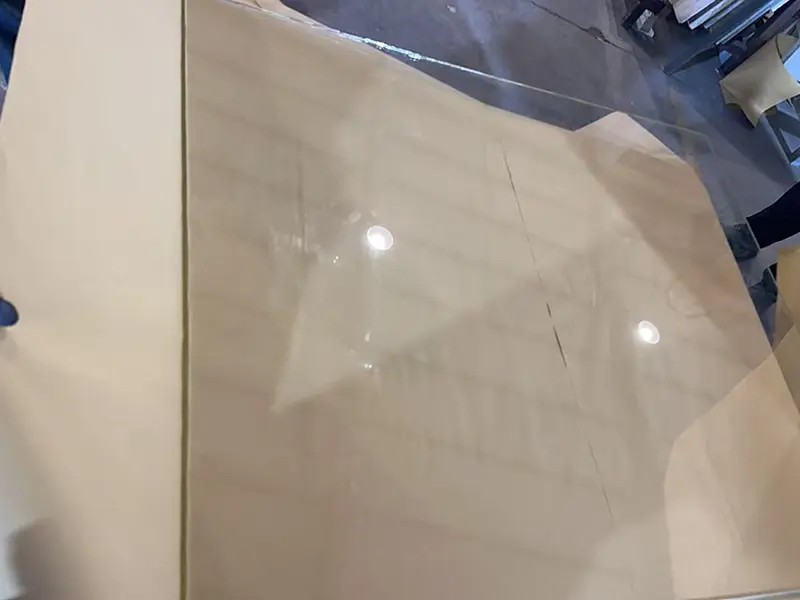
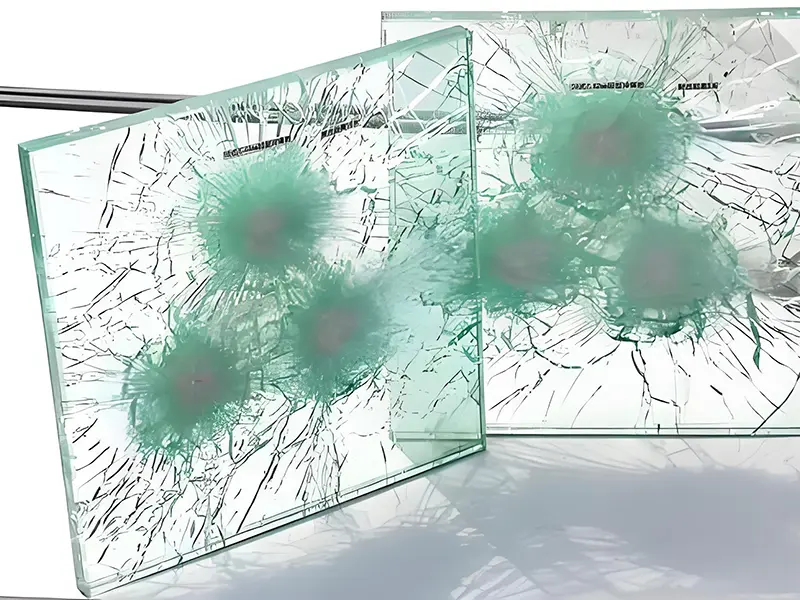
Laminated building glass is a composite material consisting of two or more layers of glass bonded together with an interlayer, typically made of polyvinyl butyral (PVB) or ethylene-vinyl acetate (EVA). This interlayer ensures that the glass remains intact even when shattered, preventing sharp fragments from causing injury. The result is a durable, resilient product known as laminated safe glass, which offers enhanced safety and security compared to traditional glass.
The manufacturing process involves heating and pressing the glass and interlayer under controlled conditions, creating a permanent bond. This technology allows for variations such as laminated clear glass, which maintains optical clarity while providing safety benefits. The versatility of laminated building glass makes it suitable for a wide range of applications, from windows and facades to skylights and balustrades.
Why Choose Laminated Safe Glass? Safety and Beyond
Safety is the most significant advantage of laminated safe glass. In the event of impact, the glass may crack, but the interlayer holds the fragments together, reducing the risk of injury. This property is particularly crucial in high-risk areas such as schools, hospitals, and high-rise buildings. Moreover, laminated building glass offers superior resistance to forced entry, acting as a deterrent against burglaries and vandalism.
Beyond safety, laminated safe glass provides acoustic insulation, reducing noise pollution in urban environments. It also blocks up to 99% of ultraviolet radiation, protecting interiors from fading and contributing to energy efficiency. These multifaceted benefits make laminated building glass an ideal choice for modern construction projects.
The Aesthetic Appeal of Laminated Clear Glass: Combining Beauty and Function
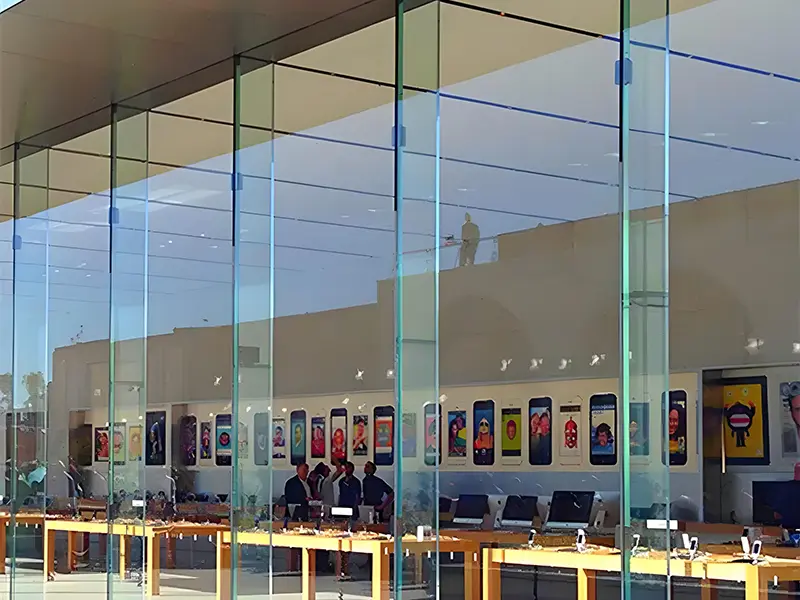
For projects where aesthetics are a priority, laminated clear glass offers an excellent solution. It provides unobstructed views and natural light transmission while maintaining safety standards. Architects and designers often use laminated clear glass in applications such as glass floors, staircases, and partitions, where clarity and transparency are desired.
Additionally, laminated clear glass can be customized with tints, patterns, or digital prints, allowing for creative expression without compromising safety. This flexibility makes it a popular choice for both residential and commercial buildings, where design and functionality must coexist seamlessly.
Innovations in Laminated Building Glass: Latest Industry Trends
The laminated building glass industry is continuously evolving, driven by technological advancements and changing market demands. One notable trend is the integration of smart technologies. For instance, electrochromic laminated glass can change its tint based on external conditions, improving energy efficiency and comfort. Similarly, laminated building glass with embedded sensors can monitor structural health or environmental factors.
Sustainability is another key focus. Manufacturers are developing eco-friendly interlayers and using recycled materials to reduce the carbon footprint of laminated safe glass. Additionally, the rise of circular economy principles has led to innovations in recycling and reusing laminated glass products, aligning with global sustainability goals.
Applications of Laminated Building Glass: From Skyscrapers to Homes
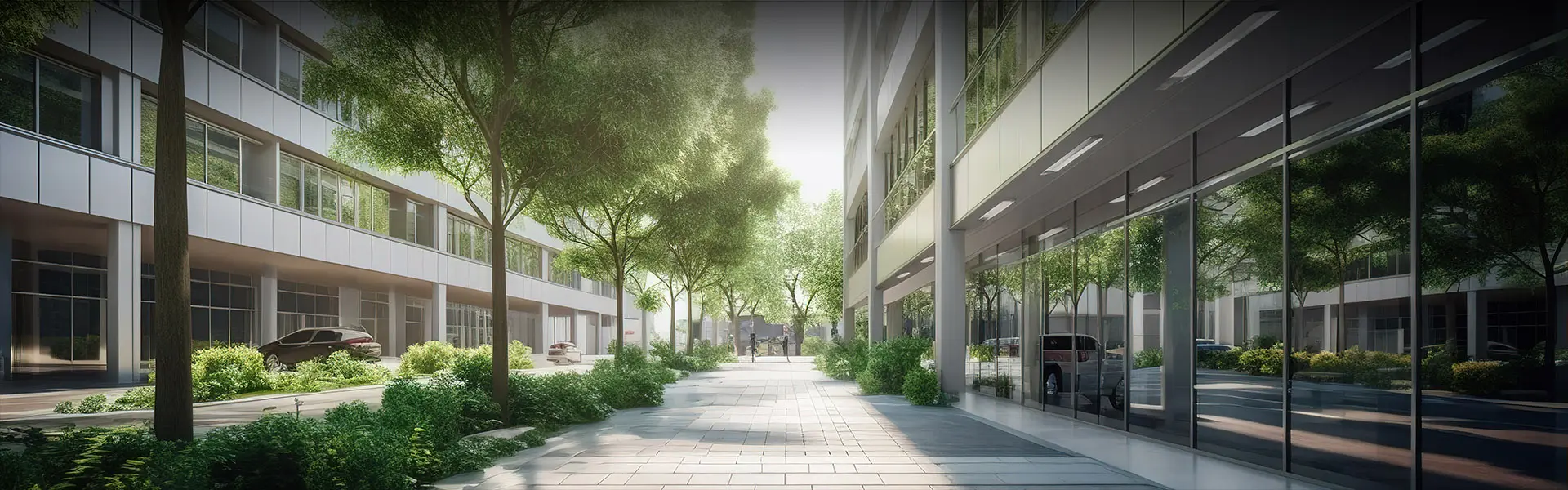
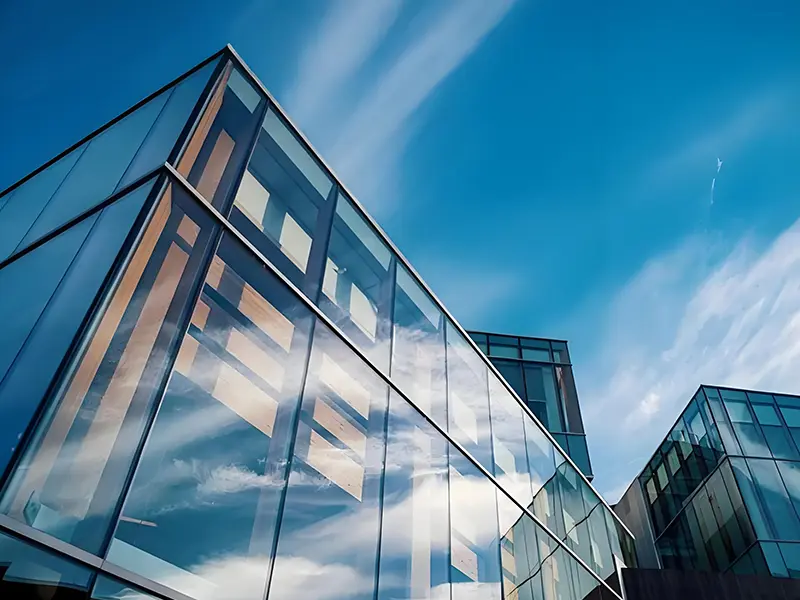
Laminated building glass is versatile enough for diverse applications. In high-rise buildings, it is used for curtain walls and windows to enhance safety and withstand extreme weather conditions. In residential settings, laminated safe glass is ideal for balconies, shower enclosures, and doors, providing peace of mind for homeowners.
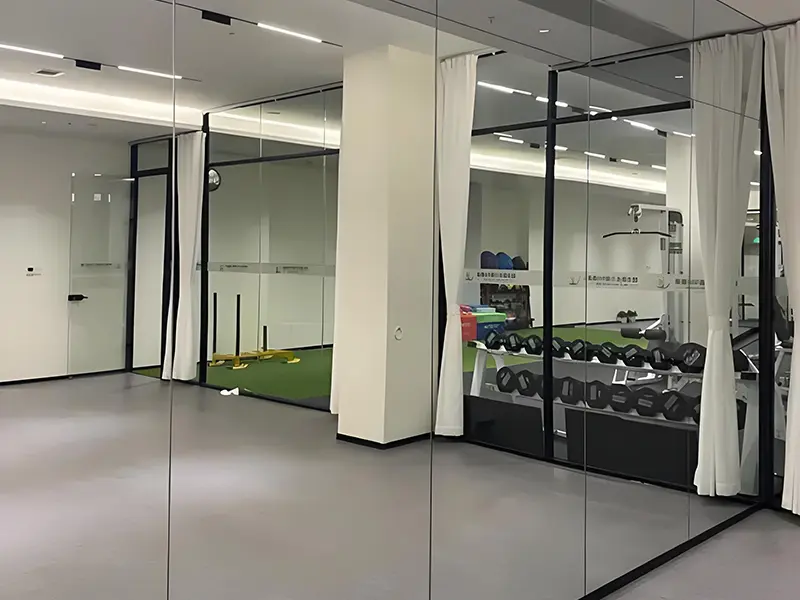
The automotive and transportation sectors also benefit from laminated glass, particularly in windshields and railway windows. Furthermore, laminated clear glass is increasingly used in interior design, such as glass partitions and furniture, adding a touch of elegance while ensuring safety.
Challenges and Considerations in Using Laminated Building Glass
Despite its many advantages, laminated building glass presents certain challenges. The cost is higher than that of traditional glass, which may deter some projects. However, the long-term benefits, such as reduced maintenance and enhanced durability, often justify the initial investment.
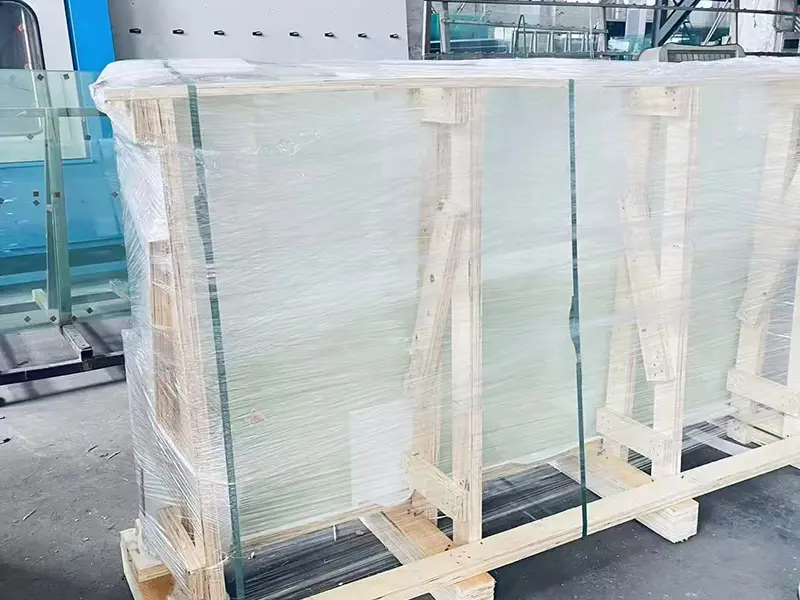
Installation requires expertise, as improper handling can compromise the integrity of the laminated safe glass. Additionally, while laminated clear glass offers excellent clarity, the interlayer may slightly alter the optical properties, which must be considered in precision applications.
The Future of Laminated Building Glass: What to Expect
The future of laminated building glass looks promising, with ongoing research focused on improving its performance and sustainability. Advances in nanotechnology may lead to interlayers with self-healing properties or enhanced strength. Moreover, the integration of Internet of Things (IoT) capabilities could transform laminated safe glass into interactive surfaces, capable of displaying information or generating solar energy.
As building codes become stricter and safety standards elevate, the adoption of laminated building glass is expected to grow. Its role in sustainable construction will also expand, driven by the need for energy-efficient and environmentally friendly materials.
Conclusion: Embracing Laminated Building Glass for a Safer, Smarter Future
Laminated building glass is more than just a safety feature; it is a transformative material that combines protection, aesthetics, and innovation. Whether through laminated safe glass for enhanced security or laminated clear glass for flawless designs, this material is reshaping the construction industry. As technology advances and sustainability becomes increasingly critical, laminated building glass will undoubtedly play a pivotal role in the buildings of tomorrow.
For architects, builders, and homeowners, understanding the benefits and applications of laminated building glass is essential. By embracing this material, we can create structures that are not only safe and efficient but also beautiful and future-ready.