



Is Reinforced Glass the Key to Safer and Smarter Modern Buildings?
In a time where we're seeing super creative architectural designs popping up everywhere, but safety rules are also getting way tougher, the global glass industry is totally changing gears and going all-in on high-performance materials.As a leading manufacturer in the construction glass sector, Jiangsu Guoxin Glass Co., Ltd. is at the forefront of this transformation, leveraging advanced engineering to produce reinforced glass that combines resilience, functionality, and sustainability. Now, let's just chat about reinforced glass—how it's changed over the years, where we're seeing it used today, and what cool stuff we might expect from it down the road? We're gonna pay extra attention to how crucial it is in the construction world—like tempered glass, shatterproof glass, and those tough-as-nails impact-resistant types. If you're an architect, builder, or developer, getting the lowdown on these materials is a must if you want to whip up buildings that are not just easy on the eyes but also rock-solid safe and built to last.
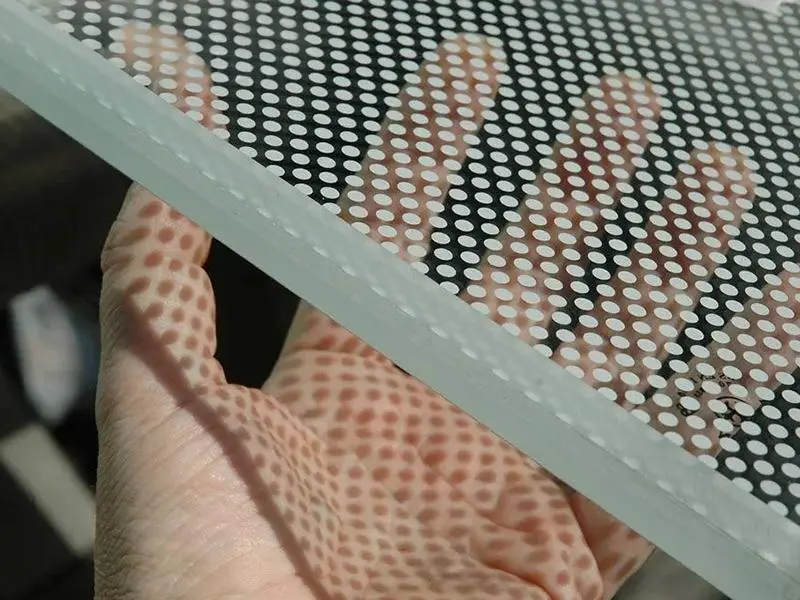
What Is Reinforced Glass and How Is It Engineered?
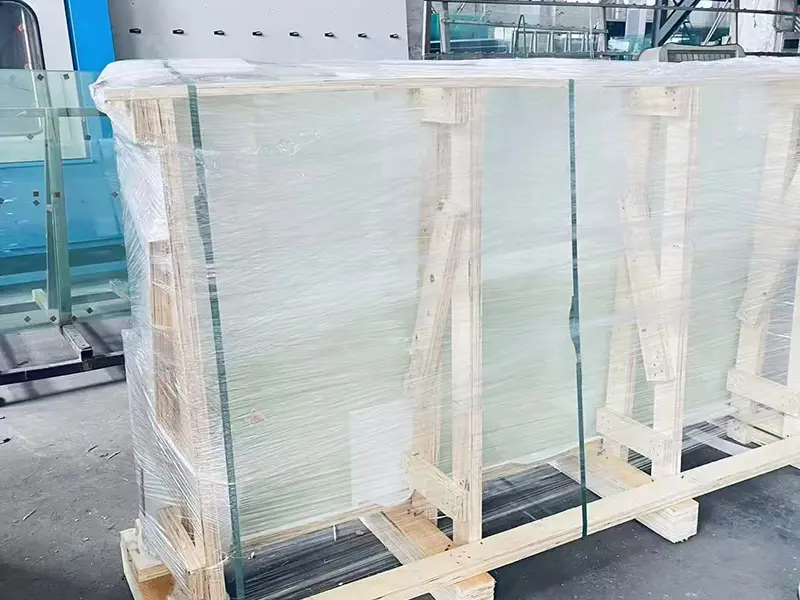
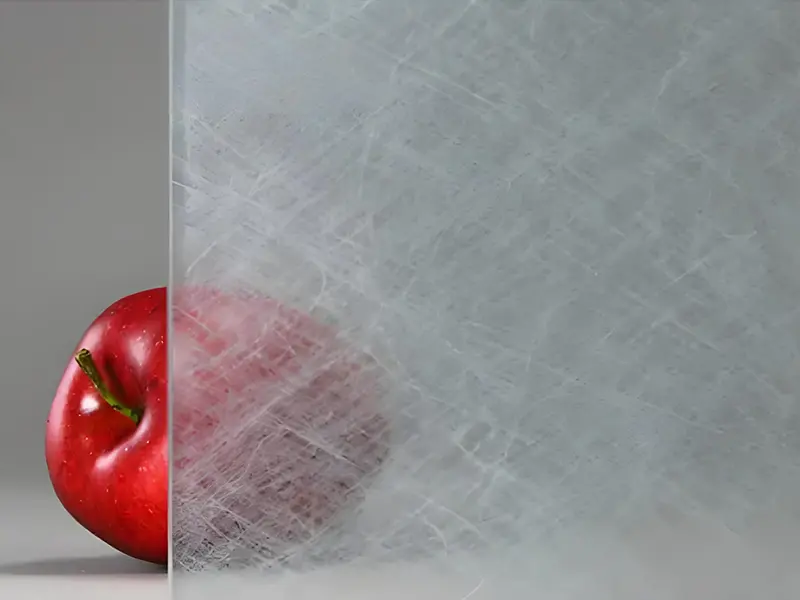
Reinforced glass is a category of safety glass designed to offer superior strength and breakage resistance compared to conventional glass. Through specialized manufacturing processes, it achieves enhanced mechanical and thermal properties, making it suitable for demanding applications. Key types include tempered glass, laminated (shatterproof) glass, and impact-resistant glass, each serving distinct roles based on their structural behavior.
Tempered glass is manufactured through a thermal process that involves heating float glass to approximately 700°C followed by rapid cooling. This induces surface compression and core tension, resulting in a material that is 4-5 times stronger than annealed glass. When broken, it fractures into small, blunt pieces, minimizing injury risks—a crucial feature for building components like doors, windows, and partitions.
Shatterproof glass, commonly achieved through lamination, consists of multiple glass layers bonded with a durable interlayer (typically PVB or EVA). This design ensures that even when shattered, glass fragments remain adhered to the interlayer, preventing dispersal and maintaining barrier integrity. This makes it ideal for skylights, balustrades, and automotive windshields.
Impact-resistant glass takes performance further by incorporating thicker glass panes and advanced polymer interlayers. It is rigorously tested to resist high-force impacts from weather events, physical attacks, or accidents. Such glass is often used in storm-prone regions and high-security facilities.
At Jiangsu Guoxin Glass Co., Ltd., we employ state-of-the-art production lines and quality control systems to ensure that every sheet of reinforced glass meets international standards such as ANSI Z97.1, EN 12150, and ASTM E1300.
Applications in Construction: Beyond Transparency
The architectural and construction industries are the largest consumers of reinforced glass, driven by evolving safety codes, sustainability goals, and aesthetic aspirations.
Building Facades and Curtain Walls
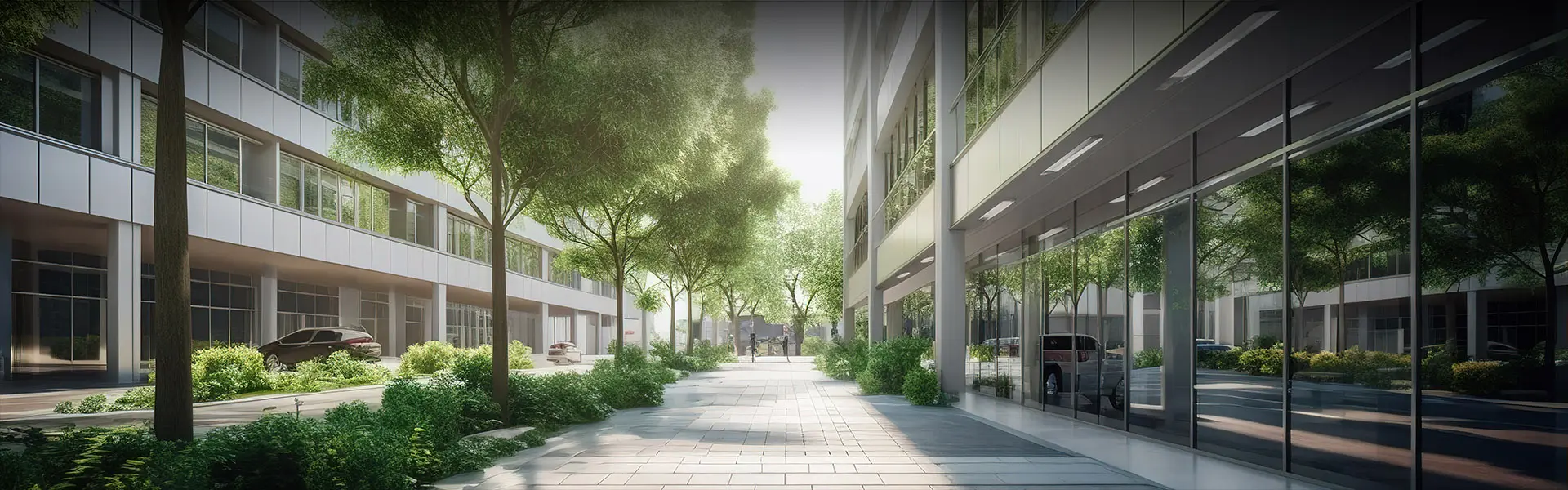
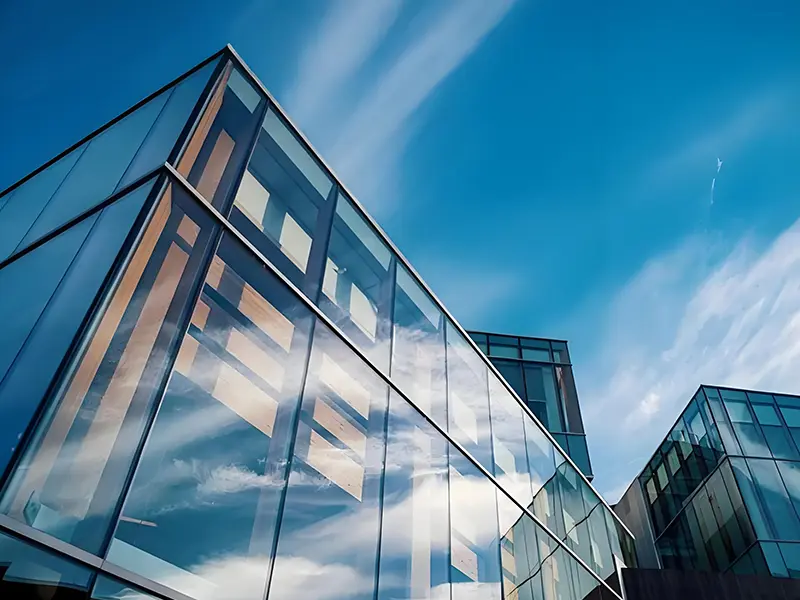
Modern high-rises and commercial buildings increasingly utilize tempered and laminated glass for exteriors. These materials withstand wind loads, thermal stress, and environmental corrosion while providing clear views and natural light. Impact-resistant variants offer added protection in extreme climates.
Interior Safety and Design
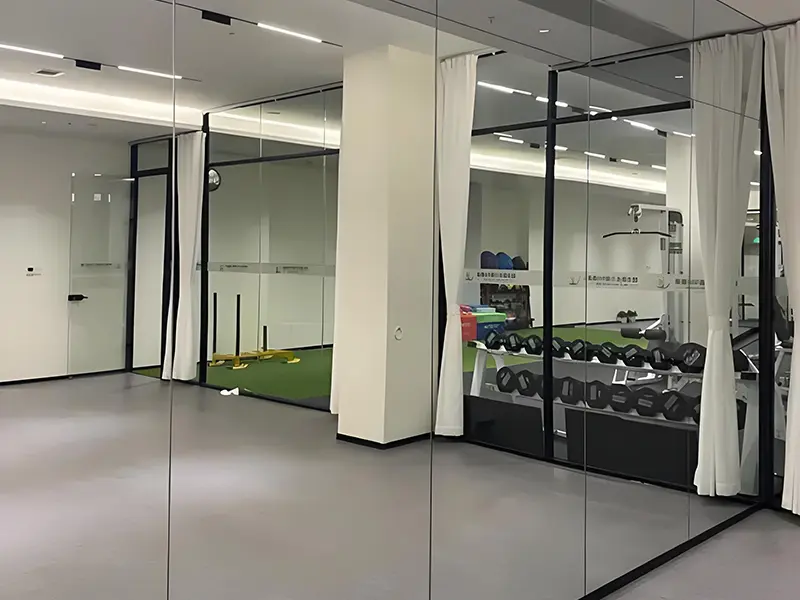
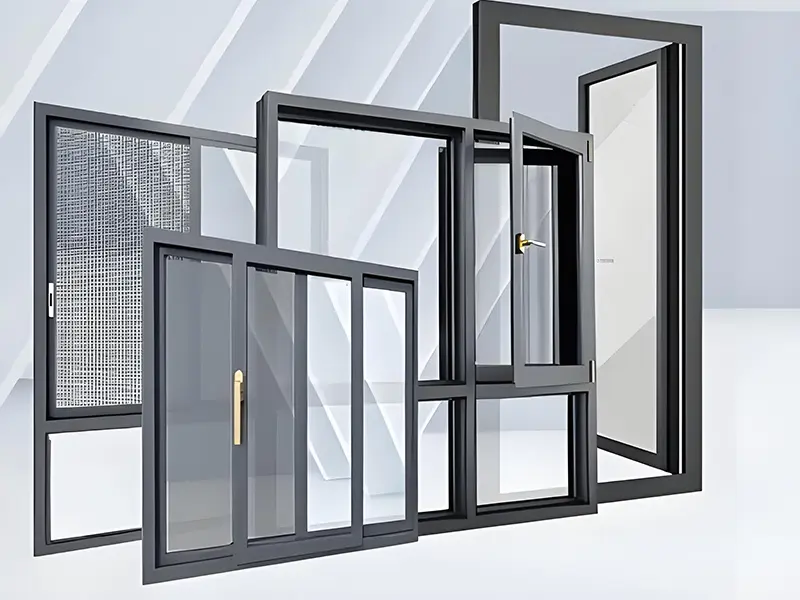
In interiors, reinforced glass is used in stair treads, railings, glass floors, and office partitions. Tempered glass ensures slip resistance and structural stability, while laminated glass enhances acoustic insulation and UV filtration.
Critical Infrastructure
Schools, hospitals, and public facilities prioritize shatterproof and impact-resistant glass to enhance occupant safety. In seismic zones, the flexibility of laminated glass reduces collapse risks during earthquakes.
Sustainable Construction
Reinforced glass supports green building initiatives. Insulated glass units (IGUs) incorporating tempered or laminated glass improve thermal efficiency, reduce energy consumption, and comply with LEED and BREEAM certifications.
Jiangsu Guoxin Glass Co., Ltd. provides customized solutions for all these applications, offering glass in various tints, thicknesses, and performance grades.
Technological Advances: How Reinforced Glass Is Evolving
Innovation in glass manufacturing is continuous. Recent advances include:
Chemical Strengthening: Used for thinner glass profiles, this ion-exchange process enhances surface compression without distorting optical quality.
Smart Interlayers: New PVB formulations with embedded sensors or energy-generating capabilities are being developed.
Hybrid Laminates: Combining tempered glass with laminated layers creates products that offer both strength and fragment retention.
Our R&D team at Jiangsu Guoxin Glass Co., Ltd. is actively exploring nano-coatings for self-cleaning and photocatalytic properties, as well as improved recycling processes for laminated glass.
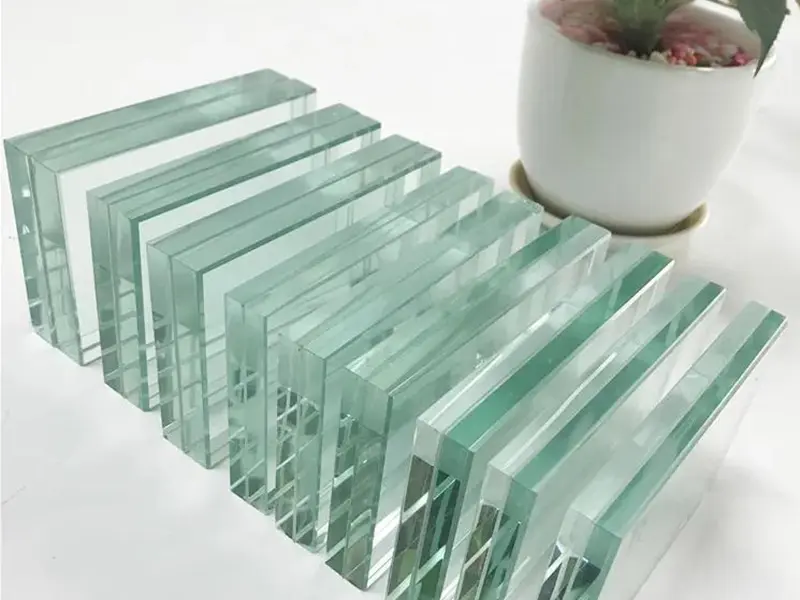
The Role of Reinforced Glass in Safety and Sustainability
Safety regulations worldwide now mandate the use of reinforced glass in critical building zones. Tempered glass is required in doors and low-level windows, while laminated glass is essential for overhead glazing and hurricane-prone areas.
Environmentally, reinforced glass supports sustainability through durability—reducing replacement frequency—and energy efficiency. Low-E coatings and gas-filled IGUs help decrease carbon footprints. Moreover, our production processes prioritize energy recovery and reduced emissions.
Challenges and Future Outlook
Despite its benefits, reinforced glass faces challenges such as higher production costs and complex recycling due to interlayers. However, the future is bright. Demand is rising for fire-resistant, bulletproof, and dynamic glazing solutions. Jiangsu Guoxin Glass Co., Ltd. is investing in automation and material science to develop next-generation products that are lighter, stronger, and multifunctional.
Conclusion
Reinforced glass is redefining modern construction by merging safety, efficiency, and elegance. As technologies advance and standards tighten, its role will only expand. For industry professionals, partnering with experienced manufacturers like Jiangsu Guoxin Glass Co., Ltd. ensures access to cutting-edge solutions that meet both project and regulatory needs.