




Strength and Safety: How Tempered Glass is Redefining Architectural Design
Tempered glass, also known as strengthened glass, has become an essential material across various sectors due to its remarkable strength and safety features. This specialized glass is produced through a meticulous process involving extreme heat and rapid cooling, which significantly enhances its durability compared to ordinary glass. As a result, tempered glass finds applications in a wide range of fields.
Manufacturing Process of Tempered Glass
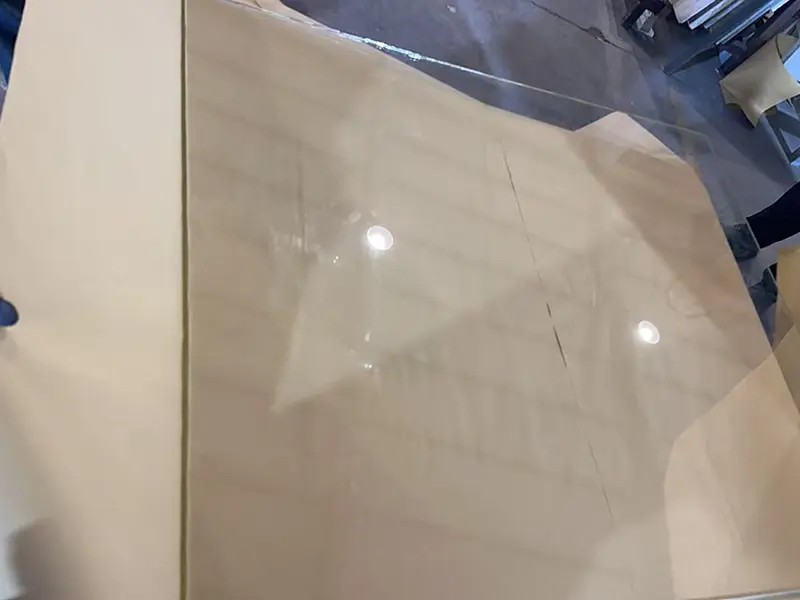
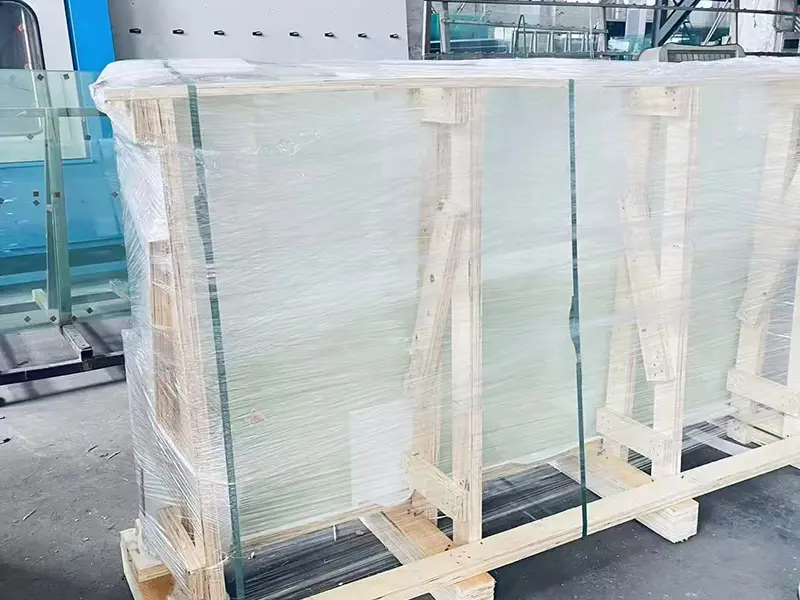
The production of tempered glass begins with high-quality float glass, which is cut to the desired dimensions. The glass is then subjected to heating at temperatures exceeding 600 degrees Celsius, followed by a rapid cooling process known as quenching. This thermal treatment not only increases the glass’s strength but also alters its fracture pattern; when broken, tempered glass shatters into small, blunt pieces rather than sharp shards, significantly reducing the risk of injury. This safety feature makes tempered glass a preferred choice in environments where safety is paramount.
Applications in Architecture and Construction
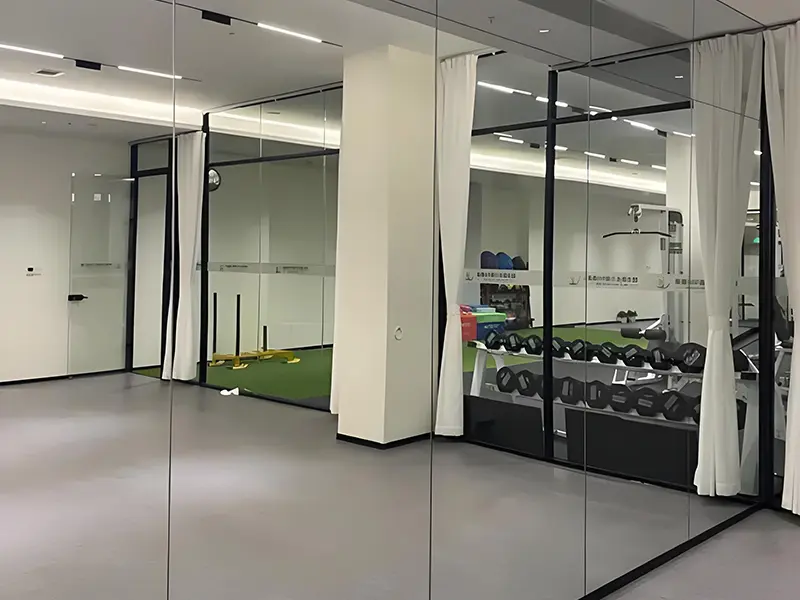
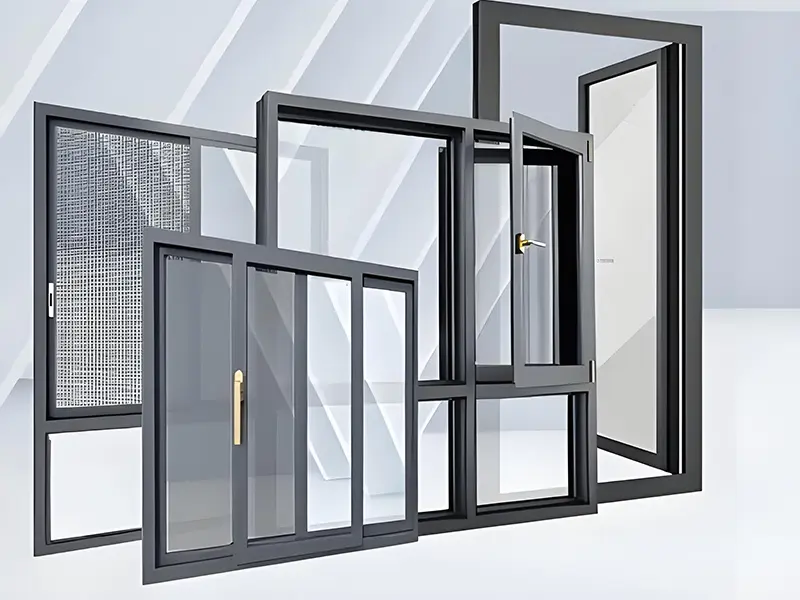
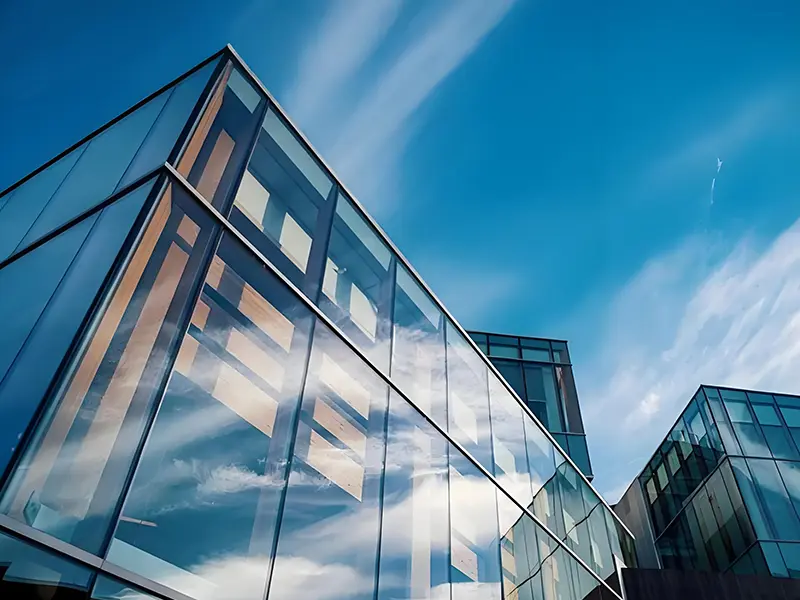
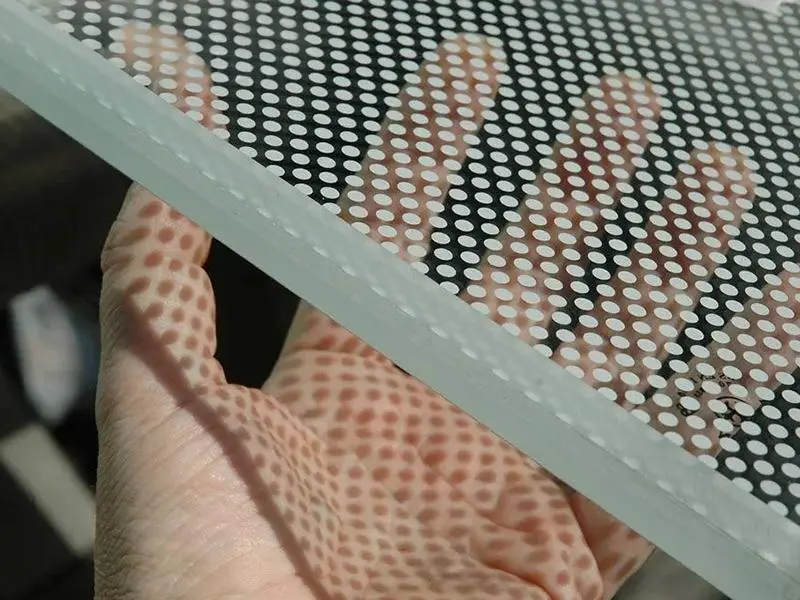
In the construction industry, tempered glass is particularly valued for its ability to withstand extreme weather conditions, including strong winds and thermal stress. Architects and builders often choose tempered glass for exterior walls, windows, and doors, as it combines aesthetic appeal with exceptional durability. Its versatility allows for innovative designs while ensuring structural integrity. Additionally, tempered glass can be treated with coatings to enhance energy efficiency, making it an attractive option for sustainable building practices. This dual functionality of beauty and resilience positions tempered glass as a cornerstone material in modern architecture.
Conclusion: The Future of Tempered Glass
As technology continues to evolve, the applications of tempered glass are expected to expand further. Innovations in manufacturing techniques and new uses in various industries will likely drive growth in the tempered glass market. With its unique combination of strength, safety, and visual appeal, tempered glass will remain a vital material in both architectural and consumer electronics sectors for years to come. The ongoing demand for this versatile material underscores its significance in contemporary manufacturing and design, paving the way for exciting developments in the future.