


What Are the Benefits of Using Curved Tempered Glass in Modern Architecture?
Introduction: The Rise of Curved Tempered Glass
These days, architects are all about materials that look good and work hard. That’s why curved tempered glass is having a moment. It’s a big step up from regular flat glass—way stronger and safer, thanks to a heating and quick-cooling process. And as more people catch on to its benefits, the curved glass market is set to grow even bigger. It’s clearly becoming a go-to in modern building design.
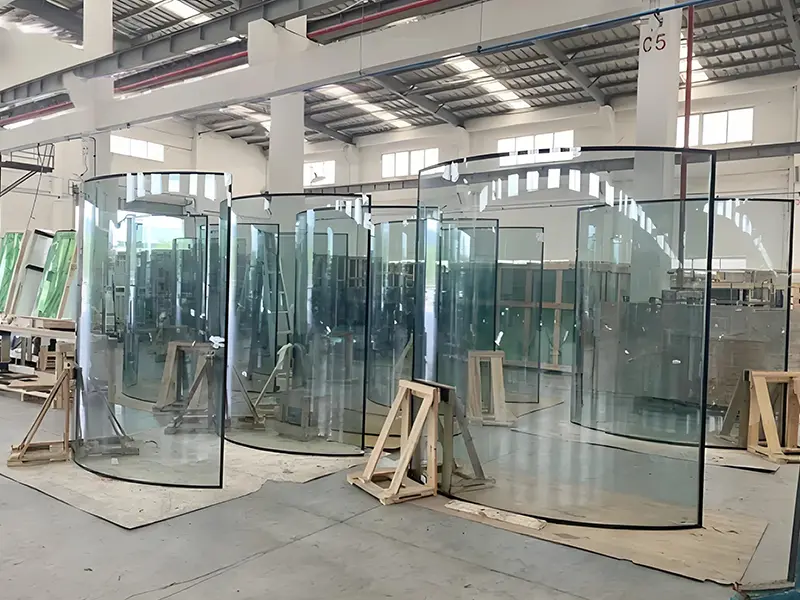
The fundamental appeal of curved tempered glass lies in its ability to transform rigid geometric forms into fluid, organic shapes that redefine spatial experiences. This material has evolved from specialized applications to become a versatile solution for various architectural elements, from sweeping facades to intricate interior features. The development of specialized variants like curved insulated glass and curved laminated glass has further expanded its potential, allowing architects to meet specific performance requirements while maintaining elegant curved forms.
Enhanced Safety and Structural Performance
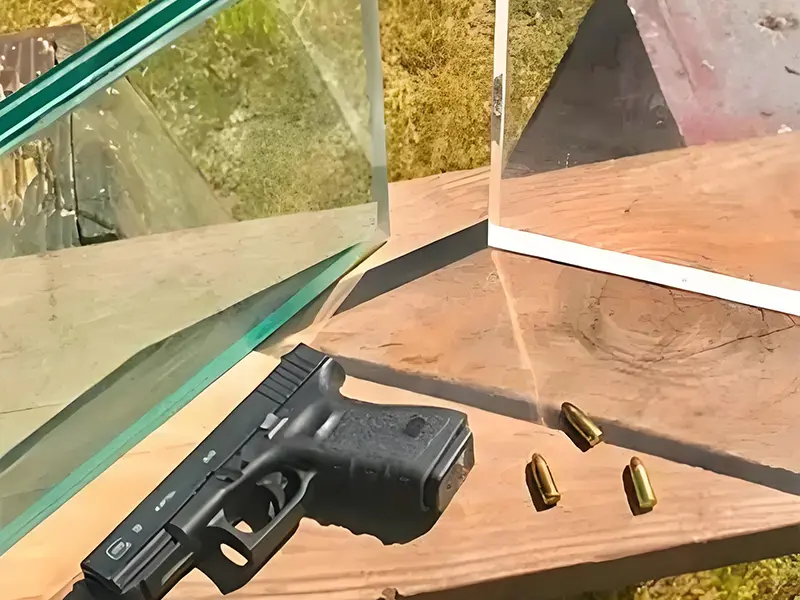
The safety advantages of curved tempered glass make it particularly valuable for architectural applications where human safety is paramount. Through carefully controlled thermal tempering processes, the glass gains its distinctive strength characteristics while maintaining its curved form. The tempering process creates a surface compression that gives tempered glass significantly improved mechanical properties compared to ordinary annealed glass.
Superior Strength Characteristics: Tempered glass exhibits impact resistance 3-5 times higher than regular annealed glass and bending strength 2-3 times greater, enabling it to withstand greater structural loads and environmental stresses. This enhanced durability makes it suitable for applications where safety and reliability are critical concerns.
Controlled Breakage Pattern: Unlike ordinary glass that fractures into sharp, dangerous shards, properly tempered curved glass breaks into small, relatively harmless granular particles. This failure characteristic is particularly important for overhead applications, security barriers, and high-traffic areas where breakage could pose serious injury risks.
Thermal Stability: The tempering process provides excellent thermal resistance, allowing curved tempered glass to withstand temperature differentials of approximately 200°C without damage. This property makes it suitable for facades experiencing direct sunlight and for interior applications with varying thermal conditions.
The combination of these safety characteristics has established curved tempered glass as the material of choice for many structurally demanding and safety-critical applications in modern buildings.
Design Versatility and Aesthetic Appeal
The architectural potential of curved tempered glass extends far beyond its technical performance, offering unprecedented design freedom for contemporary structures. The material's ability to create fluid, organic forms allows architects to move beyond traditional rectilinear geometries and explore more dynamic spatial compositions.
Spatial Transformation: The transparency and reflective qualities of curved glass surfaces can visually expand interior spaces, creating an enhanced sense of openness and connectivity. This optical effect is particularly valuable in constrained urban environments where maximizing perceived space is desirable.
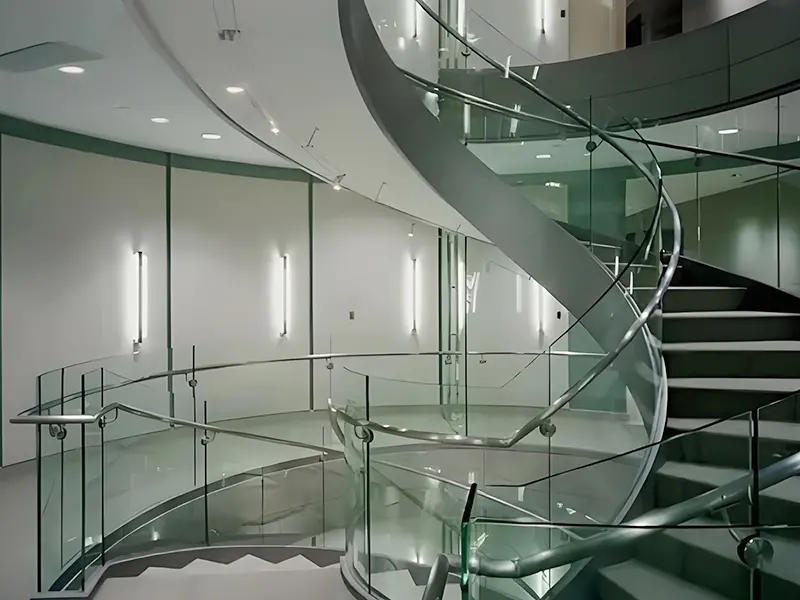
Flow and Movement: Curved forms naturally guide visual perception and physical movement through spaces. When implemented as curved glass guard systems for stairs, balconies, and mezzanines, these elements provide safety without interrupting visual flow, maintaining open sightlines while defining circulation paths.
Contextual Integration: The curvature of glass components can be calibrated to respond to specific site conditions, architectural contexts, and functional requirements. This adaptability allows for bespoke solutions that address unique design challenges while maintaining aesthetic coherence.
The versatility of curved tempered glass enables its application across various architectural contexts, from subtle curvatures in partition walls to dramatic sweeping facades that become defining elements of building design.
Technical Innovations and Specialized Variants
Recent advancements in glass technology have significantly expanded the performance capabilities of curved glass, leading to the development of specialized products tailored to specific architectural requirements. These innovations have transformed curved tempered glass from a primarily aesthetic choice to a high-performance building material.
Curved Insulated Glass
The development of curved insulated glass represents a significant technical achievement in glass manufacturing. These units incorporate advanced warm-edge spacer technologies like thermoplastic systems that combine ultra-low thermal conductivity with exceptional barrier performance against gas leakage and moisture penetration. The creation of curved insulating glass requires precise engineering to maintain consistent cavity dimensions throughout the curved profile, ensuring optimal thermal performance. For architectural applications, curved insulated glass provides improved energy efficiency while allowing the design freedom of curved forms, making it suitable for projects where both aesthetic impact and environmental performance are priorities.
Curved Laminated Glass
Curved laminated glass combines the safety benefits of lamination with the aesthetic possibilities of curved forms. Traditional laminated glass incorporates PVB (polyvinyl butyral) interlayers, while recent innovations have introduced alternative materials including GFRP (Glass Fiber Reinforced Polymer) interlayers that offer significantly enhanced mechanical properties. Research indicates that these advanced laminated configurations can provide more than twice the load capacity and more than four times the flexural stiffness compared to equivalent thickness PVB-based laminated glass. This substantial performance improvement makes curved laminated glass suitable for structurally demanding applications such as overhead glazing, safety barriers, and security-enhanced facades.
Functional Applications in Architectural Design
The unique properties of curved tempered glass have led to its adoption across diverse architectural applications, each leveraging the material's characteristics to address specific functional and aesthetic requirements.
Structural and Safety Elements
As a curved glass guard for stairs, balconies, and elevated spaces, tempered curved glass provides necessary protection while maintaining visual transparency. The curvature in these applications can enhance structural performance by creating more rigid forms while contributing to the overall aesthetic of the space. The use of curved rather than flat panels for guards often improves durability and resistance to lateral forces.
Building Envelope Systems
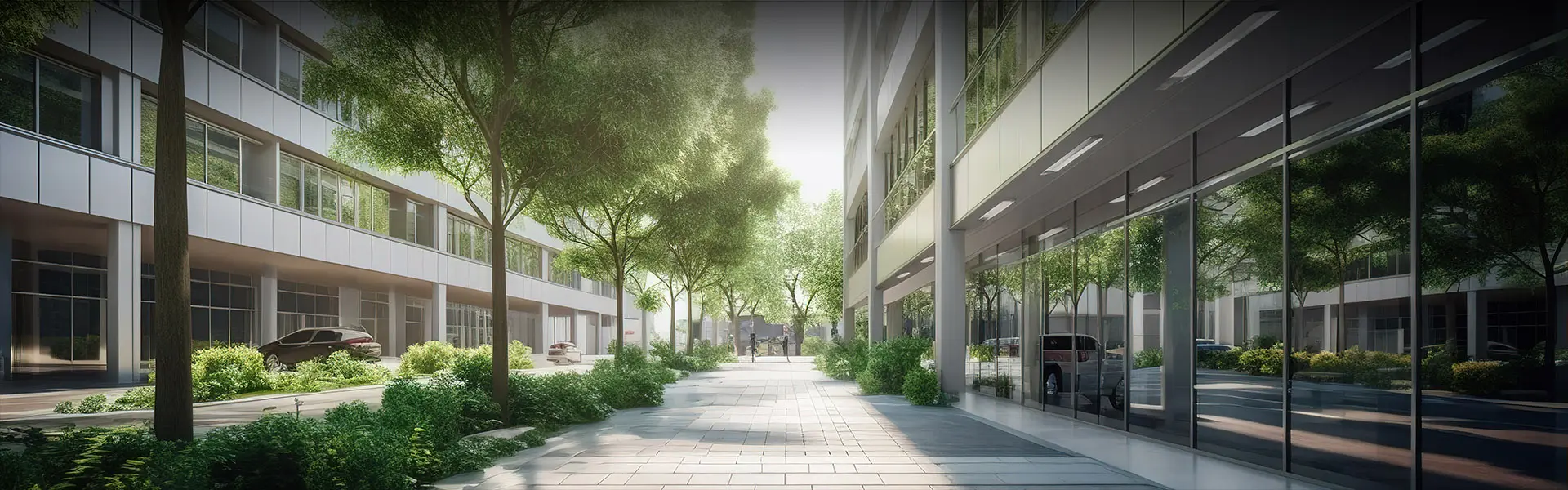
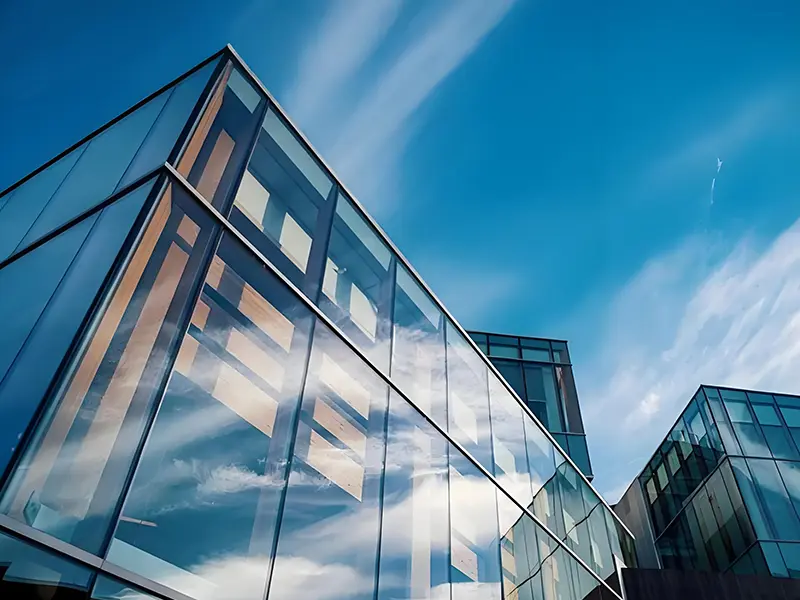
In facade applications, curved tempered glass enables the creation of fluid, organic building forms that would be impossible with flat glass. These curved facade systems often incorporate curved insulated glass units to meet thermal performance requirements while maintaining the desired aesthetic. The manufacturing precision required for these applications ensures consistent curvature and optimal performance across all facade elements.
Interior Applications
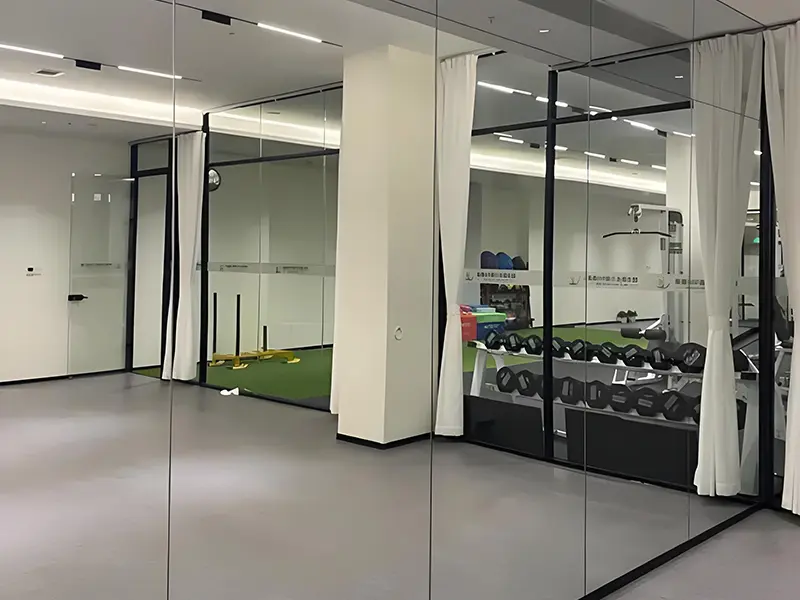
Within building interiors, curved tempered glass serves various functions from spatial division to decorative elements. The material's ability to transmit light while softly defining spaces makes it ideal for creating partitions that maintain visual connections between areas. Specific interior applications include:
Glass partitions and doors that create fluid transitions between spaces
Display cases and showcases that provide visibility while protecting contents
Furniture elements including glass tables and shelving with curved profiles
Decorative features that leverage the reflective and refractive properties of curved glass
Performance Characteristics and Technical Considerations
The successful integration of curved tempered glass in architectural projects requires careful attention to technical factors that influence both performance and durability. Understanding these parameters is essential for specifying appropriate glass configurations for different applications.
Mechanical Performance
The tempering process significantly enhances the mechanical properties of curved glass, but specific performance characteristics vary based on glass thickness, curvature radius, and support conditions. Standardized testing methods have been developed to evaluate key performance attributes such as bending strength, ensuring consistent quality and reliability. For projects with specific structural requirements, testing according to these established standards provides verification of performance capabilities.
Optical Properties
The curvature of glass influences light transmission and reflection characteristics, creating unique optical effects that can enhance architectural spaces. Advanced laminated configurations with GFRP interlayers typically transmit 60-75% of visible light along the lateral direction, maintaining reasonable transparency while providing enhanced structural performance. These optical properties can be further modified through various coatings and surface treatments to achieve specific aesthetic and performance goals.
Environmental Considerations
Modern glass production has increasingly focused on sustainability, with curved insulated glass playing a significant role in improving building energy efficiency. The insulation properties of these units help reduce heat transfer through the building envelope, lowering energy consumption for heating and cooling. Additionally, the development of more sustainable production processes and materials contributes to reduced environmental impact across the product lifecycle.
Future Trends and Developments
The evolution of curved tempered glass continues as new technologies emerge and architectural demands evolve. Several developing trends suggest directions for future innovation and application of curved glass in architecture.
Advanced Composite Materials: Research into new interlayer materials and glass compositions promises further enhancements to the mechanical performance of curved laminated glass, potentially enabling larger spans and more complex geometries.
Integrated Functionality: The incorporation of additional functionalities such as switchable transparency, integrated lighting, and energy generation represents a significant area of development for curved glass systems.
Manufacturing Efficiency: Improvements in production technologies, including more precise forming techniques and automated processes, are making curved glass more accessible for a wider range of projects while maintaining high quality standards.
Sustainability Innovations: Ongoing development of more environmentally friendly production methods and recyclable material configurations addresses the growing emphasis on sustainable building materials.
These advancing capabilities suggest that curved tempered glass will play an increasingly important role in architecture, enabling new forms of expression while meeting practical performance requirements.
Conclusion: The Integral Role of Curved Tempered Glass
The benefits of curved tempered glass in modern architecture extend far beyond mere aesthetics. This sophisticated material combines enhanced safety performance, structural capability, and design versatility in ways that significantly expand architectural possibilities. The development of specialized variants such as curved insulated glass and curved laminated glass has further increased its applicability, allowing designers to address specific performance requirements while maintaining elegant curved forms.
As manufacturing technologies advance and architectural tastes continue to favor fluid, organic forms, the use of curved tempered glass will likely increase across various building types and applications. Its ability to create visually striking environments while meeting practical requirements for safety, durability, and performance establishes it as a key material in contemporary architecture. From sweeping facades to subtle interior details, from structural curved glass guard systems to high-performance building envelopes, curved tempered glass offers solutions that combine technical excellence with aesthetic sensibility.
The continued evolution of this material promises even greater possibilities for architectural expression, suggesting that the integration of curved glass elements will remain a significant trend in building design for the foreseeable future. As architects and designers become more familiar with its capabilities and potential applications, curved tempered glass will continue to transform our built environment in increasingly innovative ways.