





Why Are Awning Windows the Ideal Choice for Safe Ventilation in High-Rise Buildings?
Introduction: The Resurgence of Awning Windows in Modern Skyscrapers
In today's high-rise building designs, everyone's on the hunt for the perfect ventilation setup—something that's safe, saves energy, and looks good too. And guess what? Awning windows are making a huge comeback because of it. These windows, which open outwards from a hinge at the top, have come a long way from their old-school versions. Now, they're like engineering wonders, tailor-made for tall buildings.
With cities growing upwards and skyscrapers hitting new heights, we really need some fresh ideas for windows that can handle the special challenges of being so high up. Aluminium awning windows? They're the smart answer to all those tricky ventilation needs in high-rises. Plus, they keep everyone safe, help save energy, and look pretty sleek too.
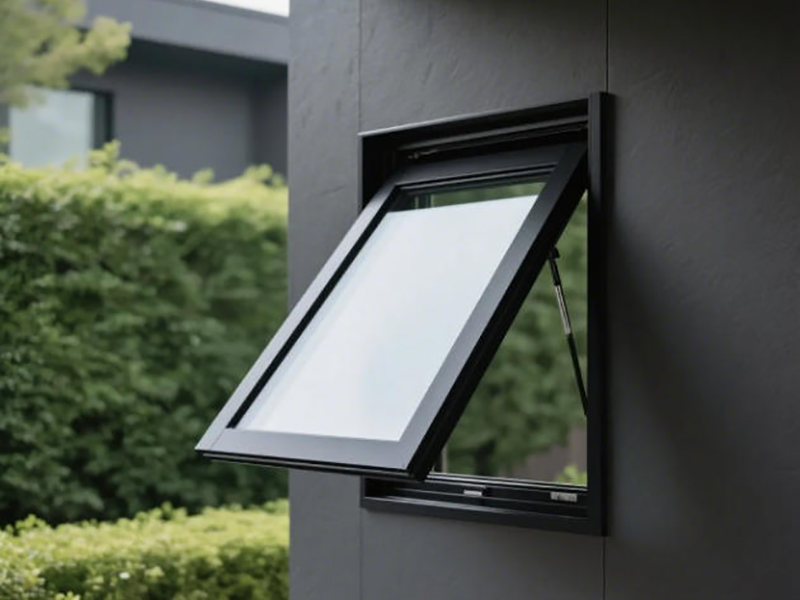
The fundamental design principle of awning windows—outward opening from the top—creates a natural weather-protected ventilation system that remains functional even during precipitation. This characteristic is particularly valuable in high-rise constructions where conventional windows often need to remain closed during rain, potentially compromising indoor air quality. Modern engineering advancements have further enhanced these windows with robust aluminum frames, tempered safety glass, and precision-engineered hardware capable of withstanding the extreme environmental pressures encountered at significant heights. For building developers, architects, and occupants alike, these innovations translate to improved living experiences, reduced maintenance costs, and enhanced building sustainability profiles.
Engineering Principles: The Technical Superiority of Awning Window Systems
The structural integrity of modern awning windows derives from their sophisticated engineering and advanced material science. Unlike ordinary windows, high-performance awning windows utilize thermally broken aluminum frames that create an effective barrier against thermal transfer while maintaining exceptional structural strength. This thermal break technology significantly reduces energy loss by incorporating a non-conductive material between the interior and exterior aluminum frame components, thus maintaining indoor temperatures and reducing HVAC operational costs—a crucial consideration for energy-conscious high-rise developments.
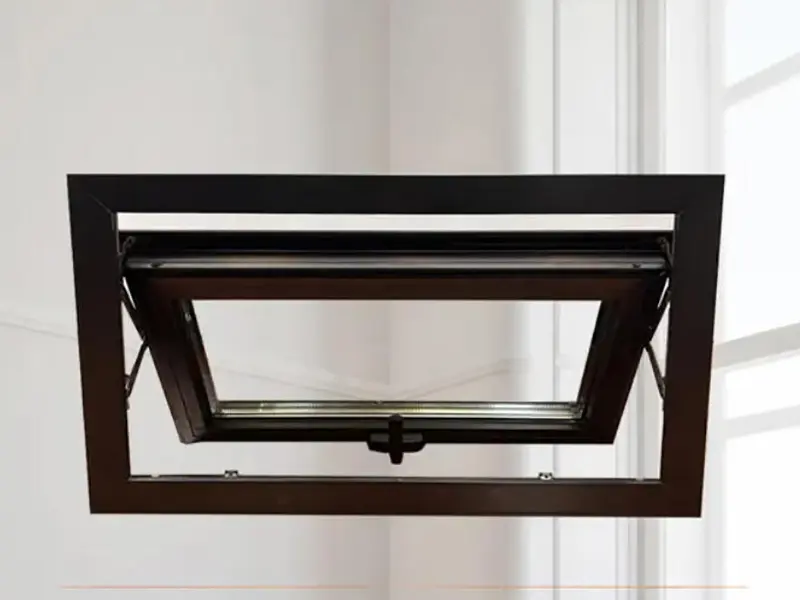
The mechanical operation of awning windows represents another area of engineering excellence. Contemporary systems employ concealed gas springs and anti-drift mechanisms that ensure smooth, controlled operation and prevent unexpected movement caused by high winds. These operational features are complemented by multi-point locking systems that secure the window firmly around its entire perimeter when closed, creating exceptional resistance to forced entry and environmental pressures. The engineering extends to precise water management systems within the frames, featuring invisible drainage channels that redirect infiltrated moisture back to the exterior without compromising the window's aesthetic lines or performance.
From a structural perspective, awning windows are designed to accommodate the natural sway and movement inherent in tall buildings. Engineers achieve this through calculated clearances and flexible gasketing systems that maintain weathertight seals while allowing for minor structural deflections. The frames themselves are engineered to support substantial glass sizes—some advanced awning window systems can accommodate units up to 32 square feet—without compromising operation or safety, making them suitable for the expansive views desired in high-rise applications.
Safety and Performance: Addressing High-Rise Specific Challenges
In high-rise environments, conventional ventilation methods present significant safety concerns that awning windows effectively mitigate. The fundamental design of awning windows, which opens outward from the top, creates a natural security barrier that prevents accidental falls while maintaining uninterrupted ventilation. This top-hinged configuration means the opening is never large enough for a person to pass through, effectively eliminating the fall hazard associated with other window types that open fully. Additionally, the outward opening trajectory allows for secure all-weather ventilation, as the window acts as a canopy that deflects rainwater away from the interior while still permitting fresh air circulation.
The performance of awning windows in high-wind conditions is another critical safety consideration. Engineering innovations such as anti-drifting features ensure that the windows remain securely in their opened position without unexpected movement, even when subjected to the significant wind pressures encountered at elevated heights. When closed, advanced locking mechanisms distribute closure pressure evenly around the entire perimeter, creating exceptional sealing performance that prevents air and water infiltration—a common challenge in tall buildings where wind pressures increase with height.
Beyond immediate occupant safety, awning windows contribute to broader building performance metrics. Their effective sealing capabilities significantly reduce air infiltration, which accounts for a substantial portion of energy loss in high-rise structures. This superior airtightness, combined with the option for double or triple glazing using insulated glass units, results in notable improvements in the building's overall energy performance. Furthermore, the availability of impact-resistant glass options incorporating tempered glass provides enhanced protection against extreme weather events, an increasingly important consideration in climate-vulnerable regions.
Material Innovation: The Role of Advanced Aluminum and Glass Technology
The evolution of awning windows is inextricably linked to advancements in material technology, particularly in aluminum formulation and glass manufacturing. Contemporary Aluminium Awning Window systems benefit from high-strength aluminum alloys specifically engineered for fenestration applications. These advanced alloys undergo precise extrusion processes that create complex profile shapes with multiple chambers and seals, optimizing them for structural performance, thermal efficiency, and long-term durability. The aluminum components typically receive sophisticated surface treatments including anodized or powder-coated finishes that provide exceptional corrosion resistance—a crucial attribute for windows exposed to aggressive environmental conditions at height.
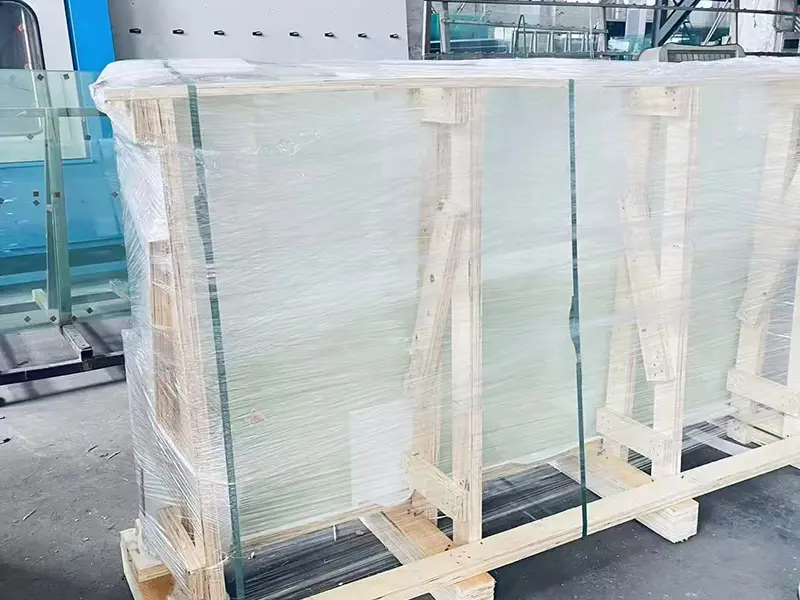
The glass technology integrated into modern awning windows has similarly progressed, with insulated glass units (IGUs) becoming the standard for high-performance applications. These units typically incorporate multiple panes of glass separated by spacers and sealed to create an insulating air or gas-filled chamber. When filled with inert gases such as argon or krypton, these IGUs significantly enhance thermal performance by reducing heat transfer. For the specific context of high-rise buildings, the outer pane often consists of tempered glass—a safety-essential material that undergoes controlled thermal or chemical treatments to increase its strength compared to ordinary glass. In the unlikely event of breakage, tempered glass fractures into small, relatively harmless particles rather than dangerous shards, providing crucial protection for occupants and pedestrians below.
Further glass innovations include low-emissivity (low-E) coatings, virtually invisible metallic layers applied to glass surfaces that selectively reflect infrared energy, helping to maintain interior temperatures by reducing heat loss in winter and heat gain in summer. Additional specialized coatings can provide solar control properties, mitigating excessive solar heat penetration that increases cooling loads in tall buildings with extensive glazing. When combined with the inherent strength of aluminum frames, these advanced glass technologies create window systems that deliver comprehensive performance benefits specifically aligned with the demands of high-rise construction.
Design Integration: Balancing Aesthetics and Functionality in Contemporary Architecture
The successful integration of awning windows into high-rise architecture represents a sophisticated balance between aesthetic considerations and functional requirements. Modern awning window systems offer design flexibility through a wide range of frame colors, finishes, and configurations that complement diverse architectural styles. The minimal sightlines of contemporary aluminum frames maximize glass areas and outdoor views—a highly valued feature in residential and commercial high-rises where visual connectivity to the exterior enhances occupant experience and property value. This aesthetic versatility enables architects to maintain design coherence while specifying windows that deliver superior performance.
From a functional perspective, awning windows facilitate innovative natural ventilation strategies that can reduce reliance on mechanical systems, contributing to more sustainable building operations. Their ability to provide ventilation during rainfall makes them particularly valuable in climates with frequent precipitation, as building occupants can maintain fresh air circulation without water intrusion concerns. When coordinated with building automation systems, awning windows can become active components in natural ventilation schemes that respond to changing interior and exterior conditions, automatically adjusting openings to optimize indoor air quality and temperature while maintaining security parameters.
The spatial efficiency of awning windows further enhances their suitability for high-rise applications. Unlike sliding windows that require lateral clearance or casement windows that swing inward or outward, awning windows operate within a compact functional envelope that preserves interior space utilization. This characteristic is especially valuable in high-rise buildings where every square foot of interior space carries significant value. The external operation does not interfere with interior furnishings, window treatments, or safety egress paths, making them logistically practical for various room configurations and uses throughout tall buildings.
Technical Comparison: Awning Windows Versus Alternative Fenestration Systems
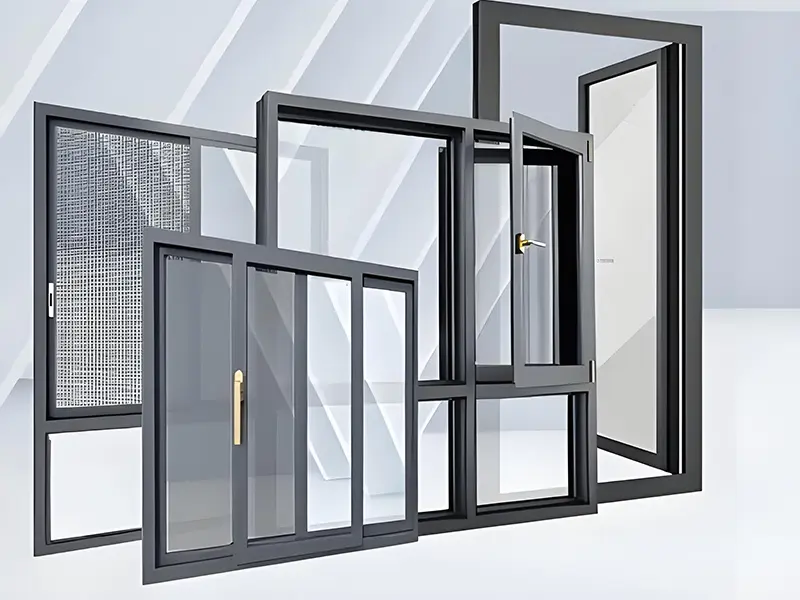
When evaluated against other common fenestration options, awning windows demonstrate distinct advantages for high-rise applications. Compared to Aluminium Sliding Windows, awning windows typically provide superior airtightness due to their compression sealing mechanism versus the brush seals common in sliding systems. This enhanced sealing directly translates to improved thermal performance and reduced energy transmission—a significant benefit in high-rises where envelope performance dramatically impacts overall energy consumption. While sliding windows remain popular for their operational simplicity and space-saving qualities, they generally cannot match the environmental separation capabilities of properly engineered awning systems.
The comparison with Fixed Window configurations reveals complementary strengths. Fixed windows provide exceptional transparency and weathertightness since they contain no operational components, but they offer no ventilation capability. Strategic integration of awning windows alongside fixed glazing creates a balanced fenestration approach that maximizes views while providing controlled ventilation where needed. In high-rise applications, this hybrid approach often yields optimal results, combining the unparalleled views and weather resistance of fixed glazing with the operational benefits of awning windows for ventilation purposes.
When assessed against other operable window types common in tall buildings, such as hoppers or casements, awning windows frequently demonstrate advantages in weather performance, safety, and aesthetic continuity. The top-hinged design provides natural protection against rain infiltration, while the limited opening size addresses fall safety concerns more effectively than casement windows that open fully. The consistent architectural expression of awning windows across a building facade can create cohesive aesthetics that might be challenging with mixed window types, particularly important in high-rise structures where facade consistency influences architectural impact.
Future Trends: Emerging Technologies in Awning Window Systems
The ongoing evolution of awning window technology continues to enhance their suitability for high-rise applications. Smart operation capabilities represent a significant trend, with integrated actuators and control systems enabling automated operation based on predetermined environmental conditions. These connected window systems can interface with building management platforms to participate in holistic energy conservation strategies, automatically adjusting ventilation rates in response to indoor air quality sensors or exterior weather conditions. Such functionality transforms awning windows from passive building components into active systems contributing to overall building performance and occupant comfort.
Advancements in material science promise further improvements in awning window performance. Nanotechnology-based coatings that repel dirt and water are becoming more prevalent, reducing maintenance requirements on hard-to-reach windows in tall buildings. Similarly, ongoing development in thermal break materials and frame insulation technologies continues to elevate the energy performance of aluminum window systems. These innovations, combined with evolving glass technologies such as dynamic glazing that can alter its tint in response to sunlight, will further enhance the environmental control capabilities of awning windows in high-rise applications.
The manufacturing processes for awning windows are also evolving toward greater precision and quality control. Digital fabrication technologies including computer-numerical-controlled (CNC) machining and robotic assembly ensure consistent quality and performance across window production runs. These advanced manufacturing capabilities facilitate greater customization, allowing window systems to be tailored to specific project requirements without compromising performance or significantly increasing costs. For high-rise projects with unique design or performance requirements, this manufacturing flexibility enables the creation of bespoke awning window solutions that address precise architectural and engineering parameters.
Conclusion: The Comprehensive Benefits of Awning Windows in High-Rise Construction
The integration of modern awning windows in high-rise buildings represents a convergence of safety engineering, energy performance, and architectural design. Their unique combination of features—including fall-preventive opening mechanisms, superior weather resistance, robust aluminum construction, and compatibility with advanced glass technologies—positions them as an ideal ventilation solution for elevated construction. As urban density increases and building codes become more stringent regarding energy efficiency and safety, the technical merits of awning windows become increasingly relevant to architects, developers, and building occupants alike.
The continued innovation in awning window systems ensures their ongoing relevance in an evolving building industry. With enhancements in smart operation, material science, and manufacturing precision, these window systems are poised to address future challenges in high-rise design and construction. For projects prioritizing occupant safety, environmental control, and architectural quality, awning windows offer a comprehensive solution that balances multiple performance requirements without compromise. Their demonstrated benefits in real-world applications confirm their value as a sophisticated fenestration solution specifically engineered for the unique demands of tall buildings.
For Jiangsu Guoxin Glass Co., Ltd., specializing in insulated glass, tempered glass, and curved glass production, the rising prominence of awning windows in high-rise construction represents significant market opportunities. The technical glass requirements of these window systems align precisely with the company's manufacturing expertise, particularly in producing the tempered and insulated glass units essential for high-performance awning window applications. As the construction industry continues to recognize the multifaceted benefits of awning windows for tall buildings, their specification in projects worldwide is likely to increase, driving demand for the advanced glass components that enable their superior performance.